

By [Your Name/Journalistic Desk]
May 12, 2026
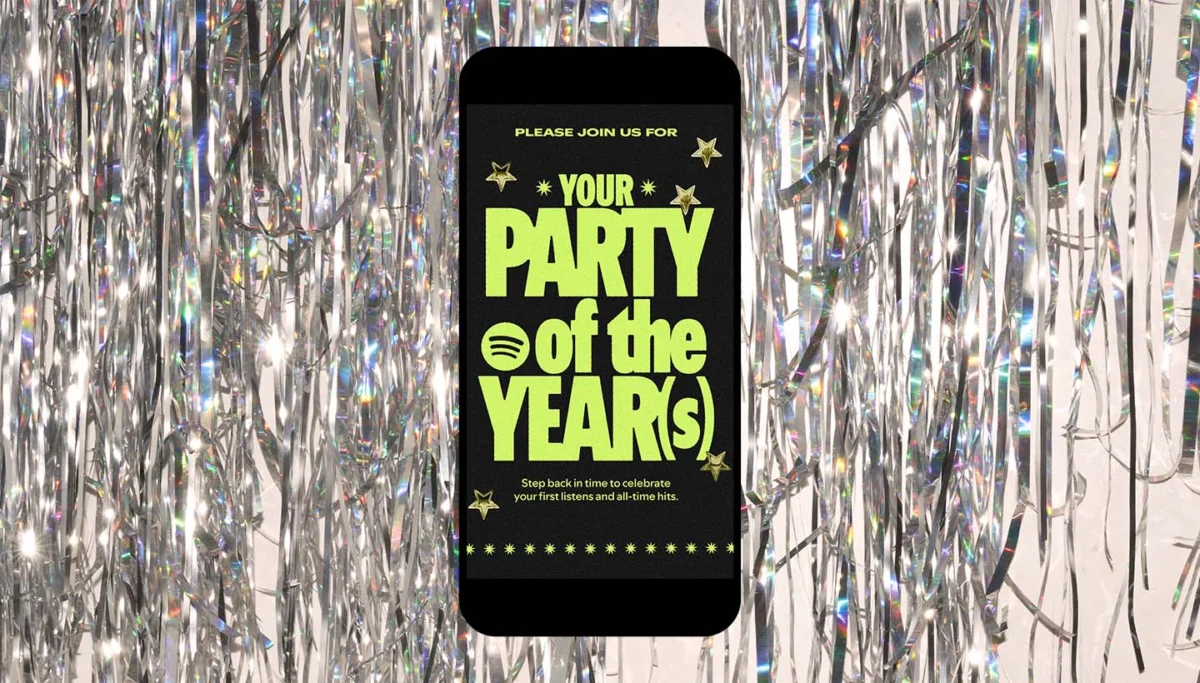
Since its inception, Spotify has evolved from a niche European streaming experiment into the undisputed global soundtrack of the digital age. As the streaming giant marks its 20th anniversary in 2026, it is inviting its massive user base to take a nostalgic trip down memory lane. In a move that mirrors the viral success of its annual “Wrapped” campaign, the company has unveiled a new, limited-time feature that offers an unprecedented look into the personal listening histories of its users.
The Core Offering: A Personal Musical Time Capsule
The new feature, titled “Spotify 20,” functions as a bespoke digital scrapbook. While the annual “Wrapped” feature focuses on the trends and habits of the preceding 12 months, this anniversary edition spans the entirety of a user’s relationship with the platform.
By navigating to the dedicated portal—accessible by searching “Spotify 20” or “Party of the year(s)” within the app, or by visiting the official link—users are presented with a series of interactive data cards. These cards surface milestone markers, including:
- The Origin Story: The exact date a user joined the platform.
- The First Note: The very first song ever streamed on their account.
- The Soundtrack of a Life: A personalized playlist featuring a user’s top 120 most-streamed songs over the course of their tenure, complete with specific play counts.
- Discovery Metrics: A total count of unique artists and songs discovered since the account’s inception.
Much like the social media phenomenon that is “Wrapped,” these insights are designed to be shareable. Users can export stylized stat cards and their personalized playlists directly to Instagram, X (formerly Twitter), and other social platforms, turning personal data into a social currency of nostalgia.
A Chronology of Streaming Dominance
To understand the significance of this 20th-anniversary celebration, one must look at the arc of Spotify’s influence on the music industry.
- 2006: Founded in Sweden by Daniel Ek and Martin Lorentzon, Spotify was born out of a desire to create a legal, superior alternative to music piracy.
- 2008: The service officially launched in select European markets, introducing a “freemium” model that would eventually define the industry standard.
- 2011: Spotify arrived in the United States, sparking a massive shift in how American consumers accessed media.
- 2015: The introduction of “Discover Weekly” cemented the platform’s reputation as a leader in algorithmic recommendation, shifting the focus from ownership to curation.
- 2016: The first iteration of “Wrapped” was introduced. Initially a niche marketing effort, it evolved into an annual cultural event.
- 2026: Now, as the company enters its third decade, it moves from focusing on the “year in review” to the “lifetime in review,” signaling a shift toward long-term user retention and emotional loyalty.
Supporting Data: Why "Wrapped" and Personal Data Matter
The success of this anniversary feature is no accident; it is the culmination of years of data-driven psychology. Spotify’s internal data highlights that personalization is the primary driver of engagement.

Last year’s “Wrapped 2025” was a landmark achievement, drawing over 200 million engaged users within the first 24 hours of its release. This figure represented a significant 19% increase over the 2024 campaign, which had been criticized for its heavy, perhaps over-reliance on experimental AI-generated aesthetics. The 2025 campaign, by contrast, returned to the user-centric data visualization that made the feature a household name.
With 500 million shares across social media in 2025, Spotify effectively turned its users into a global marketing engine. By providing users with "social fuel"—content that makes them look interesting, nostalgic, or musically sophisticated—Spotify achieves organic growth that traditional advertising could never replicate. The "Spotify 20" feature follows this same blueprint, tapping into the "identity-expression" market where users define themselves by their musical tastes.
Official Context and the "Taylor Swift" Effect
The anniversary celebrations are not limited to user data. Last month, Spotify released comprehensive, platform-wide statistics to frame the context of its 20-year history.
In a move that surprised few but confirmed the shifting landscape of modern music, Taylor Swift was crowned the most-streamed artist in the history of the platform. The data also highlighted the top-performing albums, podcasts, and audiobooks—a nod to Spotify’s aggressive diversification strategy that has seen it move beyond music into a comprehensive "audio-first" destination.
The company’s leadership has framed this period as a celebration of the "creator-fan connection." By highlighting the songs that have stayed with listeners for years, Spotify is attempting to solidify its role as a permanent fixture in the digital lives of its users, rather than a mere utility.
Implications for the Future of Streaming
The limited-time nature of this feature—available for only six weeks—is a classic exercise in "scarcity marketing." By creating a sense of urgency, Spotify ensures that millions of users will log in, verify their data, and share their results within a short window, creating a massive spike in daily active users (DAU).
1. Retention as a Competitive Advantage
In an era where streaming services like Apple Music, Amazon Music, and YouTube Music compete on price and catalog size, Spotify is doubling down on emotional lock-in. Once a user has a 20-year history tied to their account, switching to a competitor becomes a significant hurdle. Leaving Spotify means losing access to that curated, historical data.

2. The Evolution of Data as Entertainment
Spotify has successfully commodified metadata. By turning listening logs into "facts" about the user, they have created a product where the user’s own behavior is the content. This reduces the company’s reliance on external content trends; when the content is the user, the engagement becomes self-sustaining.
3. Challenges and Ethical Considerations
While the “Spotify 20” campaign is largely viewed as a success, it does highlight the immense volume of data the company holds on its users. As privacy regulations continue to tighten globally, Spotify’s ability to use this data for marketing purposes remains a high-stakes balancing act. The company must ensure that its “personalization” efforts are perceived as a service to the user, rather than an intrusive data-mining exercise.
Looking Ahead
As the six-week window for the “Spotify 20” feature begins, the industry will be watching to see if this "lifetime recap" generates the same level of viral velocity as the annual year-end reports. If the early engagement numbers are any indication, the campaign is likely to be a massive success, further entrenching Spotify’s position as the primary curator of the world’s audio identity.
For the average listener, however, the feature offers something more simple: a mirror. In a digital world that often feels ephemeral and fleeting, Spotify is offering a rare chance to look back at two decades of growth, breakups, discoveries, and the songs that served as the soundtrack to it all. Whether you’ve been a user since the beta days of 2006 or signed up just last week, the data tells a story—and for the next six weeks, it is a story that is yours to share.
Disclaimer: When you purchase through links in our articles, we may earn a small commission. This doesn’t affect our editorial independence.












No comments yet. Be the first to join the conversation!