Jia Lissa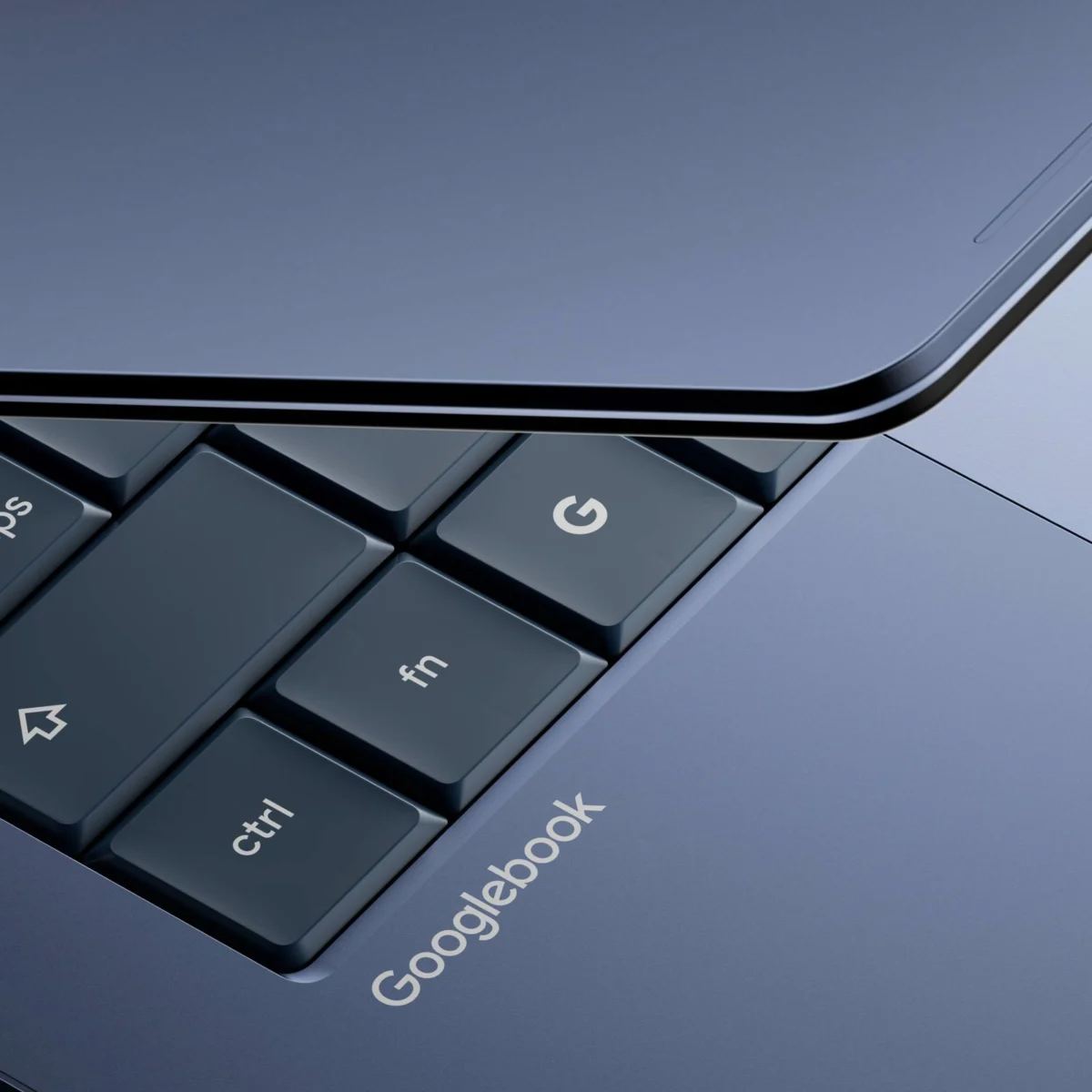
Fifteen years ago, Google fundamentally altered the landscape of personal computing with the launch of the Chromebook. By stripping away the bloat of traditional operating systems and focusing on a web-centric architecture, the company democratized access to technology, effectively colonizing the US education market and redefining the "affordable laptop" category. Now, the tech giant is setting its sights on a new horizon. Google has officially announced "Googlebook," a new laptop platform that seeks to transcend the limitations of its predecessor by fusing the vast, rapidly evolving Android ecosystem with advanced generative AI.
While Chromebooks remain a cornerstone of Google’s hardware strategy, the introduction of the Googlebook represents a calculated move into the premium, high-performance computer segment—a space long dominated by Apple’s MacBook and high-end Windows ultrabooks.
Main Facts: A New Paradigm for Productivity
Google’s announcement, made during The Android Show on YouTube, confirms that the new platform—internally codenamed "Aluminium OS"—is built from the ground up to be an AI-first computing environment. Unlike the web-dependent nature of ChromeOS, Googlebooks are designed to act as native, high-performance workstations.
Key highlights of the new platform include:
- Android-Centric Architecture: Googlebooks are built on Android technologies, allowing for a more fluid continuity between mobile devices and desktop hardware.
- The "Magic Pointer": Developed alongside Google’s DeepMind division, this contextual AI tool allows users to interact with files, emails, and images by simply "wiggling" the cursor over them, triggering intelligent, context-aware suggestions.
- Adaptive Apps: Moving beyond the "constrained" experience of Android apps on previous Chromebooks, developers are being incentivized to create full desktop-grade versions of their applications that leverage native hardware access.
- The "Glowbar": A physical design hallmark, this LED strip on the chassis displays the classic Google color palette. Beyond aesthetics, it serves as a functional interface element, providing status updates and interactive features.
- Hardware Partners: Major manufacturers, including Dell, Acer, Asus, HP, and Lenovo, have already signed on to produce Googlebook devices, with a launch expected later this fall.
A Chronology of Google’s Desktop Ambitions
To understand the significance of the Googlebook, one must look back at the company’s decade-and-a-half journey in the laptop space.
- May 2011: Google introduces the first Chromebooks and ChromeOS. The message was simple: everything you need lives in the browser. It was a disruptive, low-cost solution that eventually became the standard in classrooms.
- February 2013: Google releases the Chromebook Pixel, a high-end, premium-build device that signaled the company’s intent to compete with high-end manufacturers. While the product line eventually faded, it laid the aesthetic groundwork for what is now the Googlebook.
- 2017–2021: Google begins integrating the Google Play Store into ChromeOS, allowing Android apps to run on laptops. However, the experience remained clunky, as apps were often optimized for touchscreens and small mobile displays, not high-resolution desktop environments.
- 2024: Following the rapid advancement of Gemini Intelligence and the maturation of Android 17, Google identifies a "innovation wave" that the aging ChromeOS architecture cannot fully capture.
- Fall 2024 (Projected): The first wave of official Googlebooks will hit the market, marking the most significant shift in Google’s hardware strategy since the inception of the Pixel phone line.
Supporting Data: Why Now?
The decision to move away from the "web-only" model is driven by the shifting demands of modern professional and creative workflows. According to Alexander Kuscher, senior director at Google leading Android tablets and laptops, the current Android ecosystem is innovating at an unprecedented velocity.
"You want to take advantage of the fact that this ecosystem is innovating so fast that you make sure that laptops are at the tip of that innovation wave," Kuscher explains. "Building on top of Android technologies makes that so much easier for us."

The technical gap between a mobile experience and a desktop experience is narrowing. With the advent of more powerful mobile chips (both ARM and x86 architectures are supported by the Googlebook platform), the performance ceiling has been lifted. Furthermore, the integration of Gemini Intelligence directly into the OS layer—rather than as a browser extension—allows for system-wide capabilities that are simply impossible in the current Chromebook environment.
Official Responses and Strategic Vision
When asked about the confusion between the new Googlebook platform and the existing Android desktop mode (often seen when plugging a phone into a monitor), Kuscher clarifies that Googlebook is a distinct, purpose-built entity.
"It’s an experience that takes Android technology as part of it, but it’s not the only bit that feeds into it," Kuscher says. "A good example is the Magic Pointer. That’s not an Android desktop feature; that’s a Googlebook feature."
The company is being deliberately vague regarding whether they will produce their own first-party Googlebook, similar to the Pixel hardware strategy. While the Pixel division declined to comment, the industry expects that Google may eventually release a "halo" device to showcase the full potential of the platform, much like the original Chromebook Pixel did years ago.
For current Chromebook users—particularly those in the education sector—Google offers reassurance. "We feel pretty committed to those users because a lot of them are in education, institutions, and businesses around the globe," says Kuscher. "We feel a strong responsibility for that. Googlebooks are a different kind of laptop."
Implications: The Death of the "Browser-Only" Era?
The implications of the Googlebook launch are profound. By shifting the foundation from the browser to the OS, Google is effectively conceding that the "everything in the cloud" philosophy of 2011 is insufficient for the AI-driven demands of 2025.
1. The War for Premium Productivity
For years, the premium laptop market has been a two-horse race between macOS and Windows. By inviting partners like Dell, HP, and Lenovo to build Googlebooks, the company is attempting to create a third, viable ecosystem. If developers lean into the "desktop-grade" Android app initiative, the platform could become a legitimate challenger for creative professionals and power users.

2. The AI-First OS
The "Magic Pointer" and the "Create a Widget" features are just the beginning. By placing Gemini at the heart of the user interface, Google is attempting to make the OS feel proactive rather than reactive. Instead of searching for files, users will be able to command the system to organize, merge, and analyze content in real-time.
3. Hardware Convergence
The "glowbar" and the emphasis on premium materials suggest that Google is no longer satisfied with being the "budget option." The Googlebook aims to be a status symbol. The ability to seamlessly hand off work from an Android phone to a laptop, combined with a unified ecosystem of apps, creates a "walled garden" effect that mirrors the success of Apple’s ecosystem—but with the added benefit of being open to multiple hardware manufacturers.
4. The Developer Challenge
The success of the Googlebook rests entirely on the shoulders of third-party developers. If app makers treat Googlebooks like they treated Chromebooks—porting mobile apps with minimal optimization—the platform will struggle to gain traction among professionals. If, however, they embrace the "adaptive app" model to create full-featured, high-resolution desktop versions, Google may have finally cracked the code for a post-ChromeOS future.
As the industry looks toward the fall, the questions remain: Will the "Magic Pointer" be a true workflow revolution, or just another gimmick? And can the Android ecosystem, despite its fragmented nature, truly provide a stable, professional-grade desktop environment?
Google is betting everything on the latter. With the Googlebook, the company isn’t just launching a new laptop; it is attempting to reinvent what it means to be a computer in the age of artificial intelligence.

 Neng Nana
 Sagoh
Sagoh