Reynand Wu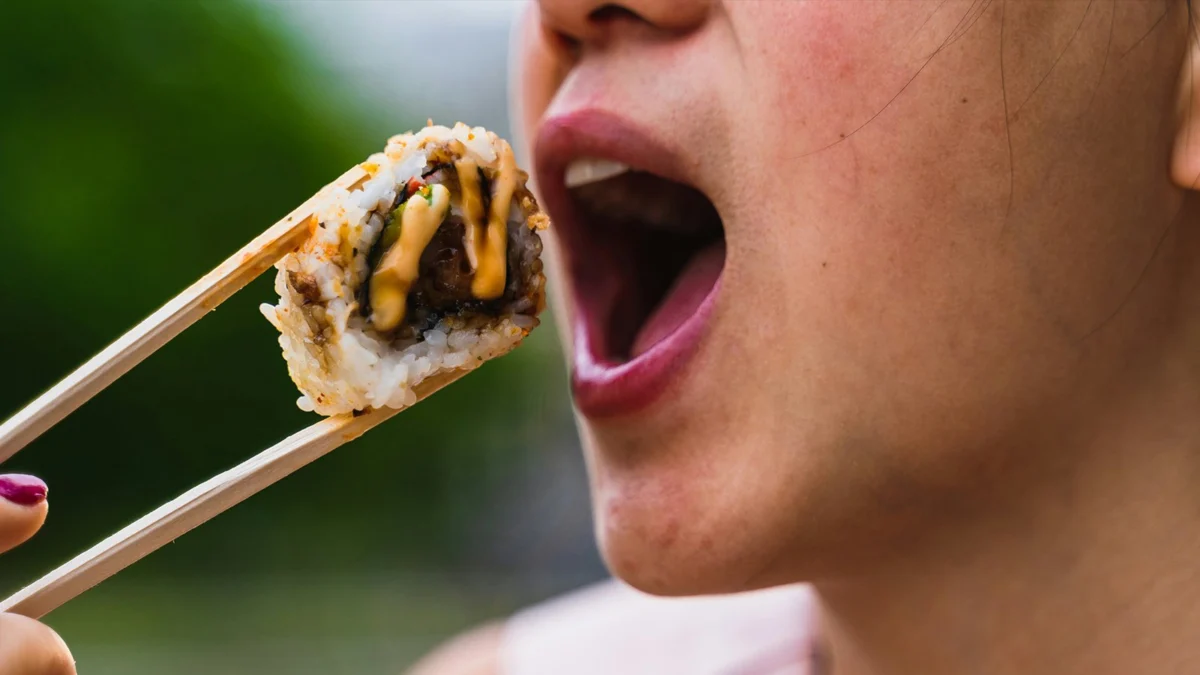
In the competitive world of the restaurant industry, the "all-you-can-eat" (AYCE) model has long been a double-edged sword. It offers diners the promise of value and indulgence while presenting owners with the daunting task of managing food costs and waste. However, one establishment in Gelves, Spain, has taken this challenge to a visceral extreme. Sushi Toro, a highly-rated destination for sushi enthusiasts, has recently gone viral not for its culinary innovation, but for a blunt, unconventional policy: the implementation of a “vomit fee.”
As social media continues to dissect the ethics and logistics of the restaurant’s new rule, the situation at Sushi Toro highlights the growing friction between the “infinite buffet” culture and the physical limitations of the human digestive system.
The Main Facts: Defining the “Vomit Fee”
The policy, which has been formally communicated via signage at the restaurant’s entrance and reinforced through official social media channels, is direct and unsparing. Sushi Toro, a restaurant that maintains a stellar 4.7-star rating on Google, has officially informed patrons that they reserve the right to levy an additional charge should a customer experience a health-related incident caused by excessive consumption.
The sign, posted in bold, capital letters, reads: "If a customer vomits due to overeating, the restaurant reserves the right to charge a cleaning fee."
This is not a theoretical policy; it is a direct response to a recurring operational hazard. For a restaurant that prides itself on fresh, labor-intensive preparation, the physical cleanup required after a customer falls ill is not merely an inconvenience—it is a disruption to service, a hygiene risk to other patrons, and an additional labor burden on staff.
Chronology of a Culinary Crisis
The road to this policy change was paved by a series of incidents that escalated over several months.
The Growth Phase:
Sushi Toro had successfully positioned itself as a premier, affordable dining destination in Gelves. With prices ranging between €16.90 ($19.84) and €23.90 ($28.06), the restaurant offered a high-value proposition that attracted a broad demographic, from local families to budget-conscious travelers. For a time, the high volume of orders was a sign of success.
The Turning Point:
As the restaurant’s popularity grew, so did the intensity of the dining experience. Management began noticing a pattern: diners were treating the buffet as a competitive sport, consuming quantities of raw fish and rice far beyond reasonable capacity. This competitive eating led to incidents of physical distress on the premises, manifesting in the dining area and, most frequently, the restrooms.

The Social Media Catalyst:
Once the restaurant management realized that verbal warnings were insufficient, they took to their official Facebook page to clarify the situation. The post was a candid, slightly desperate plea for moderation. It served as the tipping point, turning a local restaurant problem into a viral debate that reached far beyond the borders of Spain.
Supporting Data: The Economics of the Buffet
To understand why Sushi Toro felt compelled to take such drastic action, one must look at the economics of the AYCE model.
Profit Margins and Food Waste
In a standard restaurant, the price of a meal is tied to the cost of ingredients, labor, and overhead. In a buffet, the owner bets on the "Law of Averages"—the idea that most people will eat a reasonable amount of food, allowing the profit from light eaters to offset the cost of heavy eaters. When a customer eats until they vomit, they are not only "costing" the restaurant more in raw ingredients, but they are also incurring a “hidden cost” related to:
- Sanitation Labor: The time taken to sanitize an area contaminated by bodily fluids requires a complete halt in service for that section of the restaurant.
- Reputational Damage: The sight of a diner in distress is off-putting to other customers, potentially costing the restaurant future business.
- Hygiene Standards: In a post-pandemic world, restaurants are under increased scrutiny. A vomit-related incident is a potential health code liability that could trigger inspections.
The Psychology of "Getting Your Money’s Worth"
Marketing research suggests that the "all-you-can-eat" label triggers a psychological phenomenon known as "loss aversion." Diners feel that if they do not consume more than the price of their ticket, they have "lost" money. This compels individuals to push their physical limits, often ignoring the body’s satiety cues. When this psychological drive meets a high-quality product like sushi, the physical consequences are often immediate and unpleasant.
Official Responses: The Management Perspective
The management of Sushi Toro has been remarkably transparent, choosing to address the situation with a mix of frustration and an appeal for civic responsibility. Their official statement on Facebook serves as both a justification and an apology.
"We’ve had vomit on tables and in bathrooms, and the only solution we have is to charge an additional cleaning fee for each incident," the statement reads. The management emphasizes that their staff works tirelessly to maintain high hygiene standards, and that these incidents are a direct insult to the effort put into the food.
Furthermore, they address the impact on other diners. By asking customers to "order only what you can eat," the restaurant is attempting to shift the culture of the establishment from a site of consumption to a site of dining. They apologize for the necessity of the rule, framing it as a measure to protect the quality of the experience for everyone involved.
Implications: A Shifting Industry Standard?
The move by Sushi Toro brings up broader questions about the future of the hospitality industry.

The Death of the "Excess" Culture
We are currently seeing a global trend toward mindful consumption. In the food industry, this is manifesting as smaller portions and a greater emphasis on food quality over quantity. If more restaurants adopt “vomit fees” or strict “no-waste” policies—which charge customers for food left on their plates—we may see the end of the “excess-at-all-costs” buffet era.
Legal and Ethical Considerations
While the restaurant claims the "right" to charge a cleaning fee, the legal enforceability of such a policy varies by jurisdiction. Does a restaurant have the right to charge a "fee" for a health event, or is that considered an unfair trade practice?
Legal experts point out that while a business has a right to maintain its property, imposing a fee for an involuntary physical reaction (like vomiting) could be contested in consumer courts. However, as a deterrent, the threat of the fee is likely more effective than the actual collection of it.
The Broader Debate
The Sushi Toro incident has ignited a firestorm of discussion online. Some argue that the restaurant should simply stop offering an "all-you-can-eat" model if they cannot handle the consequences. Others argue that personal responsibility is at an all-time low and that businesses have every right to protect their property and staff from unruly or gluttonous behavior.
The case of Sushi Toro is a microcosm of a larger societal struggle. As we move away from the excess of the 20th century, businesses are finding that the old "customer is always right" mantra has a limit—specifically, where it meets the limits of human biology.
As Sushi Toro continues to serve its patrons, the "vomit fee" remains a stark reminder that even in a world of unlimited choices, there is always a price to pay for overindulgence. Whether this leads to more disciplined diners or a change in the restaurant’s business model remains to be seen, but one thing is certain: the era of the "unlimited" buffet is being forced to reckon with the reality of finite boundaries.


 Basiran
 Asep Darmawan