Suro Senen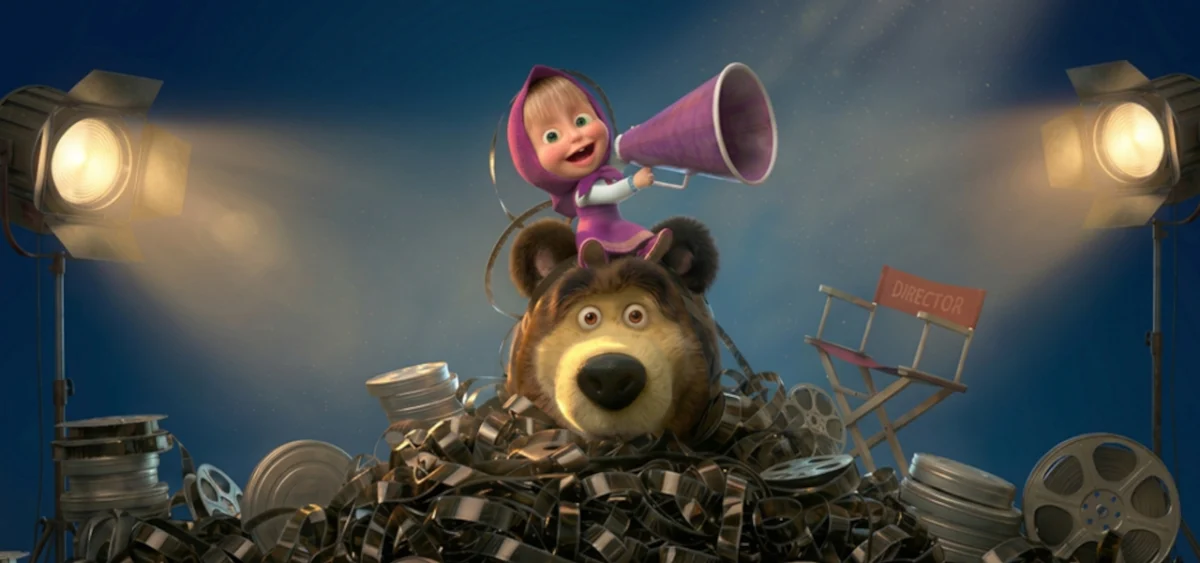
By Editorial Staff
May 12, 2026
In a move that marks a significant pivot in the landscape of international children’s animation, Oleg Kuzovkov, the visionary creator behind the global phenomenon Masha and the Bear, has announced his return to the franchise. Following the expiration of his long-standing licensing agreement with Animaccord, Kuzovkov has established a new independent production house, Studio MiM LLC. The studio’s maiden project is the development of the first-ever feature-length film based on the beloved characters, signaling a new era for one of the most successful intellectual properties in digital history.
The Strategic Shift: From Licensing to Independent Control
The transition from Animaccord—the studio that propelled Masha and the Bear to international stardom starting in 2008—to the newly formed Studio MiM represents a homecoming for Kuzovkov. After years of the franchise being managed by external corporate structures, the creator has successfully regained exclusive creative control over the characters.
This structural change is not merely a legal milestone but a creative one. By launching Studio MiM, Kuzovkov aims to reclaim the original DNA of the series. Industry analysts suggest that this shift will likely result in a "reimagining" of the brand, moving away from the episodic television format that defined the last decade and transitioning toward a more cohesive, narrative-driven feature film structure.
While the original series relied on a "silent" slapstick format punctuated by expressive animation, the move to feature-length storytelling necessitates a deeper exploration of character arcs and world-building. Kuzovkov’s new team is currently in the pre-production phase, with a targeted completion date set for late 2028.
A Chronology of Success: The Rise of a Digital Giant
To understand the magnitude of this announcement, one must look at the meteoric rise of Masha and the Bear.
- Late 1990s: Oleg Kuzovkov conceives the core concept and characters of Masha and the Bear, inspired by traditional Russian folklore.
- 2008: Animaccord Animation Studio is established, and the first episode of the series is produced. The show quickly finds an audience due to its universal, dialogue-light appeal.
- 2010s: The digital revolution transforms the series. By leveraging YouTube, the show breaks geographic barriers, becoming a household name in markets as diverse as Italy, Brazil, Indonesia, and the United States.
- 2019: The episode "Recipe for Disaster" officially enters the Guinness World Records, having surpassed 4 billion views (eventually climbing to over 4.6 billion), cementing its status as the most-watched non-music video on YouTube.
- 2020–2025: The property becomes a staple of global streaming giants, including Netflix, consistently ranking alongside titans like PAW Patrol, CoComelon, and Peppa Pig.
- May 2026: The licensing agreement with Animaccord expires. Kuzovkov announces the formation of Studio MiM LLC and the development of the franchise’s first feature film.
Supporting Data: Why the Franchise Matters
The commercial success of Masha and the Bear is rooted in its unique production philosophy. Unlike many Western animated series that rely heavily on localized dialogue, the show’s reliance on physical comedy and high-quality CG animation allowed it to scale globally with minimal localization costs.
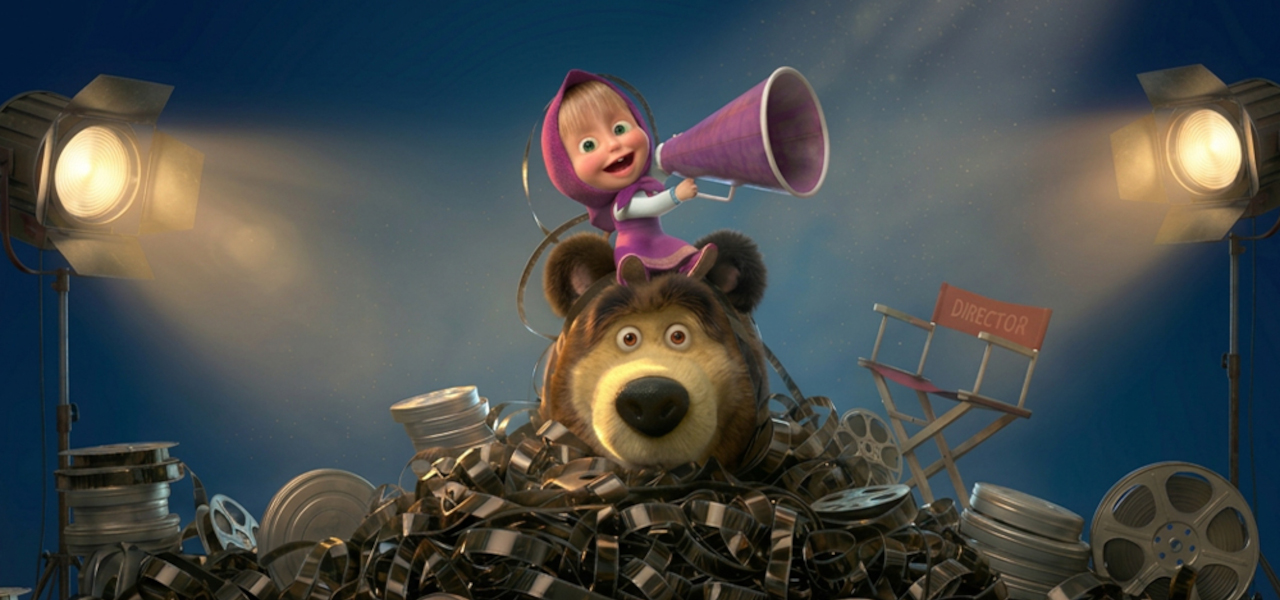
Data from the streaming era confirms that Masha and the Bear is not merely a niche success but a primary driver of children’s media engagement. When Netflix began releasing its granular viewing data, the series frequently appeared in the "Top 10" lists for kid-centric content. Its ability to maintain high engagement rates across repeated viewings—a hallmark of children’s programming—has made it a "sticky" asset for platforms looking to retain younger demographics.
The "handcrafted CG aesthetic" mentioned by Studio MiM refers to the high-end, cinematic lighting and rendering techniques that the series pioneered for television animation. By maintaining this visual quality in a theatrical feature, Studio MiM is positioning itself to compete with major studio players like DreamWorks or Illumination, albeit with a smaller, more focused team.
Official Responses and Creative Vision
In an official statement released shortly after the announcement, Oleg Kuzovkov expressed a mix of nostalgia and ambition regarding the project.
"I’m truly touched by this opportunity to expand the world of Masha and the Bear to its first long-form feature," Kuzovkov stated. "It’s an exciting creative challenge—one that I wholeheartedly embrace. My wonderfully creative and excited team is equally energized and eager to bring it to life with the same spirit, humor, and heart that made the old series so beloved."
The industry reception has been one of cautious optimism. Animation critics note that the transition from a short-form episodic format to a 90-minute narrative is a significant hurdle. However, given that Kuzovkov has retained his core creative team, there is a high degree of confidence that the "soul" of the series will remain intact. The studio has emphasized that while the project will "move away from the previous television incarnation," it will strictly adhere to the character-driven comedy that serves as the franchise’s bedrock.
The Implications: What This Means for the Industry
The departure of a creator from a corporate-managed entity to reclaim an independent, high-value IP is a trend that resonates across the broader entertainment industry. This move highlights several key implications for the future of animation:
1. The Rise of the "Creator-Owned" Feature
As digital platforms continue to commodify content, creators are increasingly looking to regain control of their IP once initial licensing terms expire. Kuzovkov’s move serves as a blueprint for other creators of massive digital properties who wish to retain creative autonomy over the long-term evolution of their characters.
.png)
2. The Evolution of CG Production
Studio MiM’s commitment to a "handcrafted" aesthetic in an era of AI-generated content and mass-produced digital assets is a strategic differentiator. By doubling down on the specific, high-fidelity CG style that fans have come to expect, the studio is effectively branding the film as a "premium" product, likely targeting both the theatrical market and premium VOD streaming platforms.
3. Market Saturation and Brand Loyalty
The children’s media landscape is currently saturated with "evergreen" content. Masha and the Bear has a distinct advantage: a massive, pre-existing global fanbase. Because the brand is already a household name in over 100 countries, the marketing challenge for the upcoming film is significantly lower than for an original IP. The primary challenge will be convincing an audience accustomed to free, short-form YouTube content to engage with a feature-length, cinematic experience.
4. Future Licensing and Distribution
The expiration of the Animaccord deal creates a vacuum in the licensing and merchandising space. It is widely expected that Studio MiM will look for new, high-tier partners for global distribution, potentially triggering a bidding war among major streaming services that have seen the high engagement numbers the franchise commands.
Conclusion: A New Chapter
As the animation industry watches closely, the 2028 release date for the Masha and the Bear feature film looms as a potential watershed moment. By returning to the source, Oleg Kuzovkov is attempting to prove that a property built on digital spontaneity can evolve into a robust, cinematic narrative without losing the charm that garnered billions of views.
For the legions of fans who grew up watching the mischievous girl and her long-suffering ursine companion, the prospect of a full-length adventure is a welcome development. For the business of animation, it is a fascinating case study in how a creator can navigate the transition from digital influencer to feature-film auteur. Whether this new project can capture the same lightning in a bottle that the series did nearly two decades ago remains to be seen, but the intent—and the foundation—are undeniably strong.

 Nana Wu
 Muslim