

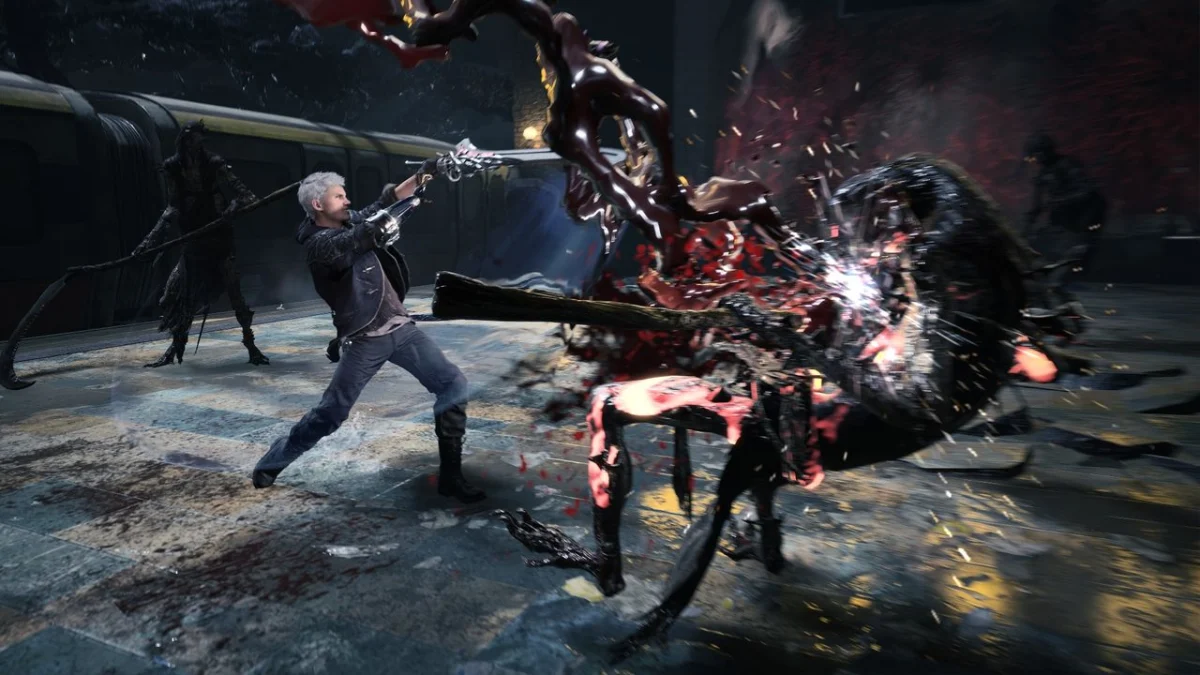
In the competitive landscape of modern gaming, few publishers possess a library as storied as Capcom. From the gritty, gothic halls of Devil May Cry to the precise, colorful platforming of Mega Man, the Japanese giant holds the keys to some of the industry’s most beloved intellectual properties (IP). However, for years, many of these franchises have remained in a state of extended hiatus. That is now changing. In a decisive strategic pivot, Capcom has confirmed its intention to elevate several of its dormant franchises to "core" status, placing them on equal footing with industry titans like Resident Evil, Street Fighter, and Monster Hunter.
The Strategic Shift: A New Core Philosophy
Capcom’s approach to its portfolio has evolved significantly over the last decade. Following the massive, sustained success of the Resident Evil engine and the global dominance of Monster Hunter, the company has found a rhythm of consistent, high-quality output. Now, with a robust financial foundation, the publisher is looking to diversify its offerings by re-investing in the "hidden gems" of its back catalog.
During recent corporate briefings, Capcom COO Haruhiro Tsujimoto explicitly outlined a roadmap for the future. The company is no longer content with these legacy series existing merely as niche fan favorites or occasional digital storefront re-releases. Instead, they are being earmarked for significant development resources. The goal is to transform long-dormant series—specifically Devil May Cry, Mega Man, and Ace Attorney—into the pillars that sustain the company’s revenue streams for the next decade.
A Chronology of Stagnation and Resurgence
To understand the weight of this announcement, one must look at the timeline of these franchises.
- The Mega Man Drought: The Blue Bomber has had a tumultuous history. Following the cancellation of Mega Man Legends 3 in 2011, the series largely disappeared from the spotlight, save for the Mega Man Legacy Collection and the eventual release of Mega Man 11 in 2018. While Mega Man 11 was a critical and commercial success, it was a singular project rather than a signal of a long-term franchise plan.
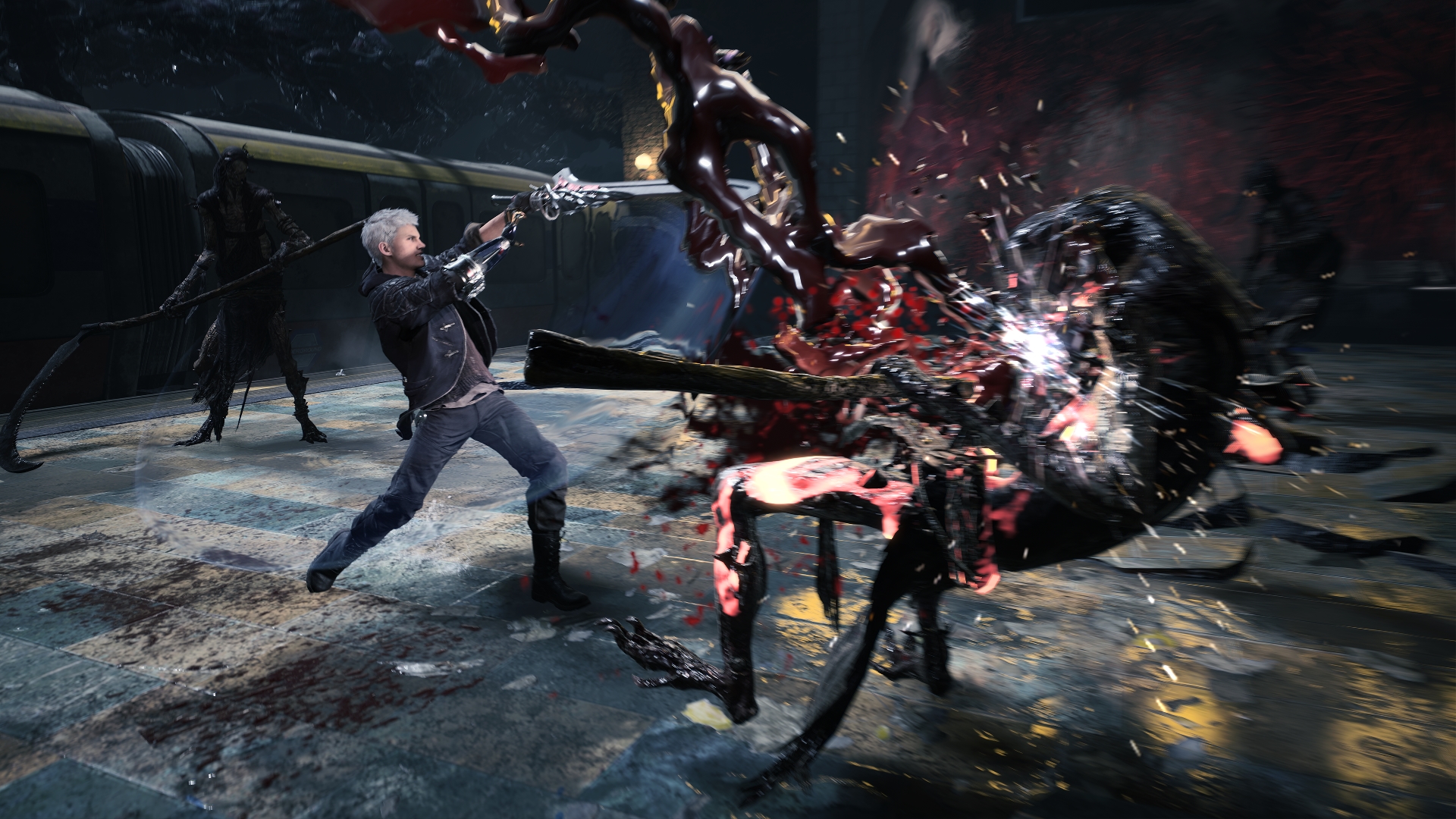
- Devil May Cry’s "Lingering" Period: After the polarizing DmC: Devil May Cry (2013), the main series went quiet for years. It was not until 2019 that Devil May Cry 5 brought the franchise back to its peak. However, following the departure of lead director Hideaki Itsuno in 2024, the series entered a state of uncertainty, leading to speculation that it might be shelved once more. This new directive from Capcom acts as a direct rebuttal to those fears.
- Ace Attorney’s Steady Growth: Unlike its action-oriented counterparts, the Ace Attorney series has seen a quiet, persistent evolution. From the Great Ace Attorney Chronicles to the recent Apollo Justice: Ace Attorney Trilogy port, the franchise has cultivated a loyal, global fanbase, proving that the legal-drama genre has significant legs in the modern market.
Supporting Data: Why Now?
Capcom’s pivot is not merely a nostalgia-driven decision; it is a data-backed strategy. The company has observed a clear trend in the gaming industry: "Evergreen" titles—games that sell consistently over many years—are the key to long-term profitability.
According to financial reports, Capcom’s digital sales have reached record highs. The ability to leverage existing brand recognition significantly lowers the marketing "barrier to entry." When a player sees the name Devil May Cry, they don’t need an explanation of the gameplay loop; they are already invested.
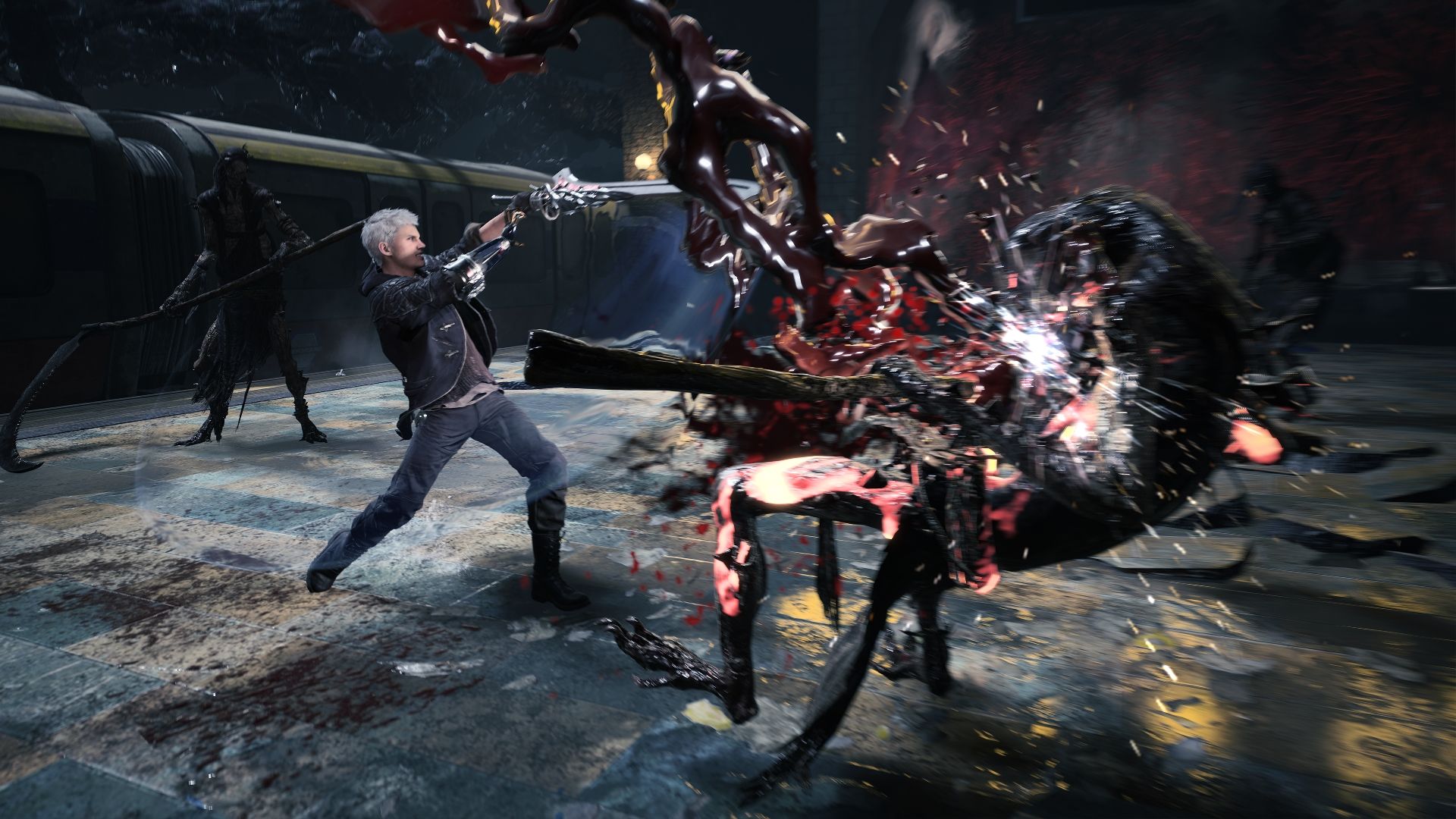
Furthermore, cross-media synergy is playing a massive role. The success of the Devil May Cry animated series on Netflix has served as a powerful proof-of-concept. It introduced the IP to a new generation of viewers who may have never touched a controller, effectively expanding the addressable market for a potential Devil May Cry 6 or a spin-off title. By integrating these IPs into a multimedia strategy, Capcom is effectively creating a "funnel" that leads back to their primary product: the games.
Official Responses and Corporate Intent
Capcom’s leadership has been transparent about the need for this shift. In previous investor Q&A sessions, Haruhiro Tsujimoto emphasized that the company’s growth is predicated on its ability to manage its "brand assets."
"We have a vast library of IP that has not been utilized to its full potential," a spokesperson noted in a recent corporate disclosure. "Our goal is to ensure that every major franchise under the Capcom umbrella receives the attention and development budget required to maintain its status as a top-tier product."
This is a stark contrast to the company’s stance a decade ago, which focused heavily on "rebooting" Western-developed versions of their classic games. Today, the focus is on "revitalization"—respecting the core identity of these titles while updating them with the latest graphical engines and modern quality-of-life features.
Implications for the Gaming Landscape
What does this mean for the future of the industry and for gamers?
1. The Death of the "One-Off" Sequel
For years, fans have been accustomed to the "one-and-done" approach, where a sequel is released to celebrate an anniversary, only for the series to return to the freezer. Capcom’s new mandate suggests that if a game is released, it is intended to be the start of a recurring cycle, likely supported by post-launch content, seasonal updates, or smaller, high-frequency releases.
2. The Rise of Mid-Tier Prestige
By pushing these titles into the "core" category, Capcom is essentially creating a bridge between indie games and massive AAA blockbusters. Ace Attorney and Mega Man do not require the same astronomical budgets as an open-world Resident Evil, yet they offer massive brand prestige. This allows Capcom to manage risk more effectively while keeping their development pipeline full.
3. Talent Retention and Culture
The departure of creative leads like Hideaki Itsuno is often a turning point for companies. However, by formalizing the importance of these IPs, Capcom is signaling to their internal development teams that these projects are high-priority. This helps in talent retention, as developers want to work on projects that have a clear, long-term future within the organization.
Conclusion: A Future Built on Legacy
As Capcom looks toward the next generation of hardware and beyond, its strategy is clear: it will no longer rely on a handful of franchises to carry the weight of the entire company. By breathing new life into the legends of the past—Devil May Cry, Mega Man, and Ace Attorney—Capcom is insulating itself against the volatility of the market.
For the players, this represents a golden age of sorts. The anxiety surrounding the "death" of a favorite series is being replaced by the promise of a consistent pipeline. Whether it is the frantic, high-octane combat of a demon hunter or the cerebral, satisfying courtroom battles of a defense attorney, the future of these classic IPs is looking brighter than it has in decades. Capcom has realized that its greatest strength isn’t just in making new games; it is in remembering why the old ones were so important in the first place.











No comments yet. Be the first to join the conversation!