Reynand Wu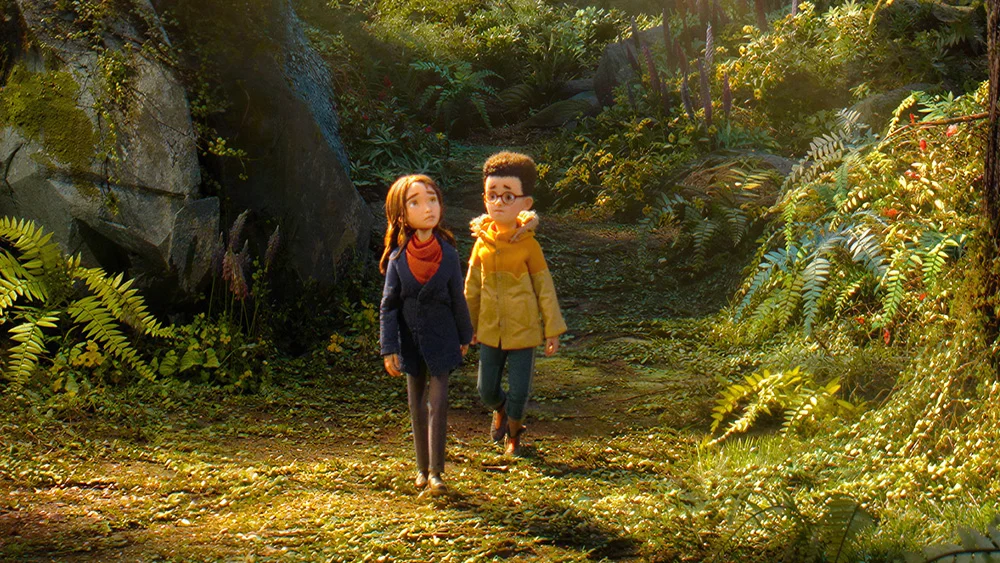
After a five-year hiatus from the big screen, the animation maestros at Laika—the studio synonymous with pushing the boundaries of stop-motion artistry—have officially broken their silence. On Wednesday, the Oregon-based production house released the highly anticipated first trailer for their upcoming feature, Wildwood. Marking the studio’s first theatrical outing since 2019’s Missing Link, the film promises to be a visually arresting return to form for a studio that has become a perennial favorite of the Academy Awards.
Directed and produced by Laika CEO Travis Knight, Wildwood is poised to reclaim the studio’s legacy of dark, atmospheric, and technically peerless storytelling. With a scheduled theatrical release on October 23, the film is being brought to audiences through Fathom Entertainment, signaling a bold distribution strategy for a studio known for its meticulously crafted, high-budget endeavors.
The Narrative: A Rescue Mission Beyond the Hawthorne Bridge
Adapted from the acclaimed fantasy book series by The Decemberists frontman Colin Meloy, Wildwood weaves a tale of urban myth and hidden realms. The story follows Prue McKeel, a headstrong teenager portrayed by Peyton Elizabeth Lee, whose life is upended when a murder of crows abducts her infant brother.
What follows is not a typical suburban drama, but a desperate, high-stakes rescue mission into the "Impassable Wilderness"—an enchanted, forbidden forest hidden just beyond the city limits of Portland, Oregon. Travis Knight, who grew up in the Pacific Northwest, has infused the film with a sense of place that feels both personal and mythic. Eagle-eyed fans of the teaser trailer have already spotted a hauntingly beautiful cameo of Portland’s iconic Hawthorne Bridge, perfectly underscored by the cinematic swell of M83’s "My Tears Are Becoming a Sea."
Prue is not alone in this venture. She is joined by her classmate, the hapless but steadfastly loyal Curtis Mehlberg (voiced by Jacob Tremblay). As the duo navigates this secret geography, they encounter a complex society of talking animals, forest bandits, and figures of immense power, all motivated by deep-seated grief and unchecked ambition. As the conflict escalates and threatens the very balance of the enchanted ecosystem, Prue must tap into a well of courage and self-belief that will ultimately redefine her character. It is, at its core, a story of the risks one must take to protect the things—and people—we love.
A Legacy of Excellence: The Laika Chronology
To understand the significance of Wildwood, one must look at the studio’s unbroken streak of critical success. Since its inception, Laika has redefined what is possible in stop-motion animation, moving away from the "clunky" aesthetic of the past toward a fluid, cinematic language that rivals live-action filmmaking.
The studio’s feature film history is a remarkable record of consistent quality:
- 2009: Coraline – The film that established Laika as a major player, garnering an Academy Award nomination and setting a dark, whimsical tone for the studio.
- 2012: ParaNorman – A supernatural comedy that further solidified the studio’s interest in the macabre and the heartfelt.
- 2014: The Boxtrolls – A foray into Victorian-esque steampunk aesthetics that continued their Oscar-nominated streak.
- 2016: Kubo and the Two Strings – A visual masterpiece that leaned heavily into Japanese folklore and sophisticated, innovative animation techniques.
- 2019: Missing Link – A globe-trotting adventure that showcased the studio’s ability to handle scale and character-driven comedy.
Wildwood is expected to follow in these footsteps. Every single one of Laika’s previous five features has received an Oscar nomination for Best Animated Feature, an industry record that highlights the studio’s commitment to "art over assembly-line" production.
The Ensemble: A Titan-Level Voice Cast
The sheer ambition of Wildwood is reflected in its staggering voice cast. Laika has assembled an A-list ensemble that spans generations of acting talent, suggesting a depth of character work rarely seen in animation.
In addition to leads Peyton Elizabeth Lee and Jacob Tremblay, the cast features:
- Academy Award Winners/Nominees: Mahershala Ali, Angela Bassett, Carey Mulligan, and Richard E. Grant.
- Iconic Character Actors: Tom Waits, Charlie Day, Blythe Danner, and Arthur Knight.
- Dynamic Performers: Awkwafina, Amandla Stenberg, Maya Erskine, Jake Johnson, Tantoo Cardinal, Rob Delaney, Jemaine Clement, Marc Evan Jackson, Len Cariou, and Ólafur Darri Ólafsson.
The involvement of such high-caliber talent speaks to the creative draw of Travis Knight’s vision. Chris Butler, the scribe behind Kubo and the Two Strings and Masters of the Universe, has penned the screenplay, ensuring that the dialogue possesses the same sharp, witty, and emotionally resonant qualities that characterized Laika’s previous hits.
Supporting Data and Technical Prowess
Laika’s production process is notoriously labor-intensive. Unlike computer-generated imagery (CGI) studios that can render frames in server farms, Laika relies on the physical manipulation of puppets, intricate sets, and the slow, frame-by-frame adjustment of lighting and movement.
For Wildwood, the studio has reportedly utilized its most advanced proprietary technology to date. This includes 3D-printed facial expressions that number in the tens of thousands, allowing for nuanced, human-like performances that break the "uncanny valley" often associated with stop-motion. The partnership with Fathom Entertainment is also a strategic choice. By leveraging Fathom’s specialty distribution network—which successfully managed the 15th-anniversary re-release of Coraline—Laika is ensuring that Wildwood finds its audience in a theatrical environment that prioritizes the communal experience of cinema.
Implications for the Industry
The release of Wildwood comes at a pivotal time for the animation industry. As major studios pivot increasingly toward mass-market, AI-assisted, or purely digital workflows, Laika stands as a bastion of tactile, "hand-made" filmmaking.
The success of Wildwood will be a litmus test for the viability of high-budget, artisan-crafted stop-motion in the post-pandemic box office. If the film performs well, it reinforces the idea that there is a significant, loyal audience for "prestige animation"—films that are intended for both children and adults, and that offer a visual texture that cannot be replicated by software alone.
Furthermore, by adapting a beloved book series, Laika is clearly looking to build a sustainable intellectual property. If Wildwood succeeds, it is entirely possible that the studio will explore further entries in the series or similar literary adaptations, moving away from the purely original concepts of their first decade and toward a more franchise-focused model—without, presumably, sacrificing the artistic integrity that has defined them.
A New Chapter for Travis Knight
For Travis Knight, Wildwood is more than just a project; it is a homecoming. As the son of Nike co-founder Phil Knight, Travis could have pursued any path, but he chose the grueling, slow-moving world of stop-motion. His directorial voice—often focused on themes of family, legacy, and the intersection of the mundane with the magical—is perfectly suited to the world of Wildwood.
The teaser trailer’s focus on the Hawthorne Bridge and the Pacific Northwest landscape serves as a reminder that for all their global acclaim, Laika is a local company with a global reach. By grounding the film in the specific geography of Portland, Knight is inviting audiences into a world that feels both deeply familiar and wildly imaginative.
Conclusion: A Date for the Diary
As the industry looks toward October 23, the anticipation for Wildwood is palpable. It represents a rare convergence of high-art animation, an A-list cast, and a story with deep roots in modern literature. For fans of the medium, the return of Laika is not just a commercial event; it is a cultural necessity.
In an age where the "how" of filmmaking is often hidden behind layers of digital polish, Wildwood stands as a testament to the "how" of human effort. It is a film that reminds us why we go to the theater: to be transported, to be challenged, and to witness the impossible, frame by painstaking frame. Whether or not it will secure the studio’s sixth consecutive Oscar nomination remains to be seen, but one thing is certain: the Impassable Wilderness is waiting, and come October, the world will finally get to step inside.

 Siti Muinah
 Lina Hope