
 Iffa Jayyana
On May 13, 2006, the long-running science fiction institution Doctor Who achieved a delicate balancing act that few television franchises ever master: it successfully reinvented one of its most iconic antagonists without erasing the legacy of its past. With the airing of "Rise of the Cybermen," showrunner Russell T Davies introduced the modern audience to the Cybermen—a race of cold, emotionless cyborgs that had been a staple of the series since the William Hartnell era in the 1960s.
However, this was not a simple re-introduction. It was a strategic, narrative-driven overhaul that utilized the concept of the multiverse to update the Cybermen for a new generation while simultaneously deepening the psychological horror inherent in their design. Twenty years later, the impact of this "hard reboot" remains a masterclass in serialized storytelling.

The Main Facts: A New Origin for a Classic Foe
For decades, the lore of the Cybermen was inextricably linked to the planet Mondas—a "lost" twin to Earth that drifted out of orbit, forcing its inhabitants to replace their failing biological parts with cybernetic enhancements to survive. This origin story provided a grim, cautionary tale about survival at the cost of humanity.
In the 2006 revival, Davies and his team took a bold step. By utilizing a parallel universe setting, they introduced a version of the Cybermen created on an alternate Earth by the billionaire industrialist John Lumic. This version of the Cybermen was not a product of planetary tragedy in a distant solar system, but a consequence of unchecked corporate greed and technological hubris on our own home turf. This shift moved the threat from the abstract "alien" to the terrifyingly plausible "human."

By separating the "Cybus" Cybermen from the original Mondasian lore, the production team avoided the common pitfall of contradicting decades of canon. Instead, they expanded the scope of the Doctor Who universe, establishing that the path to cyber-conversion is a recurring, nightmarish inevitability across the multiverse.
Chronology: From Mondas to the Modern Era
To understand the weight of the 2006 redesign, one must look at the historical trajectory of the Cybermen within the Doctor Who timeline:
- 1966: The Cybermen make their debut in "The Tenth Planet," appearing as primitive, cloth-faced horrors. This story remains the foundational text for the species.
- 1967–1988: Through various serials like "The Tomb of the Cybermen," "The Invasion," and "Earthshock," the design evolved, becoming more robotic and militaristic, eventually cementing their status as the show’s secondary "Big Bad" after the Daleks.
- 1996: A brief, cinematic appearance in the Doctor Who television movie provided a glimpse of the classic design, but the franchise remained dormant until the 2005 revival.
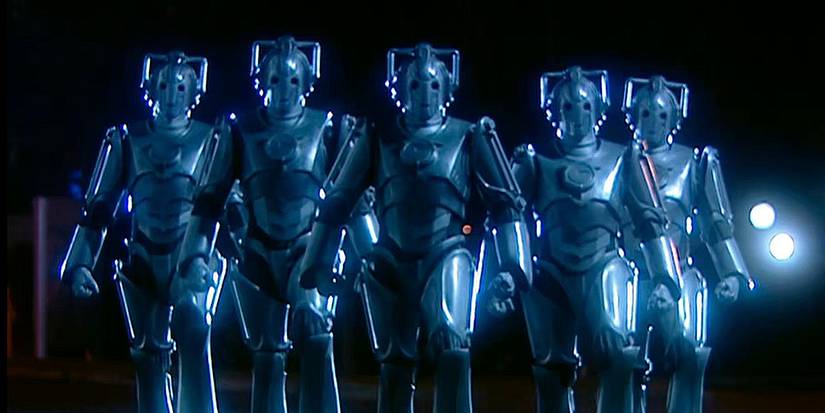
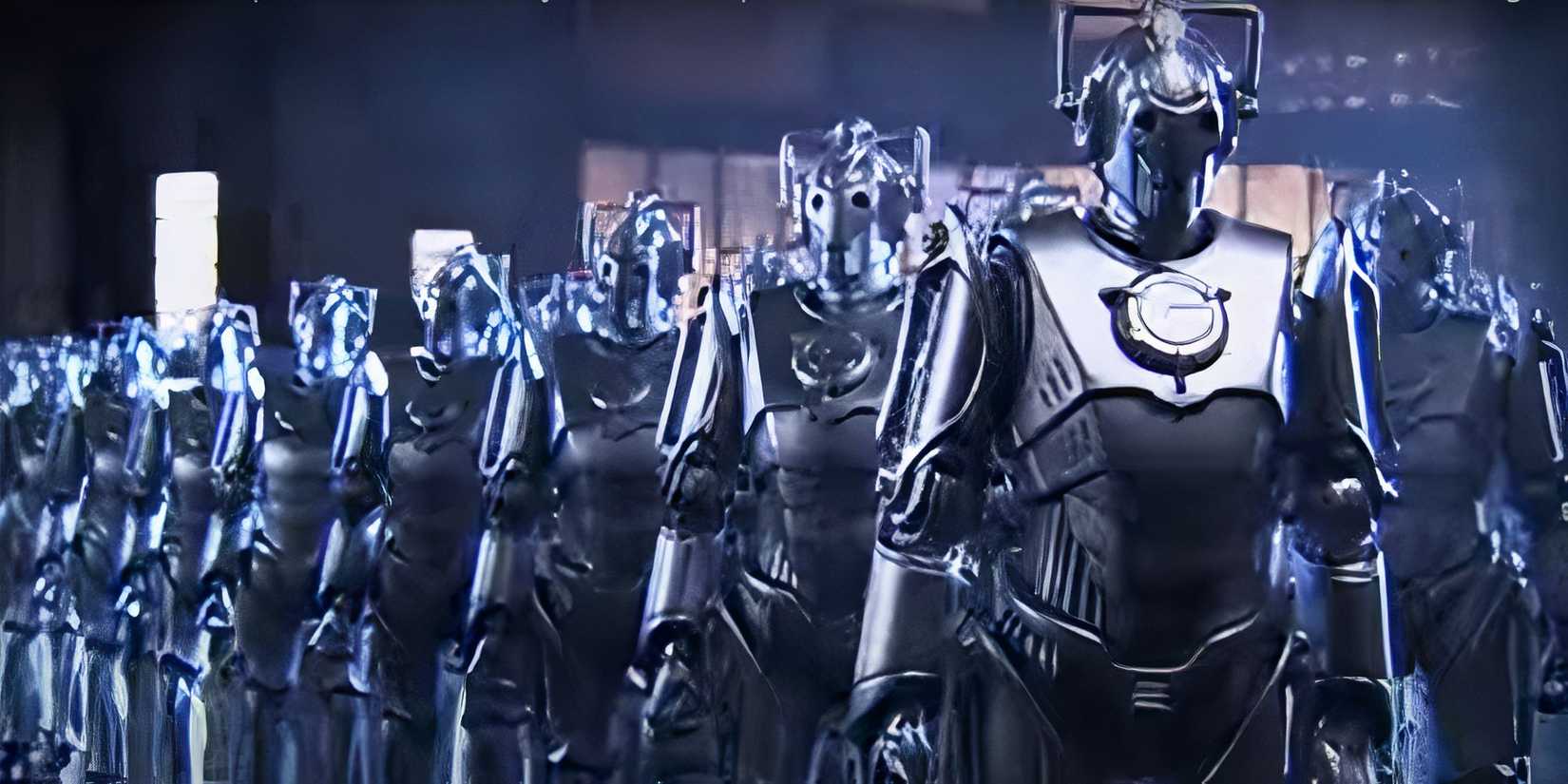
- 2006: The "Rise of the Cybermen" / "The Age of Steel" two-parter resets the clock. The redesign—led by production designer Edward Thomas—introduced the bulky, "steampunk" aesthetic that felt both retro and modern, characterized by the iconic "Cybus Industries" logo.
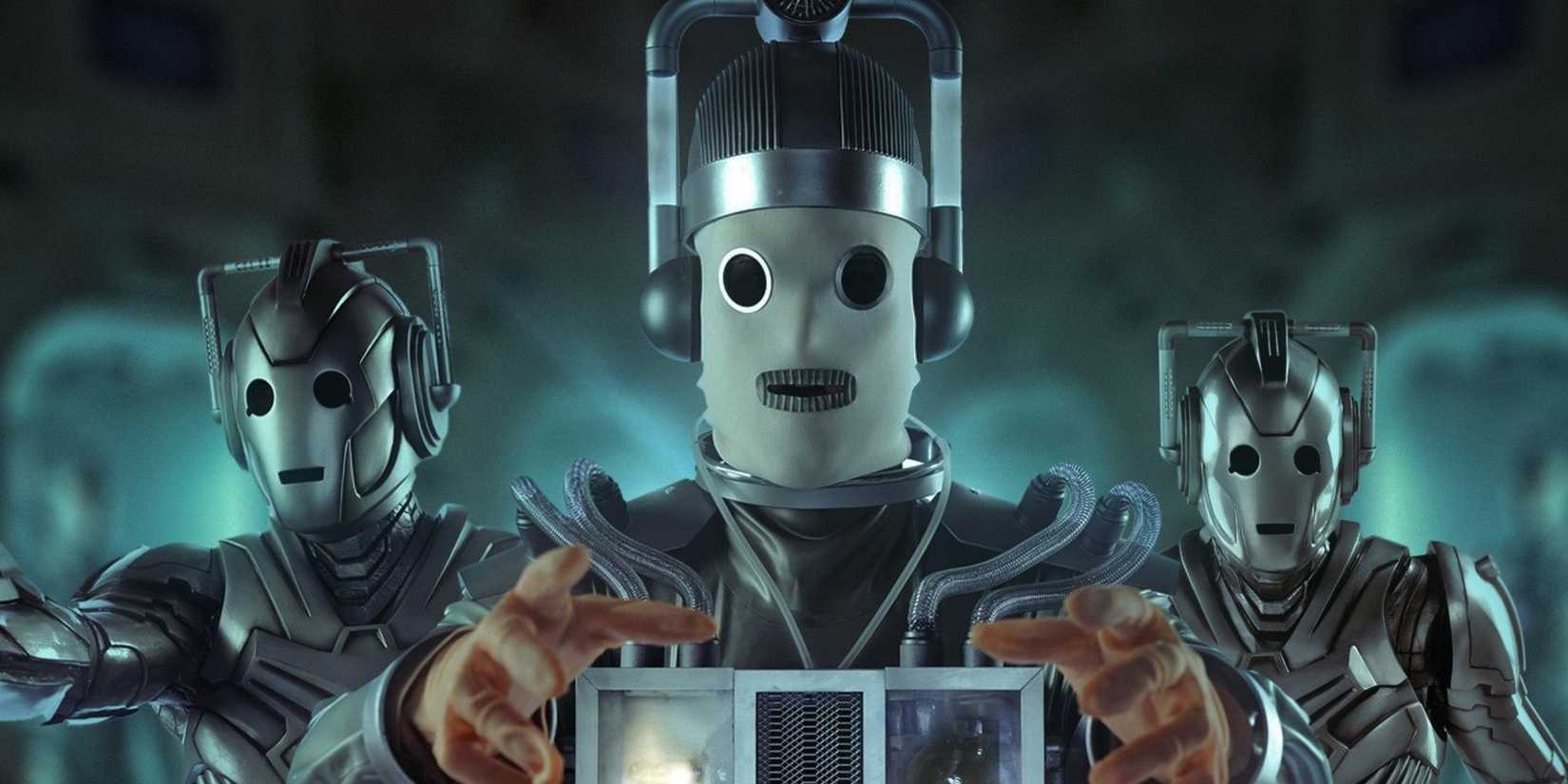
- 2017: Steven Moffat bridges the gap in "World Enough and Time," bringing back the original Mondasian design, effectively acknowledging that both the classic and the "Cybus" versions hold a place in the show’s complex history.
Supporting Data: Why the Reboot Succeeded
The success of the 2006 redesign was not merely visual; it was structural. The narrative arc of "Rise of the Cybermen" was carefully calculated to introduce the threat to viewers who had no prior knowledge of the show’s 40-year history, while providing enough "Easter eggs" for long-term fans.
Critically, the 2006 arc introduced the "inhibitor chip" concept. This device, used to suppress human emotion during the conversion process, became the centerpiece of the horror. When the Tenth Doctor (David Tennant) successfully deactivates these chips in a central processing unit, the resulting scene—where newly converted individuals realize what they have become—is widely considered one of the most harrowing sequences in modern television. It moved the Cybermen away from being "robots with guns" and back to their roots: the visceral, body-horror nightmare of losing one’s soul.
Furthermore, the integration of Mickey Smith’s character arc provided a grounded perspective. As a companion who was often sidelined, seeing Mickey step into a hero role against the Cyber-leader gave the audience a relatable anchor in a story otherwise defined by high-concept science fiction.
Official Responses and Critical Reception
At the time of its release, the reboot was met with cautious optimism. Critics praised the high production value—which was significantly higher than anything seen in the classic series—and the performances of David Tennant and Billie Piper.
"The Age of Steel" is frequently cited in critical retrospectives as the episode that proved the new Doctor Who could handle "heavy" sci-fi. It wasn’t just an adventure; it was a socio-political commentary on the dangers of transhumanism and the dehumanizing nature of industrial capitalism. While some purists initially balked at the loss of the "Mondas" origin, the consensus shifted as the show demonstrated that the new Cybermen were not a replacement, but an expansion of the franchise’s mythology.
Implications for the Future of the Franchise
The implications of the 2006 reboot cannot be overstated. By successfully updating the Cybermen, the production team created a blueprint for how to handle legacy villains. This "multiverse-based update" strategy was later used for other iconic monsters, allowing the show to refresh its roster without alienating its core demographic.

Furthermore, the 2006 arc set the tone for the "darker" era of the Tenth Doctor’s tenure. The emotional toll of the ending—where Rose Tyler and Mickey Smith are effectively separated from their original reality—mirrored the cold, clinical nature of the Cybermen themselves. It proved that in the world of Doctor Who, the most advanced technology often comes with the highest human cost.
A Legacy of Steel
Looking back from 2026, the 2006 Cyberman arc stands as a testament to the versatility of Doctor Who. It taught us that the Cybermen aren’t just metallic suits; they are a warning about the fragility of human empathy. Whether they hail from the frozen wastes of Mondas or the sterile factories of a parallel London, the Cybermen remain a chilling reflection of our own potential for self-destruction.

The writers of the 2006 era understood that to keep a character relevant for decades, you must honor the core of what makes them terrifying while allowing the aesthetic and the context to evolve. By doing so, they ensured that the Cybermen would not just remain "furniture" in the background of the TARDIS, but would continue to be a primary threat that challenges the Doctor’s morality, intelligence, and humanity for years to come.
As the franchise continues to evolve, the lessons of "The Age of Steel" remain relevant: history may be rewritten, updated, or even deleted, but the best monsters are those that force us to look in the mirror and ask: How much of ourselves are we willing to trade for the promise of perfection? That is the enduring question posed by the Cybermen, a question that remains as hauntingly relevant today as it was when the metal boots first marched across our screens in 1966, and again in their triumphant, terrifying return in 2006.


 Pevita Pearce
 Asep Darmawan




