Jia Lissa
In the years following the COVID-19 pandemic, the global business landscape underwent a seismic shift. Companies that had historically maintained a policy of neutrality were suddenly thrust into the spotlight, pressured by consumers, employees, and stakeholders to take definitive stands on socially and politically charged issues. From racial justice movements to natural disasters, silence was increasingly interpreted as complicity.
However, the rapid transition from "staying out of it" to becoming central players in social media activism created a new set of challenges. As brands rushed to post on every major milestone, a wave of cynicism began to wash over the marketplace. Consumers began to view this sudden surge of activism as performative—a calculated attempt to boost engagement or sell products under the guise of morality. Fearing backlash and the "cancel culture" phenomenon, many corporations abruptly retreated into silence.
Today, the pendulum is swinging once again. According to Sprout Social’s Q1 2026 Pulse Survey, 67% of social media users now believe brands should respond to political and social issues at least some of the time. We are entering a "Brand Activism Renaissance," where the demand for corporate participation is rising, but the tolerance for superficiality is at an all-time low.
The Chronology of Corporate Stance-Taking
The trajectory of brand activism over the last decade has been defined by rapid, often reactive cycles.
- Pre-2020: The Era of Neutrality. For many organizations, the traditional marketing playbook advised avoiding controversial topics to minimize the risk of alienating any segment of the customer base.
- 2020–2022: The Reactive Surge. Following the social reckonings of 2020 and the global upheaval of the pandemic, brands pivoted to "purpose-driven marketing." This period saw a flurry of statements, logo color-changes, and social media campaigns aimed at showing solidarity.
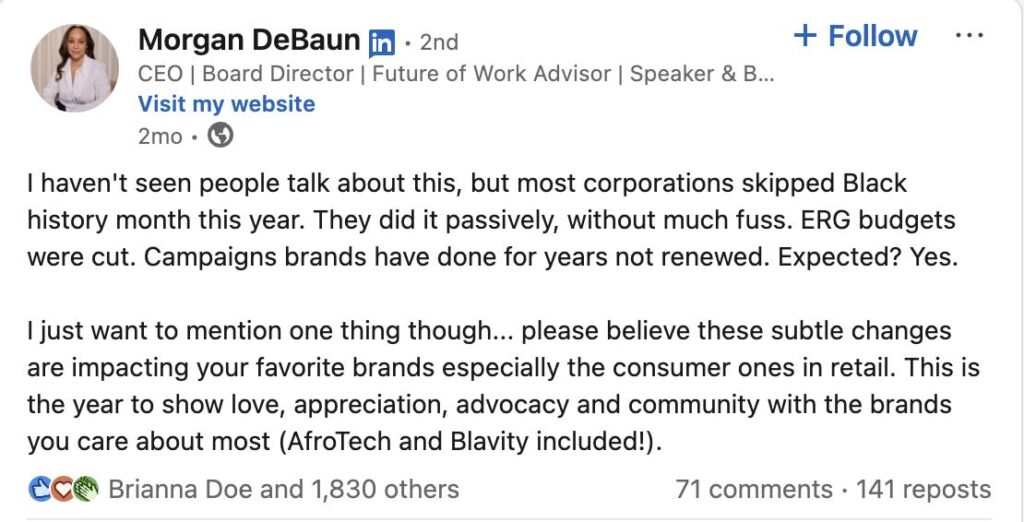
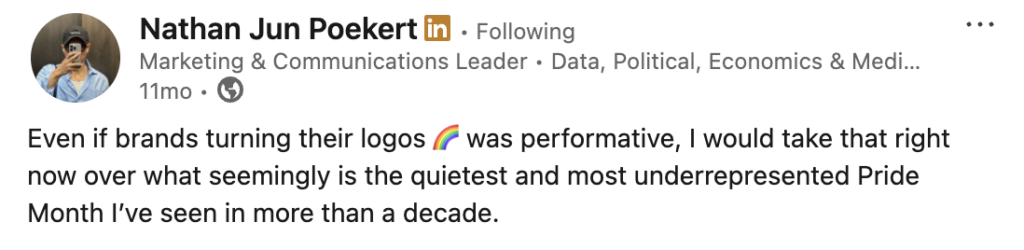
- 2023–2025: The Great Silence. As the public grew weary of "corporate-speak" and performative solidarity, a backlash ensued. Many brands, fearful of being called out for hypocrisy, went "dark" on social issues, leading to public criticism from advocates who noticed the disappearance of commemorations for events like Black History Month and Pride.
- 2026–Present: The Era of Intentionality. We are currently in a phase where consumers demand action, but only if that action is authentic, deeply rooted in the brand’s identity, and consistent with their long-term business practices.
Supporting Data: What Do Consumers Actually Want?
The data reveals that the "one-size-fits-all" approach to activism is obsolete. Consumers are becoming increasingly sophisticated in their expectations.
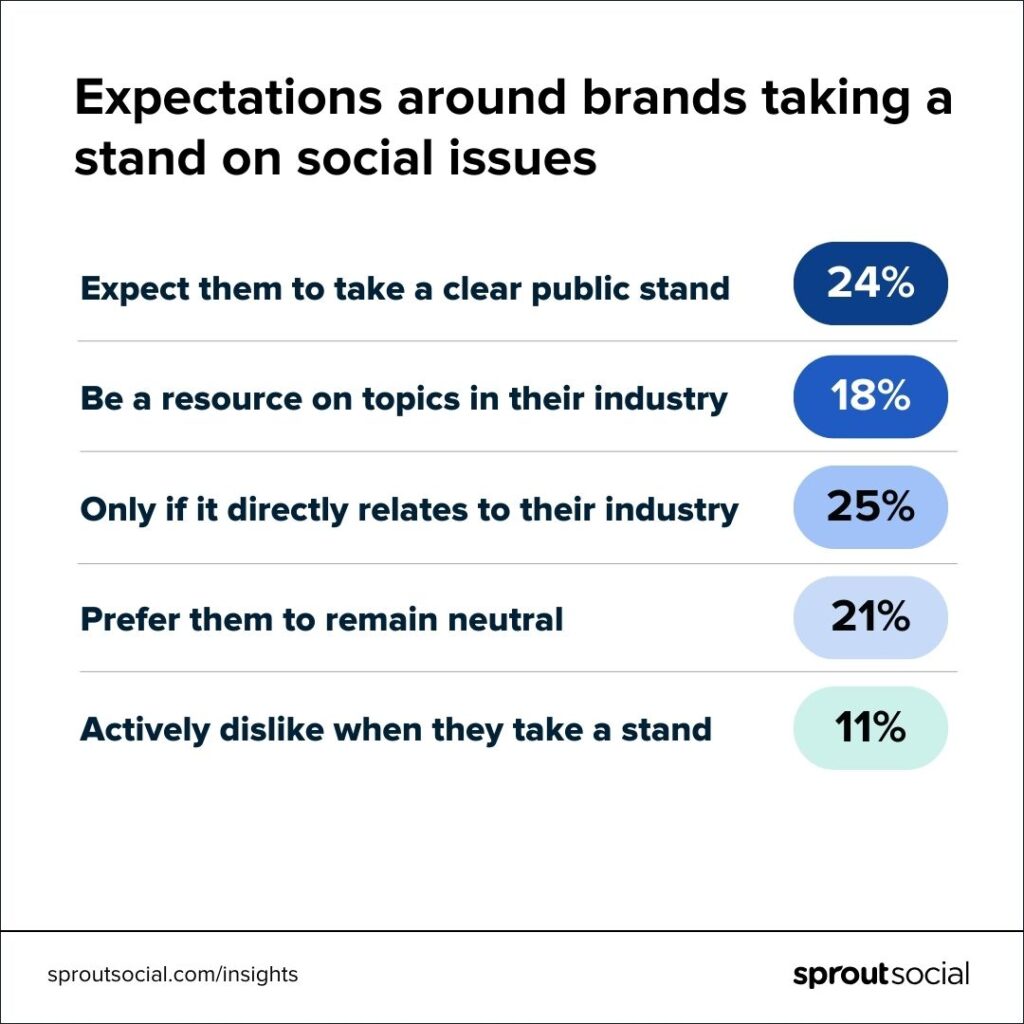
According to the #BrandsGetReal report, 70% of consumers in 2019 believed it was important for brands to take a stand. By 2026, that sentiment has evolved into a more nuanced set of requirements. Only 24% of consumers currently feel brands should take a clear, public stand on every major social issue.
Instead, the modern consumer is segmenting their expectations based on industry and expertise:
- 18% of consumers expect brands to be a resource on topics that fall within their specific vertical.
- 25% believe brands should only speak out if an issue directly relates to their business operations.
- 21% prefer that brands remain completely neutral.
- 11% express an active dislike for corporate activism in any form.
These figures vary significantly by demographic. Gen Z continues to lead the charge, with a significantly higher percentage of younger buyers reporting that a brand’s values directly influence their purchasing decisions. Furthermore, political affiliation remains a major driver; self-identified liberals are consistently more likely to support brands that voice their stances than conservatives.
Influencer Activism: A Parallel Shift
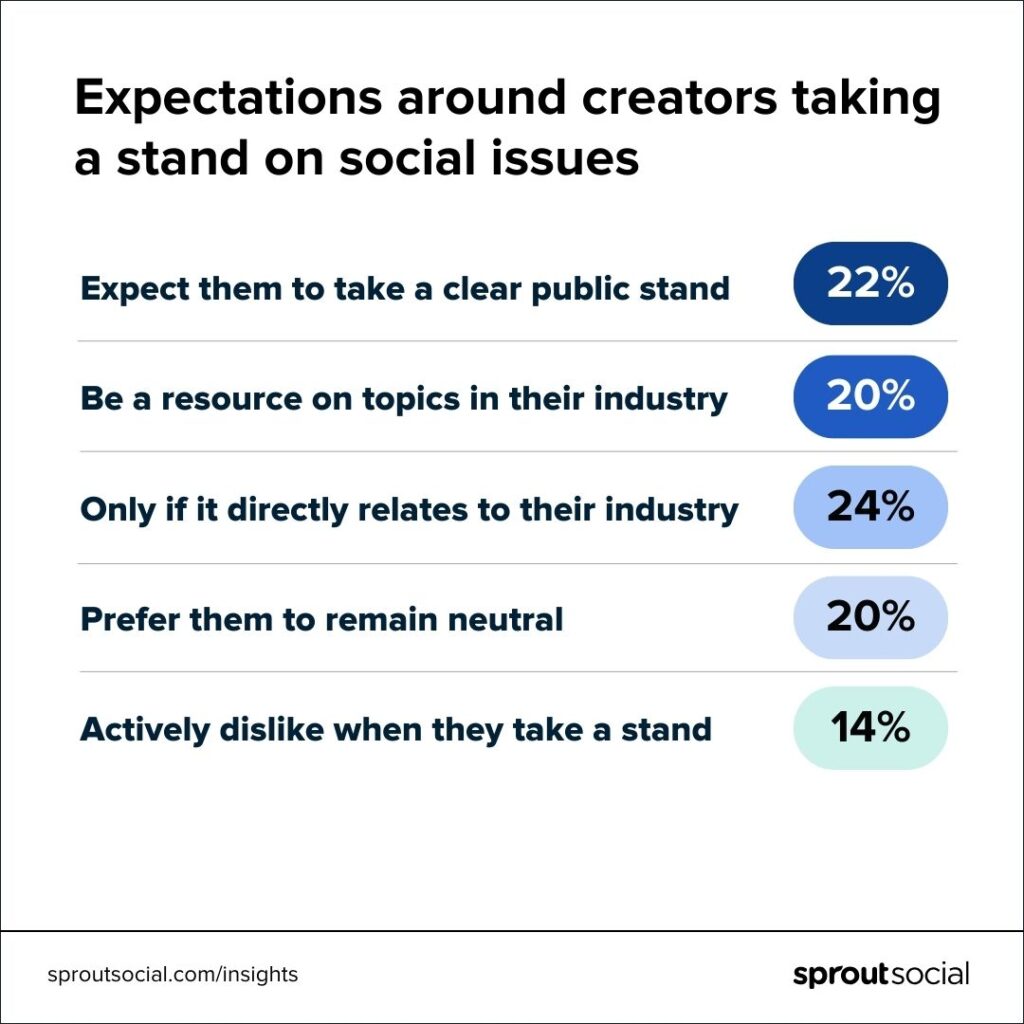
The expectations placed on influencers have mirrored the changes seen in corporate branding. While a 2024 survey showed that 87% of consumers wanted influencers to speak out on causes, the 2026 data reflects a desire for more focus. Only 22% of consumers now want influencers to share their perspectives on every issue, while 20% explicitly prefer that creators keep political opinions off their platforms entirely. This suggests that followers value influencers as experts in their respective niches rather than as generalist political pundits.
Official Perspectives: The Risk of the "Statement"
The current consensus among management consultants and CMOs is clear: unless you are prepared to back your words with sustained action, silence is often the safer and more ethical route.
Nathan Jun Poekert, a prominent CMO advisor, warns that the impulse to "weigh in" can be detrimental. "Unless you can directly address the source of the problem, it doesn’t benefit your brand to put out a statement," he notes. "You are far more likely to cause damage by getting politically involved. If you alienate or agitate your audience, you’re more likely to lose them for a very long time."
Poekert’s advice centers on the idea of the "social media takedown." Brands that insert themselves into volatile conversations without a plan or an authentic connection to the issue are prime targets for intense, public criticism.

A Framework for Deciding When to Take a Stand
To navigate this landscape, companies should utilize a strategic framework rather than reacting to news cycles. Before a brand considers releasing a statement, they should answer three critical questions:
1. Does this directly impact our community or industry?
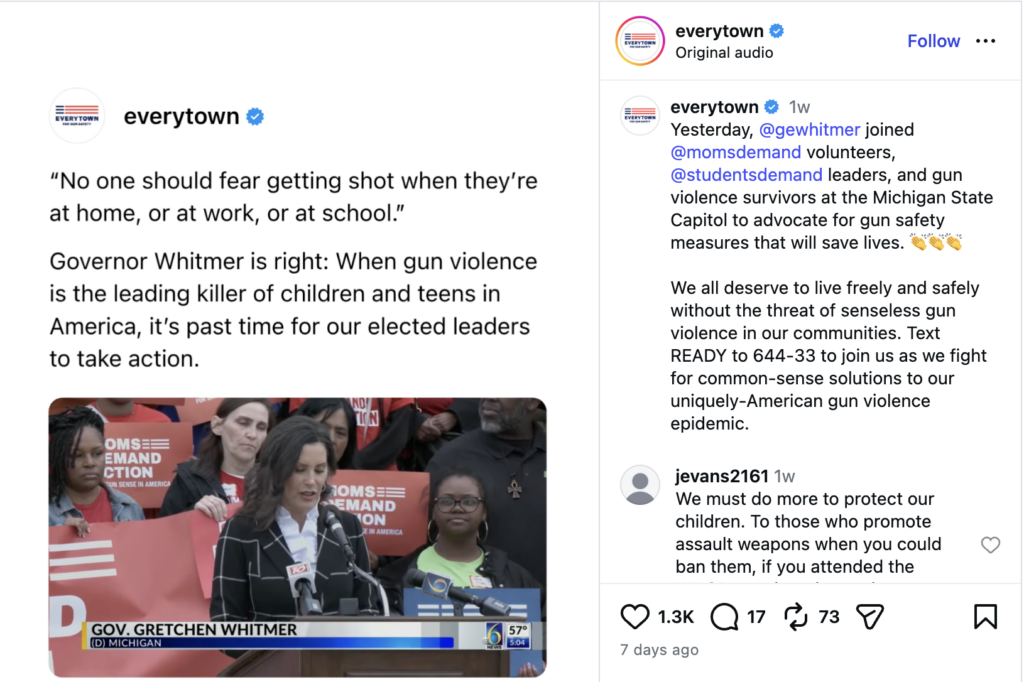
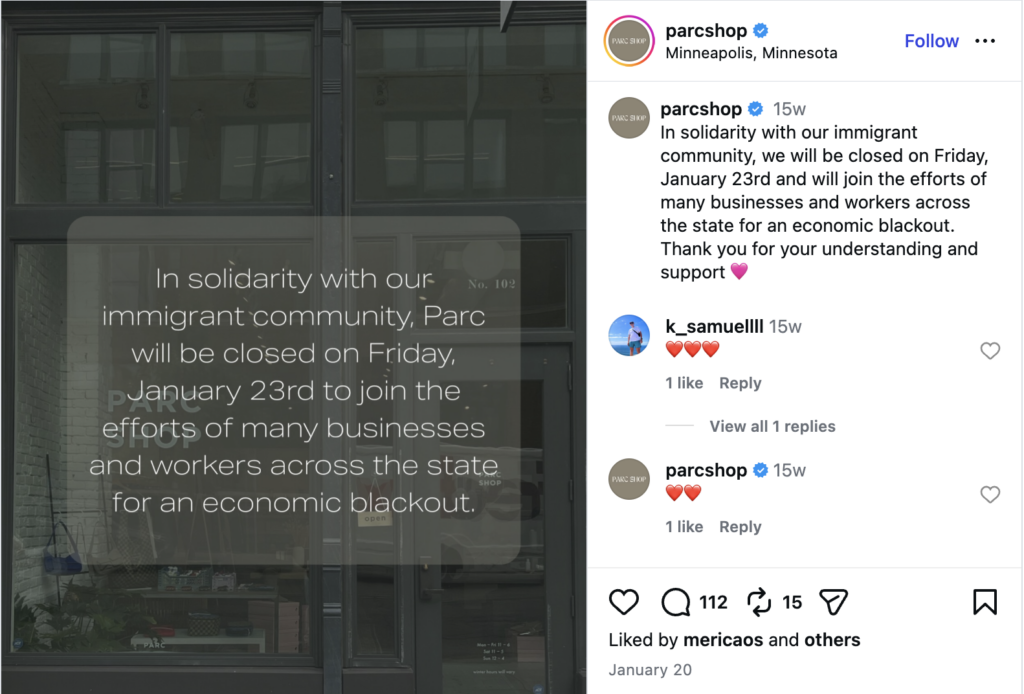
If a piece of legislation or a social event directly impacts your employees, your supply chain, or your customers’ ability to use your product, it falls within your "sphere of influence." For example, non-profits, healthcare companies, and environmental organizations have a mission-aligned mandate to speak on issues that threaten their core operations.
2. Is our action supported by social intelligence?
Brands must move beyond guesswork. Utilizing social intelligence tools allows companies to analyze sentiment, identify trends, and understand whether their audience is actually asking for a statement or if the company is merely projecting its own internal concerns onto the public.
3. Can we support people rather than parties?
"You always want to approach it as supporting people—your customers, employees, communities," Poekert advises. "Don’t support a specific political party or entity; support people." By focusing on human impact rather than partisan talking points, brands can minimize the risk of polarization.
Implications: Learning from the Leaders
Three companies currently serve as the gold standard for how to integrate activism into a business model without appearing performative.
Patagonia: Mission-Driven Consistency
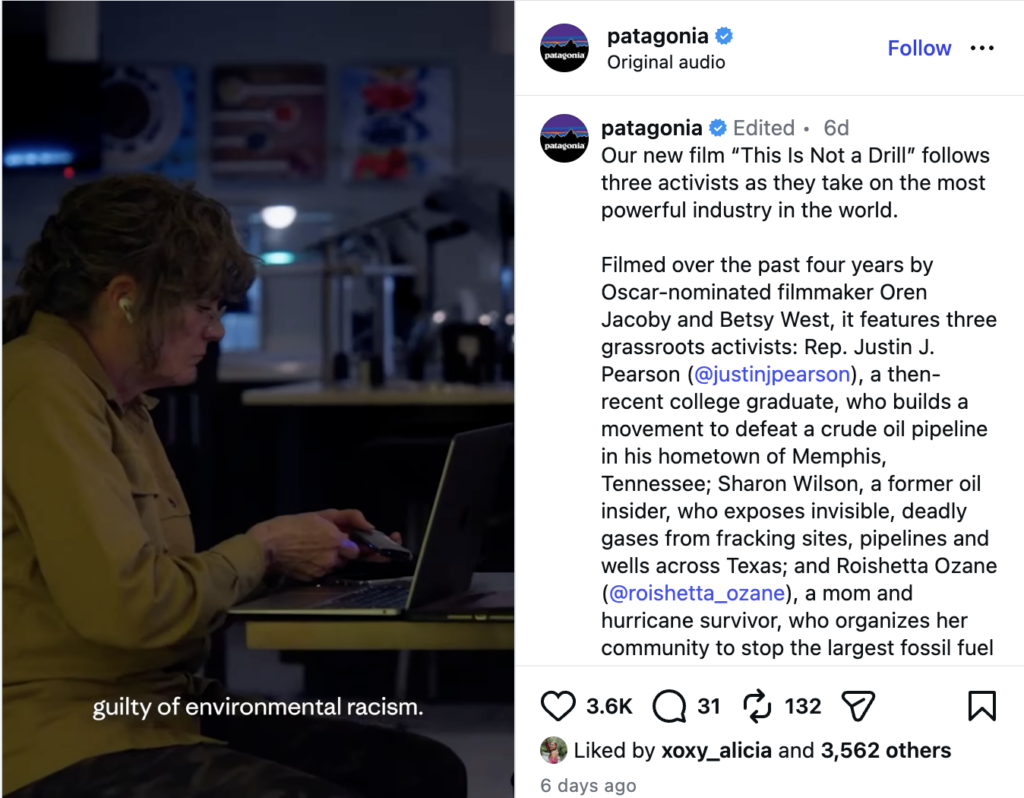
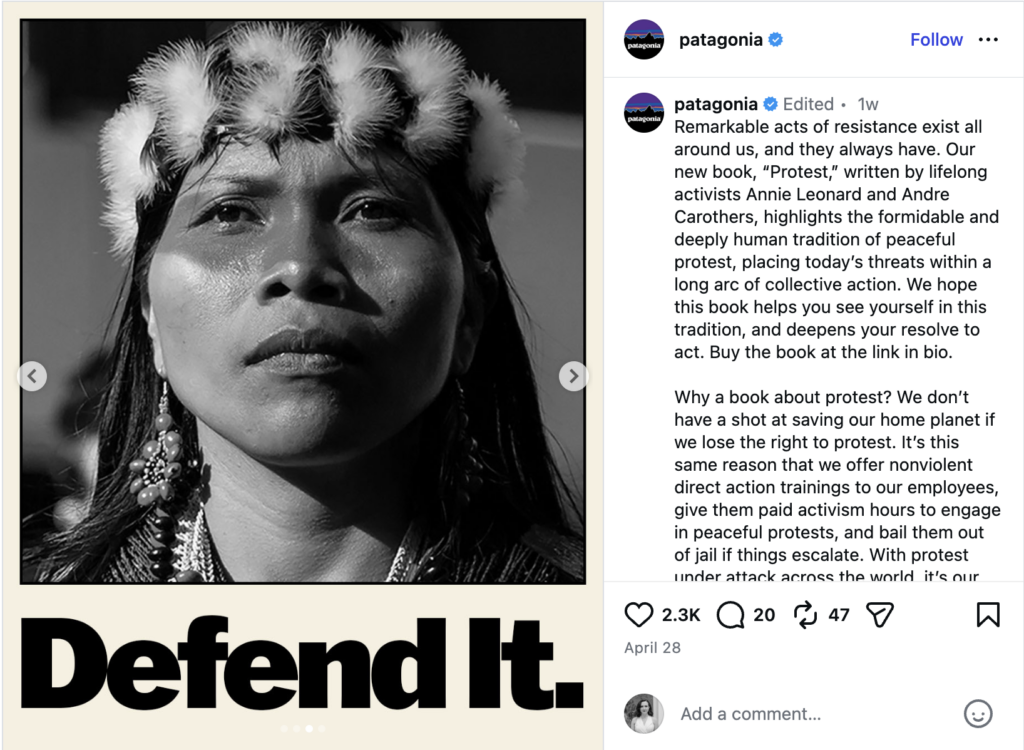
Patagonia has cultivated a reputation as the most respected brand in the U.S. by refusing to treat their environmental activism as a marketing campaign. For Patagonia, environmental protection is their business model. They don’t just post on social media; they fund grassroots environmental groups, lobby for policy changes, and educate consumers on conscious consumption. Their digital content is an extension of their long-term commitment, not an attempt to chase short-term engagement.
Dove: The Power of Long-Term Commitment
The "Real Beauty" campaign is a masterclass in staying the course. Launched over two decades ago, Dove has never deviated from its message of inclusivity. By consistently building on this foundation—now incorporating a stance against the use of AI to create unrealistic beauty standards—Dove has turned a campaign into a cultural institution. They have backed their messaging with years of curriculum development, educational resources, and global policy advocacy.
The Innocence Project: Leveraging Influence for Change
The Innocence Project demonstrates how an organization can use social media as a genuine engine for advocacy. By using their platform to mobilize followers to contact lawmakers and support exonerations for the wrongfully incarcerated, they provide their audience with a tangible way to participate in their mission. Their success lies in the fact that their activism is not an add-on; it is the fundamental purpose of their existence.
Conclusion: The Path Forward
The era of performative, check-the-box corporate activism is over. Today’s consumers are looking for brands that possess the courage to be intentional. While the risk of backlash remains, the reward for authentic, mission-aligned, and human-centric action is profound: the creation of a deeply loyal community.
Brands that wish to survive this renaissance must move away from the temptation of the viral post and toward the harder, more rewarding work of long-term, systemic engagement. By centering their values, listening to their audience through data, and focusing on direct impact, companies can ensure that when they do choose to speak, their message carries the weight of true, earned authority.


 Ammar Sabilarrohman
 Siti Muinah