Raul Delapena Setiawan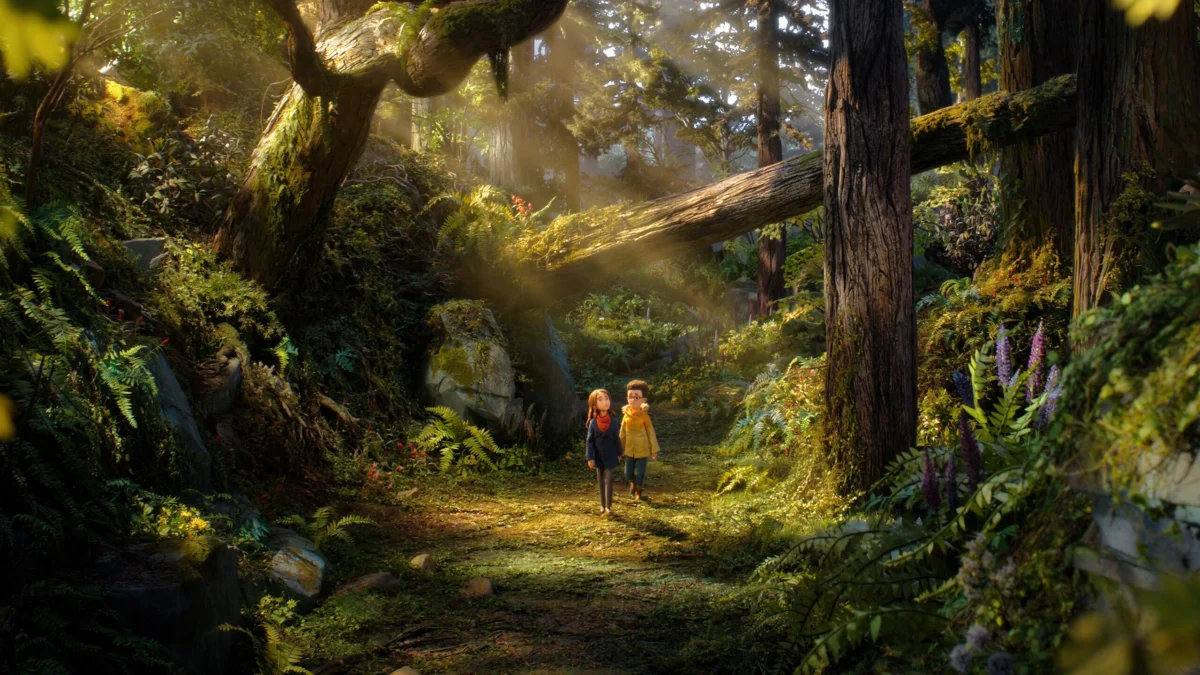
PORTLAND, OR – May 13, 2026 – The renowned stop-motion animation powerhouse, Laika, has once again captivated audiences with the release of the first teaser trailer for its highly anticipated feature film, Wildwood. Scheduled for an October 23, 2026 release, the trailer offers a mesmerizing glimpse into a world that promises to blend the intricate, handcrafted beauty synonymous with Laika with an expansive, dark fantasy narrative evocative of Studio Ghibli’s Spirited Away and the whimsical gothic charm of The Nightmare Before Christmas. This latest endeavor not only signals Laika’s return after a seven-year hiatus since Missing Link but also marks a significant shift in distribution strategy, opting for an "eventized" theatrical release through Fathom Entertainment.
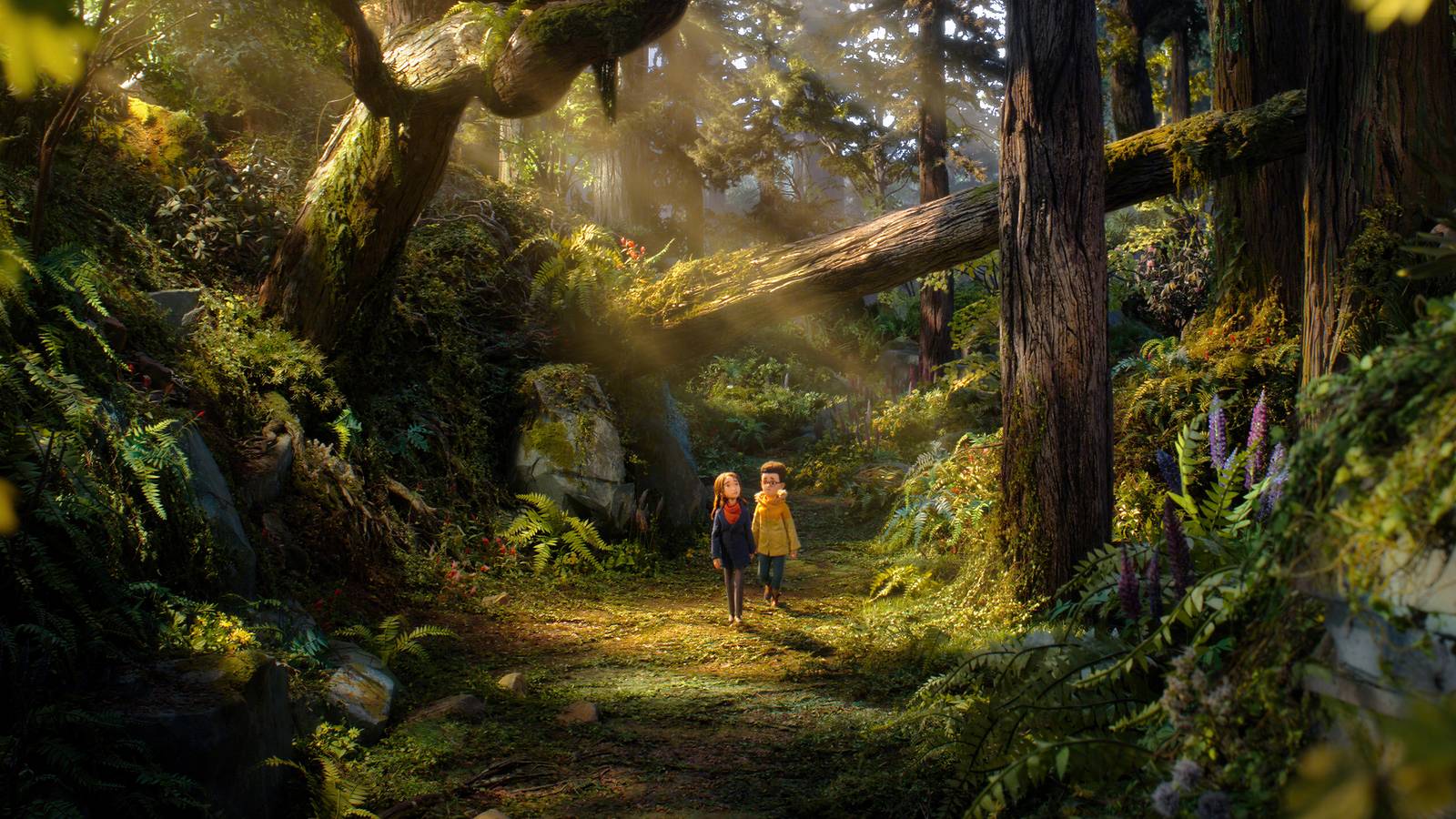
The teaser immediately establishes Wildwood‘s unique visual identity: a harmonious fusion of the familiar and the fantastical. Protagonist Prue McKeel is thrust from her ordinary Portland life into the Impassable Wilderness, an enchanted forest teeming with talking animals, shadowy figures, and looming mysteries. The animation is a testament to Laika’s unparalleled craftsmanship, showcasing meticulously designed puppets, richly textured sets, and atmospheric lighting that plunges viewers into a world both wondrous and perilous. Directed by Travis Knight, who also helmed the critically acclaimed Kubo and the Two Strings, and based on the beloved novel by Colin Meloy, Wildwood is poised to be a landmark achievement, further cementing Laika’s legacy as a vanguard of innovative storytelling and artisanal animation.
Main Facts: A New Chapter for Laika
Laika, headquartered in Portland, Oregon, has long been celebrated as a beacon of stop-motion animation, distinguished by its commitment to pushing the boundaries of the art form. Since its debut feature Coraline in 2009, the studio has consistently delivered critically acclaimed films that resonate with both children and adults, including ParaNorman (2012), The Boxtrolls (2014), Kubo and the Two Strings (2016), and Missing Link (2019). Each film has garnered significant praise for its visual ingenuity, complex narratives, and emotional depth, collectively earning multiple Academy Award nominations.
Wildwood represents Laika’s sixth feature film and promises to continue this tradition while exploring new thematic and visual territories. The film’s narrative centers on Prue McKeel, a headstrong teenager whose life takes an extraordinary turn when her baby brother is abducted by a murder of crows. Her desperate rescue mission leads her into the hidden depths of the Impassable Wilderness, an enchanted forest bordering her mundane urban existence. Joined by her loyal but hapless classmate, Curtis Mehlberg, Prue navigates a world populated by anthropomorphic creatures, formidable bandits, and powerful figures driven by grief and ambition. The official synopsis from Laika outlines a sweeping adventure where Prue must unearth an inner strength she never knew she possessed to save her brother and protect the delicate future of Wildwood, risking everything in the process.
The film boasts an impressive ensemble voice cast, a hallmark of major animated productions, featuring a mix of seasoned veterans and rising stars. The roster includes Carey Mulligan, Peyton Elizabeth Lee, Jacob Tremblay, Richard E. Grant, Awkwafina, Amandla Stenberg, Tom Waits, Charlie Day, Blythe Danner, Arthur Knight, Maya Erskine, Jake Johnson, Tantoo Cardinal, Rob Delaney, Jemaine Clement, Marc Evan Jackson, Len Cariou, Ólafur Darri Ólafsson, Angela Bassett, and Mahershala Ali. Such a diverse and talented cast underscores the film’s ambitious scope and the studio’s commitment to bringing its characters to life with compelling vocal performances.
Perhaps one of the most intriguing aspects of Wildwood‘s release is Laika’s decision to partner with Fathom Entertainment for its distribution. This pivot away from a traditional wide theatrical release in favor of an "eventized" cinema strategy signifies a calculated move in an evolving industry landscape. While the film will still debut in theaters, the Fathom model often involves limited engagements, special screenings, and curated experiences designed to turn a movie outing into a unique cultural event. This strategy was previously employed by Laika for a successful re-release of Coraline, suggesting a deliberate approach to reaching its dedicated fanbase and attracting new audiences through a distinctive cinematic presentation. The film is set to premiere on October 23, 2026, offering ample time for anticipation to build around this handcrafted epic.
Chronology: Laika’s Enduring Legacy and the Birth of Wildwood
Laika’s Journey: A Pioneer in Stop-Motion Animation
The story of Laika is one of unwavering dedication to a meticulous and demanding art form. The studio’s roots can be traced back to Will Vinton Studios, a pioneer in claymation and stop-motion animation. In 2005, Nike co-founder Phil Knight acquired Vinton Studios, rebranding it as Laika (named after the Soviet dog that became the first animal in orbit) and refocusing its mission on feature-length stop-motion films. This transition marked the beginning of a new era for the art form, blending traditional techniques with cutting-edge technology.
Their inaugural feature, Coraline (2009), based on Neil Gaiman’s novella, was a groundbreaking achievement. Directed by Henry Selick, the film was lauded for its hauntingly beautiful visuals, sophisticated narrative, and innovative use of 3D printing for character faces, allowing for unprecedented levels of expression. Coraline not only garnered an Academy Award nomination for Best Animated Feature but also set a high bar for what stop-motion could achieve, establishing Laika as a serious contender in the animation world.
Following Coraline‘s success, Laika continued to refine its craft and expand its storytelling ambitions. ParaNorman (2012) offered a charmingly spooky tale about an outcast boy who can speak to ghosts, delving into themes of acceptance and prejudice. The Boxtrolls (2014) presented a whimsical yet poignant story about a community of benevolent underground creatures and a human boy they raise, exploring class distinctions and identity. Each film received critical acclaim and further cemented Laika’s reputation for crafting unique, character-driven narratives with a distinct visual style.
Kubo and the Two Strings (2016) was a particularly significant milestone. Directed by Travis Knight, it was an epic fantasy adventure steeped in Japanese mythology, celebrated for its breathtaking visuals, emotional depth, and intricate storytelling. It earned two Academy Award nominations, for Best Animated Feature and, notably, Best Visual Effects—a rare recognition for a stop-motion film. This film solidified Knight’s directorial prowess and demonstrated Laika’s capacity for grand-scale storytelling.
The studio’s most recent release, Missing Link (2019), was a globe-trotting adventure comedy about a Sasquatch seeking his long-lost relatives. While it received positive reviews for its humor and visual splendor, its box office performance was modest compared to its predecessors. Despite this, it won the Golden Globe Award for Best Animated Feature, further showcasing the consistent quality of Laika’s output. The seven-year gap between Missing Link and Wildwood highlights the incredibly labor-intensive nature of stop-motion production, where each frame is painstakingly crafted, often requiring years from conception to completion.
The Genesis of Wildwood: From Page to Puppet
The journey of Wildwood from its literary origins to the screen has been a patient one, characteristic of Laika’s meticulous development process. The film is an adaptation of the first book in The Wildwood Chronicles, a fantasy series written by The Decemberists frontman Colin Meloy and beautifully illustrated by Carson Ellis. Published in 2011, the novel quickly garnered critical praise for its imaginative world-building, rich characters, and evocative prose, making it a natural fit for Laika’s aesthetic and narrative sensibilities. The books are known for their blend of classic children’s adventure with a darker, more mature undertone, exploring themes of ecological balance, political intrigue, and personal courage within a sprawling, magical landscape.
Laika acquired the rights to The Wildwood Chronicles not long after the first book’s release, signaling their long-term vision for the property. Development on the film has been ongoing for several years, a testament to the complex process of translating a beloved literary work into a stop-motion epic. The studio announced Wildwood as its next project following Missing Link, with Travis Knight returning to the director’s chair, a decision that instills confidence given his success with Kubo and the Two Strings. Chris Butler, who directed ParaNorman and Missing Link and wrote Kubo, penned the screenplay, ensuring a deep understanding of Laika’s narrative voice.
The release of the teaser trailer on May 13, 2026, served as the official re-introduction of Laika to the public eye after a period of quiet production. The immediate reaction from fans and critics alike has been overwhelmingly positive, praising the trailer’s stunning visuals, intriguing plot hints, and the promise of a return to the studio’s darker, more adventurous roots. This initial reception underscores the enduring anticipation for Laika’s unique brand of storytelling and visual artistry.
Supporting Data: The Craft, Narrative, and Voices Behind Wildwood
The Art of Stop-Motion: Laika’s Signature Excellence
At the heart of Wildwood, and indeed all Laika films, lies the breathtaking art of stop-motion animation. This painstaking process involves physically manipulating puppets and props frame by frame, capturing each tiny movement with a camera, and then playing the sequence back to create the illusion of motion. It is an art form that demands immense patience, precision, and a deep understanding of physics, light, and character performance. A typical Laika film can involve hundreds of puppets, thousands of interchangeable faces, and elaborate miniature sets, all constructed with incredible detail.
Laika has consistently pushed the technological boundaries of stop-motion. While rooted in traditional techniques, the studio extensively employs modern innovations, most notably 3D printing. This technology allows for the rapid production of thousands of subtly different facial expressions for each character, providing an unprecedented range of emotions and nuances that were once impossible in stop-motion. This hybrid approach, combining handcrafted artistry with digital precision, gives Laika’s films their distinctive visual richness and expressive characters. Unlike many animated features that rely heavily on CGI, Laika uses computer-generated imagery sparingly and strategically, often for subtle enhancements like atmospheric effects or to seamlessly erase puppet rigs, ensuring that the tactile, physical quality of stop-motion remains paramount.
The Wildwood trailer showcases this mastery. The Impassable Wilderness feels tangible, from the textured bark of ancient trees to the shimmering rivers and dense foliage. The character designs, while whimsical, possess a grounded realism that makes their fantastical elements all the more compelling. The atmospheric lighting, a key component in stop-motion to convey mood and time of day, is particularly striking, shifting from dappled sunlight to the eerie glow of twilight, immersing the viewer deeper into Prue’s perilous journey. The comparisons to The Nightmare Before Christmas stem from this ability to create a world that is both visually dark and playfully imaginative, a gothic fairy tale brought to life with meticulous care.
Narrative and Thematic Resonance: A Spirited Adventure
The official synopsis of Wildwood highlights a narrative rich with classic adventure tropes infused with Laika’s characteristic thematic depth. The central premise of a young protagonist forced into a perilous journey to save a family member immediately draws parallels to Studio Ghibli’s Spirited Away, where Chihiro must navigate a spirit world to rescue her parents. Both stories feature a seemingly ordinary child thrust into an extraordinary, often dangerous, magical realm, forcing them to mature and discover inner strength. The "Impassable Wilderness" serves as Wildwood‘s equivalent of the spirit world, a place governed by its own rules and populated by enigmatic figures.
Beyond the immediate quest, Wildwood is poised to explore several of Laika’s recurring themes. The studio frequently delves into stories about outsiders, identity, and the process of confronting fears. Prue McKeel’s journey is not just about rescuing her brother; it’s about self-discovery, learning to believe in herself, and understanding her place within a larger, interconnected world. The conflict threatening the balance of the forest itself suggests an underlying ecological message, a common thread in many fantasy narratives that pit humanity or individual ambition against the forces of nature. The themes of love, sacrifice, and the magic that reveals itself when we look beyond the familiar are universal and resonate deeply with audiences of all ages, ensuring the film’s broad appeal.
The juxtaposition of a modern, recognizable world (Portland, Oregon) with a hidden, fantastical one is another narrative device that Laika has used effectively in films like Coraline and ParaNorman. This allows for a relatable entry point for the audience before immersing them in the wonders and dangers of the magical realm, making the fantastical elements feel more impactful.
A Star-Studded Ensemble: Voices of the Wilderness
The extensive and impressive voice cast for Wildwood is a testament to the film’s ambition and the studio’s ability to attract top-tier talent. Headlining the cast are acclaimed actors like Carey Mulligan, known for her dramatic roles, and Mahershala Ali, an Academy Award winner recognized for his commanding presence. These actors, alongside others like Richard E. Grant, Awkwafina, Tom Waits, Angela Bassett, and Jemaine Clement, bring a wealth of experience and distinctive vocal qualities that will undoubtedly enrich the characters of Wildwood.
In animation, particularly stop-motion where visual expressions can be subtly limited by the physical puppets, the voice performance is crucial for conveying character depth, emotion, and personality. The distinct vocal tones and acting prowess of this ensemble will be instrumental in making the talking animals, powerful figures, and human protagonists feel fully realized and emotionally resonant. For instance, the gravelly tones of Tom Waits could bring a wonderfully mysterious quality to a forest elder, while Awkwafina’s comedic timing could inject levity into a supporting role.
Travis Knight’s previous directorial work on Kubo and the Two Strings showcased his talent for guiding vocal performances that were both nuanced and powerful. His experience also extends to live-action filmmaking, having directed Bumblebee (2018), which gave him a broader perspective on cinematic storytelling and character development that he brings back to animation. The combination of a strong director, a compelling script, and a stellar voice cast sets Wildwood up for a rich auditory and narrative experience to complement its visual splendor.
Official Responses: Laika’s Vision and the Fathom Strategy
Laika’s Unwavering Vision: Pushing Boundaries
Laika’s leadership, particularly CEO and President Travis Knight, has consistently articulated a clear vision for the studio: to create original, artistically ambitious, and emotionally resonant stop-motion films that push the boundaries of the medium. For Wildwood, this vision remains paramount. While no direct quotes from Knight specifically about the trailer’s release were immediately available, the studio’s history and its carefully curated output speak volumes. Laika is not content with merely replicating past successes; each film is an endeavor to innovate, to tell a story that justifies the extraordinary effort involved in stop-motion.
Wildwood aligns perfectly with this philosophy. The decision to adapt a beloved, yet complex, fantasy series demonstrates a commitment to rich storytelling. The visual elements previewed in the trailer, from the intricate forest environments to the expressive character designs, underscore Laika’s relentless pursuit of visual perfection. The seven-year production cycle, while long, is a testament to the studio’s refusal to compromise on quality, ensuring that every frame meets their exacting standards. Laika views itself not just as an animation studio, but as a collective of artists and storytellers dedicated to preserving and evolving a unique cinematic art form in an industry increasingly dominated by CGI. They chose Wildwood because its sprawling narrative and distinct blend of wonder and peril offered an ideal canvas for their handcrafted aesthetic and thematic explorations.
The Fathom Entertainment Strategy: A Calculated Experiment
The partnership with Fathom Entertainment for Wildwood‘s distribution is perhaps the most significant departure from Laika’s traditional release model and warrants closer examination. Fathom Entertainment specializes in what it calls "eventized cinema," focusing on limited theatrical engagements that often include special content, suchings as behind-the-scenes footage, Q&A sessions, or exclusive introductions. This model is typically used for niche content like opera broadcasts, classic film re-releases, or documentaries, rather than major animated features.
Laika’s decision to forgo a traditional wide release with a major studio partner in favor of Fathom is a calculated risk. It reflects a strategic response to the changing landscape of film distribution and audience consumption. In an era where streaming services dominate and theatrical windows are shrinking, securing prime release slots and extensive marketing budgets for a niche art form like stop-motion can be challenging.
The benefits of the Fathom strategy for Wildwood are multi-faceted. Firstly, it allows Laika to bypass the fierce competition of mainstream blockbusters, carving out its own space for a dedicated audience. By turning the viewing experience into a special event, it fosters a sense of exclusivity and community among fans, potentially enhancing the perceived value of seeing the film in a theater. This model also grants Laika more creative control over the release and marketing, allowing them to tailor the cinematic experience to their vision. Laika previously partnered with Fathom for a highly successful limited re-release of Coraline in 2023, which demonstrated the viability of this model for their specific fanbase and niche content.
However, this approach also carries potential drawbacks. The limited reach of Fathom’s network, while extensive for event cinema, is not comparable to the saturation of a major studio’s wide release. This could limit the film’s overall box office potential and reduce its exposure to casual moviegoers who might not seek out an "eventized" screening. The success of this strategy will be closely watched by the industry, as it could offer a new blueprint for how specialized, artisanal films can find their audience in an increasingly fragmented market. For Laika, it represents an innovative way to ensure their handcrafted stories receive the focused, appreciative audience they deserve.
Implications: The Future of Stop-Motion and Laika’s Legacy
Impact on Stop-Motion Animation: A Renewed Spark
Wildwood arrives at a crucial time for stop-motion animation. While the art form has seen a resurgence in critical acclaim recently with films like Guillermo del Toro’s Pinocchio, it remains a niche within the broader animation industry, often overshadowed by the commercial dominance of CGI. Laika has consistently been a torchbearer for stop-motion, demonstrating its artistic versatility and emotional power.
The success of Wildwood could significantly re-energize interest in the medium, proving that audiences are hungry for authentic, handcrafted storytelling. Laika’s commitment to innovation, blending traditional techniques with modern technology, serves as a blueprint for how stop-motion can continue to evolve and remain relevant. If Wildwood resonates broadly, it could encourage other studios and independent animators to invest in stop-motion, fostering a new wave of creativity within the art form. It also challenges the perception that stop-motion is solely for children, with its dark fantasy themes appealing to a wider demographic. The film’s unique distribution model could also provide a new avenue for other specialized animated films to find their audience without competing directly with tentpole CGI productions.
Future of Laika: A Path Forged by Artistry
The reception and performance of Wildwood will undoubtedly have significant implications for Laika’s future trajectory. A strong showing, particularly with its unconventional Fathom Entertainment release, would validate the studio’s artistic choices and its strategic pivot in distribution. It would reinforce Laika’s position as a premier animation studio, capable of delivering unique, high-quality films on its own terms.
Conversely, a tepid response could necessitate a re-evaluation of its strategies, though Laika has historically prioritized artistic integrity over immediate commercial returns. Regardless, the studio’s commitment to original storytelling and the painstaking artistry of stop-motion is unwavering. Laika has several other projects in various stages of development, and the success of Wildwood will influence the speed and scale of these future endeavors. The Fathom model, if proven effective, might become a standard for Laika, allowing them to maintain creative independence while still reaching a dedicated theatrical audience.
Cultural Significance: A New Classic in the Making?
Wildwood has the potential to become a new classic in the realm of animated fantasy. Its blend of a compelling, hero’s journey narrative with a distinct visual style that marries the eerie and the enchanting positions it to appeal to a broad audience, from children drawn to the adventure to adults appreciating the artistic depth and darker themes. The comparisons to Spirited Away and The Nightmare Before Christmas are not made lightly; they suggest a film that can transcend typical animation tropes to offer a culturally resonant experience.
The enduring power of fantasy stories lies in their ability to explore universal human experiences—grief, courage, sacrifice, and self-discovery—through extraordinary lenses. Wildwood, with its tale of a young girl navigating a hidden, dangerous world to save her family, taps into these primal narratives. Its potential success will not only be a triumph for stop-motion but also a reminder of the timeless appeal of handcrafted cinema that dares to look beyond the familiar, much like Prue McKeel herself. As the October 2026 release date approaches, anticipation will only grow for what promises to be another breathtaking masterpiece from the visionary artists at Laika.


 Lina Irawan
 Sagoh
Sagoh