Nana
Nana
In an ambitious move to solidify its dominance in the artificial intelligence landscape, Meta is officially expanding the reach of its proprietary AI assistant. The company has begun testing a feature on Threads that allows users to interact with "Meta AI" via a dedicated handle: @meta.ai. This development marks a significant shift in how the platform handles information retrieval and real-time fact-checking, effectively importing a feature set that many will recognize as the functional equivalent of X’s (formerly Twitter) "Grok."
As Meta continues to weave its new Muse Spark model into the fabric of its entire application ecosystem—including WhatsApp, Instagram, and Messenger—the rollout on Threads represents a high-stakes experiment in public-facing, conversational AI.
The Core Mechanics: How @meta.ai Functions
The functionality being tested is straightforward: users can tag @meta.ai in their posts or replies, prompting the bot to provide additional context, offer summaries, or verify claims made within the thread. The premise is designed to empower users to cut through the noise of viral misinformation or complex news cycles by inviting an AI participant into the conversation.
Currently in early beta, the feature is rolling out to a select group of international markets, including Malaysia, Saudi Arabia, Mexico, Argentina, and Singapore. By limiting the initial launch to these regions, Meta is clearly looking to monitor user sentiment and technical stability before committing to a global release.
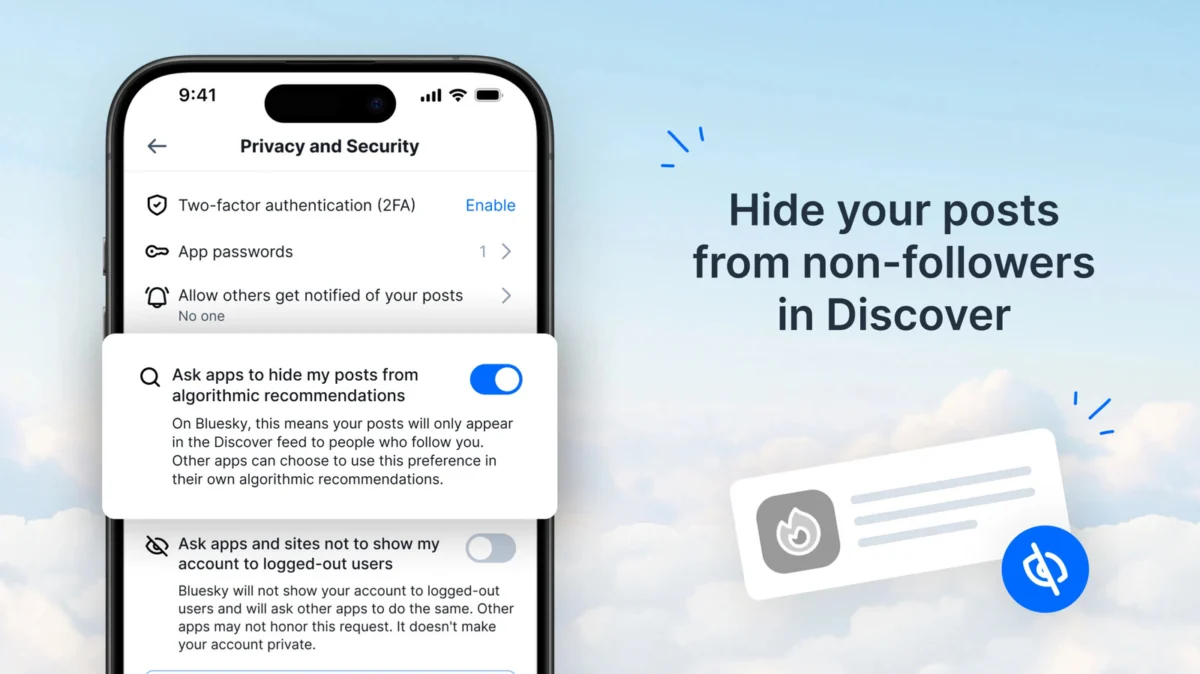
Crucially, Meta has anticipated the potential for friction. Recognizing that not every user desires an algorithmic presence in their digital social life, the company has confirmed that the @meta.ai account can be muted, and its public replies can be hidden or ignored, providing a layer of control that distinguishes it from some of the more invasive implementations of AI seen on other platforms.
A Chronology of Meta’s AI Aggression
Meta’s push into generative AI has been a rapid, multi-year evolution, moving from experimental research to a foundational product layer.
- Pre-2023: Meta’s research division, FAIR (Fundamental AI Research), releases various Large Language Models (LLMs) like LLaMA, establishing the company as a major player in open-source AI development.
- Early 2024: Mark Zuckerberg pivots the company’s internal focus, reallocating massive computational resources toward the development of the "Muse Spark" model, aimed at superintelligence.
- April 2026: Meta officially announces the deployment of Muse Spark across its "Family of Apps." The goal is to make AI a utility found in every search bar, group chat, and feed.
- Current Quarter: Threads begins the beta test of the @meta.ai handle, bringing the assistant directly into the public discourse layer of the platform.
This timeline underscores a strategic pivot: Meta is no longer just a social media company; it is positioning itself as an AI-first infrastructure provider, ensuring that its models are the default intellectual interface for billions of users.
Supporting Data: The Muse Spark Ecosystem
The integration of @meta.ai into Threads is not an isolated experiment. It is a tentpole of the broader "Muse Spark" rollout. Meta’s strategy relies on the ubiquity of its apps. By embedding the model into WhatsApp, Messenger, and Instagram, the company is creating a "network effect" for its AI.
Comparison of Integration Methods
- Threads (@meta.ai): Public-facing interaction. Designed for context, fact-checking, and social debate. Responses are visible to the entire thread.
- WhatsApp (Side Chats): Private query-based interaction. Allows a user to pull information into a private, side-channel dialogue without disrupting the group chat flow.
- Instagram/Facebook (Search): Utility-based. Used for discovering content, generating images, and navigating platform features.
The distinction between the "public" nature of Threads AI and the "private" nature of WhatsApp’s side chats is telling. Meta understands that while users may want AI to settle a public argument on a forum, they may prefer a more discrete, personal interface for private group communications.
Official Responses and Corporate Philosophy
In official communications, Meta has framed this expansion as a benefit to the user experience. The company argues that providing instant, AI-generated context reduces the cognitive load on users trying to parse complex or misleading viral posts.
"Our goal is to make Meta AI a helpful partner in your daily interactions," a Meta spokesperson noted in a recent blog post. "Whether you are looking for a quick fact, a summary of a developing story, or help composing a thoughtful reply, @meta.ai is designed to facilitate deeper, more informed conversations."
However, the company remains defensive regarding comparisons to its competitors. While Meta acknowledges the similarity to X’s Grok, the company maintains that its guardrails—honed by years of managing content moderation across its platforms—are significantly more robust.
Implications: The Risks of "Bot-Driven" Discourse
The comparison to X’s Grok is, as noted, not entirely flattering. Since its inception, Grok has faced intense scrutiny for its propensity to hallucinate, its susceptibility to bias, and its occasional generation of harmful or offensive content. The fact that Meta is essentially "Gamifying" the same feature raises several critical concerns for the future of digital discourse.
1. The "Reply-Guy" Problem
By encouraging users to tag an AI to "fact-check" one another, Meta is inadvertently creating a new social dynamic: the "AI-backed dunk." This could lead to a toxic environment where the goal of a conversation is not mutual understanding, but rather finding the "right" prompt to force the AI to validate one’s own viewpoint while demeaning the opponent’s.
2. Guardrails vs. Openness
Meta has a history of strict, if sometimes inconsistent, content moderation. However, generative AI is notoriously difficult to "fence in." Even with sophisticated filters, an AI interacting in real-time with millions of users—all trying to "jailbreak" the bot or test its limits—is a massive liability. If @meta.ai begins generating controversial, incorrect, or offensive content, the reputational damage could be severe, especially given Meta’s already complicated history with misinformation.
3. The Death of Nuance
Social media platforms are already prone to echo chambers. By introducing an algorithmic participant that provides "the answer," Meta risks stifling the organic, messy, and often human nuance that occurs in threads. If users start relying on @meta.ai to provide the "truth" in every disagreement, they may lose the critical thinking skills required to evaluate information for themselves.
4. Competitive Dynamics
For Meta, this is a defensive move. With the rise of X, Threads has struggled to define itself as the premier space for "real-time" conversation. By adding AI, Meta is attempting to turn Threads into a "smart" town square. If successful, this could drive retention. If it fails, or if it becomes a platform for AI-generated chaos, it could alienate the very user base Threads has worked so hard to attract.
Conclusion: The Road Ahead
As the @meta.ai test expands beyond its initial five markets, the global tech community will be watching closely. The success of this initiative will hinge on two factors: the reliability of the Muse Spark model and the willingness of the user base to accept an AI participant in their social circles.
If the feature helps curb the spread of viral lies, it could be hailed as a massive triumph for digital literacy. If, however, it becomes a vehicle for bot-driven vitriol or provides incorrect information at a massive scale, it will serve as a cautionary tale about the dangers of rushing to integrate generative AI into the delicate ecosystem of public speech.
Meta is betting that its users want a smarter, more helpful social media experience. Whether that intelligence is welcomed or viewed as an unwanted intrusion remains the defining question for the next phase of the social web. For now, the "Grok-ification" of Threads is officially underway, and the consequences for the way we debate, learn, and interact are only just beginning to unfold.


 Raul Delapena Setiawan
 Neng Nana