

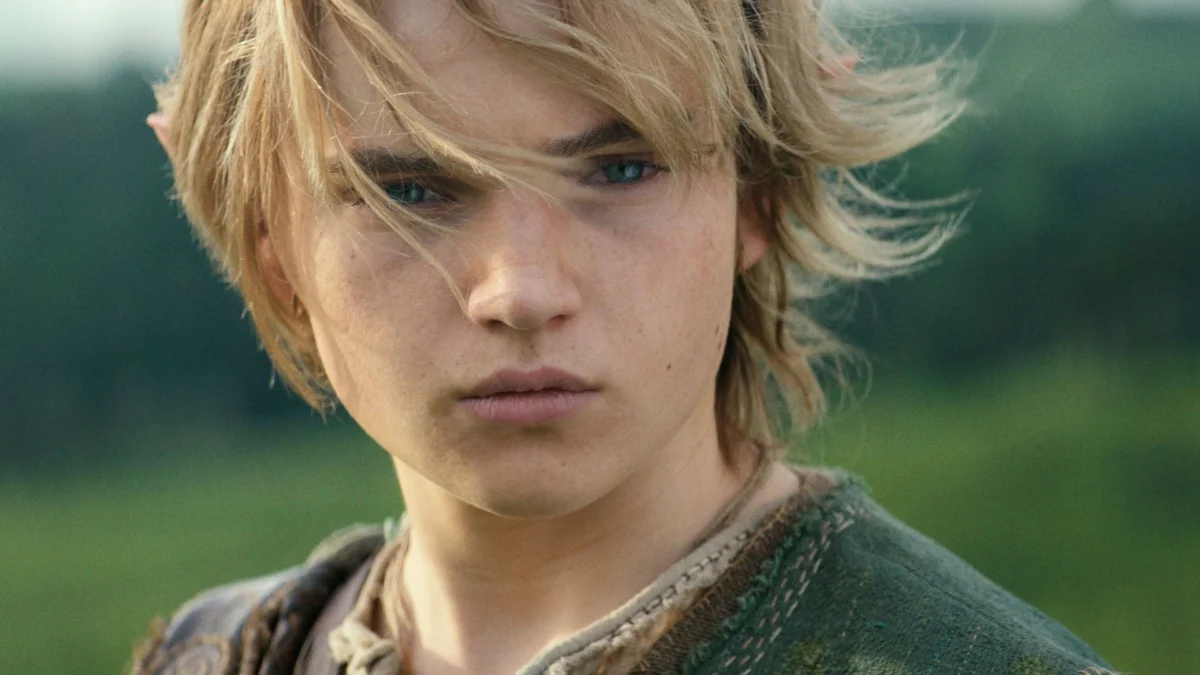
Tokyo, Japan – April 30, 2027 – In a move that has sent ripples of excitement across the global entertainment landscape, Nintendo has officially advanced the theatrical release date for its highly anticipated live-action adaptation of The Legend of Zelda. Originally slated for May 7, 2027, the film will now debut one week earlier, on April 30, 2027, bringing the iconic world of Hyrule to silver screens ahead of schedule. This seemingly minor shift in the calendar carries significant implications, signaling a potential surge in confidence from the creative team and studio, while simultaneously intensifying the already feverish anticipation among millions of fans worldwide.
The announcement, delivered directly by legendary game designer and Nintendo representative director Shigeru Miyamoto, underscored the team’s dedication and rapid progress. This acceleration comes as the culmination of years of speculation, development, and strategic planning by Nintendo to translate one of its most revered intellectual properties into a cinematic spectacle.
A Week Earlier: Setting the Stage
The decision to move the release date forward by seven days, from May 7 to April 30, 2027, positions the Legend of Zelda film to potentially capture a more advantageous opening weekend. While a single week may appear negligible on a multi-year production timeline, in the highly competitive film industry, such adjustments are often carefully calculated. An earlier release could allow the film to capitalize on specific holiday weekends, avoid direct competition from other major blockbusters, or simply indicate that the production is progressing smoothly and even ahead of its internal benchmarks.
This strategic adjustment also means that fans will now have less than a year to wait until they can witness Link, Zelda, and the fantastical realm of Hyrule brought to life in a live-action format. The project, a collaborative effort between Nintendo and Sony Pictures, with Avi Arad producing and Wes Ball directing, has been under intense scrutiny and immense expectation since its official confirmation.
Miyamoto’s Official Confirmation
The definitive word came directly from the architect of The Legend of Zelda itself, Shigeru Miyamoto, who conveyed the news via an official social media post from Nintendo’s channels. His message, translated from Japanese, resonated with an unmistakable tone of enthusiasm and gratitude towards the dedicated fanbase.
"I would like to let you know that the worldwide theatrical release date for the live-action film of The Legend of Zelda has been moved up to April 30, 2027, from May 7," Miyamoto stated. He continued, offering a glimpse into the production’s momentum: "The team is working hard to deliver the film to everyone as soon as possible. There’s less than a year to go until release, so thank you for waiting."
Miyamoto’s direct involvement in the announcement and his personal assurance of the team’s commitment serve to reinforce Nintendo’s hands-on approach to its cinematic ventures. Following the monumental success of The Super Mario Bros. Movie, Nintendo has clearly embraced a strategy of deep engagement and creative oversight for its adaptations, aiming to ensure fidelity to the source material while crafting compelling cinematic experiences. The shortened waiting period, as highlighted by Miyamoto, is undoubtedly a welcome surprise for a community that has yearned for a faithful Zelda film for decades.
Unpacking the Chronology of Hyrule’s Cinematic Journey
The journey of The Legend of Zelda from pixelated adventures to a live-action cinematic epic has been a long and winding one, marked by rumors, false starts, and finally, a definitive commitment from Nintendo. The recent date adjustment is merely the latest chapter in a carefully orchestrated saga.
From Game Console to Silver Screen: The Initial Revelation
Talk of a Legend of Zelda film has permeated fan communities and industry circles for well over two decades. Early rumors often swirled around animated projects, with some even pointing to collaborations with studios like Studio Ghibli, though these never materialized. The advent of live-action adaptations of video games, however, brought renewed hope, particularly after the genre began to find its footing with critical and commercial successes.
The official confirmation of a live-action The Legend of Zelda film arrived in November 2023, sending shockwaves of excitement through the gaming and film industries. This announcement was a pivotal moment, signifying Nintendo’s unequivocal commitment to expanding its most cherished IPs beyond the console. Coming off the back of The Super Mario Bros. Movie‘s staggering box office performance, the timing was strategic, leveraging a renewed global appetite for high-quality video game adaptations. Nintendo confirmed its partnership with Sony Pictures, tapping into the latter’s extensive distribution network and filmmaking expertise.
Assembling the Creative Triforce
Critical to the success of any adaptation is the creative team tasked with translating a beloved property to a new medium. For The Legend of Zelda, Nintendo and Sony Pictures assembled a notable roster:
- Director Wes Ball: Known for his work on The Maze Runner film series, Ball brings a background in crafting visually dynamic, action-packed adventures with compelling character arcs. His prior experience with extensive world-building and character-driven narratives, particularly in a post-apocalyptic setting, suggests a director capable of handling the expansive lore and unique atmosphere of Hyrule. Ball has also expressed a deep personal connection to the Zelda franchise, a sentiment often reassuring to fans.
- Producer Avi Arad: A prolific producer with a long history in comic book adaptations, particularly with Marvel properties like Spider-Man and X-Men, Arad’s involvement signals a strong intention to produce a blockbuster-scale feature. His experience navigating complex IP and delivering commercially successful films is undeniable, though his track record with video game adaptations (e.g., Uncharted) has been mixed, placing additional pressure on this venture.
- Writer Derek Connolly: Also a collaborator with Ball on The Maze Runner films, Connolly’s involvement further solidifies the creative vision. His work on Jurassic World and Kong: Skull Island demonstrates an ability to handle large-scale creature features and adventure narratives, skills that will be crucial for depicting the varied threats and wonders of Hyrule.
- Shigeru Miyamoto: Crucially, Miyamoto is listed as a producer alongside Arad. This ensures that Nintendo’s creative vision and the integrity of the Zelda universe are maintained at the highest level. His direct involvement offers a strong safeguard against creative missteps that have plagued past video game adaptations.
The Original Release Date and the Recent Adjustment
Upon the initial announcement, the film was given a preliminary release date of May 7, 2027. This date provided a generous timeframe for pre-production, principal photography, extensive post-production, and visual effects, all necessary for a project of this magnitude. It also positioned the film as a major summer blockbuster contender, traditionally a lucrative window for tentpole releases.
The recent adjustment, moving the date to April 30, 2027, while a minor shift, is nevertheless a notable one. In the meticulously planned world of Hollywood blockbusters, every day counts. This could suggest that the production timeline is proceeding exceptionally well, perhaps even ahead of schedule, or that strategic considerations regarding competition and market timing have come into play. An April 30th release positions the film at the tail end of April, potentially allowing it to dominate the box office before the official start of the summer movie season in May, or to capture early May holiday audiences without direct competition on its opening weekend.
What Lies Ahead: Production Milestones
With the revised release date, the countdown to The Legend of Zelda‘s cinematic debut has officially begun. Over the next year, fans can anticipate several key milestones:
- Casting Announcements: The most eagerly awaited news will undoubtedly be the casting of Link, Princess Zelda, and other iconic characters like Ganon. These decisions will be met with intense fan scrutiny and speculation, as the actors chosen will bear the immense responsibility of embodying beloved figures.
- Production Updates: As principal photography commences, details regarding filming locations, set designs, and practical effects may begin to surface, offering tantalizing glimpses into the film’s aesthetic.
- First Look and Teasers: The release of official concept art, behind-the-scenes footage, and eventually a teaser trailer will be monumental events, providing the first visual confirmation of the film’s direction and tone.
- Full Trailer and Marketing Campaign: As the release date draws closer, a comprehensive marketing campaign will kick into high gear, featuring full-length trailers, promotional interviews, and merchandise tie-ins, building hype to a crescendo.
The Data Behind the Legend: Why This Film Matters
The decision to accelerate the release of The Legend of Zelda film is not merely a logistical tweak; it underscores the immense cultural, financial, and strategic weight this project carries. Its success or failure could redefine Nintendo’s future in multimedia and further shape the landscape of video game adaptations.
The Enduring Legacy of The Legend of Zelda Franchise
A Pillar of Gaming History
The Legend of Zelda is not just a video game series; it is a foundational pillar of interactive entertainment. Since its debut in 1986, the franchise has consistently pushed the boundaries of game design, storytelling, and world-building. Each installment, from the groundbreaking open world of the original The Legend of Zelda to the innovative mechanics of Ocarina of Time and the expansive freedom of Breath of the Wild and Tears of the Kingdom, has redefined genres and set new standards for adventure games. The series is celebrated for its intricate puzzles, memorable characters, timeless struggle between good and evil, and its evocative score.
Critical Acclaim and Commercial Success
The franchise boasts an unparalleled track record of critical acclaim, with numerous titles consistently ranking among the greatest video games of all time. This critical success is mirrored by its commercial prowess. The Legend of Zelda series has sold over 150 million units worldwide across various Nintendo platforms, making it one of the best-selling video game franchises in history. Its most recent installments, Breath of the Wild and Tears of the Kingdom, have each sold tens of millions of copies, demonstrating the series’ enduring popularity and ability to attract new generations of players while retaining its loyal fanbase. This proven appeal guarantees a massive built-in audience for its cinematic adaptation.
Nintendo’s Strategic Foray into Live-Action Cinema
Learning from Mario’s Blockbuster Success
Nintendo’s entry into major cinematic productions has been meticulously planned and executed. After a notoriously ill-fated live-action Super Mario Bros. film in 1993, the company adopted a highly cautious approach to licensing its IPs. However, the resounding success of The Super Mario Bros. Movie in 2023, a co-production with Illumination Entertainment, fundamentally altered Nintendo’s cinematic strategy. Grossing over $1.3 billion worldwide, the animated film proved that with creative control and a faithful approach, Nintendo’s characters could thrive on the big screen. This success provided a powerful blueprint and emboldened Nintendo to pursue further adaptations, particularly with its live-action Zelda project.
Expanding the Nintendo IP Universe
The Legend of Zelda film represents a significant escalation in Nintendo’s strategy to diversify its revenue streams and expand the reach of its intellectual properties beyond gaming consoles. By bringing Zelda to live-action, Nintendo aims to tap into a broader global audience, including those who may not be avid gamers but are drawn to epic fantasy adventures. This move is part of a larger multimedia push that includes theme park attractions, merchandise, and potentially more film and television projects, all designed to create a cohesive and expansive Nintendo universe. The film is not just about making a movie; it’s about cementing The Legend of Zelda‘s status as a global entertainment juggernaut on par with other major fantasy franchises.
The Treacherous Path of Video Game Adaptations
A History of Mixed Fortunes
The history of video game adaptations in Hollywood is fraught with peril. For decades, the genre was plagued by critical failures and box office disappointments, often due to a fundamental misunderstanding of the source material or an inability to translate interactive experiences into passive storytelling. Films like Street Fighter, Mortal Kombat Annihilation, and even the earlier Resident Evil films, while sometimes commercially viable, rarely achieved critical respect or truly captured the essence of their games.
The New Era of Respectful Adaptations
However, recent years have witnessed a renaissance in video game adaptations. Critical darlings like Netflix’s Castlevania series, HBO’s The Last of Us, and films such as Sonic the Hedgehog and Detective Pikachu have demonstrated that with genuine respect for the source material, strong storytelling, and appropriate creative teams, video game properties can be successfully adapted. These successes have recalibrated audience expectations, setting a high bar for any new adaptation, especially one as iconic as The Legend of Zelda. The Zelda film arrives in an era where audiences expect authenticity and quality, placing immense pressure on Nintendo and its partners to deliver.
The Visionaries Behind the Lens
Director Wes Ball: A Track Record of Epic Storytelling
Wes Ball’s selection as director is a crucial piece of the puzzle. His work on The Maze Runner trilogy showcased his ability to manage large ensembles, execute complex action sequences, and build believable, expansive worlds under challenging conditions. The visual style and narrative pacing of The Maze Runner films often blend grounded realism with fantastical elements, a balance that will be essential for The Legend of Zelda. Fans can anticipate a director who understands the nuances of epic journeys and character development within a grand, mythic framework. His known passion for the Zelda franchise also suggests a deep understanding and respect for its lore, which is paramount for a faithful adaptation.
Producer Avi Arad: A Veteran of Comic Book Blockbusters
Avi Arad’s extensive experience as a producer, particularly with superhero films, brings a wealth of knowledge in managing large-scale, tentpole productions. His involvement indicates a commitment to delivering a film that is not only creatively ambitious but also possesses significant commercial appeal. Arad’s career demonstrates a knack for developing franchises and understanding the dynamics of fan-driven properties. While some of his video game adaptations have faced criticism, his track record in building cinematic universes, such as with Marvel’s early film slate, suggests he can provide the necessary strategic oversight for The Legend of Zelda to potentially become a multi-film saga. His collaboration with Miyamoto is key, balancing commercial viability with creative integrity.
Official Responses and Underlying Sentiments
The direct communication from Shigeru Miyamoto regarding the accelerated release date is a strategic and emotionally resonant message, offering insights into Nintendo’s current state of mind regarding this monumental project.
Shigeru Miyamoto’s Direct Communication
Miyamoto’s tweet is more than just a factual announcement; it’s a carefully crafted message designed to reassure and excite the fanbase. His opening, "I would like to let you know," implies a personal connection and directness, bypassing traditional press releases to speak directly to the community. The emphasis on "the team is working hard to deliver the film to everyone as soon as possible" conveys a sense of urgency and dedication. It suggests that the progress is not only meeting but perhaps exceeding expectations, enabling the earlier delivery.
Furthermore, Miyamoto’s acknowledgment that "There’s less than a year to go until release, so thank you for waiting" acts as both a countdown and a gesture of gratitude. This phrasing recognizes the decades-long wait for a proper Zelda film and validates the fans’ enduring patience and excitement. His personal involvement in the production as a producer, coupled with his public statements, underscores Nintendo’s unwavering commitment to the film’s quality and fidelity. It reinforces the idea that this is not merely a licensed product but a passion project driven by the original creators.
Industry Interpretation of the Accelerated Schedule
In Hollywood, shifting a major tentpole release date, even by a week, is rarely arbitrary. Industry analysts and film reporters are interpreting this move as a strong indicator of several positive developments:
- Confidence in Production: An earlier release date often signifies that the production is running smoothly, potentially ahead of schedule, and that the creative team is confident in the current cut or progress of the film. Delays are far more common than accelerations in large-scale productions, making this news particularly noteworthy.
- Strategic Market Positioning: The shift to April 30, 2027, could be a calculated move to secure a more favorable box office window. It places the film just before the traditional start of the summer blockbuster season, potentially allowing it to dominate the box office for its opening weekend without immediate direct competition from other studio tentpoles scheduled for early May. It could also aim to capture a pre-summer holiday crowd, if any specific ones align.
- Positive Internal Screenings: While speculative, an accelerated release might hint at positive internal screenings or strong early feedback on the film’s direction, leading the studio to believe it’s ready for audiences sooner.
- Maintaining Momentum: After the success of The Super Mario Bros. Movie, Nintendo is keen to maintain its momentum in the cinematic space. An earlier Zelda release could be part of a broader strategy to establish its film division as a consistent powerhouse.
Anticipated Future Communications
While Miyamoto’s tweet provides the immediate update, the industry and fans will be eagerly awaiting further communications. These are likely to include:
- Joint Statements from Sony Pictures: A formal statement from Sony Pictures, co-producing and distributing the film, is expected to elaborate on the strategic reasons behind the date change and reinforce their commitment.
- Director’s Commentary: Wes Ball, the director, may soon offer his own perspective on the production’s progress and the excitement surrounding the earlier release, potentially via social media or an official interview.
- Casting News: As production progresses, official announcements regarding the cast will be critical. Each casting choice will be a significant news event, generating immense discussion and analysis.
- First Look Assets: The release of official images, concept art, or a production diary will serve as crucial updates, offering the first visual confirmation of the film’s aesthetic and interpretation of Hyrule.
Implications of an Earlier Arrival: The Ripple Effect
The accelerated release date for The Legend of Zelda film is more than just a calendrical adjustment; it has far-reaching implications across production, fan engagement, strategic planning, and the broader entertainment industry.
Production Pace and Creative Confidence
An earlier release date, especially for a project of this scale and complexity, strongly suggests that the production is either ahead of schedule or performing exceptionally well. It implies a high level of efficiency and potentially fewer unforeseen hurdles than initially projected. This could be a testament to the robust planning undertaken by Nintendo and Sony, as well as the smooth collaboration between the creative teams. For the cast and crew, it might mean a more intense, but ultimately successful, production schedule. More importantly, it signals strong creative confidence from the studios and the filmmakers, suggesting that they are pleased with the material being generated and believe it will resonate with audiences sooner rather than later.
Fan Engagement and Market Buzz
The most immediate impact of this announcement is on the immense Legend of Zelda fanbase. The news of an accelerated release, however slight, amplifies existing anticipation and injects a fresh wave of excitement. It creates a renewed sense of urgency and a closer proximity to the cinematic experience fans have long dreamed of. This will undoubtedly lead to:
- Increased Speculation: More intense discussions around casting, plot theories, and visual interpretations of the game’s iconic elements.
- Heightened Marketing Effectiveness: Any subsequent marketing materials (trailers, posters, interviews) will land on a more receptive and energized audience, maximizing their impact.
- Early Box Office Momentum: The earlier date could allow the film to build critical word-of-mouth and gain momentum before the traditional summer blockbuster season fully kicks in, potentially leading to stronger opening week figures.
Broader Strategic Implications for Nintendo
For Nintendo, the Zelda film is a cornerstone of its expanded multimedia strategy. An earlier, successful release for Zelda would:
- Validate the Live-Action Model: Following Mario‘s animated success, a live-action Zelda hit would firmly establish Nintendo’s ability to translate its IPs across different cinematic formats, paving the way for other live-action adaptations (e.g., Metroid, Donkey Kong).
- Strengthen Brand Value: A critically and commercially successful film enhances the overall brand value of The Legend of Zelda, potentially boosting sales of new and catalog games, merchandise, and other related ventures.
- Influence Future Partnerships: A positive outcome would make Nintendo an even more attractive partner for top-tier Hollywood talent and studios, solidifying its position as a major player in the global entertainment industry.
- Impact Stock Performance: Positive news and strong box office projections can have a favorable impact on Nintendo’s stock performance, reflecting investor confidence in its diversification efforts.
Economic Projections and Franchise Expansion
The financial stakes for The Legend of Zelda film are enormous. Given the franchise’s global appeal and the success of The Super Mario Bros. Movie, analysts will be projecting massive box office returns, potentially in the billion-dollar range. An earlier release could give the film a slight edge in capturing early market share. Beyond theatrical revenue, the film is expected to generate significant income through:
- Merchandising: A vast array of toys, apparel, collectibles, and other licensed products will accompany the film’s release.
- Home Entertainment & Streaming: Lucrative deals for digital rentals, purchases, and streaming rights will follow the theatrical run.
- Sequel Potential: A successful first film almost guarantees the development of sequels, establishing The Legend of Zelda as a multi-film franchise, much like The Lord of the Rings or Harry Potter. This could unlock a long-term revenue stream for Nintendo and its partners.
Shaping the Future of Video Game Cinema
The success of The Legend of Zelda live-action film is poised to have a profound impact on the future of video game adaptations. If it delivers on its immense promise, it could:
- Elevate the Genre: Further legitimize video game films as a serious and artistically viable genre, attracting more A-list talent and significant studio investment.
- Set New Standards: Establish new benchmarks for quality, fidelity, and storytelling in adaptations, pushing other studios to aim higher.
- Inspire More Risk-Taking: Encourage studios to adapt more complex and beloved game franchises that were previously deemed "unfilmable."
Conclusion: The Countdown to Hyrule’s Cinematic Dawn
The decision to advance the release date for The Legend of Zelda live-action film is a powerful statement from Nintendo: a declaration of confidence, a nod to efficiency, and a direct acknowledgment of the fervent anticipation from its global fanbase. Shigeru Miyamoto’s personal delivery of the news, coupled with the strategic implications of the date shift, underscores the monumental importance of this project to Nintendo’s evolving multimedia empire.
As the final year of waiting begins, the creative teams behind the film are now working under a slightly tighter, yet seemingly well-managed, deadline. The world watches with bated breath, eager to see how the legendary tales of courage, wisdom, and power will translate from the interactive magic of the gaming console to the immersive spectacle of the silver screen. With less than a year to go until April 30, 2027, the countdown to Hyrule’s cinematic dawn has officially entered its thrilling final phase, promising an adventure that could redefine the landscape of fantasy cinema and video game adaptations for generations to come.











No comments yet. Be the first to join the conversation!