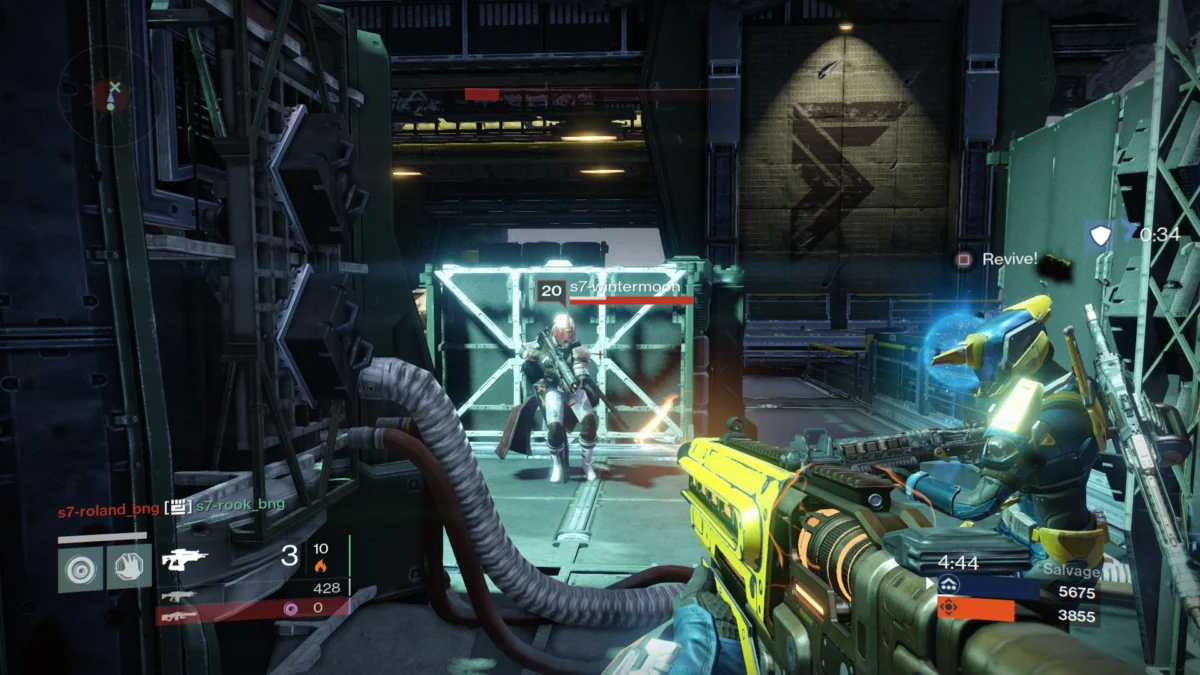
Every long-term player of Bungie’s Destiny carries a digital scar—or a cherished memory—that defines their relationship with the franchise. For many, the quintessential Destiny experience isn’t found in a trailer or a press release; it’s the visceral, desperate hunt for the Gjallarhorn. This all-conquering rocket launcher, a weapon that could delete entire health bars with a single volley, became the stuff of urban legend during the game’s first year.
There are stories of fireteams firing entire ammunition reserves at an inanimate, impervious loot chest in the Vault of Glass, driven by the desperate superstition that if they just poured enough lead into the metal, the game might finally grant them their prize. That absurdity—the combination of hope, greed, and communal delusion—perfectly encapsulates the volatile, addictive, and deeply flawed early years of a game that would eventually rewrite the rules of the live-service genre.
The Mirage of a Titan: A Rocky Launch
When Destiny launched in September 2014, the industry was breathless. Bungie, the architects of the Halo franchise, were finally stepping away from Master Chief to build a "ten-year journey." However, within days of the servers going live, the cracks were not just visible; they were canyons.

The game Bungie had promised—a sprawling, narrative-driven epic—was replaced by a disjointed, thin experience. Players reached the level cap of 20 in a matter of days, only to find that the "endgame" was a repetitive, hollow grind. The promised pursuit of "Light"—the metric of a Guardian’s true power—was locked behind a frustrating wall of RNG (random number generation). Players found themselves repeating the same handful of missions, picking them clean until the monotony set in. There was no deep lore, no meaningful character arcs, and no clear path forward. For a title with such monumental expectations, the immediate post-launch climate was one of profound disappointment.
The Crucible of RNG and the "Forever 29" Phenomenon
With a lack of structured content, Bungie leaned heavily into punishing difficulty and a miserly loot economy to keep players engaged. The weekly "Nightfall" Strike became the litmus test for a player’s commitment. It was a brutal, unforgiving version of existing content with harsh modifiers that would kick an entire team to orbit if they wiped, forcing them to start the mission from scratch.
This environment birthed some of the most infamous exploits in gaming history. Players, exhausted by the game’s stinginess, turned to "loot caves"—like the one in Old Russia’s Skywatch—where they would stand motionless for hours, firing into a spawning orifice in a rock face, hoping for a stray Legendary Engram to drop. When Bungie patched these, they faced a community that felt the developer was policing the only fun left in a barren world.

The most painful byproduct of this era was the "Forever 29" meme. Because the raid armor from the Vault of Glass was the only gear that could push a player to the maximum level of 30, and because that armor dropped at the whim of a brutal random number generator, thousands of players were stuck at level 29, missing one singular, elusive piece of gear—often, inexplicably, the boots.
Vault of Glass: The Raid That Saved the Game
If the base game was a failure, the Vault of Glass (VoG) was its redemption. Launched one week after the game’s debut, it provided the "committed" player base with the first true challenge in console co-op history.
Unlike the linear, "shoot-the-boss-until-it-dies" mechanics of the campaign, VoG was a mechanical marvel. It required a six-player fireteam to coordinate, communicate, and solve puzzles under immense pressure. Whether it was the disappearing platforms of the Gorgon’s Maze or the frantic, high-stakes combat of the Atheon boss fight, the raid demanded mastery. The first team to clear it took over ten hours of trial and error. It was, and remains, a masterclass in raid design, proving that Bungie still held the blueprint for greatness.
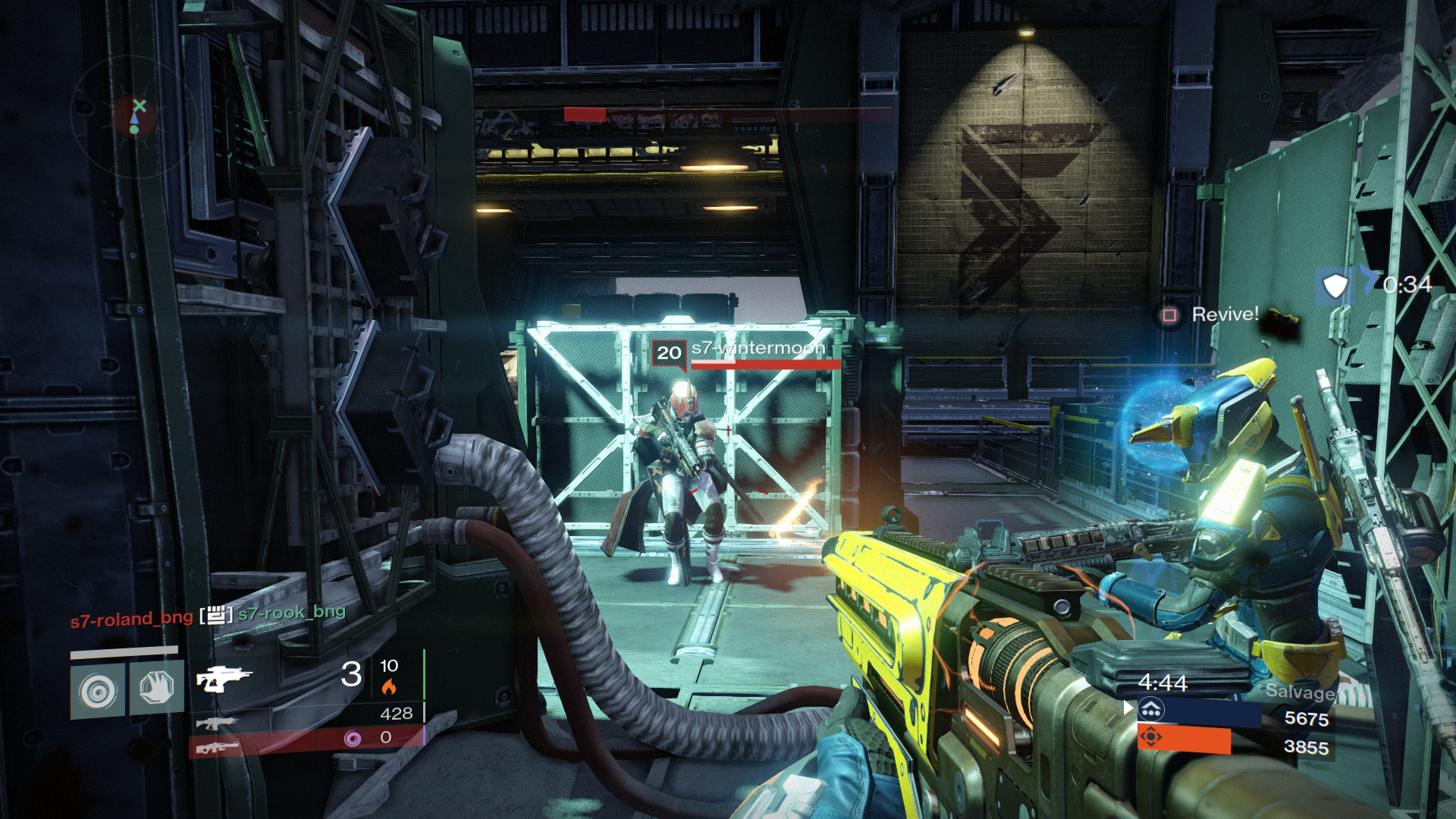
The loot from VoG was equally legendary. The Fatebringer hand cannon, with its explosive Firefly perk and lightning-fast reload, became a status symbol. It wasn’t just a weapon; it was a reward that validated the thousands of bullets fired into the darkness of the Vault.
The Evolution of the "Bar in Your Pajamas"
As the years progressed, Bungie began to address the structural issues that plagued the game. Under the guidance of figures like Luke Smith, Destiny began to pivot. Smith famously described the game as "the bar I can go to in my pyjamas"—a social space where the gunplay was so satisfying that the lack of infinite content didn’t matter as much as the camaraderie.
Chronology of Improvement:
- 2014: Launch and the "Loot Cave" era.
- 2015: The Taken King expansion. This was the turning point, introducing a more coherent narrative, a dedicated quest system, and a more predictable progression path.
- 2016-2017: The final refinements. Bungie moved away from the "Forever 29" misery, implementing smart-loot systems and vendor-sold gear that allowed players to earn their progress through dedication rather than pure, blind luck.
Implications: The Legacy of a Flawed Masterpiece
Looking back, the success of Destiny is a paradox. It was a game that succeeded despite its worst elements. The RNG, the content droughts, and the lack of in-game matchmaking for raids all served to create a "water cooler" effect. Because the game didn’t explain itself, the community had to build the tools to manage it—creating third-party matchmaking sites and deep-dive lore wikis.
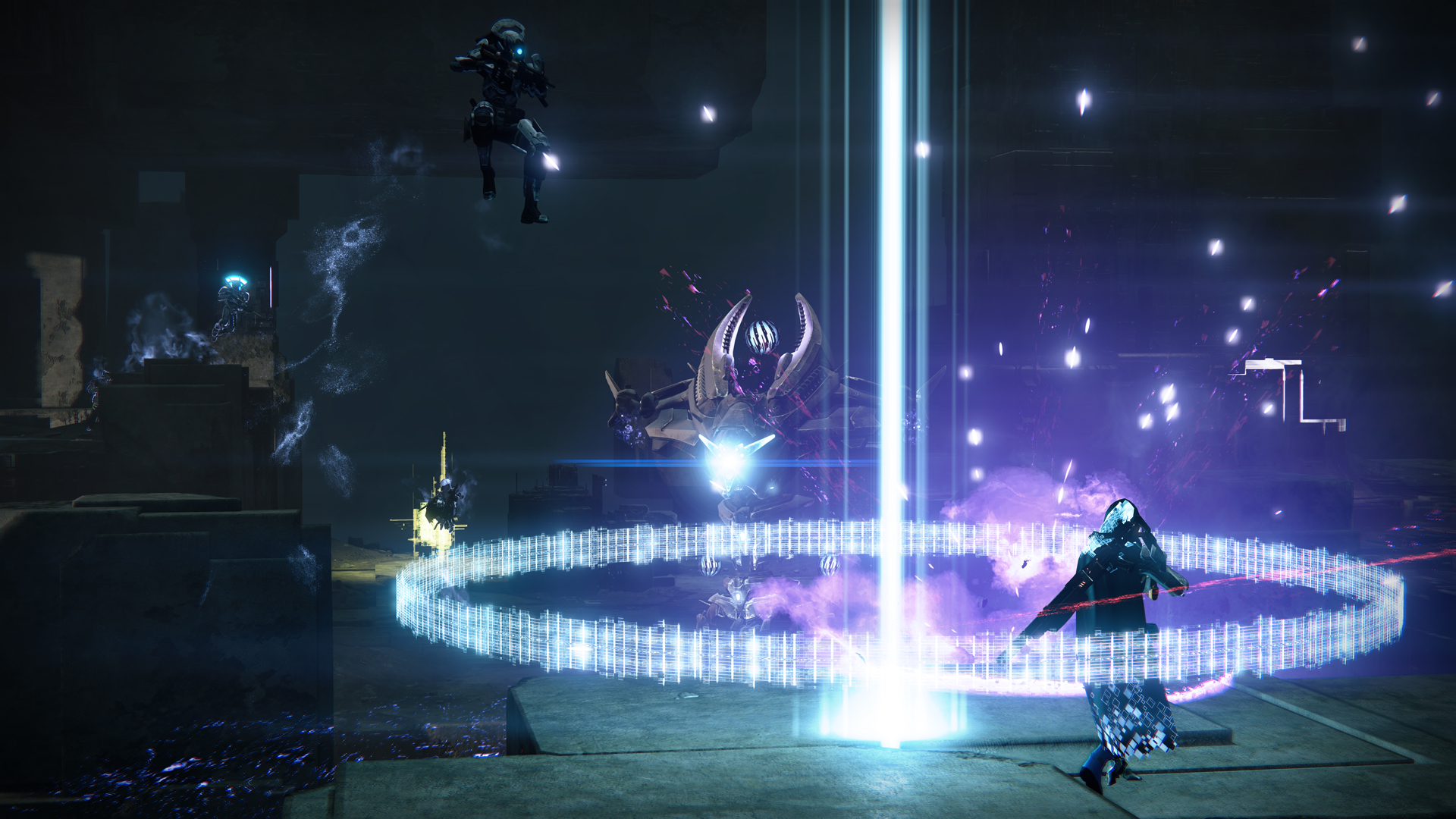
The fundamental secret to Destiny’s longevity was, and remains, the "feel." The gunplay is perhaps the most refined in the industry, blending the tight, responsive mechanics of a high-end FPS with the deep, build-crafting complexity of an MMO. The subclasses, the cooldown management, and the movement systems created a sandbox that was inherently fun to exist in, regardless of what the objective was.
Official Stance and Community Reception
Bungie’s own response to the early years of Destiny was one of humble adaptation. In multiple developer diaries and post-mortems, the team acknowledged that they had misread the appetite for content. They realized that their players didn’t just want a game to beat; they wanted a hobby. By the time Destiny transitioned into its later phases, the studio had shifted from being a developer that dictated how the game should be played to one that responded to how the players wanted to play.
Conclusion: The "Worst" Best Game
As the dust settled on the original Destiny era, the industry was left with a strange realization. The game had reached its peak not when it was polished and balanced, but when it was at its most chaotic and unfair.
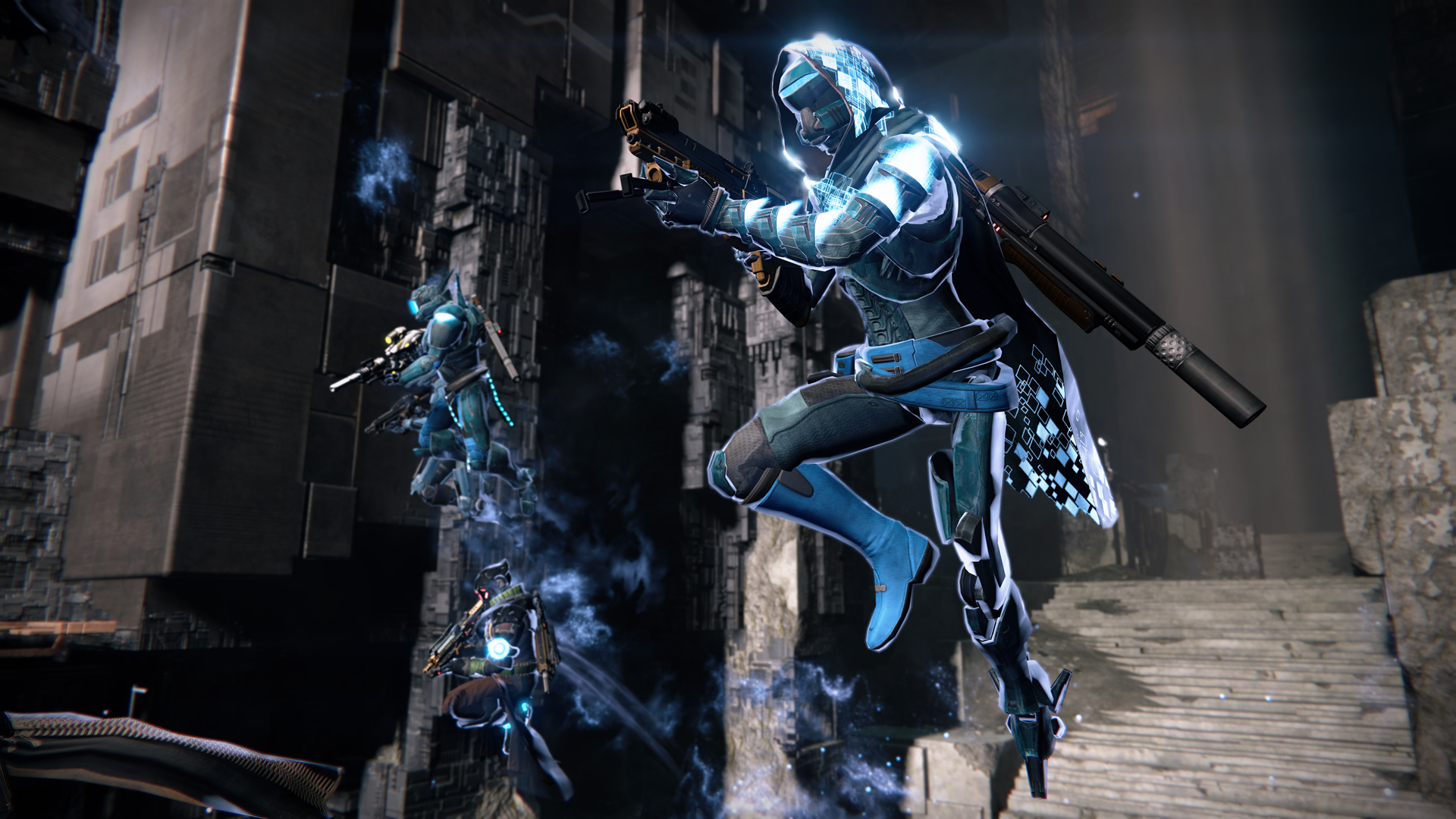
The struggle to hit level 30, the shared trauma of the "loot cave" nerfs, and the pride of finally downing Atheon created a bond between developer and player that is rare in the medium. Destiny taught the industry that a game is not just code and assets—it is the stories that players tell about the hours they spent together, in the dark, waiting for a drop that might never come. It stands as a testament to the fact that sometimes, the most memorable experiences are the ones born from a beautiful, messy, and hard-fought failure.