

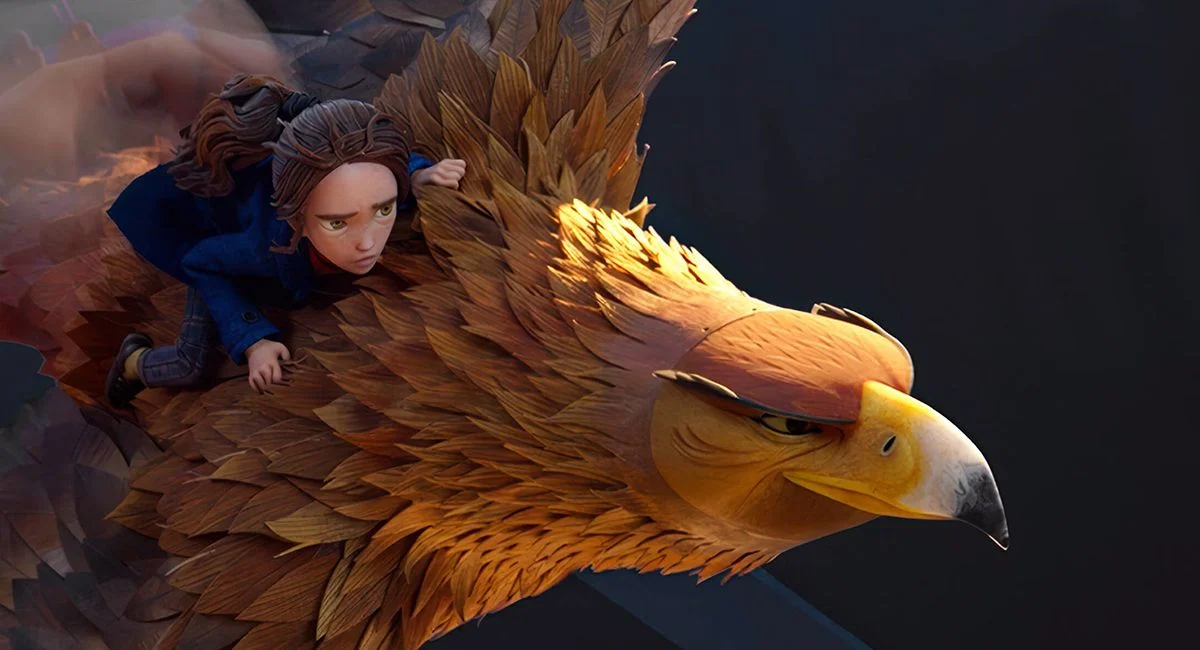
Laika, the Oregon-based studio that fundamentally redefined the possibilities of stop-motion animation with modern classics like Coraline, ParaNorman, and Kubo and the Two Strings, has once again shattered expectations. With the recent release of the teaser trailer for their upcoming feature, Wildwood, the studio has signaled a bold leap forward in both technical scale and narrative ambition.
While the animation world has been increasingly dominated by the sleek, algorithm-driven precision of Computer Generated Imagery (CGI), Laika has doubled down on the tactile, human-centric artistry of traditional frame-by-frame filmmaking. Wildwood, scheduled for release on October 23, 2026, is not merely another entry in their catalog; it is an epic production that promises to blur the lines between practical puppetry and digital wizardry, setting a new benchmark for the medium.
The Main Facts: A Return to Hand-Crafted Grandeur
The Wildwood teaser, set to the evocative swells of M83’s "My Tears Are Becoming a Sea," eschews the frantic pacing and clichéd tropes of typical blockbuster trailers. Instead, it invites audiences into a lush, atmospheric world, focusing on the sensory details of its environment. The brief, mysterious glimpses of the film’s landscape suggest a dark, whimsical fantasy rooted in the Pacific Northwest—a fitting choice for a studio deeply connected to the Oregon landscape.
The production is a testament to the studio’s commitment to "hand-made" filmmaking. The trailer is accompanied by the evocative tagline: "From the hands that made Coraline." In an era where AI-generated content is beginning to permeate the creative industries, this is a pointed, defiant assertion of the value of human touch. Laika’s process is one of patient, painstaking physical labor, where animators manipulate puppets at a scale that defies the conventional limitations of the genre.
Chronology of Craft: The Development of a Masterpiece
The road to Wildwood has been a multi-year odyssey, reflecting the rigorous development cycle inherent to stop-motion.
- The Foundation: The project is based on the novel by Colin Meloy (lead singer of The Decemberists) and illustrated by Carson Ellis. Laika secured the rights to the story, which follows a young girl named Prue McKeel as she journeys into the Impassable Wilderness of Portland to rescue her kidnapped brother.
- Production Scaling: Following the completion of Missing Link (2019), the studio entered an intensive period of pre-production. Unlike their previous projects, Wildwood required an unprecedented expansion of their physical sets. The studio constructed 136 individual sets, many of which were designed to be large enough for the animators to physically walk through, allowing for complex, sweeping camera movements that were previously impossible in stop-motion.
- The Teaser Release: In the lead-up to the 2026 release, the teaser served as a technical proof-of-concept, showcasing a level of fluid, organic movement that signals a hybrid approach—blending traditional, weighted puppets with subtle, seamless digital enhancements to smooth the transition between frames.
Supporting Data: The Anatomy of an Epic
Director Travis Knight, who has been the creative heartbeat of Laika since its inception, has described the film’s scale as being comparable to The Lord of the Rings. While this may sound like hyperbole, the production statistics support the assertion.
The Puppet and Set Arsenal
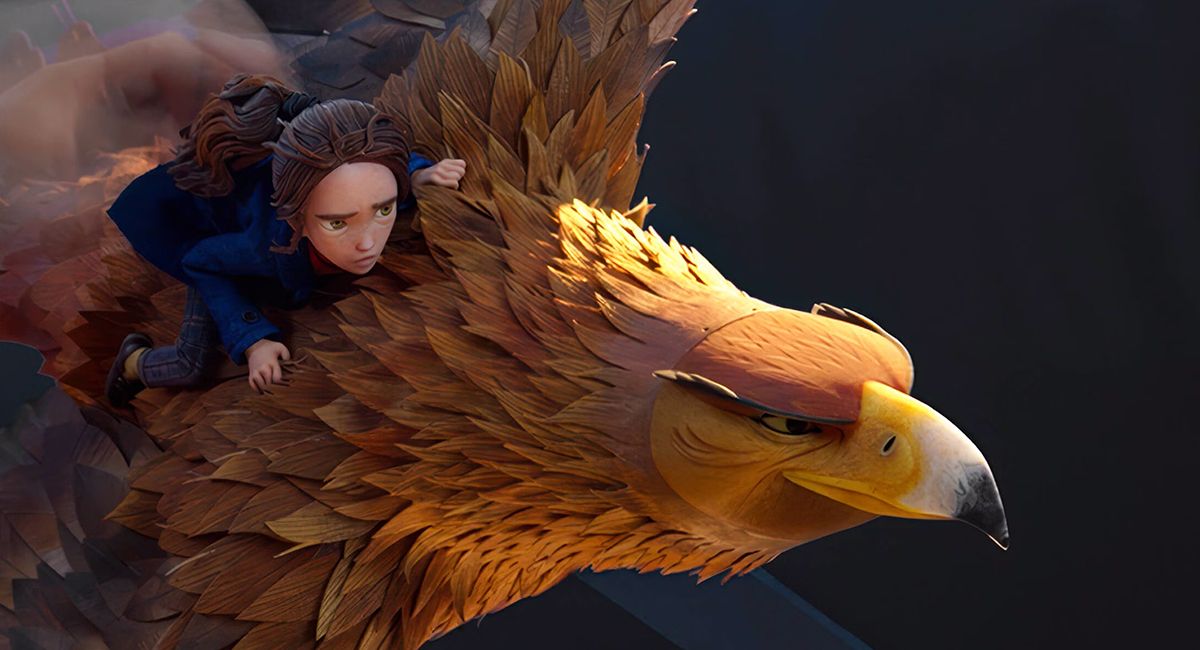
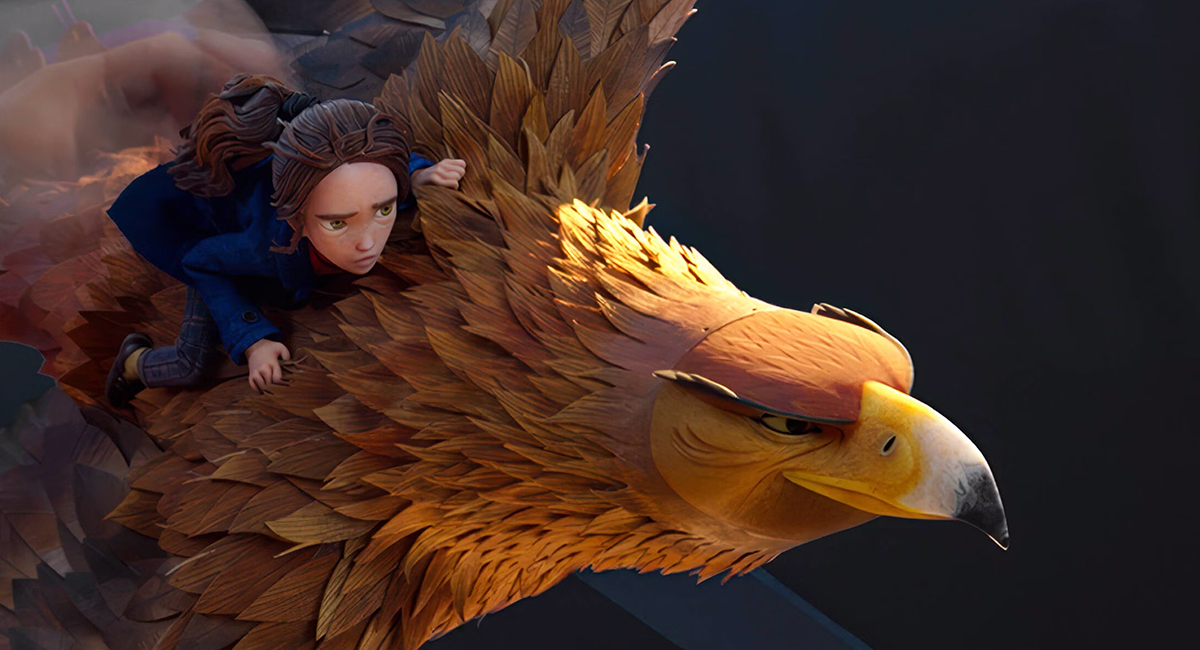
The production utilized over 230 practical puppets. These are not static figures; they are sophisticated mechanical marvels. Each character features internal metal armatures capable of subtle expressions that convey profound emotional depth. The level of detail is granular, as evidenced by the character of The General, a giant golden eagle. To bring this creature to life, the team crafted 9,000 individual, hand-made feathers, each meticulously attached to a flexible, skin-like fabric. This level of detail allows for a degree of realism that grounds the fantastical elements of the story in something tangible and tactile.
Hybridization Techniques
Laika has long been a pioneer in "Rapid Prototyping," a process using 3D printing to create thousands of unique faces for puppets, allowing for a range of human expression that rivals live-action performances. In Wildwood, this technology has been refined to include even more complex lighting interactions and atmospheric simulations, ensuring that the puppets interact with the digital environments—such as smoke, water, and shifting light—in a way that feels physically present.
Official Responses and the Creative Philosophy
The industry reaction to the trailer has been one of overwhelming reverence. On platforms like YouTube, viewers have noted that the lack of dialogue and the reliance on purely visual storytelling demonstrate a profound confidence in the audience’s ability to engage with high-concept art.
Travis Knight’s creative philosophy remains centered on the "soul" of the object. "Animation is an act of faith," he has often remarked. By refusing to outsource their production to purely digital environments, Laika maintains a unique aesthetic quality: weight. When a character in Wildwood moves, there is a physical inertia, a sense of gravity that is often absent in pure CGI.
The voice cast also highlights the prestige the studio holds in Hollywood. The ensemble includes Carey Mulligan, Awkwafina, Angela Bassett, Mahershala Ali, Jacob Tremblay, and Tom Waits. These actors are known for their ability to bring nuanced, grounded performances to their roles, suggesting that Wildwood will prioritize character-driven storytelling over spectacle, even while operating on an epic scale.
The Implications: Why ‘Wildwood’ Matters for Cinema
The release of Wildwood is more than a cultural event; it is a defensive line for the medium of animation. As studios increasingly look toward generative AI to reduce production costs and timeframes, Laika stands as the primary example of why the human element—the "hands"—cannot be replaced.
The Future of Stop-Motion
If Wildwood succeeds, it will likely pave the way for a renaissance in large-scale practical effects. It proves that there is a massive, untapped appetite for stories that look, feel, and behave like they exist in the real world. By pushing the boundaries of what is possible with physical sets, Laika is preventing the "uncanny valley" effect that often plagues fully digital animation.
Technological Convergence
The implication for the future of creative technology is significant. Wildwood showcases a perfect marriage between the "old" and the "new." By using the latest in digital cinematography, lighting, and motion control, the studio is showing that technology is at its best when it serves to highlight the flaws, textures, and humanity of physical craft, rather than hiding them.
Narrative Ambition
Finally, the choice to tackle a story of "Lord of the Rings" proportions demonstrates that animation is not a genre, but a medium capable of encompassing any scale of drama. The success of this film could encourage other studios to invest in high-budget, high-concept stop-motion, diversifying the landscape of blockbuster cinema away from the standard superhero or franchise-sequel model.
Conclusion
As we look toward the release of Wildwood in October 2026, the industry is watching closely. Laika has moved from being a niche studio known for quirky, dark tales to a powerhouse of cinematic craftsmanship. Wildwood represents the maturation of their vision: a film that is physically massive, emotionally profound, and, above all, deeply human.
In a world increasingly dominated by the ephemeral nature of digital pixels, Laika is building a monument to the tangible. They are proving that when you combine the infinite possibilities of digital tools with the stubborn, beautiful, and time-consuming reality of physical artistry, the result is something that transcends the screen. Wildwood is not just a movie; it is a reminder of why we fall in love with cinema in the first place—for the sheer, impossible, and breathtaking effort required to make a dream move, one frame at a time.









No comments yet. Be the first to join the conversation!