


The Mobile Suit Gundam franchise has long been the titan of the mecha genre, a cornerstone of Japanese pop culture that has evolved from its 1979 origins into a sophisticated vehicle for geopolitical storytelling. On January 30, 2026, the franchise reached a new artistic zenith with the release of Mobile Suit Gundam Hathaway: The Sorcery of Nymph Circe, the second installment in the ambitious feature film trilogy produced by Bandai Namco Filmworks and the legendary Sunrise animation studio.
Following the critical and commercial success of its predecessor, this second chapter deepens the narrative complexity of the Universal Century timeline. As the film approaches its North American theatrical release on May 15, 2026, it stands as a testament to the seamless integration of traditional 2D artistry and cutting-edge 3D computer-generated imagery.
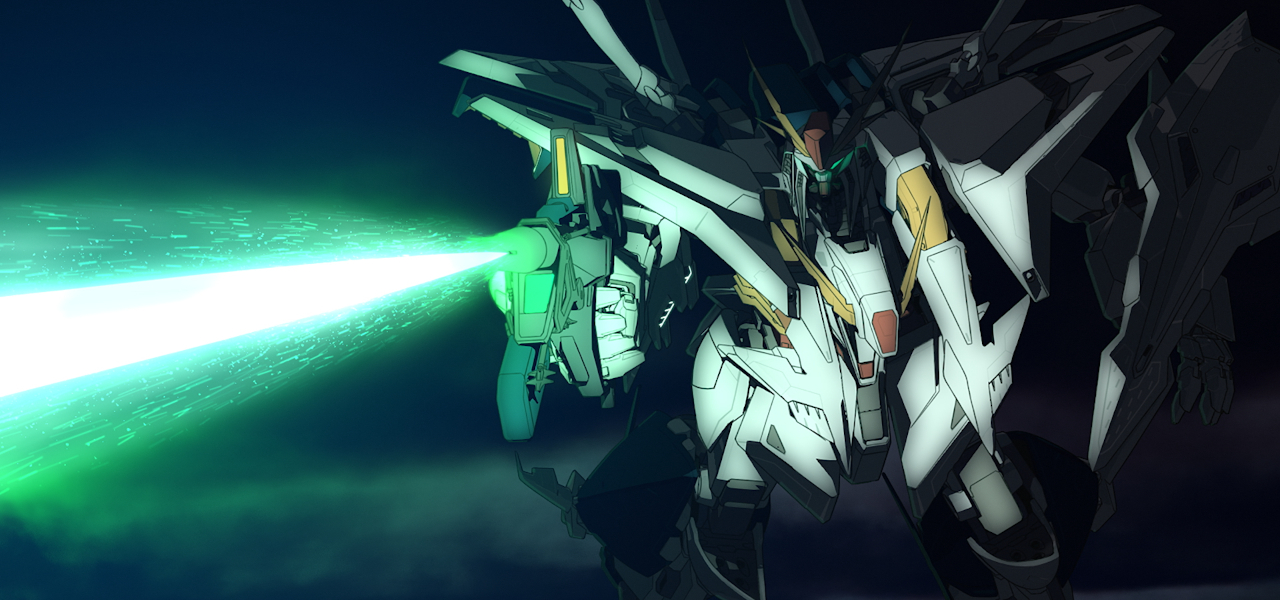
The Narrative Landscape: A Conflict of Ideals
Set within the turbulent Universal Century, The Sorcery of Nymph Circe centers on the maturation of protagonist Hathaway Noa, voiced by Kensho Ono. Noa, now older and increasingly burdened by the moral ambiguity of his actions, continues to spearhead the MAFTY resistance movement. His objective is the systematic dismantling of the Earth Federation, an organization depicted as increasingly corrupt and detached from the needs of the populace.
The tension of the film is anchored in the impending collision between MAFTY and the Earth Federation Forces, led by the formidable Kenneth Sleg. As the two factions converge on the critical Adelaide Conference, the stage is set for a high-stakes confrontation. The film distinguishes itself from standard action fare by emphasizing the weight and consequences of the conflict; here, the "Mobile Suits" are not merely heroic avatars, but terrifying instruments of war. The narrative trajectory focuses on the psychological erosion of its characters as they navigate a landscape of political maneuverings and high-velocity aerial combat.
.png)
Chronology and Production Evolution
The production of The Sorcery of Nymph Circe spanned five years, a period defined by the director’s desire to push the boundaries of the medium. Director Shukō Murase, a veteran of the animation industry with credits ranging from Final Fantasy IX (2000) to Witch Hunter Robin (2002) and Genocidal Organ (2017), has been instrumental in refining the visual identity of the Hathaway trilogy.
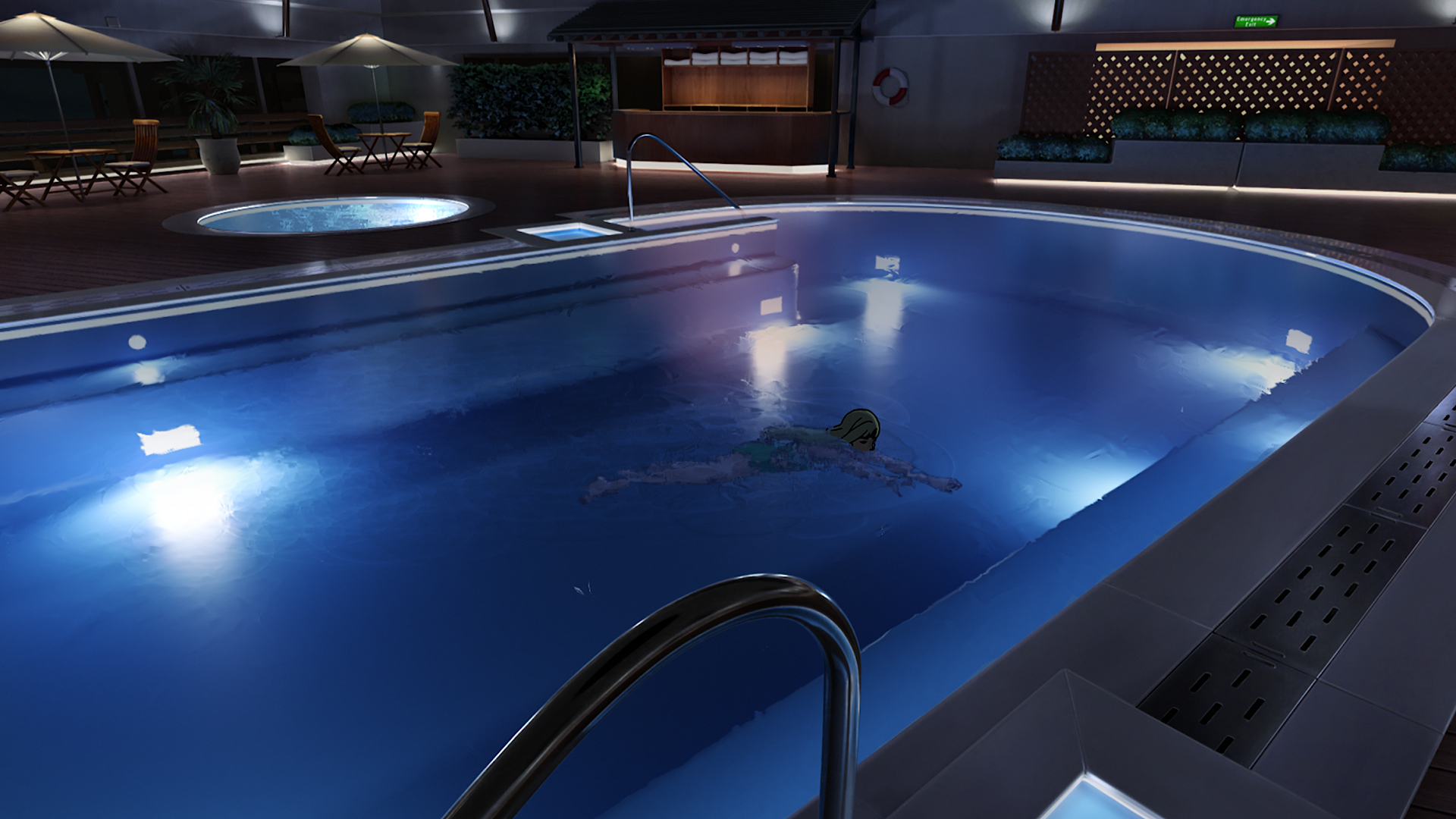
Murase’s journey with Sunrise began in the late 1980s, providing him with a profound understanding of the studio’s legacy. When asked about the evolution between the first and second chapters, Murase emphasizes a shift toward more disciplined, photorealistic lighting. "We brought in CG at an early stage to work on the lighting," Murase explains. "I wanted to implement lighting that was a little more realistic than in the first film. The challenge was how to reflect that in the art style."
This approach required a departure from traditional animation workflows. Typically, production departments work in silos, leading to inconsistencies in how light sources are interpreted across backgrounds and character models. By integrating CG early, Murase enforced a unified lighting logic, ensuring that both 2D hand-drawn elements and 3D assets occupied the same atmospheric space.
Technical Synergy: Integrating 2D and 3D
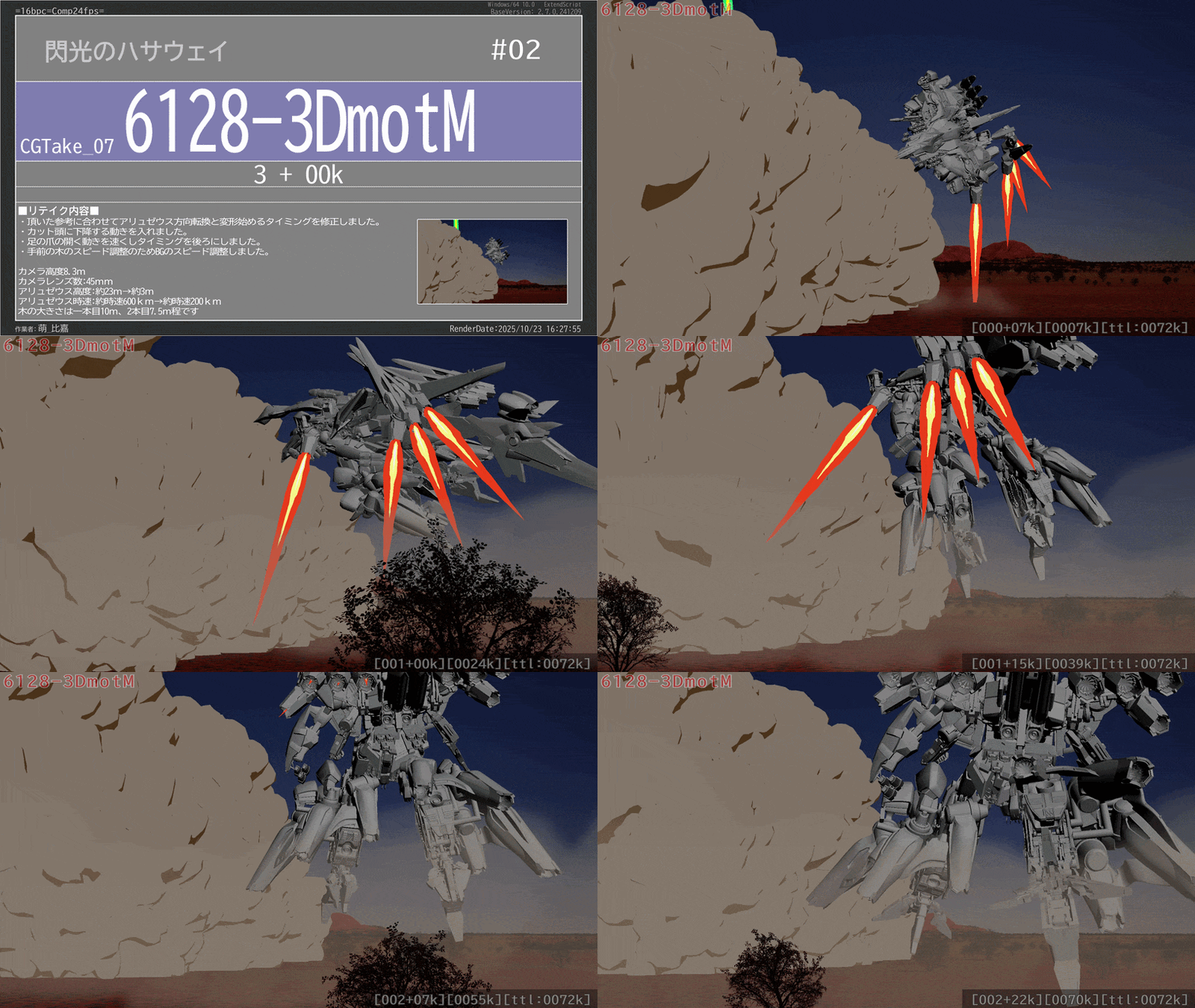
The most striking achievement of The Sorcery of Nymph Circe is its refusal to let the digital nature of its tools diminish the tactile quality of the animation. The film utilizes a complex hybrid workflow that blends 3D layouts with 2D character performances.
Bridging the Divide
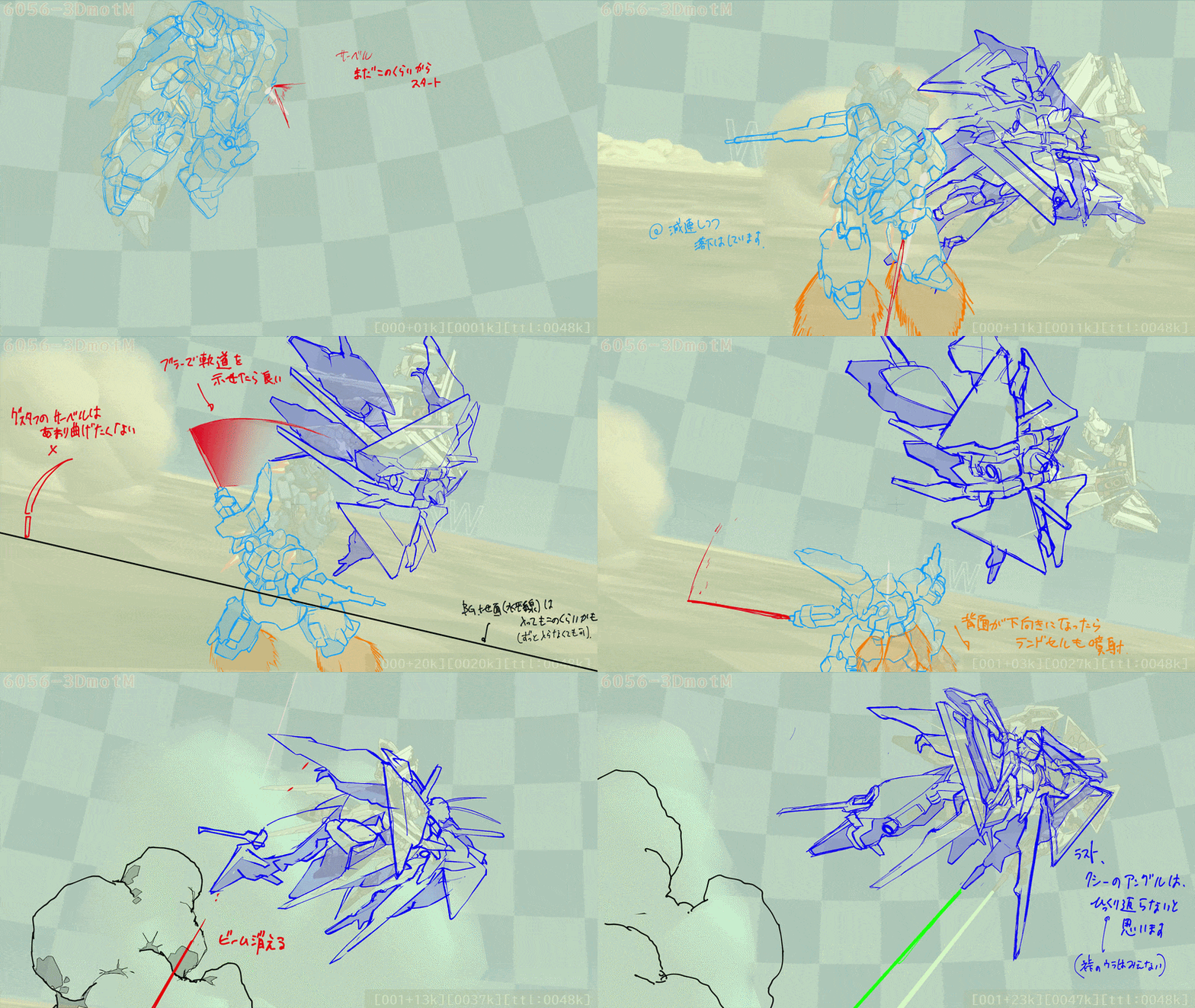
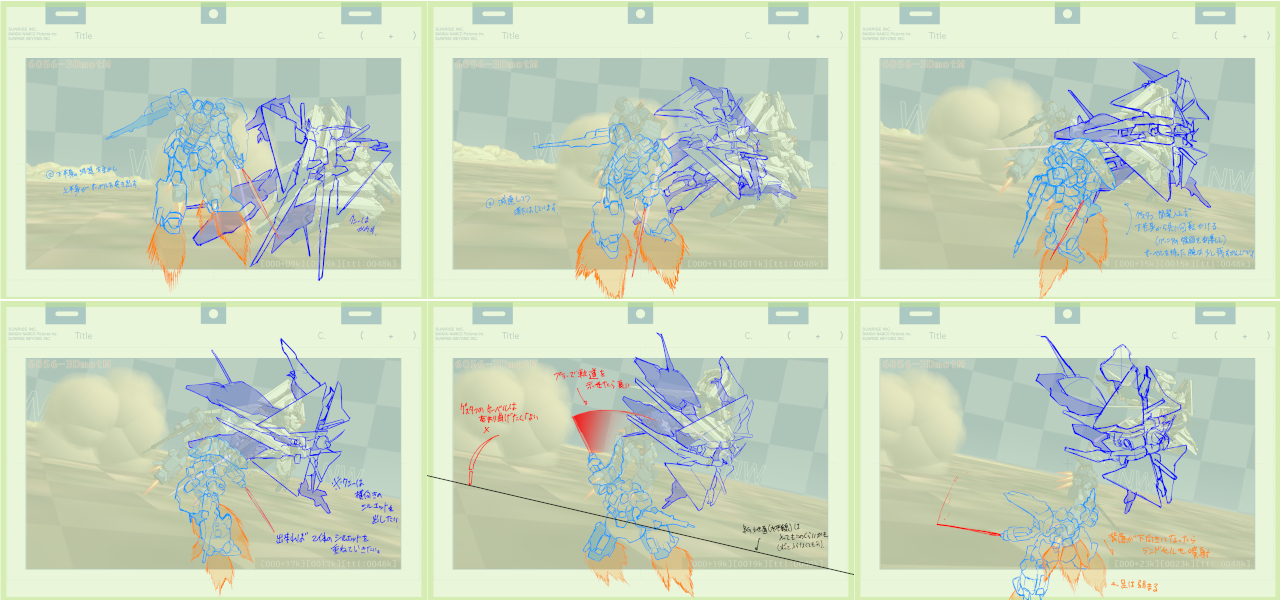
The transition from the first film to the second saw a significant increase in the use of CG for scene layouts. In the first film, many sequences were constructed primarily through hand-drawn techniques. In the sequel, the production team utilized 3D guides to provide spatial consistency. However, this created a new challenge: ensuring the "human touch" remained present.
"There is a lot of freedom in drawing by hand," notes Murase. "Even though we use 3D guides for the characters, some artists prefer not to use them. We specifically asked them, ‘Please believe that the guides are there for a purpose, and draw around them.’ The artists worked within those parameters so the backgrounds and art style would match what we had laid out."
Software and Technological Advancements
Over the five-year development cycle, the capabilities of CG software evolved significantly, allowing for more nuanced expression. According to Murase, techniques that were once restricted to high-level experts are now becoming standard entry-level skills. This democratization of technology has allowed the studio to achieve higher quality with greater efficiency. However, Murase warns that this evolution is a double-edged sword: "It makes it harder to combine CG with 2D elements. That is something that will continue to be challenging over the next few years."
The "Mobile Suit" as Character vs. Weapon
A recurring question for any Gundam production is how to treat the titular mecha. In the broader franchise, Gundams are often marketed as individual characters, complete with unique personalities and iconic designs that translate into popular plastic model kits.
In Hathaway, however, the production team made a deliberate creative choice to strip away the "heroic" aura of the machines. "In this series, we toned down that character aspect and really used them more as weapons or vehicles," says Murase. The thematic focus on war and political instability necessitated this shift. By treating the Mobile Suits as heavy, lethal, and impersonal machines, the film enhances the stakes of the conflict. The audience is meant to feel the sheer mass and destructive capability of these suits, rather than viewing them as agile, stylized superheroes.
Official Responses and Industry Reception
The film’s release in Japan in January 2026 was met with widespread critical acclaim, particularly for its technical ambition. Critics have noted that the film succeeds where many hybrid-animated projects fail: it avoids the "uncanny valley" by prioritizing a cohesive visual aesthetic over the sheer novelty of the technology.
By grounding the high-tech action in a realistic, almost gritty, cinematic language, Murase has managed to satisfy both the longtime fans of the franchise and a new generation of cinemagoers who demand high-fidelity visual storytelling. The positive reception reflects a broader industry trend where the line between "animated film" and "prestige cinema" is increasingly blurred, with Gundam leading the charge in the mecha genre.
Implications for the Future of Anime
The success of The Sorcery of Nymph Circe provides a roadmap for the future of large-scale anime production. As studios continue to grapple with the rising costs and labor-intensive nature of hand-drawn animation, the hybrid model utilized by Sunrise offers a sustainable path forward—provided, as Murase notes, that the "soul" of the art is preserved.

The implications for the industry are three-fold:
- Standardization of Lighting: The use of early-stage CG for lighting logic is likely to become a industry standard for high-budget anime, ensuring that disparate departments can collaborate more effectively.
- Shift in Narrative Tone: The success of Hathaway proves that audiences are willing to engage with darker, more "grounded" takes on classic franchises, potentially signaling a decline in the dominance of "super-powered" tropes in the mecha genre.
- The Role of the Director: As technology automates more technical tasks, the role of the director as a "curator of aesthetics" becomes more vital. The director must ensure that the tools serve the story, rather than the story being dictated by the constraints of the software.
As fans in North America prepare for the May 15, 2026, release, Mobile Suit Gundam Hathaway: The Sorcery of Nymph Circe stands as a masterclass in modern animation. It is a film that respects the deep, complex history of its source material while fearlessly embracing the future of digital craftsmanship. Whether one is a devotee of the Universal Century or a newcomer to the cockpit, the film offers a visceral, intellectually stimulating experience that marks a new high-water mark for the mecha genre.









No comments yet. Be the first to join the conversation!