

By Lacy Baugher
May 13, 2026
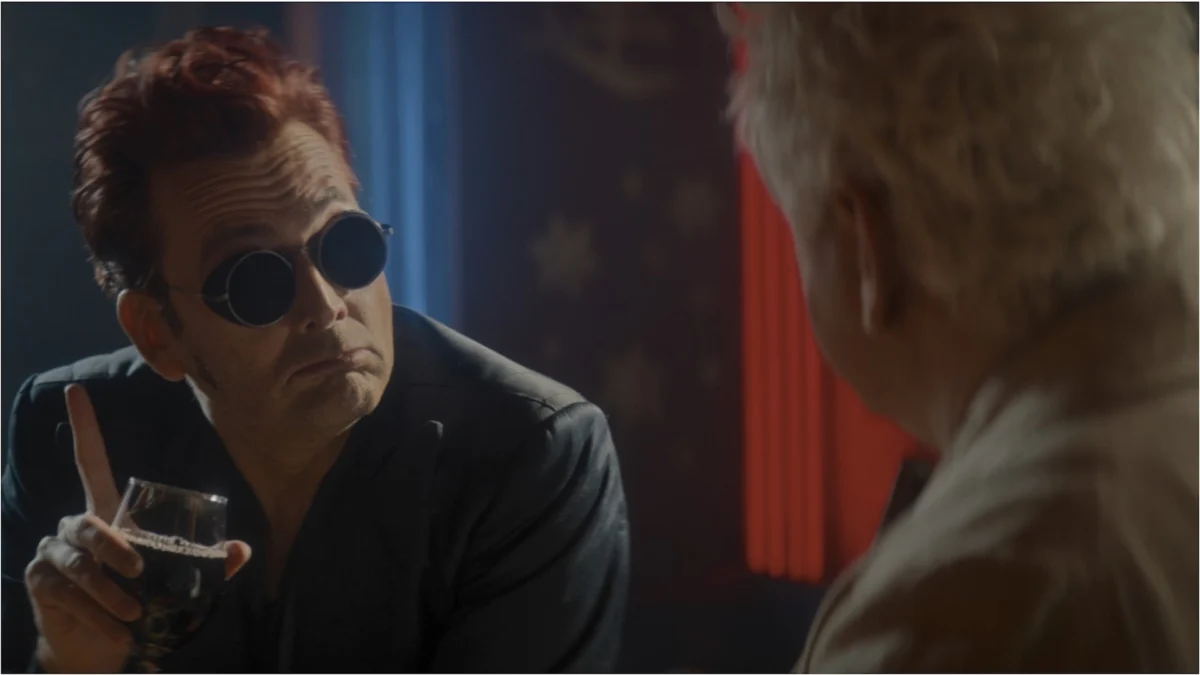
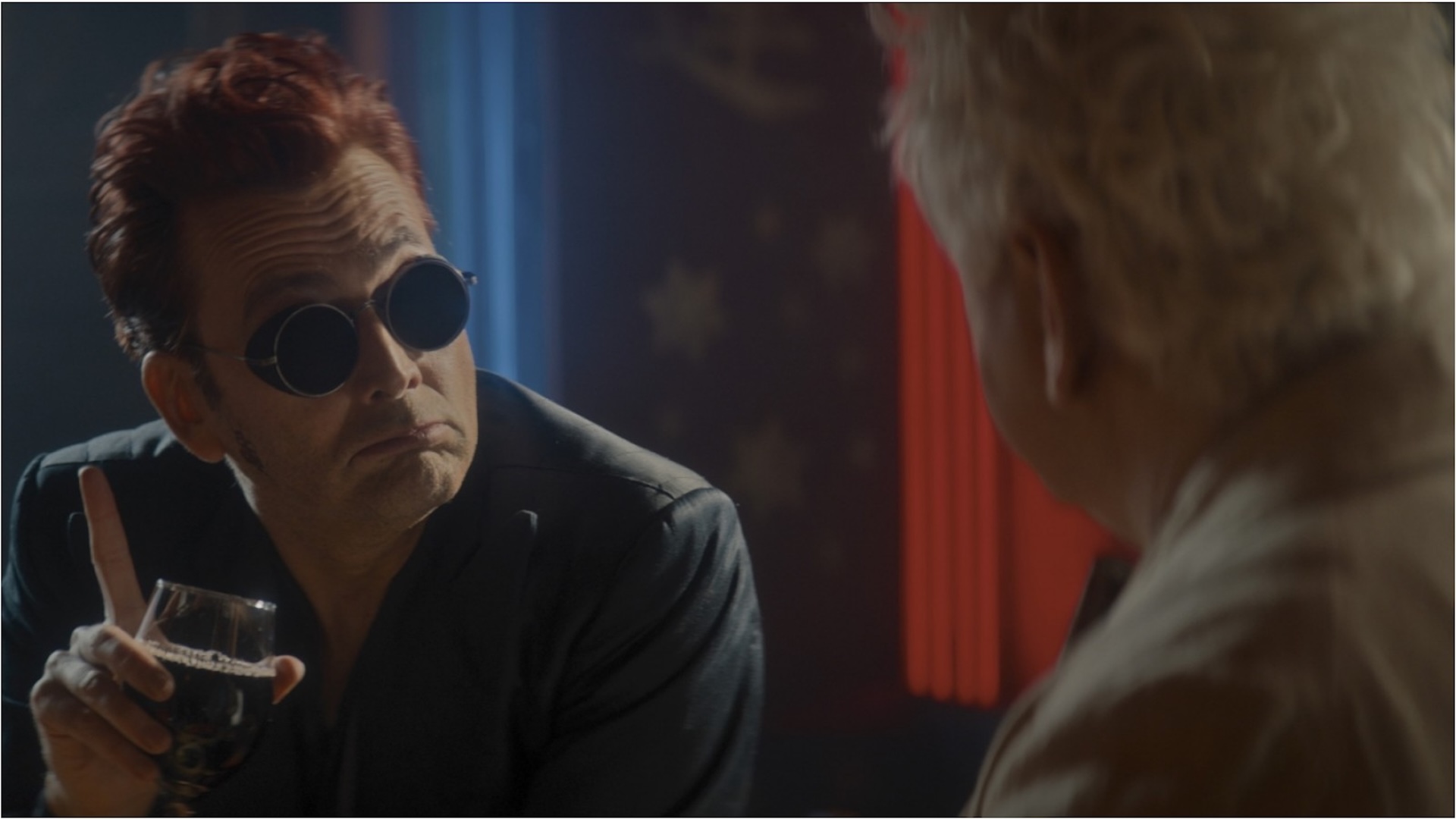
The journey that began with an unlikely alliance between a fast-living demon and a fastidious angel has reached its final, celestial destination. For years, the Good Omens fandom has existed in a state of nervous anticipation, speculating on how creators would resolve the centuries-long cosmic dance between Aziraphale (Michael Sheen) and Crowley (David Tennant). With the release of the series finale, the story has finally concluded. While the final 96 minutes carry the weight of a production condensed from a sprawling six-episode arc into a singular, frantic cinematic experience, the result is a poignant, if bittersweet, meditation on the nature of love, agency, and the "ineffable" human condition.
The Chronology of the Apocalypse
To understand the final resolution, one must track the rapid escalation of the finale’s events. The narrative ostensibly begins with the looming threat of the Second Coming—a plot point that introduces Bilal Hasna’s charmingly soft-spoken Jesus. However, it quickly becomes clear that the Second Coming is merely a distraction. The true catalyst for the end of reality is the disappearance of the Book of Life.
As the celestial register—the definitive record of all reality—is stolen by Archangel Michael, who is disillusioned by centuries of divine oversight, the stakes shift from a theological debate to an existential crisis. The destruction of the book, page by charred page, within the Eternal Flame signals the unraveling of existence itself. Even as Aziraphale attempts to intervene, the damage is absolute. Only a single, scorched page—a record of the Whickber Street bookshop—survives, serving as a symbolic anchor for the protagonists’ shared history.
The narrative momentum accelerates as the Metatron and his archangels are erased, leaving Aziraphale and Crowley as the final conscious beings in a void. This vacuum sets the stage for the arrival of the ultimate authorities: Satan (Toby Jones) and God (Tanya Moodie).
The Great Debate: Free Will and Divine Design
The final act serves as a philosophical crucible. Confronted by the architects of their reality, Crowley and Aziraphale engage in a discourse that transcends the series’ usual lighthearted wit. The core of their conflict rests on the "Problem of Evil"—a classic theological paradox. Why would an omniscient Creator design a universe where free will is a precursor to suffering?
Crowley, ever the skeptic, challenges the systemic failure of the divine hierarchy, while Aziraphale, ever the romantic, mourns the loss of a connection that felt destined yet was consistently denied by bureaucratic divine decree. The showrunners wisely avoid providing a reductive answer to these age-old questions. Instead, they choose to "upset the board." God, acting as both judge and observer, offers the pair the ultimate choice: a reset. They are granted the agency to define the parameters of a new existence, effectively placing the burden—and the gift—of creation into the hands of those who spent millennia observing humanity from the sidelines.
Supporting Data: The Cost of the "New World"
The implications of this choice are heavy. As the two retreat into a pocket of reality resembling a pristine Garden of Eden, the tension between them reaches a breaking point. Aziraphale’s desire is simple: he wants his counterpart, the demon who taught him to appreciate the beauty of the world. Crowley’s perspective is more expansive; he demands a universe where free will is untethered from celestial or infernal interference.
This requires a sacrifice of cosmic proportions. For a world to exist where humanity can truly flourish without the shadow of an impending apocalypse, the entities of Heaven and Hell—including the versions of Aziraphale and Crowley the audience has grown to love—must cease to exist.
The final sequence, where the two characters disintegrate while holding hands, is a masterclass in emotional storytelling. It is not a death in the traditional sense, but a surrender of their identities for the sake of the very humanity they grew to cherish. The "Big Bang" that follows is not a destruction, but a rebirth—a clean slate for a world that can finally evolve on its own terms.
Official Responses and Creative Direction
The production team behind Good Omens has faced the daunting task of satisfying a devoted, highly analytical fanbase. While the pacing of the finale has drawn criticism for being somewhat rushed—a direct consequence of compressing a planned six-episode narrative into a feature-length format—the creative intent remains clear.
In interviews, the production team has emphasized that the goal was never to provide a neat, episodic resolution. Instead, they aimed to honor the core thematic pillars established in Terry Pratchett and Neil Gaiman’s original source material: that humanity is, in itself, the greatest miracle, and that love—in all its forms—is the only constant in an indifferent universe.
The Humanization of the Ineffable: A Happy Ending?
The most pressing question for the audience remains: do Aziraphale and Crowley get their happy ending? The answer is both "no" and "yes."
The specific angel and demon we followed for three seasons are gone. They are casualties of the reset. However, the coda of the finale offers a resolution that is arguably more romantic than an eternal life in the clouds. We are introduced to Professor Anthony Crowley and a bookseller named Asa Fell. These are human manifestations of the characters, living in a reality devoid of divine hierarchy.
Their meeting is a "meet-cute" in the purest sense: an astrophysicist wandering into a bookstore. Their progression over the next twenty years—culminating in a quiet life in a South Downs cottage, complete with wedding rings and the song of nightingales—is a testament to the idea that some souls are simply destined to find one another. They do not remember their past lives, but their chemistry remains intact. It is a soft, domestic, and deeply earned conclusion.
Implications for the Genre
Good Omens has always been an outlier in the fantasy genre, blending apocalyptic stakes with a deeply intimate character study. By choosing to end the series with the erasure of the supernatural, the show makes a bold statement: the most significant story isn’t the war between Heaven and Hell; it’s the quiet, daily act of choosing someone else.
The finale moves away from the "chosen one" trope and toward a narrative of "collective agency." By allowing the characters to choose the terms of the next universe, the series shifts the responsibility from the divine to the individual. This is a profound departure from traditional apocalyptic narratives, which usually focus on survival or restoration.
Final Reflections
Ultimately, the Good Omens finale is a bittersweet masterstroke. It acknowledges that the journey we take often changes us so fundamentally that we cannot return to the people we once were. For Aziraphale and Crowley, their sacrifice was the ultimate expression of the love they were told was forbidden.
Whether viewers are satisfied with the specific mechanics of the ending—the accelerated pacing or the loss of the original celestial forms—is secondary to the emotional resonance of the final scene. In a universe that was often cold, bureaucratic, and indifferent, these two figures chose to care for one another and for humanity. In the end, they created a world where they didn’t have to be heroes or villains; they just had to be human. And, as the series suggests, that is more than enough.
Good Omens leaves behind a legacy of curiosity and empathy. While the characters may have changed, the message remains: love endures, even across the span of an entire universe, and sometimes, the best way to save the world is to simply let it be.











No comments yet. Be the first to join the conversation!