Nana
Nana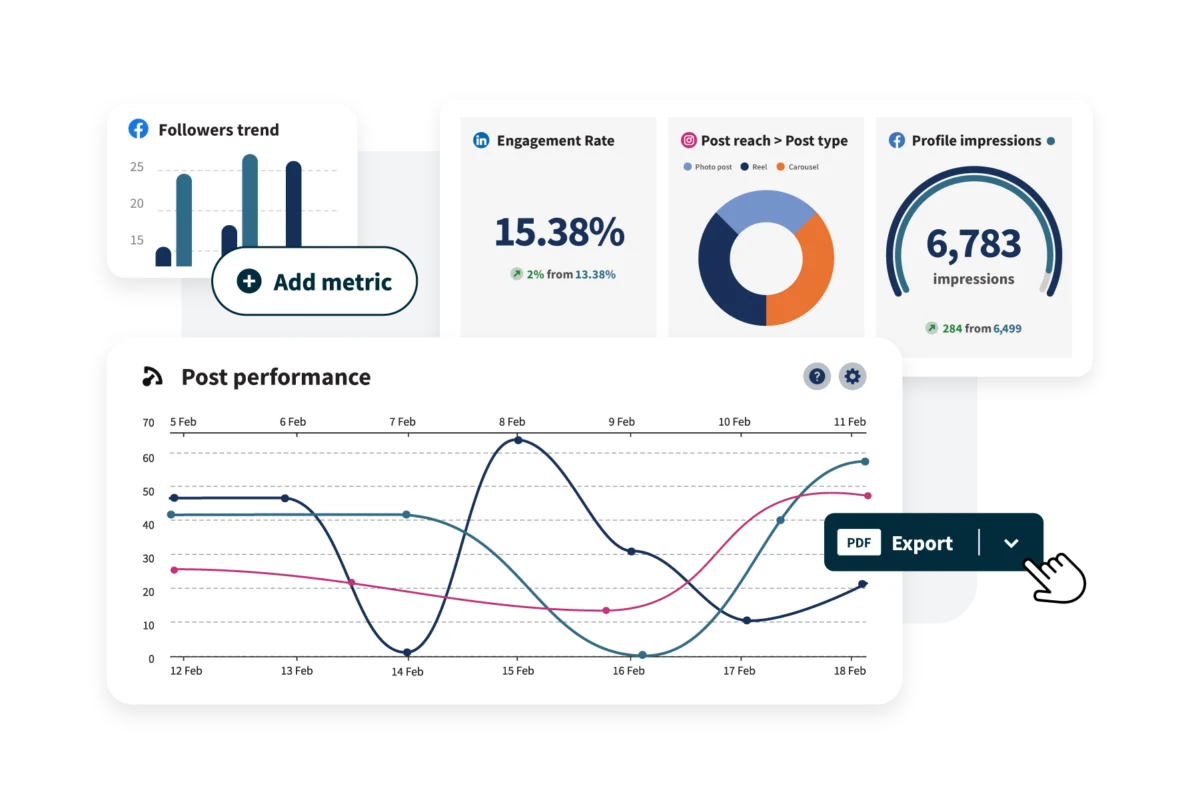
In the rapidly evolving landscape of digital marketing, social media managers often find themselves at a crossroads: should they simply "boost" an existing post to reach a wider audience, or should they invest the time and resources into building a sophisticated, full-scale social advertising campaign?
As of 2026, with social media platforms commanding nearly 32% of all U.S. digital advertising expenditure, the stakes for getting this decision right have never been higher. Understanding the fundamental differences between these two approaches is no longer just a tactical choice—it is a critical component of ROI-driven marketing.

The Core Distinction: Simplicity vs. Sophistication
At its most basic level, the distinction between a boosted post and a social ad comes down to the point of origin and the level of control.
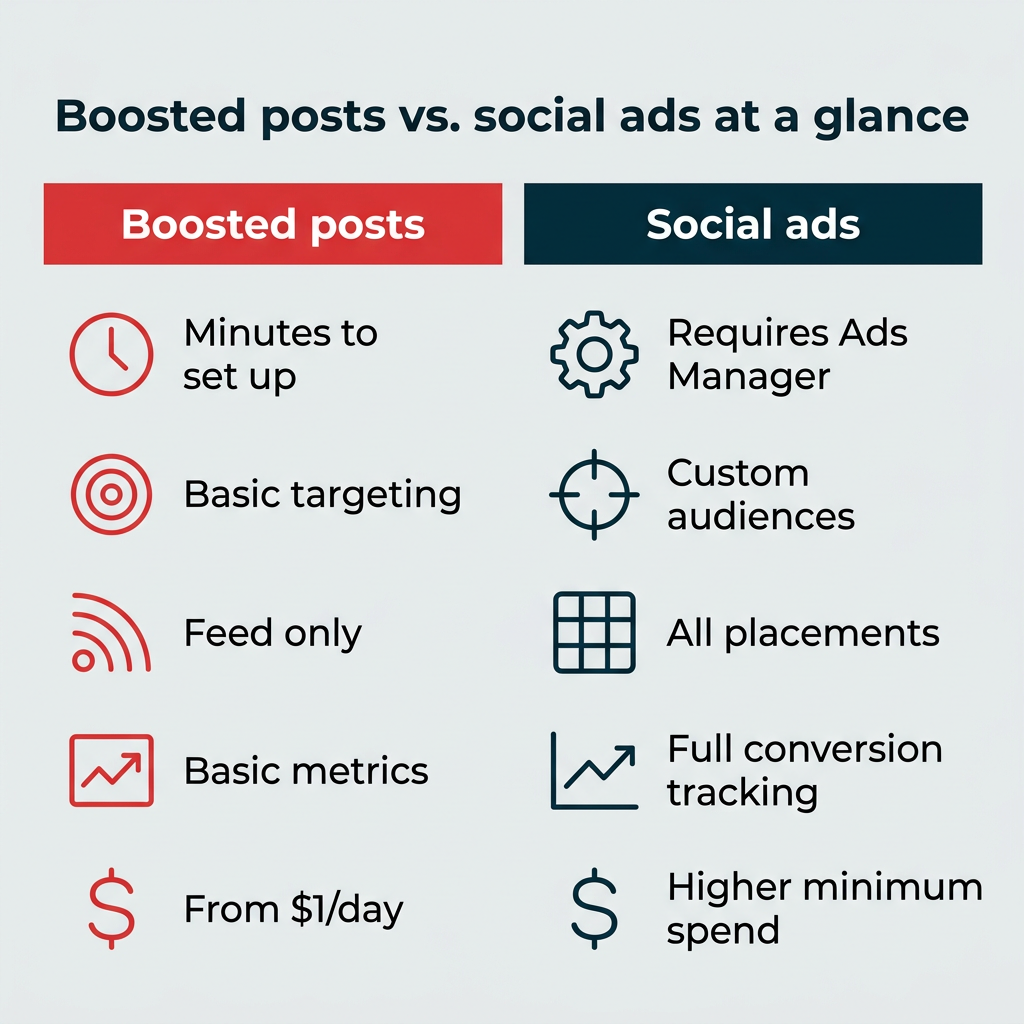
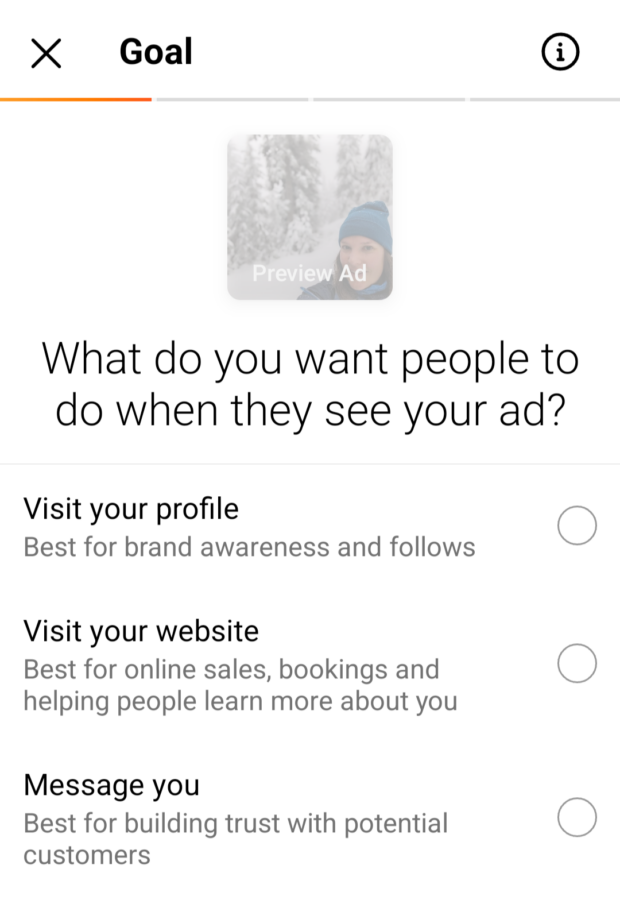
A boosted post is an existing piece of organic content that you pay to amplify. It is designed for speed and ease of use, allowing brands to put "gasoline on the fire" of content that is already gaining traction. It is the digital equivalent of a quick-response marketing tactic.

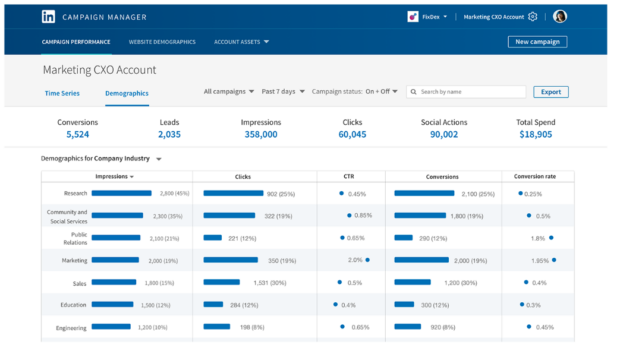
Conversely, a social ad is a purpose-built campaign created within a platform’s native advertising infrastructure, such as Meta Ads Manager or LinkedIn Campaign Manager. These are not existing posts; they are custom-built assets designed with a specific conversion goal in mind before the creative is even produced.
Chronology of an Advertising Strategy
For most growing brands, the journey from amateur social media presence to sophisticated performance marketing follows a predictable timeline:

- The Organic Foundation: Brands begin by posting content organically to build a community and understand what resonates with their audience.
- The "Boosting" Phase: As high-performing posts are identified, brands use boosted posts to capitalize on that momentum, driving more engagement and follower growth without needing a dedicated design team.
- The Transition to Performance: As business objectives shift toward measurable outcomes—such as website sales, app installs, or lead generation—the brand moves into the professional ads manager environment.
- The Unified Strategy: The most successful enterprise brands eventually adopt a hybrid model, using boosted posts for brand awareness and community building, while reserving full-scale ad campaigns for conversion-heavy, data-driven objectives.
Supporting Data: By the Numbers
To understand why this choice matters, one must look at the performance metrics. While a boosted post might net you high "vanity" metrics—likes, comments, and shares—it often fails to provide the granular conversion data necessary for calculating true Return on Ad Spend (ROAS).
- Reach vs. Conversion: Boosted posts typically achieve higher engagement rates because they are already proven content. However, full ad campaigns have been shown to drive significantly higher conversion rates, often by a factor of 3x to 5x, due to the precision of retargeting pixels and custom audience segments.
- The Cost of Convenience: A significant factor in 2026 is the "convenience tax." For iOS users, boosting directly through the Instagram or Facebook mobile app incurs a 30% service fee imposed by Apple. Savvy marketers avoid this by utilizing desktop browsers or third-party management tools like Hootsuite, which allow for professional-grade management without the hidden platform markups.
- The "Learning Phase": Meta’s algorithms require roughly 50 conversion events per week to optimize effectively. Full ad campaigns are designed to reach this threshold, whereas boosted posts are often too broad to achieve this level of algorithmic learning.
Official Industry Perspectives
Industry experts and platform documentation consistently highlight that while boosted posts are an entry-level tool, they are not intended for complex sales funnels.
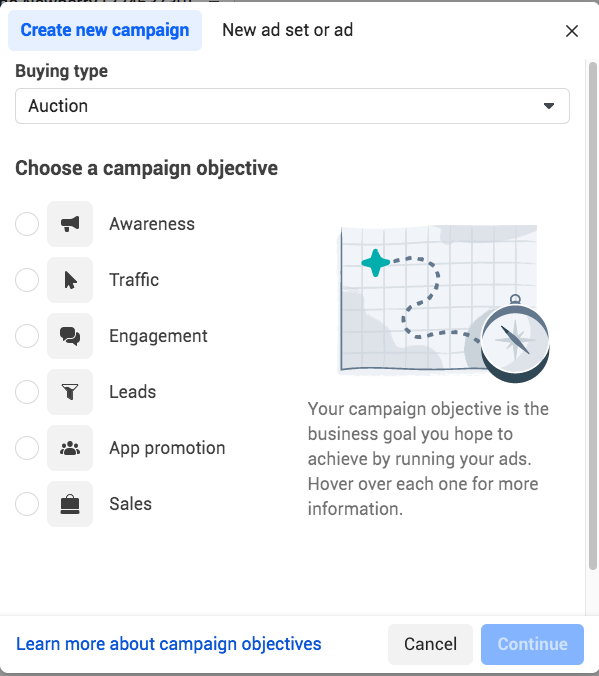
Meta’s official documentation emphasizes that boosted posts are for "awareness and engagement," while their Ads Manager suite is built for "outcomes and business results." Similarly, LinkedIn notes that while boosted posts are excellent for thought leadership and company culture, their Campaign Manager is the only place where advanced account-based marketing (ABM) and lead-form automation can take place.
The consensus is clear: if you are measuring success by clicks, use a boost. If you are measuring success by revenue, use an ad.
Implications for Your Marketing Strategy
Choosing the wrong format can lead to significant budgetary waste.
The Pitfalls of Over-Boosting
Many small teams fall into the trap of "boosting everything." This results in fragmented data and a lack of clear attribution. If you boost five different posts on the same topic, you are essentially competing against yourself in the auction, driving up your own costs while gaining no actionable insights.
The Power of Full Ad Campaigns
Full ad campaigns allow for dynamic creative optimization. This means the platform will automatically test different headlines, images, and call-to-action buttons to see which combination drives the lowest cost per lead. A boosted post, by contrast, is static; what you see is what you get.
The Hybrid Approach
The most effective strategy in 2026 is the "Test-to-Scale" methodology:
- Test: Publish organic content. Identify the "winners" based on organic engagement metrics.
- Amplify: Use a modest boosted post budget to further validate the content with a slightly wider audience.
- Scale: Once you have a proven winner, rebuild that content as a full ad campaign in your Ads Manager, add a strong, conversion-oriented call-to-action, and apply advanced targeting (such as lookalike audiences based on your customer email list).
Tactical Considerations for Implementation
When to use a Boosted Post:
- You want to reach a broader audience for a non-conversion goal (e.g., brand awareness).
- You have an organic post that is already performing well and you want to "ride the wave."
- You have limited time, a small team, and no dedicated designer.
- You are promoting thought leadership, customer spotlights, or local event awareness.
When to use a Social Ad:
- You have a clear conversion goal (e.g., "Sign up for our webinar" or "Buy this product").
- You need to use specific targeting, such as retargeting visitors who abandoned their shopping cart.
- You want to run A/B tests on creative, headlines, and audience segments.
- You are looking to scale your campaign and need to track specific ROAS metrics.
Conclusion: Mastering the Dashboard
The evolution of social advertising has made it easier than ever to spend money, but harder to do so effectively. The key to long-term success lies in professionalizing your approach. While the "boost" button remains a useful tool for quick wins and organic amplification, it should be treated as a supplement, not a substitute, for a robust, data-driven advertising strategy.
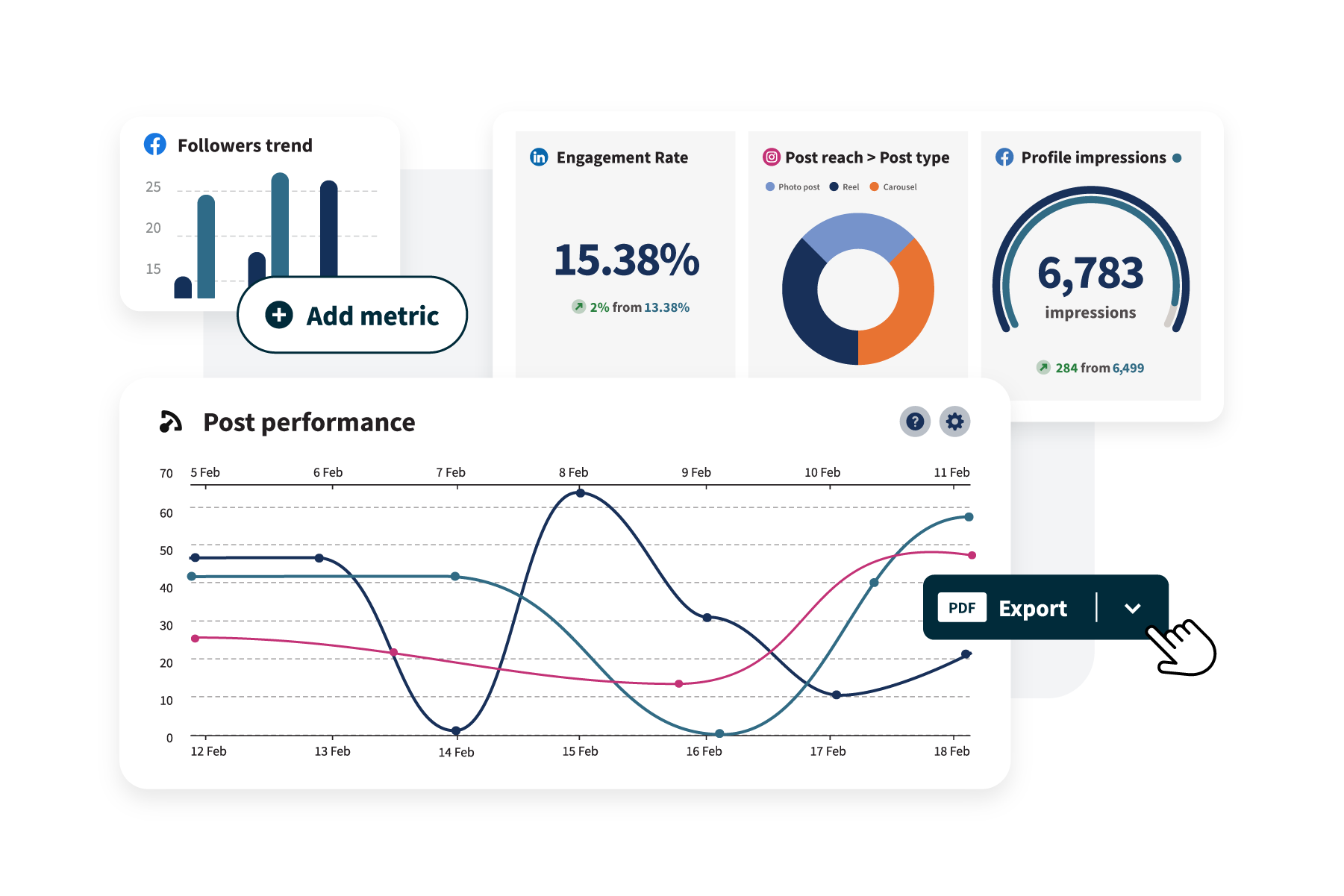
By leveraging unified dashboards—like those offered by Hootsuite—marketers can bridge the gap between simple boosting and complex ad management. This integration allows for the seamless transition of high-performing organic content into full-scale, conversion-optimized campaigns, ensuring that every dollar spent contributes to the bottom line.
As we look toward the remainder of 2026 and beyond, the brands that win will be those that stop viewing "boosted posts vs. ads" as a binary choice and start viewing them as two ends of a sophisticated, integrated funnel. Start by auditing your organic content, identify your highest-performing themes, and begin the transition toward a more structured, results-oriented advertising model. Your ROI will thank you.


 Raul Delapena Setiawan
 Laily UPN