

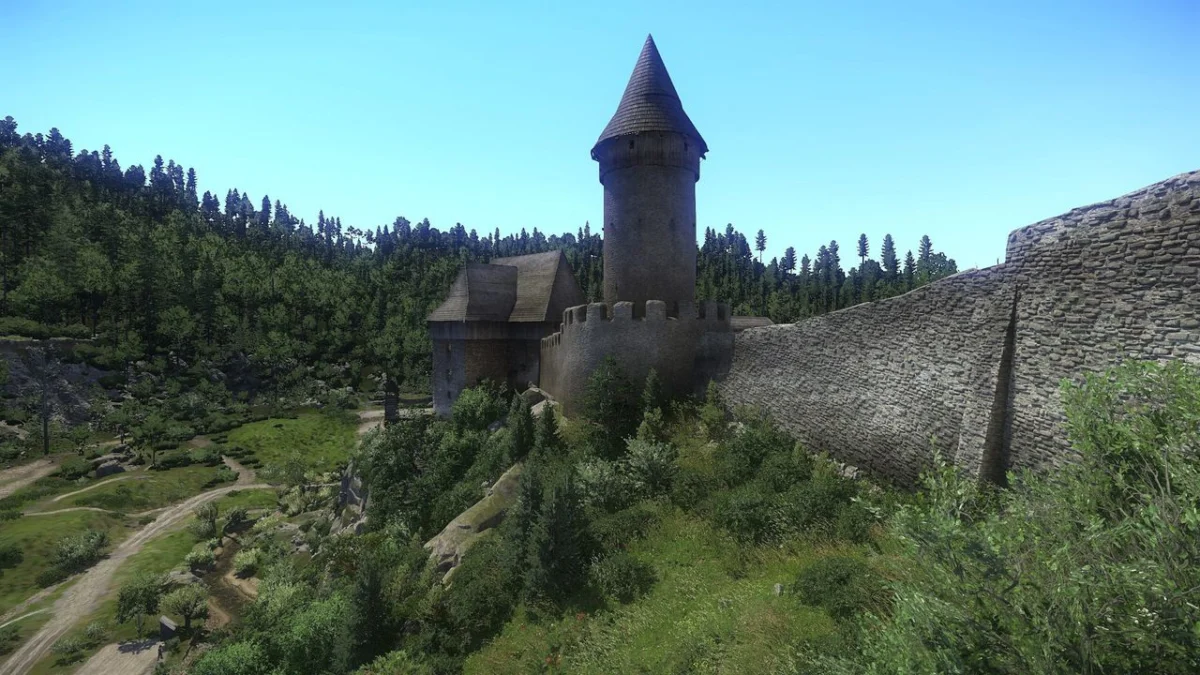
In a remarkable convergence of digital entertainment and cultural heritage, Warhorse Studios, the developer behind the acclaimed historical RPG Kingdom Come: Deliverance (KCD), has announced a significant financial contribution toward the restoration of a real-world monument. The studio has pledged $65,000 to the preservation of Pirkštejn Castle, a 14th-century Gothic fortress that serves as a pivotal setting within the game. This donation, made possible through a community-driven initiative during Steam’s Medieval Fest, underscores the unique relationship between the studio’s commitment to historical authenticity and its real-world impact on the Bohemian landscape.
A Legacy of Stone and Conflict: The History of Pirkštejn
Pirkštejn Castle, situated in the picturesque Posázaví region of Central Bohemia, stands as a testament to the turbulent history of the Czech lands. Founded in the 14th century, the castle has weathered nearly seven centuries of political upheaval, architectural evolution, and environmental decay.
The fortress was never merely a static monument; it was a living participant in the history of the region. Over its 675-year existence, Pirkštejn has changed ownership numerous times, mirroring the shifting power dynamics of the Bohemian nobility. Its structural integrity has been tested repeatedly, most notably by a devastating fire in the 15th century—a period of intense conflict—and a peasant revolt in the 17th century that left the structure scarred.
Despite surviving the fires of war and the slow, inexorable erosion caused by centuries of neglect, the castle reached a state of "critical condition" by the early 21st century. The iconic bell tower, a silhouette synonymous with the skyline of the Rataje nad Sázavou area, became the focal point of urgent structural concerns. Without substantial intervention, the tower faced the real risk of collapse, potentially erasing a piece of Gothic architecture that had stood since the late Middle Ages.
The Chronology of Preservation
The journey to save Pirkštejn did not begin with a single check, but rather a slow gathering of public awareness. The timeline of the castle’s modern salvation can be traced through the following milestones:
- 14th Century: The original construction of Pirkštejn Castle, serving as a secondary fortress to the main Rataje castle.
- 15th–17th Century: A period of decline marked by major structural damage from fires and civil unrest.
- Early 2020s: Local preservationists and historical societies begin lobbying for emergency funding to stabilize the site.
- 2025: Official, large-scale restoration efforts commence, bolstered by a coalition of private donors, local parishes, and European government grants.
- May 2026: Warhorse Studios announces the successful completion of its fundraising initiative, contributing $65,000 to the project.
The 2025 restoration effort marked a turning point. It brought together diverse stakeholders—from small-town civic leaders to international enthusiasts—who recognized that the castle’s value exceeded its function as a historic site; it was a cornerstone of regional identity.
The Role of Gaming in Historical Stewardship
When Warhorse Studios set out to create Kingdom Come: Deliverance, they prioritized "historical realism" above all else. By meticulously recreating 15th-century Bohemia, they inadvertently created a global audience of history enthusiasts. This digital recreation served as a catalyst for real-world interest in the Czech Republic.
During Steam’s Medieval Fest, the developers opted to bridge the gap between their virtual world and reality. They pledged to donate $1 for every copy of Kingdom Come: Deliverance sold during the event. This strategy was not only a successful marketing maneuver but a genuine investment in the community that fueled their success.
"During Steam’s Medieval Fest, we pledged to donate $1 for every copy of KCD sold," the studio stated via their official social media channels. "Thanks to you, our incredible community, we’ve donated over $65k towards the preservation of Pirkštejn Castle. You made this possible."
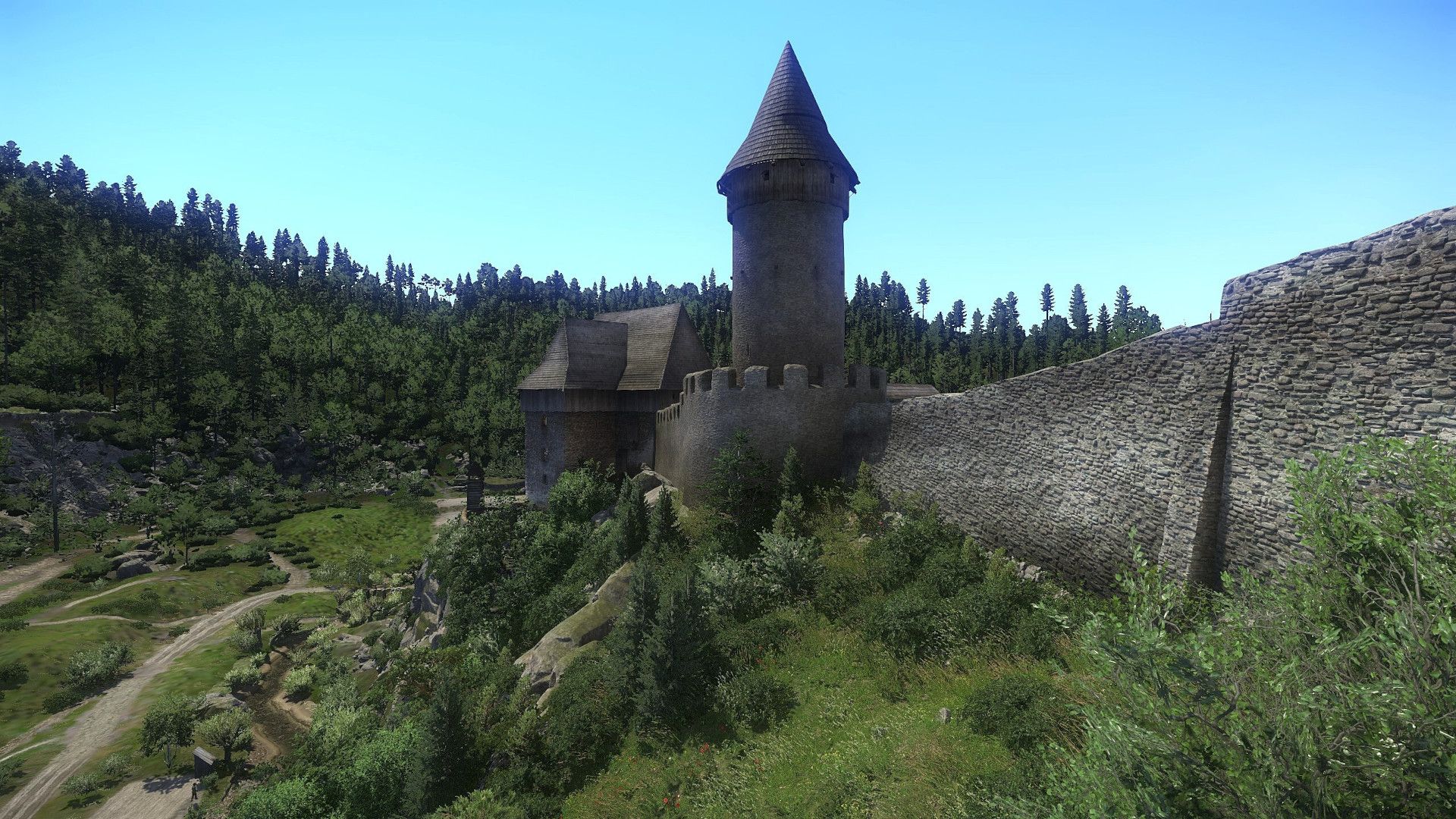
This funding is earmarked specifically for the restoration of the bell tower, the most architecturally sensitive area of the property. By targeting the tower, the donation addresses the most immediate threat to the castle’s safety, ensuring that the silhouette seen by thousands of players in the game remains a fixture of the Czech landscape for future generations.
Beyond the Digital: A Symbiotic Relationship
The collaboration between Warhorse Studios and the Bohemian authorities represents a shift in how game developers interact with the physical locations they represent. According to the Central Bohemian tourism board, the impact of Kingdom Come: Deliverance has been profound.
There are now established hiking trails surrounding the real-life Pirkštejn Castle that are explicitly marketed as being inspired by the game. Tourism officials have noted a steady influx of international travelers who are visiting the region specifically because they recognized the geography from their time spent playing as Henry in the game. This creates a feedback loop: the game drives tourism, the tourism supports the local economy, and the local economy provides the framework to maintain the historical sites—which in turn bolsters the game’s relevance.
This relationship is, at its core, symbiotic. It validates the "history nerd" demographic that the game attracts while providing government officials with a tangible metric for the economic value of cultural preservation. When a player visits the actual castle, they are not just looking at a pile of rocks; they are stepping into the setting of a story that has become part of their personal experience.
Implications for Cultural Heritage
The success of the Pirkštejn restoration project sets a precedent for other studios. As video games become increasingly hyper-realistic, they are becoming the primary gateway through which younger generations learn about history. When developers take responsibility for the preservation of these sites, they reinforce the message that the history they depict is not just content—it is our collective heritage.
However, the scale of this project also highlights the fragility of such monuments. Private donations and the occasional windfall from a successful game sale are vital, but they are often stopgap measures. The "critical condition" of Pirkštejn serves as a reminder that the preservation of European heritage is a multi-generational responsibility.
The $65,000 contribution from Warhorse is a significant infusion of capital, but it also functions as a powerful symbol. It signals to the global gaming community that these locations are worth protecting. It suggests that the digital worlds we inhabit are mirrors of our physical past, and that when the real world begins to fade, it is within our power—and perhaps our duty—to help shore up the foundations.
Looking Forward: The Future of Pirkštejn
As restoration work continues into the latter half of the decade, the bell tower will serve as a lighthouse of sorts, a physical manifestation of the link between pixels and mortar. For the fans of Kingdom Come: Deliverance, the project offers a unique satisfaction: the knowledge that their purchase of a game has helped save a piece of history that they have "lived" in, explored, and defended in the digital realm.
In the world of Kingdom Come: Deliverance, Henry’s journey is one of survival and growth. In the real world, the journey of Pirkštejn Castle is no different. With the support of Warhorse Studios and its community, the castle is moving from a state of decline toward a future where it can once again serve as a silent, sturdy witness to the history of Bohemia. The project proves that when developers and communities collaborate, the result is more than just a well-maintained building; it is the preservation of a narrative, a memory, and a piece of the world’s shared cultural fabric.











No comments yet. Be the first to join the conversation!