

Main Facts
Blizzard Entertainment is set to ignite the fervor of its dedicated fanbase with a comprehensive "Diablo 30th Anniversary Spotlight" livestream, promising an in-depth look at the future of its iconic dark fantasy franchise. The centerpiece of this highly anticipated event is the grand unveiling of the second new class slated for Diablo IV‘s colossal "Lord of Hatred" expansion. This reveal marks a pivotal moment for the latest installment in the series, offering players a fresh perspective on combat and character progression as the game evolves beyond its initial launch.
Scheduled for today, kicking off at 2 PM PT, 5 PM ET, and 10 PM GMT, the digital showcase is more than just a glimpse into Diablo IV. It serves as a broader celebration of the Diablo universe, commemorating three decades since the original game redefined the action role-playing game (ARPG) genre. The livestream is expected to delve deeper into the "Lord of Hatred" expansion, providing intricate details on its revamped skill trees—a feature keenly awaited by players seeking enhanced customization—as well as introducing new endgame mechanics and features designed to enrich the core gameplay loop.
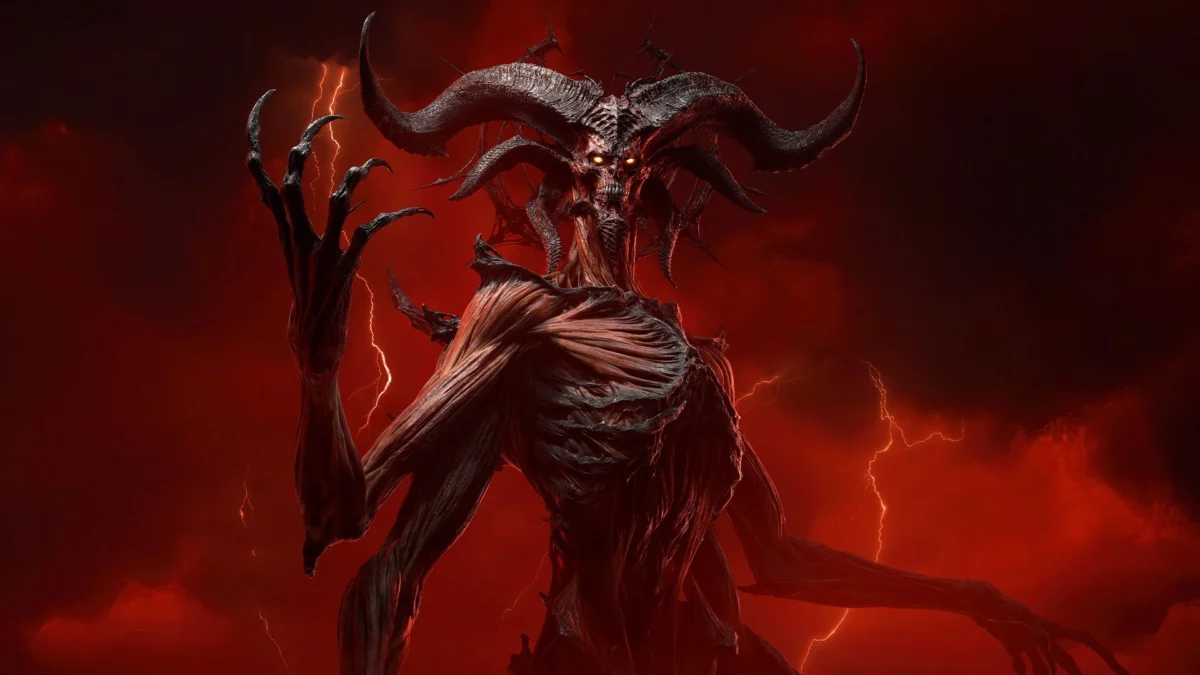
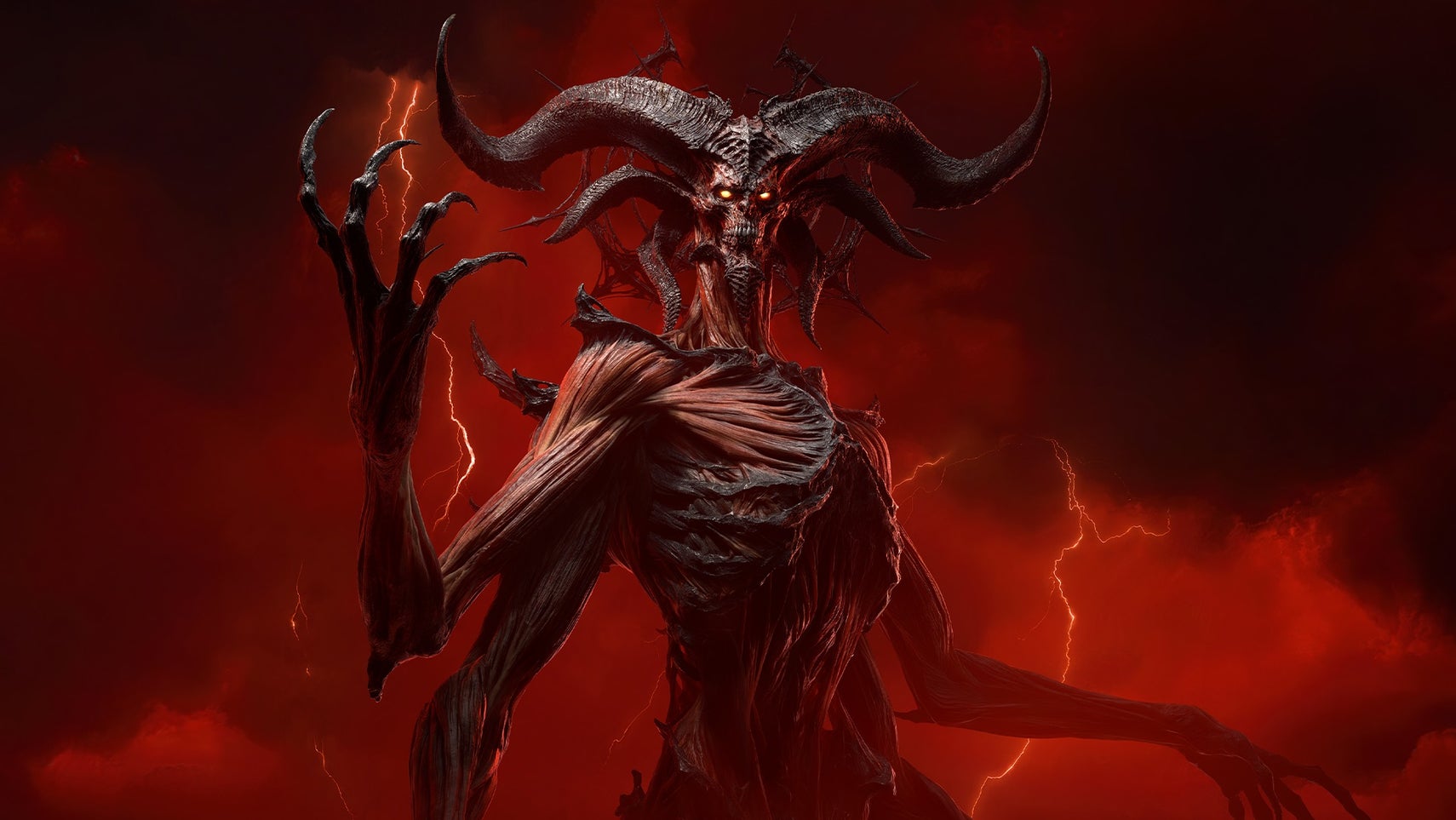
Beyond the flagship title, the anniversary spotlight will also bring updates for Diablo Immortal, the mobile-first entry in the series, and Diablo II: Resurrected, the critically acclaimed modern remaster of the beloved classic. While Blizzard has been tight-lipped about any additional major announcements, the community remains abuzz with fervent hopes for a potential remaster of the foundational Diablo I, a dream that has persisted among veterans for years. Fans worldwide can tune into the revelations live on Diablo IV‘s official YouTube and Twitch channels, ensuring global accessibility for this significant event. The imagery released in conjunction with the announcement, featuring striking key art for "Lord of Hatred" provided by Blizzard Entertainment, further fuels the excitement surrounding the impending updates.
Chronology
The journey of the Diablo franchise spans three decades, a testament to its enduring appeal and significant impact on the gaming industry. From its groundbreaking debut to its modern iterations, each chapter has built upon a rich tapestry of lore, challenging gameplay, and an atmosphere of pervasive dread.
The Genesis of Dread: A 30-Year Legacy
The Diablo saga began in 1996 with the release of the original Diablo, a title that single-handedly established the dark fantasy ARPG as a dominant force. Its innovative blend of real-time combat, randomized dungeons, and a compelling narrative centered around the war between angels and demons, set a benchmark for future titles. This was swiftly followed by 2000’s Diablo II, often hailed as one of the greatest PC games of all time, expanding the world, deepening character customization, and introducing enduring multiplayer mechanics. Its expansion, Lord of Destruction, solidified its legendary status.
A significant gap followed, with Diablo III finally arriving in 2012. While met with initial mixed reactions, its subsequent updates and the Reaper of Souls expansion greatly refined the experience, proving Blizzard’s commitment to iterative improvement. The franchise then branched out with Diablo Immortal in 2022, a free-to-play mobile and PC title that brought the Sanctuary experience to a wider audience, albeit with its own set of controversies regarding monetization. The most recent major release, Diablo IV, launched in June 2023, aiming to recapture the grim, gothic essence of the earlier games while incorporating modern design philosophies.
Diablo IV’s Post-Launch Trajectory
Since its launch, Diablo IV has embarked on an ambitious live-service journey, marked by a series of seasonal content updates. The "Season of the Malignant" (Season 1) introduced new mechanics like Malignant Hearts, followed by the "Season of Blood" (Season 2) which brought vampiric powers and significant quality-of-life improvements. Most recently, the "Season of the Construct" (Season 3) introduced companion constructs and new dungeon types. These seasonal cycles, while adding new dimensions to the game, have also been a testing ground, with Blizzard frequently adjusting gameplay, itemization, and balance based on player feedback.
The "Lord of Hatred" expansion was initially teased at The Game Awards in December, where the first of its two new classes, the Paladin, was officially revealed. This initial reveal provided a taste of the expansion’s direction, signaling a return to beloved archetypes and a deepening of the class fantasy. The Paladin, a holy warrior archetype deeply rooted in Diablo lore, immediately resonated with players, setting high expectations for its counterpart. This anniversary spotlight event serves as the crucial next step in the "Lord of Hatred" rollout, building anticipation for its full arrival on April 28.
Blizzard’s Broader Strategy of Community Engagement
The "Diablo 30th Anniversary Spotlight" is not an isolated event but rather part of a broader trend by Blizzard Entertainment to host dedicated livestreams for its major franchises. This strategy, seen with World of Warcraft, Overwatch, and Hearthstone, aims to directly engage with player communities, generate hype for upcoming content, and foster a sense of shared celebration around their long-running titles. These events often serve as platforms for developers to communicate their vision, address community concerns, and unveil new features in a direct and interactive manner, reinforcing the company’s commitment to its player base.
Supporting Data
The upcoming "Diablo 30th Anniversary Spotlight" is laden with implications for the future of the franchise, particularly for Diablo IV. The details promised by Blizzard offer a tantalizing glimpse into how the game will evolve, addressing player desires for deeper customization and more robust endgame content.
The Significance of New Classes: Expanding Combat and Replayability
In the ARPG genre, new classes are not merely additions; they are fundamental shifts in how players experience the game. They offer entirely new playstyles, skill sets, and character fantasies, breathing fresh life into the grind and encouraging significant replayability. For Diablo IV, the revelation of the second new class for "Lord of Hatred" is especially crucial. The first class, the Paladin, immediately established a theme of divine retribution and righteous combat, a familiar yet welcome archetype for many long-time fans.
Speculation abounds regarding what the second class might entail. Given the Paladin’s melee, holy warrior focus, it’s highly probable that Blizzard will introduce a class that offers a contrasting playstyle to broaden the expansion’s appeal. Potential archetypes could include a ranged spellcaster with unique elemental or arcane powers, a highly mobile rogue-like character emphasizing agility and traps, or perhaps even a summoner class that commands legions of minions, building upon existing lore threads of Necromancers or even less conventional pet masters. The selection of this class will significantly influence the meta, introduce new build possibilities, and potentially even alter how existing classes interact within party dynamics. The design philosophy behind this new class will undoubtedly aim to fill a perceived gap in Diablo IV‘s current roster of five classes, providing a distinct and engaging alternative for players.
"Lord of Hatred": A Deep Dive into Expansion Mechanics
The "Lord of Hatred" expansion, slated for release on April 28, promises more than just new classes. Blizzard’s commitment to a "deeper look at the revamped skill trees" suggests a significant overhaul of character progression. Many players have voiced desires for more profound build diversity and less restrictive skill point allocation. A revamp could mean more impactful choices, branching pathways, or even a complete reimagining of how skills are acquired and enhanced, potentially drawing inspiration from the intricate systems of Diablo II or Path of Exile. Such changes could fundamentally alter how players approach character building, moving away from more linear progressions towards a system that rewards experimentation and strategic investment.
Furthermore, the promise of new "endgame mechanics and features" is critical for a live-service ARPG like Diablo IV. The longevity of these games relies heavily on compelling reasons for players to continue playing after completing the main story. This could encompass anything from new types of high-difficulty dungeons, challenging world events, innovative PvP modes, or entirely new progression systems beyond paragon boards. Drawing parallels from previous successful ARPG expansions, "Lord of Hatred" might introduce something akin to Diablo III‘s Adventure Mode or Greater Rifts, or perhaps a more narrative-driven endgame that further expands the lore surrounding Mephisto, the titular Lord of Hatred, and his influence on Sanctuary. These additions are vital for addressing player retention and ensuring a dynamic and rewarding experience for dedicated adventurers.
Updates for the Broader Diablo Ecosystem
The anniversary spotlight will also shine on Diablo Immortal and Diablo II: Resurrected. For Diablo Immortal, updates typically involve new seasonal content, battle pass resets, class balances, and potentially new zones or dungeons, reinforcing its position as a continually evolving mobile experience. Given its free-to-play nature, consistent content drops are essential for its monetization model and player engagement.
Diablo II: Resurrected, while a remaster of a classic, has also received ongoing support, primarily through ladder resets, balance adjustments, and quality-of-life improvements. Its updates aim to keep the competitive scene fresh and ensure a smooth experience for both returning veterans and new players. These updates demonstrate Blizzard’s commitment to maintaining its diverse portfolio of Diablo titles, catering to different player preferences and platforms.
The Enduring Dream of a Diablo I Remaster
The persistent hope for a proper Diablo I remaster speaks volumes about the original game’s impact. Fans yearn for a modernized version that preserves the oppressive atmosphere, iconic soundtrack, and foundational gameplay of the 1996 classic, updated with quality-of-life features, enhanced graphics, and potentially modern multiplayer functionality. The challenges, however, are significant: the original source code may be difficult to work with, and adapting a relatively simple game for a modern audience without losing its essence is a delicate balancing act. While Blizzard has not teased such an announcement, the anniversary event provides a natural stage for a surprise reveal, making it a topic of fervent discussion within the community.
Official Responses
While the initial news article does not contain direct quotes from Blizzard officials regarding this specific event, the overarching strategy and messaging from the company provide a clear understanding of their intentions and responses to the community.
Blizzard’s Vision for Diablo IV and Beyond
Blizzard Entertainment has consistently articulated a vision for Diablo IV as a long-term live-service game, emphasizing continuous content delivery and iterative improvements based on player feedback. Following the game’s launch, developers have been remarkably transparent in their communications, hosting regular "Campfire Chats" and releasing detailed blog posts that address community concerns, explain design decisions, and outline future plans. This direct line of communication is a response to past criticisms of Blizzard’s perceived disconnect from its player base, particularly in the wake of Diablo III‘s launch and Diablo Immortal‘s initial reception.

The commitment to major expansions like "Lord of Hatred" is a clear official response to the need for substantial, narrative-driven content beyond seasonal updates. It signifies Blizzard’s investment in evolving the game’s world, lore, and mechanics, assuring players that Diablo IV is not merely a seasonal treadmill but a growing universe. The focus on "revamped skill trees" and "endgame mechanics" is a direct acknowledgment of player feedback regarding build diversity, character progression, and the desire for more compelling activities in the late game. These are not minor tweaks but fundamental changes that require significant development resources, underscoring Blizzard’s dedication to improving the core player experience.
Fostering Community Engagement and Transparency
Blizzard’s use of high-profile livestreams, such as this 30th Anniversary Spotlight, is a strategic move to foster a stronger sense of community and transparency. These events allow the developers to present their work directly to a global audience, building excitement and allowing for immediate reactions. By embedding Twitch players and providing links to official channels, Blizzard facilitates easy access and encourages widespread participation. This approach is an official response to the modern gaming landscape, where direct developer-player interaction and community-driven development are increasingly valued.
The company’s social media presence and active engagement on forums also play a crucial role. Community managers frequently relay feedback to development teams, and official channels are used to disseminate information, conduct polls, and gather opinions. This continuous feedback loop ensures that future updates and expansions, like "Lord of Hatred," are, to some extent, shaped by the collective desires of the player base. The anniversary event, therefore, is not just a marketing spectacle but a testament to Blizzard’s ongoing effort to build and maintain a strong relationship with the millions who inhabit Sanctuary.
Implications
The "Diablo 30th Anniversary Spotlight" and the impending "Lord of Hatred" expansion carry significant implications for the future of Diablo IV, the broader ARPG genre, and Blizzard Entertainment’s overall strategy.
Shaping the Future of Diablo IV
The "Lord of Hatred" expansion is poised to be a transformative moment for Diablo IV. The introduction of a second new class, coupled with revamped skill trees and expanded endgame content, will fundamentally alter the game’s meta and significantly deepen its long-term replayability. For players, this means a fresh wave of content to explore, new character builds to master, and renewed reasons to dive back into Sanctuary. A successful expansion launch could significantly boost player retention and re-engage those who may have drifted away since launch.
Economically, a major expansion represents a crucial revenue stream for a live-service game, funding ongoing development and future content. The success of "Lord of Hatred" will directly influence Blizzard’s continued investment in Diablo IV, potentially paving the way for further expansions, more ambitious seasonal themes, and a sustained development cycle. It also reinforces Blizzard’s commitment to the live-service model, demonstrating their capacity to deliver substantial paid content alongside free seasonal updates. The narrative implications are equally profound; the title "Lord of Hatred" strongly suggests a direct confrontation with Mephisto, one of the Prime Evils, promising a story that delves deep into the franchise’s lore and potentially sets the stage for future conflicts within Sanctuary.
Impact on the ARPG Genre
Diablo has always been a trendsetter in the ARPG genre, and Diablo IV‘s evolution through "Lord of Hatred" will undoubtedly influence its competitors. The introduction of new classes and a focus on revamped skill trees and endgame mechanics could set new standards for what players expect from post-launch content in ARPGs. As games like Path of Exile and Last Epoch continue to innovate, Diablo IV must consistently deliver high-quality, impactful updates to maintain its competitive edge. Its approach to expansions, balancing new content with system overhauls, will be closely watched by both players and developers across the genre.
Managing Player Expectations and Hype
The challenge for Blizzard lies in managing the immense player expectations surrounding this event. After three decades, the Diablo community is passionate, vocal, and discerning. Delivering on the promises of "revamped skill trees" and "endgame mechanics" in a way that truly resonates with players will be crucial. Any misstep could lead to disappointment, while a well-executed reveal and a strong expansion launch could significantly revitalize the game’s reputation and player base. The anniversary celebration itself provides an opportunity to reconnect with the franchise’s heritage while confidently charting a course for its future.
Broader Blizzard Strategy
From a broader corporate perspective, the "Diablo 30th Anniversary Spotlight" underscores Blizzard’s strategy of leveraging its beloved franchises. By celebrating its past while actively developing its future, Blizzard aims to reinforce brand loyalty across its diverse gaming ecosystem. The simultaneous updates for Diablo Immortal and Diablo II: Resurrected demonstrate a commitment to supporting all segments of the Diablo player base, from mobile enthusiasts to classic purists. This multi-pronged approach helps to solidify Blizzard’s position in a competitive gaming market and showcases its ability to maintain multiple live-service titles concurrently. The anticipation for a Diablo I remaster, though unconfirmed, also highlights the untapped potential in Blizzard’s vast intellectual property, suggesting that the company may yet surprise its audience with future retro revivals.











No comments yet. Be the first to join the conversation!