Sagoh
Sagoh
By Tay Garcia
Published: June 14, 2026, 2:25 PM EDT
Dragon’s Dogma 2, a highly anticipated sequel that landed in early 2024, immediately captivated the gaming industry with its ambitious return to the original’s unique, often polarizing, gameplay philosophies. Director Hideaki Itsuno presented an uncompromised vision of high fantasy, complete with an intriguing world, a dynamic physics engine, and the signature Pawn system. However, alongside these celebrated elements, the game’s launch was overshadowed by the immediate availability of day-one microtransactions, igniting a firestorm of debate and criticism.
The integration of microtransactions into full-priced games is a perennial topic of discussion within the gaming community, frequently leading to backlash. Players often voice concerns about these in-game purchases feeling like an intrusive mechanic that detracts from the immersive experience. The situation surrounding Dragon’s Dogma 2, however, quickly escalated beyond a typical debate, going viral across social media platforms, prompting a deluge of negative reviews on Steam, and leaving a significant portion of the player base bewildered.
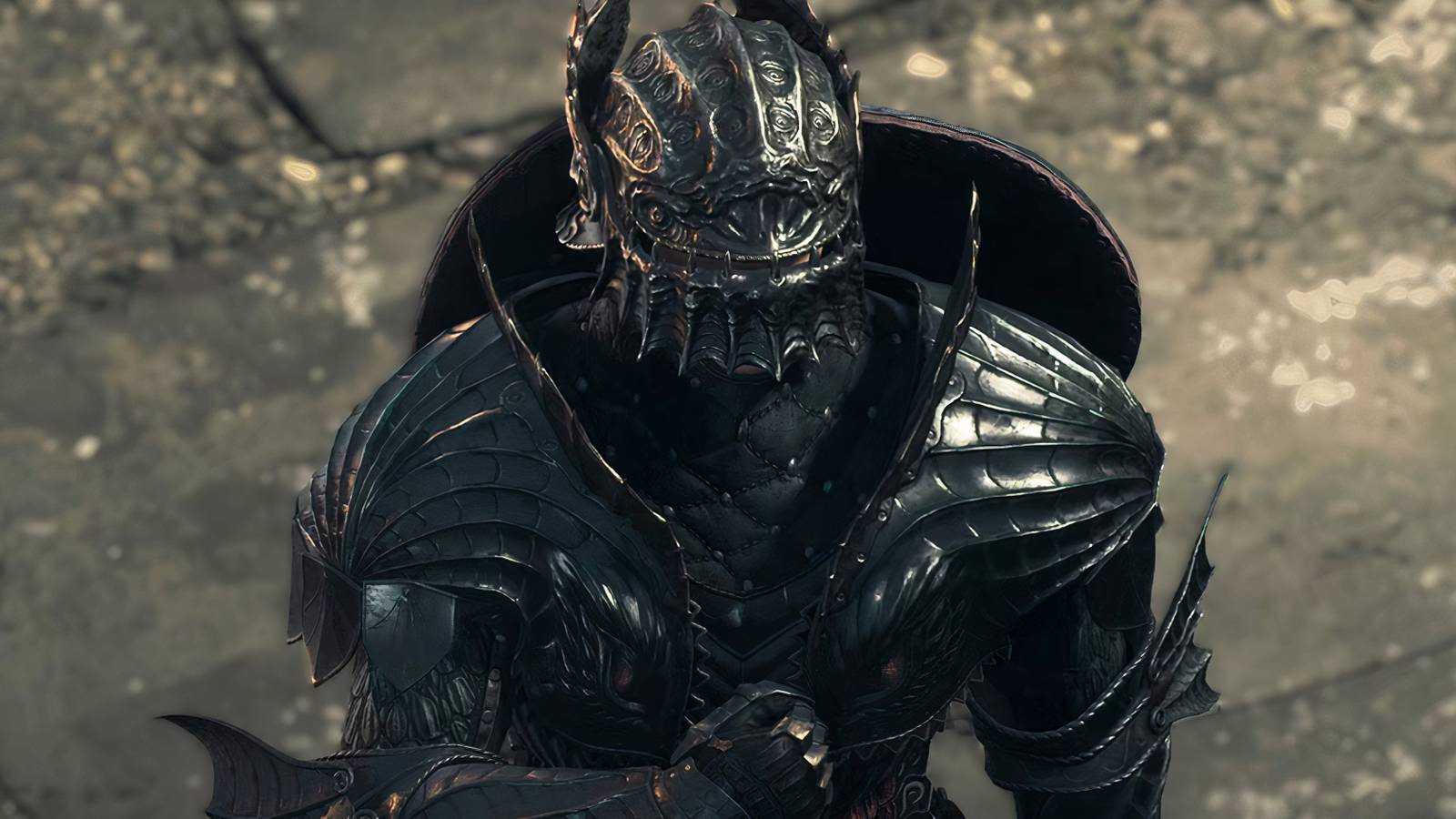
Now, over two years after its initial release and following persistent community discourse, Capcom appears to be making a significant pivot away from this controversial monetization model. In a recent official statement shared on X (formerly Twitter), the company announced the permanent discontinuation of the Deluxe Edition and a substantial number of the game’s DLC items, effective June 24 at 5 PM PT. This decision marks a notable shift in Capcom’s approach to Dragon’s Dogma 2’s post-launch content strategy, signaling a potential move towards a more player-friendly ecosystem.
A Rocky Launch: The Genesis of the Microtransaction Controversy
When Dragon’s Dogma 2 first emerged from the shadows, it was met with a mixture of fervent anticipation and cautious optimism. Its predecessor, released in 2012, carved out a niche for itself with its innovative combat, emergent gameplay, and a peculiar yet compelling world. The sequel promised to amplify these strengths, and for the most part, it delivered. The core gameplay loop, the intricate combat, and the freedom offered to players were widely praised.
Yet, the shadow of microtransactions loomed large from day one. Unlike many games that introduce such systems gradually or reserve them for cosmetic items, Dragon’s Dogma 2 offered tangible gameplay advantages for real-world currency. Items like Portcrystals, which serve as customizable fast-travel points, or items that allowed for instant character customization or resurrection, were available for purchase. This immediately drew criticism, as many players felt these additions undermined the sense of progression and discovery that the game was designed to foster.
The core of the controversy lay in the fact that, while these items were purchasable, they were not exclusively locked behind a paywall. Every single microtransaction item could, in theory, be earned through diligent gameplay. This presented a peculiar dilemma: the items weren’t "pay-to-win" in the traditional sense, but rather "pay-for-convenience." Players could spend hours hunting for scarce Portcrystals or accumulating in-game currency for character alterations, or they could expedite the process with a few clicks and a credit card swipe.

This distinction, however, did little to quell the outrage. Many argued that the inclusion of such purchasable conveniences in a full-priced title was predatory and that it preyed on players’ time constraints or desire for instant gratification. The narrative quickly formed: Capcom was attempting to nickel-and-dime its player base, tarnishing an otherwise commendable game with a business practice that many had come to associate with free-to-play titles or games with aggressive monetization.
The Unfolding Backlash and Steam Reviews
The digital streets were abuzz with discontent. Social media platforms became battlegrounds for discussions, memes, and condemnations. Players shared their frustrations, highlighting how the microtransactions felt like a deliberate design choice to encourage spending, rather than a genuine bonus for those who chose to engage with them. The sentiment was clear: the game’s integrity was being compromised by its monetization strategy.
This sentiment translated directly into player reviews on Steam, a platform known for its influential review system. Dragon’s Dogma 2 saw a significant influx of negative reviews, many specifically citing the microtransactions as the primary reason for their dissatisfaction. While the game’s overall rating may have fluctuated, the sheer volume of critical feedback concerning the microtransactions painted a stark picture of community disapproval. This often led to a "Mixed" or "Mostly Negative" rating for the game on Steam during its initial release period, a significant blow to its reputation and potential sales.
The confusion among players was amplified by the nature of the purchasable items. They weren’t purely cosmetic; they offered tangible benefits that could alter the player’s journey. For instance, acquiring multiple Portcrystals allowed for significantly more efficient travel across the vast world of Dragon’s Dogma 2. While finding them organically was part of the game’s exploration loop, the option to bypass this discovery process with real money felt like a disservice to the intended player experience for many.

Capcom’s Official Stance and the "Dark Arisen" Expansion
For a considerable period following the game’s launch, Capcom remained largely silent on the microtransaction controversy. This silence only served to further fuel the flames of player discontent, as the community felt their concerns were being ignored. However, the recent announcement on X suggests a significant shift in the company’s strategy, directly addressing the long-standing player grievances.
The official statement read: "Thank you so much for supporting Dragon’s Dogma 2 over the years. Due to the development of additional content and various adjustments for the upcoming title update, the following products will no longer be available." This statement, while polite, offers a crucial insight into the decision-making process. The discontinuation of these items is directly linked to preparations for a significant upcoming title update and the anticipated "Dark Arisen" expansion.
The removal is extensive, impacting the Deluxe Edition and a vast majority of the game’s optional DLC. This means that purchasable Portcrystals, Rift Crystals, Art of Metamorphosis incenses, and Makeshift Gaol Keys will soon be inaccessible through real-world currency. This move is a direct response to the sustained criticism and demonstrates a willingness from Capcom to adapt its post-launch strategy based on community feedback.
However, for players who have already invested in these items or wish to do so before the June 24 deadline, the developers have clarified that they will remain usable. This offers a small window for those who may have been on the fence about purchasing convenience items, while simultaneously signaling the end of their availability for new players.
The Implication of the "Dark Arisen" Expansion
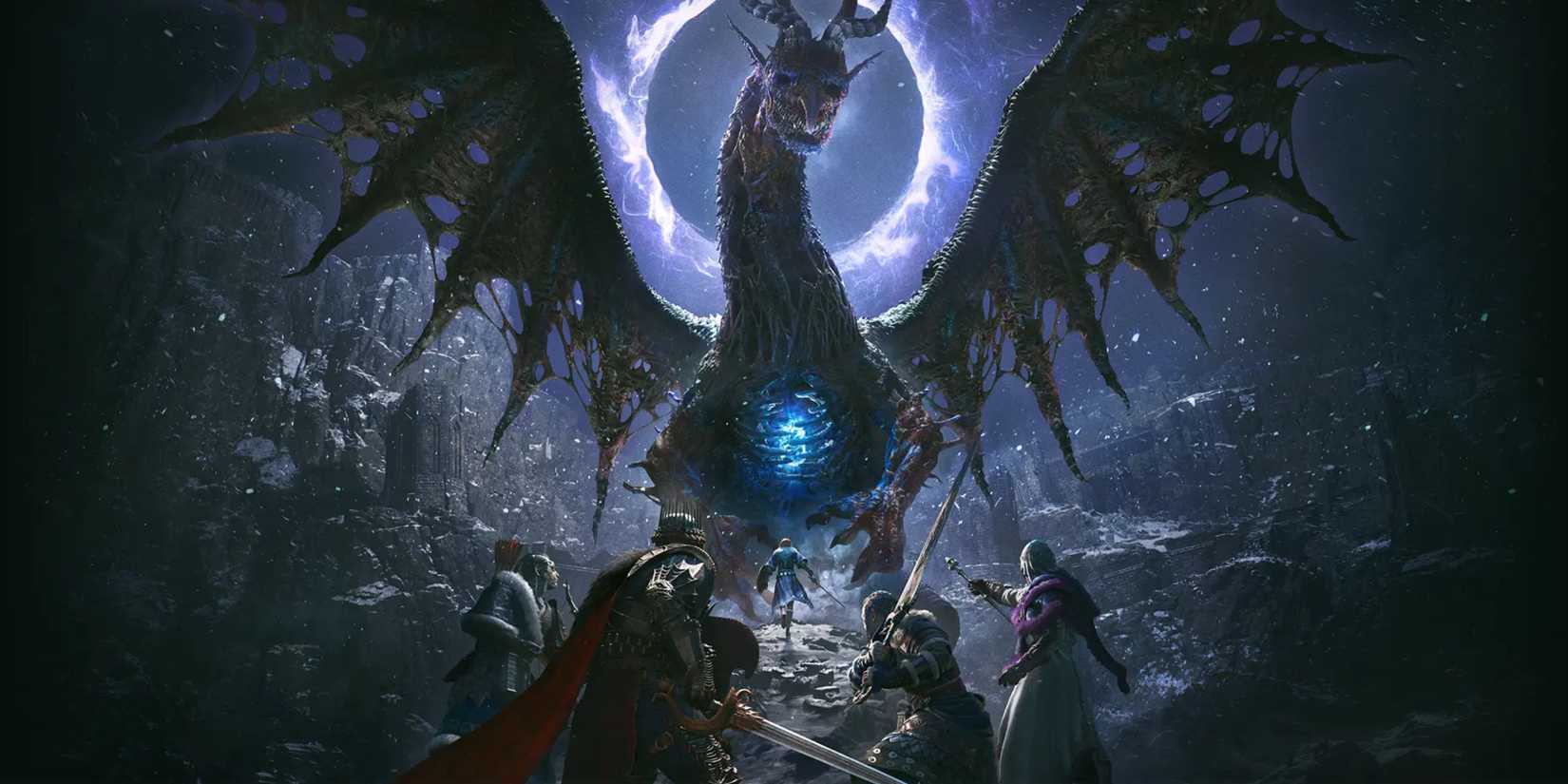
The timing of this microtransaction removal is inextricably linked to the upcoming "Dark Arisen" expansion, slated for release on October 26, 2026. This expansion is being positioned as the definitive version of Dragon’s Dogma 2, promising to introduce fresh content and enhanced character customization options. It is highly probable that the removal of these specific microtransactions is a strategic move to ensure that the "Dark Arisen" expansion launches into a cleaner, less contentious environment.
By ceasing the sale of these convenience items, Capcom is effectively aiming to present a version of Dragon’s Dogma 2 that is free from the controversies that plagued its initial release. This could significantly improve player reception and encourage a broader audience to engage with the game, especially with the added content of the expansion.
Furthermore, Capcom has confirmed that the base Dragon’s Dogma 2 game will receive a permanent price discount on the same date as the "Dark Arisen" expansion’s release. While the exact percentage of this discount has yet to be revealed, it further solidifies the idea of a "definitive" and more accessible version of the game being made available to a wider audience. This combination of a price reduction and the removal of divisive microtransactions could herald a new era for Dragon’s Dogma 2, one that focuses purely on its celebrated gameplay mechanics and expansive world.
A Step Towards a Cleaner Gaming Ecosystem?
The decision by Capcom to remove the day-one microtransactions from Dragon’s Dogma 2 is a significant development, not just for the game itself, but potentially for the broader gaming industry. It serves as a powerful case study in how persistent community feedback, coupled with strategic developer adjustments, can lead to meaningful changes in a game’s lifecycle and monetization practices.

While the game’s original vision was undeniably ambitious, the implementation of its microtransaction system created a rift between the developers and a substantial portion of their player base. The eventual reversal, however, offers a glimmer of hope. It suggests that developers are not entirely immune to player sentiment and that even established publishers can acknowledge and rectify past missteps.
The success of the "Dark Arisen" expansion and the subsequent price adjustments will be crucial in determining the long-term impact of this decision. However, for now, the removal of these controversial microtransactions represents a victory for players who advocated for a more ethical and player-focused approach to game monetization. Dragon’s Dogma 2, once marred by its early monetization choices, now has the opportunity to be remembered for its strengths, its innovative gameplay, and its director’s unyielding creative vision, free from the lingering shadow of its controversial launch.


 Lina Irawan