Ali Ikhwan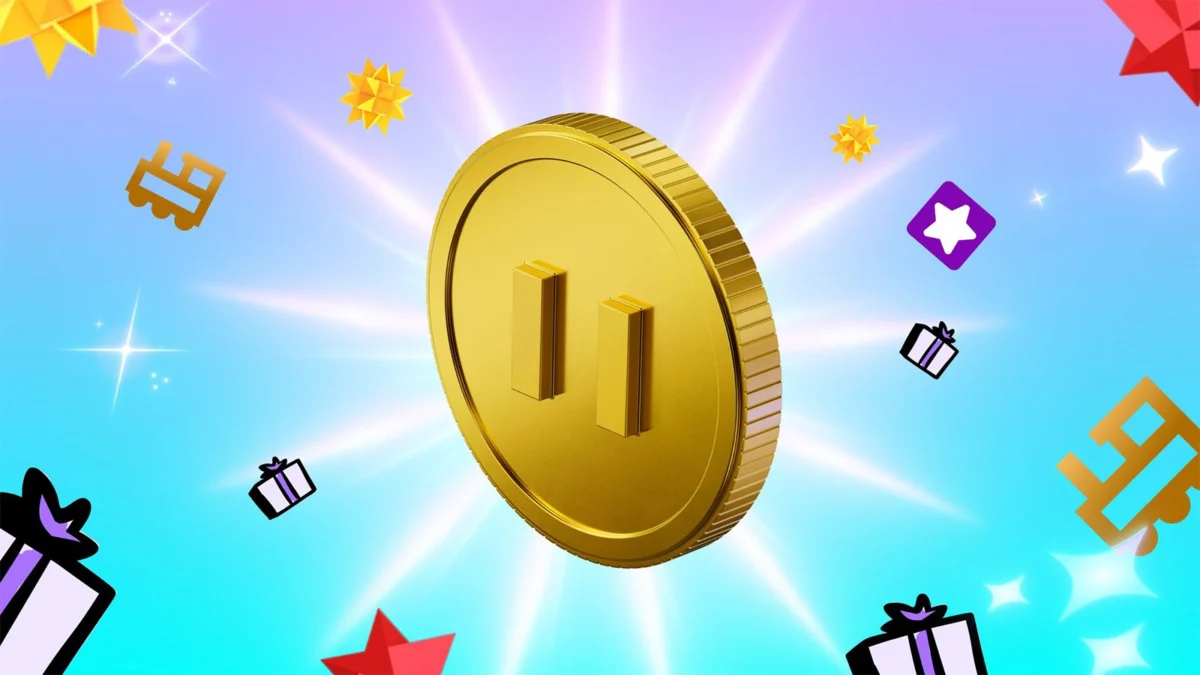
In a landmark decision that fundamentally alters the growth trajectory for new broadcasters, Twitch announced on May 13, 2026, that it is dismantling the exclusivity of its core monetization suite. Effective immediately for creators in the United States, all streamers—regardless of their follower count or previous history—now have access to tools previously gated behind the "Affiliate" program, including Channel Points, Bits, subscriptions, custom emotes, and subscriber badges.
While Twitch positions this as a move to democratize creator success, the announcement has triggered a wave of frustration among established Affiliates, who feel the prestige and hard-earned benefits of their status have been diluted overnight. As the platform looks toward a global rollout in 2026, the streaming community is left grappling with a complex shift in the "grind" culture that has defined the platform for nearly a decade.
The Shift: What Has Changed?
For years, the path to monetization on Twitch was defined by a specific set of milestones known as the Affiliate requirements. To unlock the ability to receive income and provide community-building tools, a streamer had to hit four distinct metrics: 25 followers, 500 total minutes broadcast, 7 unique broadcast days, and an average of 3 concurrent viewers.
As of May 13, 2026, these gates have been lifted for U.S.-based streamers. The suite of tools now available to everyone includes:
- Channel Points: A customizable rewards system that incentivizes viewer loyalty and engagement.
- Bits: A virtual currency that allows viewers to "Cheer" in chat, providing direct financial support.
- Subscriptions: The backbone of the platform, enabling recurring monthly support.
- Custom Emotes and Badges: The primary branding assets for any growing community.
Despite this newfound access, there is a critical caveat that prevents this from being a full monetization free-for-all: Payouts. While non-Affiliate streamers can now accumulate "Spendable Balance" through these tools, they cannot withdraw these funds as cash. Instead, that balance can be used to purchase gift subscriptions for other channels or acquire Bits to support fellow creators. To access the bank-transfer payout system, a creator must still meet the criteria for the Affiliate program.
Chronology of a Controversial Rollout
The tension surrounding this change did not emerge in a vacuum. It is the culmination of years of iterative updates to the platform’s creator economy.
- Pre-2022: The path to Affiliate was viewed as a significant "rite of passage." Streamers often spent months, if not years, optimizing their content and networking to hit the required metrics.
- 2022–2025: Twitch gradually adjusted the difficulty of its milestones, responding to feedback that the requirements were becoming stagnant or disconnected from the realities of modern social media discovery.
- May 13, 2026: Twitch officially launches the universal access model for U.S. creators. The announcement arrives via a series of social media posts and support updates.
- The Immediate Aftermath: Within hours of the announcement, the "Twitch Support" handle on X (formerly Twitter) was flooded with criticism, with creators questioning the value of their existing status.
- Late 2026 and Beyond: Twitch has committed to a global expansion of this program, aiming to bring these tools to all international markets by the end of the year.
Supporting Data: The "Grind" vs. The New Reality
The backlash from the creator community is rooted in the perceived loss of value. For many, the "Affiliate" badge was not just a title; it was proof of concept. It served as a milestone that validated thousands of hours of unpaid labor.
"I grinded for six months back in 2022 to get Affiliate so I could get Channel Points and subs," wrote user @KEYATTRON on X. "Now you just make everything free for all streamers. You might as well just…"

This sentiment reflects a broader concern about the "gamification" of streaming. By removing the barrier to entry, critics argue that Twitch is removing the incentive to improve. If a brand-new streamer has access to all the same tools as a veteran, the visual and functional distinction between a hobbyist and a professional begins to blur.
However, data suggests that the "old way" was often a barrier to retention. Many new streamers would become discouraged by the slow progress toward the 3-viewer average requirement. By providing these tools earlier, Twitch hopes to increase the "stickiness" of the platform—encouraging creators to stay engaged because they have immediate, tangible ways to interact with their audience, even if that audience is small.
Official Responses: Twitch Defends the "Meaningful Milestone"
In an exclusive statement provided to Dexerto, Twitch addressed the concerns head-on. The company emphasized that while the tools are now universal, the prestige of the Affiliate and Partner tiers remains intact.
"We recognize the incredible effort that creators put into reaching Affiliate status," a Twitch spokesperson stated. "Our goal with this update is to make the platform more accessible, particularly for creators in niche categories where it can take much longer to reach the necessary metrics to hit that milestone."
Twitch’s core defense lies in the distinction between "engagement tools" and "financial payout." By allowing non-Affiliates to use a "Spendable Balance," Twitch is creating a circular economy. A new streamer can use the Bits they receive to support other, larger streamers, effectively keeping the money within the ecosystem while incentivizing the new streamer to continue broadcasting.
When pressed on whether they would offer additional "perks" to those who attained Affiliate status under the old, stricter requirements, Twitch remained non-committal. They instead pointed to recent changes in the Affiliate criteria, noting that those adjustments were also based on direct feedback from the community to make the status "more feasible and realistic."
Implications: The Future of the Creator Economy
The implications of this move are far-reaching for the future of the platform.
1. The Death of the "Affiliate Grind"?
The most immediate effect is the psychological shift. The "grind" to Affiliate is effectively over. New creators are no longer waiting for permission to build their brand; they can start day one with custom emotes and channel points. This likely marks the end of an era where "becoming an Affiliate" was a primary goal for new channels.

2. A Shift Toward "Spendable" Ecosystems
By forcing non-Affiliates to keep their earnings as a "Spendable Balance," Twitch is attempting to foster a more communal environment. This encourages new streamers to spend time watching others, potentially increasing the overall view counts for the platform. It is a strategic move to turn every user into both a creator and a consumer.
3. Increased Scrutiny on "Real" Milestones
With the lower tiers of monetization becoming commoditized, the "Partner" status—which requires much higher, more rigorous thresholds—will likely become the new gold standard for professional streamers. Expect to see a greater focus on the divide between those who simply stream and those who have achieved the elusive Partner badge.
4. Technical and Competitive Challenges
This change comes on the heels of Twitch’s aggressive stance against viewbotting, where the company began capping viewership for channels suspected of inflating their numbers. By lowering the barrier to monetization, Twitch is also potentially increasing the number of "bad actors" who might attempt to use these new tools to lure viewers into scams or fraudulent activities. The company will need to balance its inclusive growth strategy with robust security measures to ensure the platform remains a safe place for advertisers and viewers alike.
Conclusion: A New Chapter for Twitch
The decision to unlock monetization tools for all is a clear signal that Twitch is shifting its philosophy. In the face of increasing competition from platforms like Kick, YouTube Gaming, and TikTok, Twitch is prioritizing accessibility and immediate gratification.
While long-term creators may feel slighted by the loss of their hard-won exclusivity, the long-term health of the platform may depend on how quickly it can onboard the next generation of talent. By allowing a brand-new streamer to feel like a "real" broadcaster from their very first stream, Twitch is hoping to foster a more inclusive, vibrant, and active community.
Whether this move leads to a surge in high-quality content or a dilution of the platform’s professional standards remains to be seen. What is certain, however, is that the Twitch landscape has changed forever. The "grind" is no longer about unlocking tools—it is now, more than ever, about building a community that truly cares.

 Basiran
 Jia Lissa