


In an era where digital noise is at an all-time high, the battle for consumer attention has shifted from the crowded inbox to the intimacy of the smartphone screen. WhatsApp, once a simple tool for personal connections, has cemented itself as a powerhouse of modern commerce. With a global user base that relies on the platform for daily communication, it has become the most effective "direct-to-consumer" channel available. By the close of 2025, paid WhatsApp messaging reached a staggering $2 billion annual run rate, signaling a seismic shift in how brands approach digital outreach.

The Rise of WhatsApp as a Business Powerhouse
WhatsApp marketing is no longer an experimental tactic; it is a core pillar of modern digital strategy. At its essence, the practice involves utilizing the Meta-owned messaging platform to promote products, nurture customer relationships, provide real-time support, and drive conversions through highly personalized, direct communication.

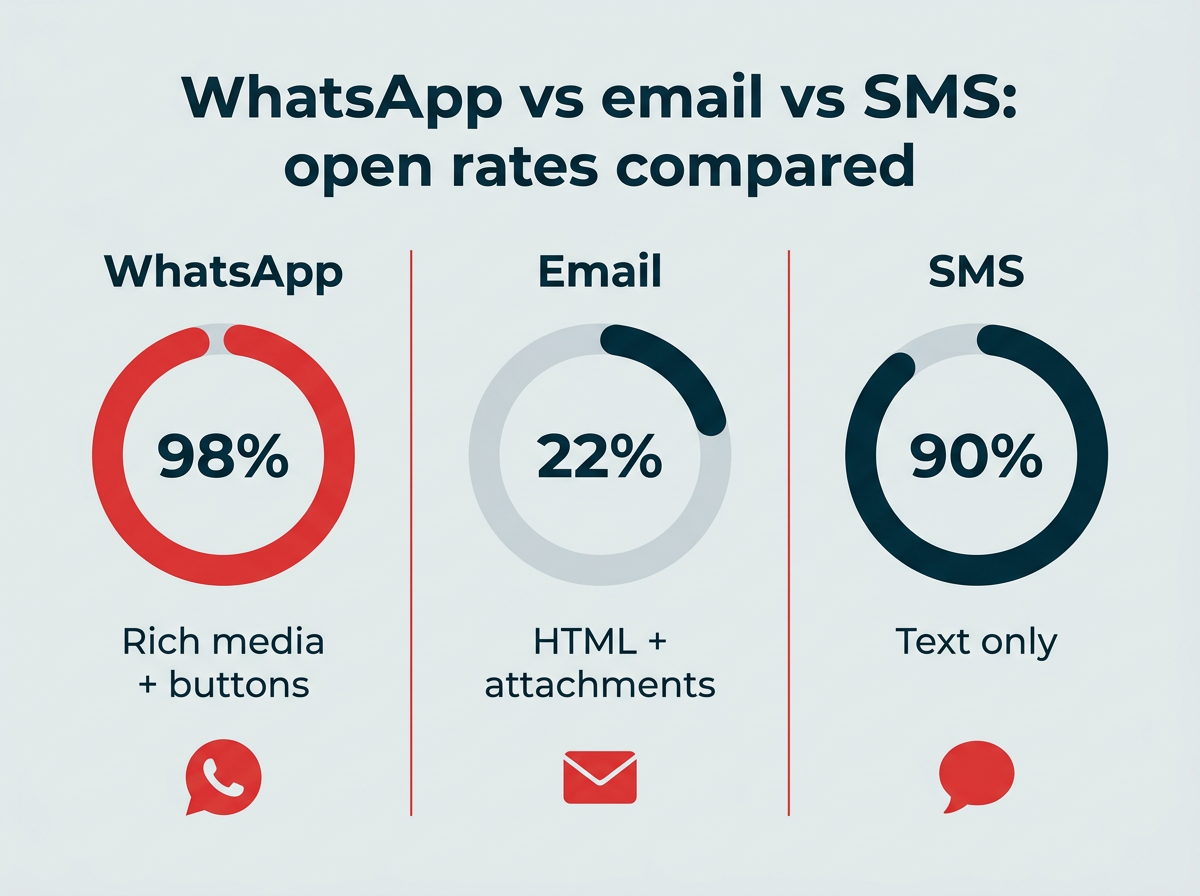
Unlike email, which is often filtered into "Promotions" tabs or buried under a mountain of unread messages, WhatsApp offers an unprecedented level of visibility. While industry-standard email open rates hover around 20% to 25%, WhatsApp messages command a remarkable 98% open rate. This disparity exists because WhatsApp is perceived as a personal space—a private channel reserved for friends, family, and brands that have earned the user’s trust.
A Chronology of the Shift
The transition of WhatsApp from a chat app to a business ecosystem didn’t happen overnight.
- Early Years: The app was strictly for peer-to-peer communication.
- The Launch of Business Tools: Meta introduced the WhatsApp Business App and API, allowing companies to formalize their presence.
- The AI Integration Phase: By 2025, the integration of advanced AI and chatbot flows transformed the platform from a manual support channel into an automated, 24/7 sales engine.
- The 2026 Standard: Today, leading global brands use the platform for the entire customer journey, from initial discovery via Click-to-WhatsApp ads to post-purchase support and automated re-engagement.
Why WhatsApp Dominates the 2026 Marketing Landscape
The primary advantage of WhatsApp is the quality of attention it commands. In 2026, the most successful brands are those that prioritize "conversational marketing." When compared to SMS or email, WhatsApp offers a richer, more interactive experience.

Supporting Data: WhatsApp vs. The Competition
- Rich Media Capabilities: Unlike traditional SMS, which is limited by character counts and text-only formats, WhatsApp supports high-resolution images, video files, documents, and interactive call-to-action (CTA) buttons.
- Cost-Efficiency: Because WhatsApp utilizes data rather than cellular carrier messaging fees, it eliminates the friction of per-send costs for the recipient, particularly in international markets where SMS roaming fees remain a deterrent.
- Reduced Friction: With the ability to host a full product catalog directly within the app, customers can browse, select, and inquire about products without ever leaving the conversation thread.
The Four Pillars of WhatsApp Communication
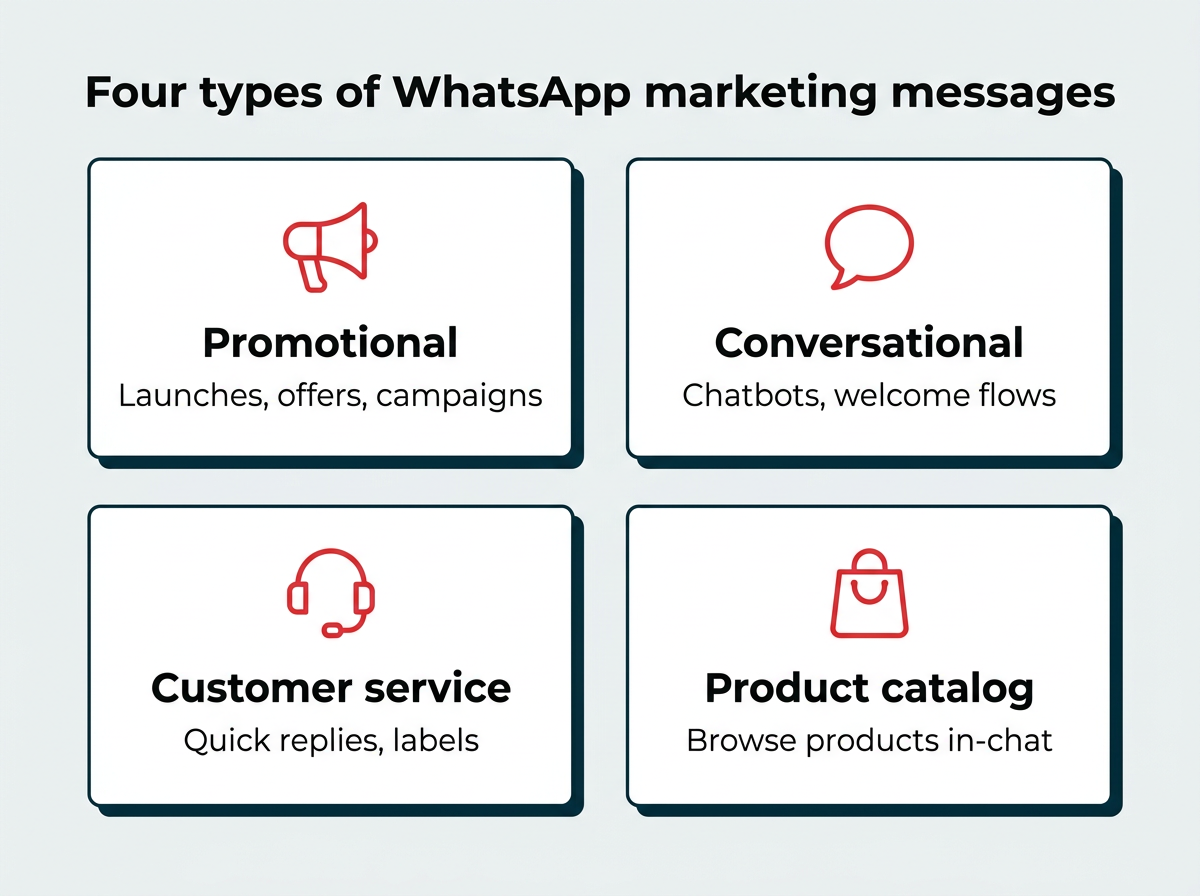
To succeed, marketers must understand the specific categories of messages supported by the platform. Each serves a distinct function in the customer lifecycle.

1. Promotional and Awareness Messages
These are the frontline of your marketing. By announcing flash sales, new product drops, or seasonal promotions, brands can trigger immediate action. Because these messages appear in a personal interface, they feel more like a recommendation from a friend than a corporate blast.
2. Conversational and Automated Flows
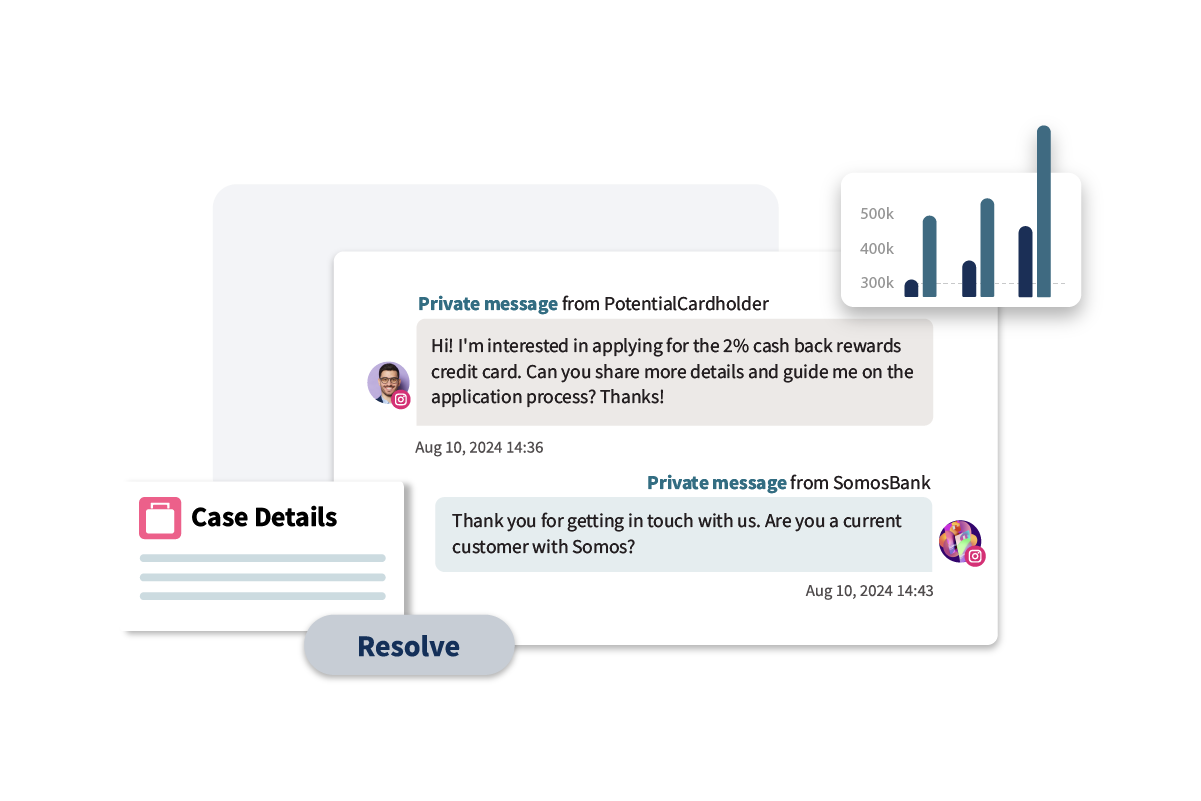
Automation is the engine of scalability. Through the WhatsApp Business Platform, companies can deploy sophisticated chatbots that handle FAQs, track order statuses, or guide users through product recommendations. This significantly reduces the load on human support teams while maintaining a "high-touch" feel for the customer.
3. Dedicated Customer Service
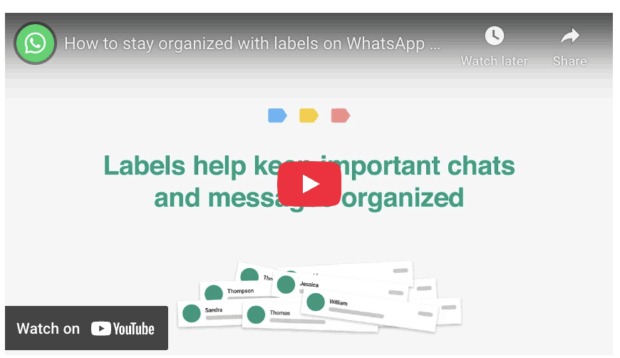
WhatsApp has redefined social media customer service. By integrating the platform into a centralized dashboard—such as Hootsuite—teams can manage incoming inquiries with tools like "Quick Replies," "Labels" for customer categorization, and "Away Messages," ensuring that no customer feels ignored.
4. Product Catalog Integration
Think of the WhatsApp catalog as your mobile-first, friction-free storefront. It allows users to view current inventory, prices, and descriptions in real-time. This is particularly effective for driving impulse purchases, as the bridge between "interest" and "purchase" is a single click.

Building Your Strategy: A Six-Step Framework
For brands looking to professionalize their WhatsApp presence, a structured approach is essential.

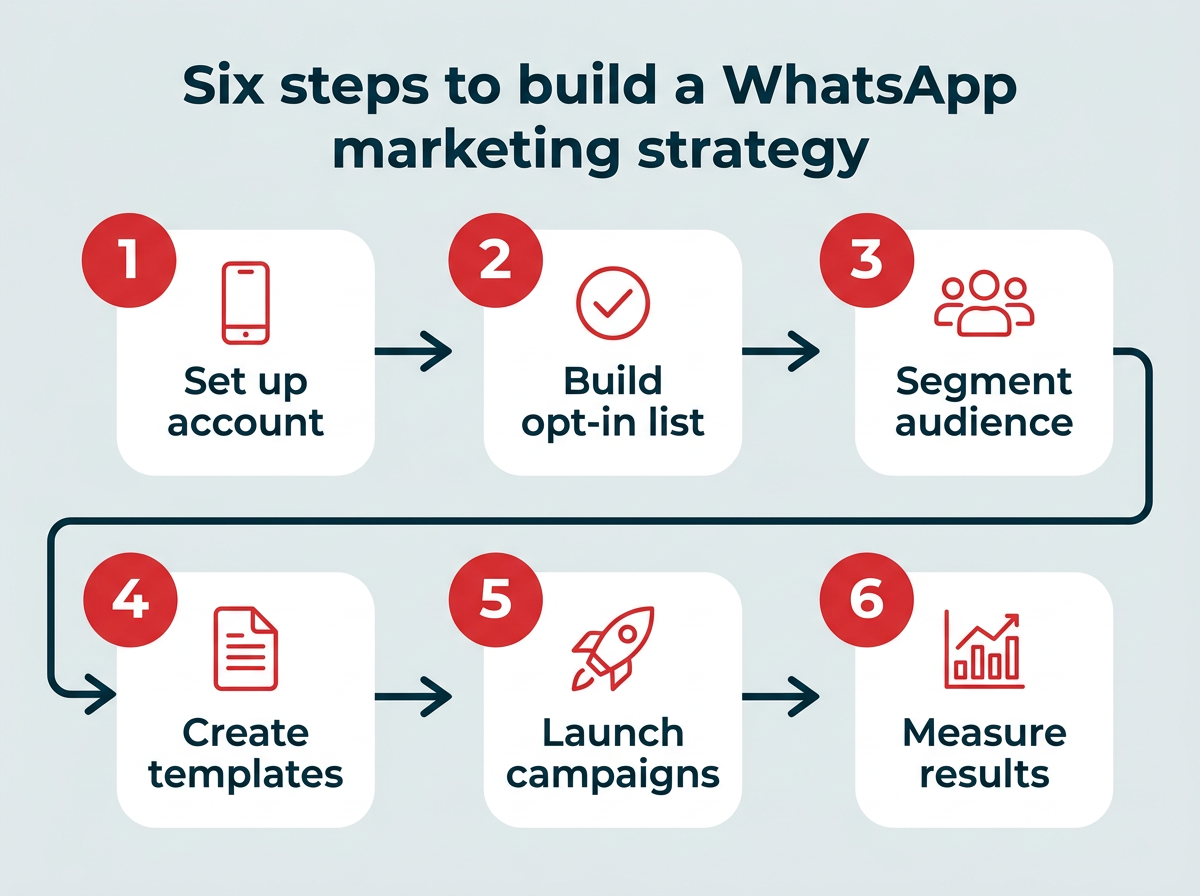
- Select Your Infrastructure: Decide between the WhatsApp Business App (ideal for smaller teams/solo entrepreneurs) and the WhatsApp Business Platform/API (essential for mid-to-large enterprises requiring CRM integration and high-volume automation).
- Prioritize Opt-in Compliance: Meta enforces strict policies regarding consent. You must gain explicit permission from users before messaging them. Use website pop-ups, QR codes in-store, or social media ads to build your list.
- Segment Your Audience: Avoid the "one-size-fits-all" approach. Segment your contact list based on purchase history, geography, and behavior. A loyal repeat customer should receive a different message than a first-time browser.
- Submit Templates for Approval: If using the API, outbound marketing messages must be pre-approved by Meta. Focus on clarity and value in your templates to ensure high approval rates.
- Automate and Launch: Use CRM triggers to send timely, relevant messages, such as abandoned cart reminders or personalized birthday offers.
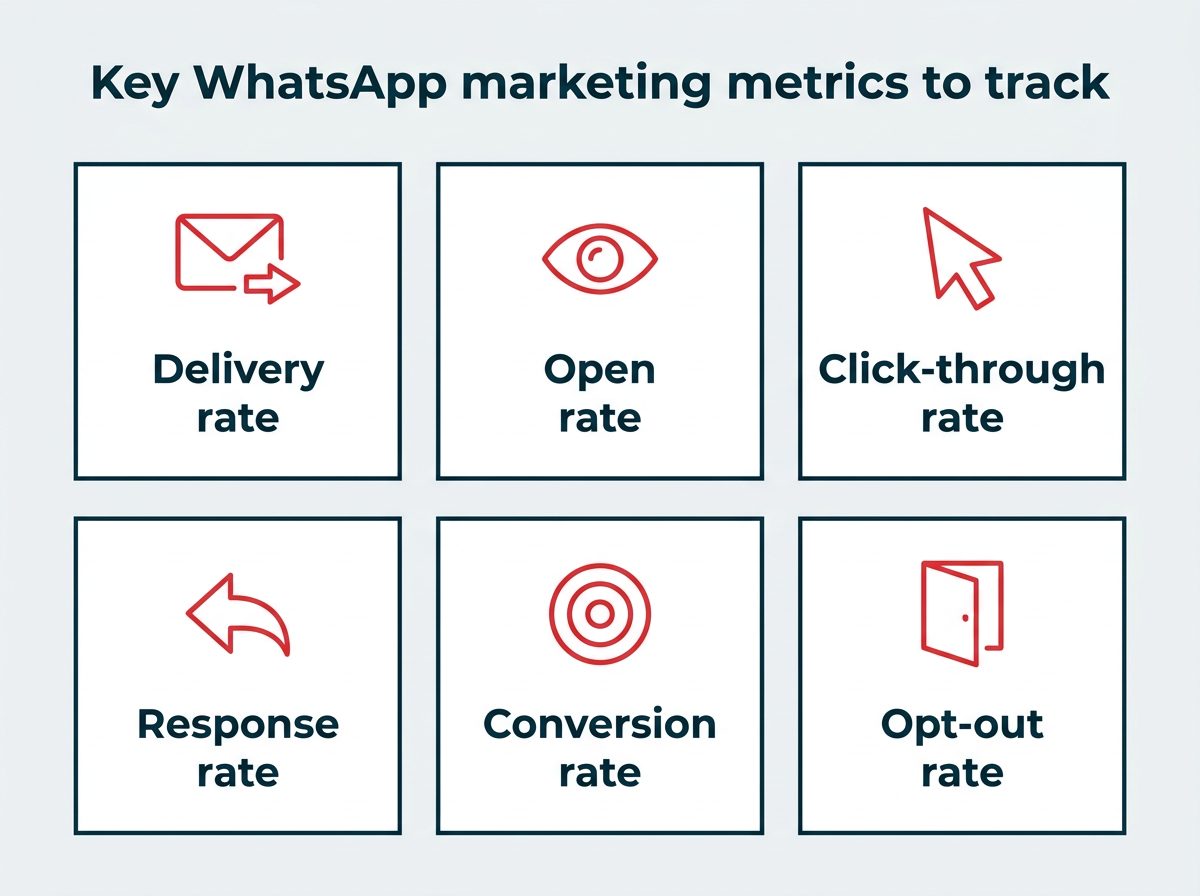
- Measure and Refine: Track metrics such as delivery rate, read rate, click-through rate (CTR), and conversion rate. Use these insights to optimize your messaging cadence.
Real-World Implications and Success Stories
The impact of these strategies is best illustrated by brands that have mastered the medium.
- Benefit Cosmetics: By automating appointment bookings and reminders, they achieved a 30% increase in appointments and contributed to a 200% year-over-year sales growth. Their success highlights the power of using WhatsApp to reduce operational friction.
- HolidayPirates: By using WhatsApp to send personalized travel deals, the company achieved open rates of 97% and click-through rates of 40%. They prove that when content is highly relevant, the medium itself becomes a preferred destination for the consumer.
- The State Plate: This food delivery company utilized automated FAQ flows to resolve 85% of customer inquiries, leading to a 90% reduction in response time. This demonstrates how WhatsApp can be a massive operational asset, not just a marketing channel.
Expert Best Practices for 2026
To avoid being flagged as spam and to maintain a positive brand reputation, marketers must adhere to these golden rules:
- Respect the Frequency: WhatsApp is a personal space. Bombarding users with daily messages will lead to blocks. Focus on quality over quantity.
- Humanize the Tone: While automation is necessary, the content should sound like a person, not a bot. Use emojis strategically and keep the language conversational.
- Add Value, Don’t Just Sell: Every message should provide value—whether through a discount, a helpful tip, or an exclusive update. If the user doesn’t find value, they will opt-out.
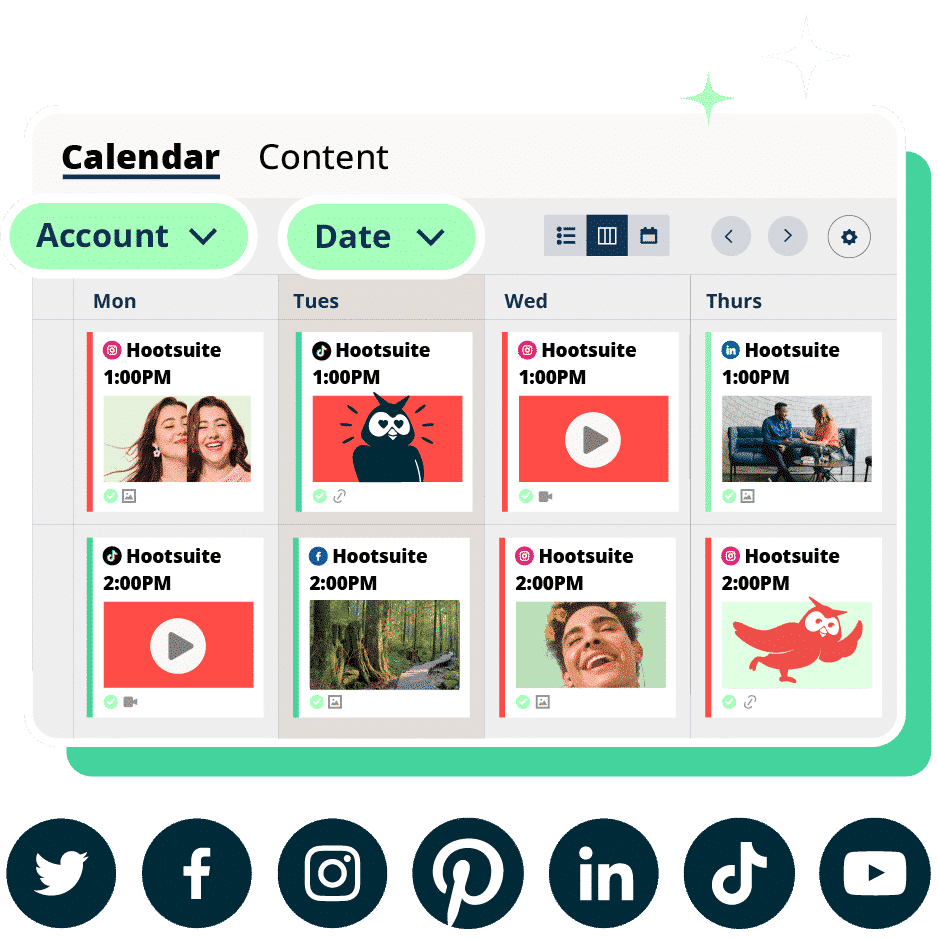
- Centralize Management: Use professional tools like Hootsuite to manage WhatsApp alongside your other social media channels. This prevents siloing and ensures that your brand voice remains consistent across all touchpoints.
The Future of Conversational Commerce
As we look further into 2026 and beyond, the line between "social media" and "commerce" will continue to blur. WhatsApp is at the forefront of this convergence. By investing in this channel today, brands are not just adopting a new marketing tactic; they are future-proofing their customer relationships.
The goal for any forward-thinking business is to reach customers where they are already spending their time. With its massive, engaged user base and robust business tools, WhatsApp is no longer just an app—it is the digital storefront of the future. Whether you are a small business looking to streamline support or a global enterprise aiming to scale personalized marketing, the time to build your WhatsApp strategy is now.

Start your journey today by auditing your current customer communication flow and identifying where a personal, direct line of contact could create the most value for your audience.












No comments yet. Be the first to join the conversation!