


In the modern digital economy, social media has graduated from a mere broadcast channel to the central nervous system of the enterprise. No longer restricted to simple brand awareness or community management, social platforms now serve as the primary arena for customer discovery, real-time market research, and high-stakes crisis management. The most successful global brands are currently undergoing a radical shift: they have ceased using social media solely to talk at their audience, and have begun using it to listen with them, transforming raw social data into a core pillar of business strategy.
The Dual Mandate: Ears of the Organization
Social media teams today operate under a dual mandate that defines their new corporate value. They are not merely the voice of the brand; they are the ears of the organization. This evolution represents a transition from reactive posting to proactive, data-informed strategy. By acting as a bridge between the customer and internal departments—such as product development, R&D, and executive leadership—social media managers are now the architects of a customer-centric business model. They provide the context, the sentiment, and the unfiltered truth required to pivot operations in an era of rapid consumer change.
The Evolution of Social Strategy: A Chronology of Change
To understand where we are, one must look at how the role of social media has matured over the past decade:

- Phase 1: The Broadcast Era (2010–2015): Social media was largely treated as a digital billboard. Brands focused on follower counts and vanity metrics, prioritizing mass reach over meaningful connection.
- Phase 2: The Engagement Era (2016–2020): Brands began focusing on community management. The rise of direct messaging and comment section interactions forced organizations to acknowledge the "human" side of social media.
- Phase 3: The Intelligence Era (2021–Present): We are currently in the age of Social Intelligence. Brands now leverage AI-driven listening tools to aggregate millions of data points, using this "unsolicited feedback" to influence everything from product roadmaps to supply chain adjustments.
Supporting Data: The Case for Social Integration
The strategic importance of social media is backed by compelling evidence that suggests a direct correlation between social engagement and enterprise performance.
1. The Culture of Community
According to The 2025 Sprout Social Index, 93% of consumers demand that brands actively keep up with online culture. This is not about chasing every fleeting trend; it is about demonstrating a sophisticated understanding of the niche interests that define an audience. When a brand fosters a genuine community, they move from being an interruption in a feed to a habit in the user’s life.
2. Influencing Decisions Outside the Silo
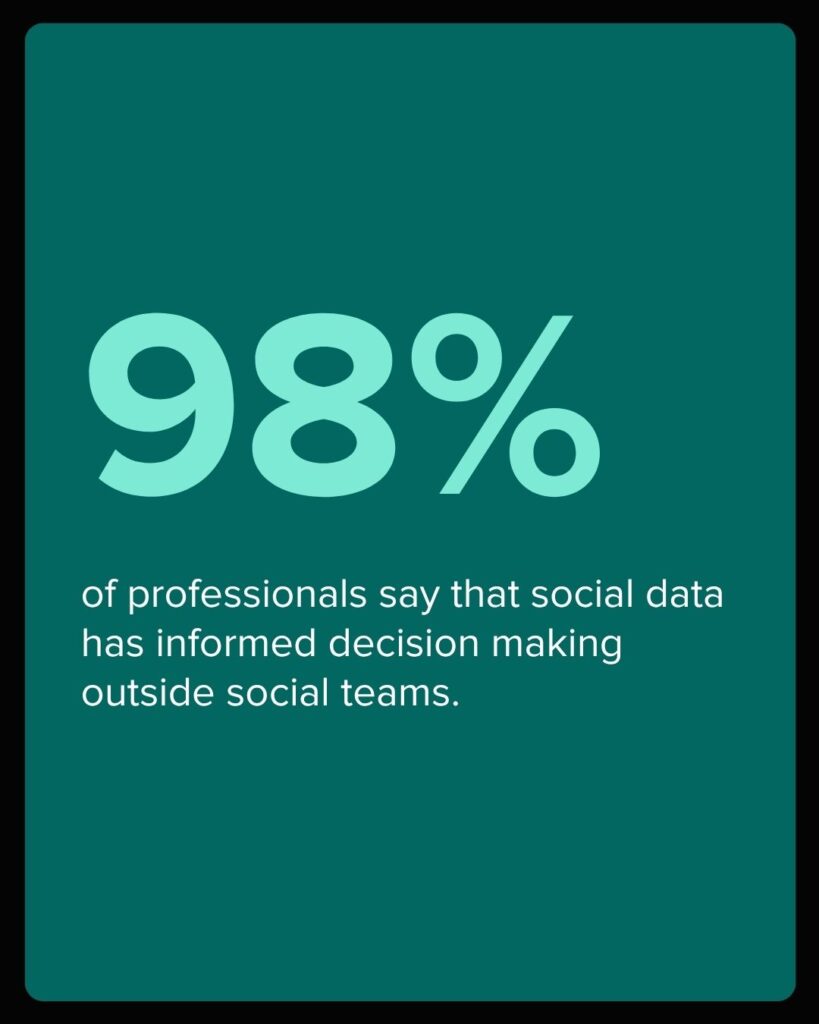
Perhaps the most significant metric is that 98% of professionals now acknowledge that social data informs decision-making in departments outside of marketing. When customer pain points or feature requests are surfaced via social listening, they provide an objective, real-time validation of product direction that traditional focus groups often struggle to capture with the same speed.

3. The Rise of SOSEO and AEO
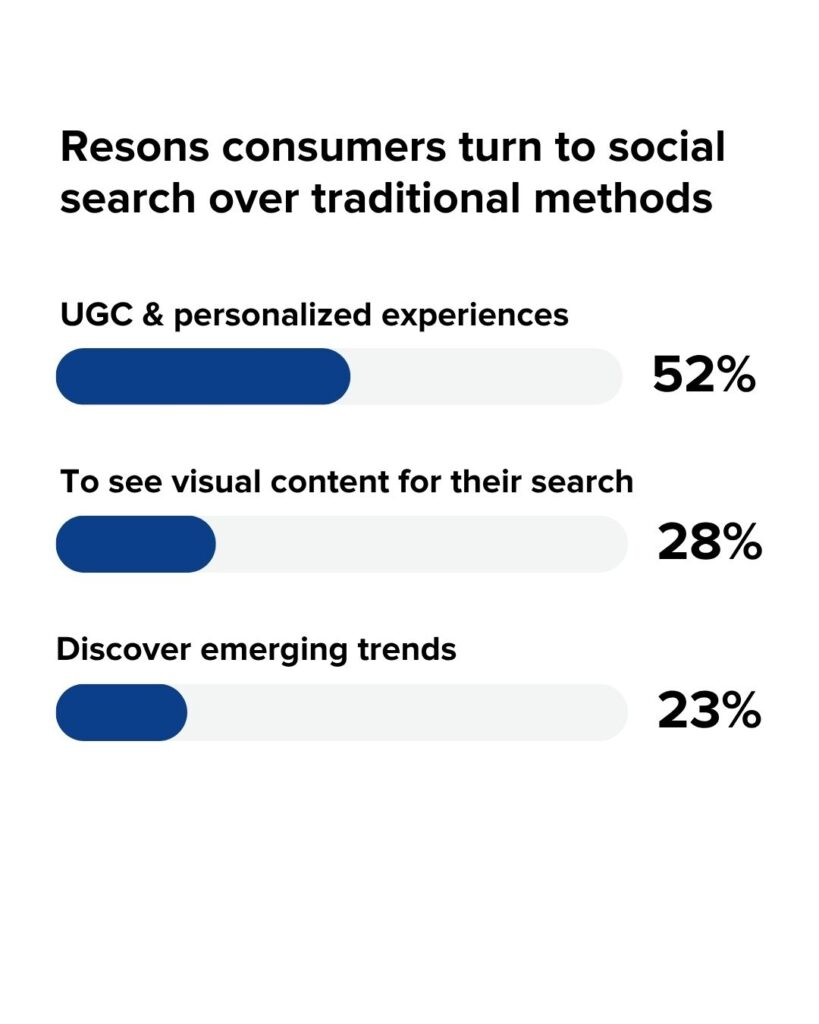
Search behavior has fundamentally changed. As Social Media Search Engine Optimization (SOSEO) gains momentum, platforms like TikTok and Instagram are increasingly competing with Google for discovery. Simultaneously, Answer Engine Optimization (AEO) is changing how brands appear in AI-driven results. Because chatbots like ChatGPT or Claude pull heavily from community-driven platforms like Reddit and YouTube, brands that publish high-value, searchable content on these networks are significantly more likely to be cited as authoritative sources in the AI search ecosystem.
Implications: Crisis Management and Customer Retention
In an age of hyper-connectivity, a minor service disruption can escalate into a global brand crisis within hours. The implications for failing to monitor social channels are profound.
Proactive Risk Mitigation
A social-first crisis management strategy is no longer optional. Modern intelligence tools allow brands to identify spikes in negative sentiment, misinformation, or customer complaints before they reach a tipping point. By utilizing real-time social listening, companies can address grievances with precision and speed, effectively "short-circuiting" a crisis before it damages the company’s market reputation.
The New Standard for Customer Care
Personalized service is no longer a perk; it is a baseline expectation. Research indicates that 45% of professionals have successfully improved customer retention through proactive social engagement. In a landscape dominated by generic automated responses, those who provide high-touch, human-centric support on social platforms are winning the battle for long-term brand loyalty.
Case Studies: Real-World Applications of Social Intelligence
The theoretical power of social intelligence is best illustrated by organizations that have integrated these tools into their daily operations.
Honda: From Maintenance to Innovation
American Honda transformed its social team into a strategic engine for R&D. By utilizing Sprout Social’s listening tools, the team reclaimed 40 hours of manual work per month, reallocating that time to high-level data analysis. This shift resulted in a 251% increase in community engagement. Crucially, they now report findings directly to the R&D department, ensuring that the development of next-generation vehicles is informed by real-world customer sentiment.
Lemonade: Building Trust at Scale
Insurance disruptor Lemonade uses social media to humanize a traditionally sterile industry. By centralizing all customer touchpoints into a single inbox, they have bridged the gap between marketing and claims support. For Lemonade, every tweet or comment is an opportunity to prove the brand’s promise of speed, empathy, and accuracy, turning social media into a competitive advantage in a crowded market.
Casey’s: Bridging the Gap with Integration
Retailer Casey’s faced a common challenge: siloed communication between their Guest Relations and social teams. By integrating Sprout Social with Salesforce, they reduced their average response time from three days to just three to five hours—a 90% improvement. This integration allowed for a seamless flow of data, ensuring that every customer interaction, regardless of the platform, is documented and resolved with consistency.
Conclusion: The Future of the "Social-First" Organization
The corporate hierarchy is currently undergoing a structural realignment. The role of the "Social Media Manager" is expanding into the "Strategic Translator"—someone who takes the nuanced, often chaotic data of social platforms and converts it into actionable business intelligence.

As the internet becomes more fragmented and search intent shifts toward social and AI-driven platforms, the brands that win will be those that view social media as a core business function rather than an auxiliary marketing task. By investing in the right tools, fostering a culture of active listening, and aligning social data with organizational goals, companies can build a resilient, customer-centric future.
The era of broadcast marketing is over. The era of the social-intelligent enterprise has begun. Organizations that fail to listen as loudly as they speak will find themselves obsolete in a market that demands constant, real-time connection.
Ready to transform your organization’s approach to social intelligence? Discover how Sprout Social’s comprehensive suite of tools empowers businesses to turn social data into a scalable, predictable engine for growth.












No comments yet. Be the first to join the conversation!