

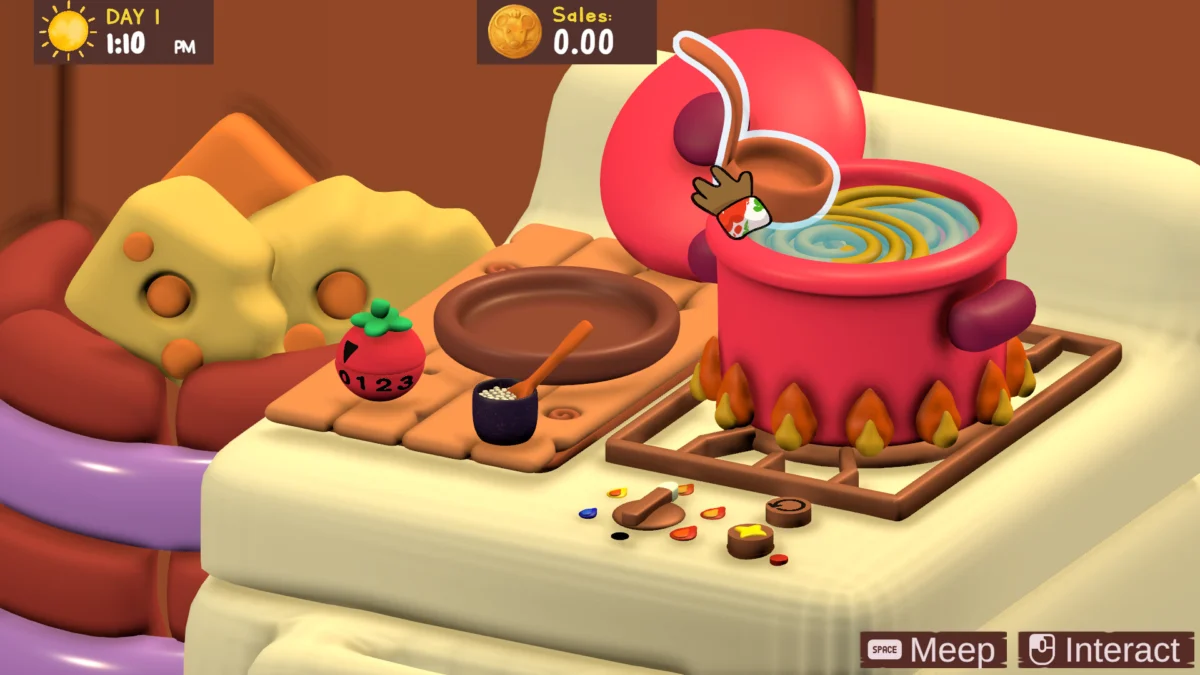
The landscape of cozy gaming has seen a massive surge in popularity, with players increasingly seeking digital sanctuaries that prioritize relaxation, tactile satisfaction, and aesthetic charm. Enter Pawsta, an upcoming cooking simulation game that distinguishes itself through a unique, handcrafted aesthetic: claymation. Developed as a heartwarming journey of family and flavor, Pawsta invites players to step into the tiny shoes of a mouse named Rigatoni, tasked with helping their grandmother manage a bustling, world-class restaurant.
The Core Concept: Claymation Meets Culinary Art
At its heart, Pawsta is a love letter to the culinary arts, reimagined through the lens of traditional stop-motion animation. While many modern cooking simulators lean toward high-fidelity realism or frantic time-management mechanics, Pawsta opts for a slower, more deliberate pace.
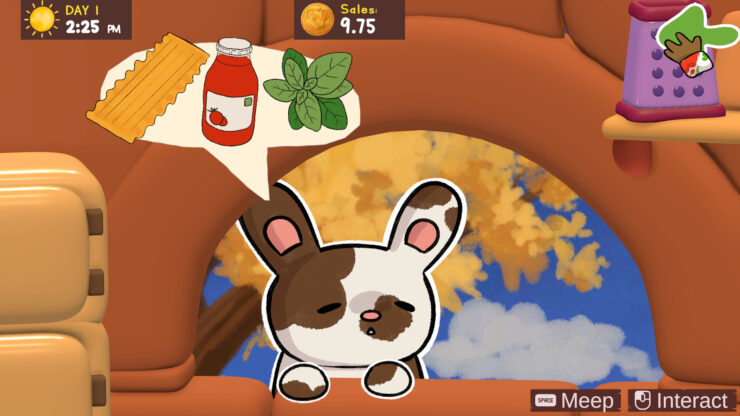
The player assumes the role of Rigatoni, a dedicated mouse navigating the kitchen of a restaurant steeped in family history. The gameplay loop is designed to be accessible and intuitive. Customers enter the establishment and present their orders via simple, clear visual icons. Once an order is placed, the player is granted full agency over the preparation process.
The lifecycle of a dish in Pawsta is remarkably detailed for its scale. Players begin by retrieving raw pasta dough from the refrigerator, proceeding to roll it out, slice it into specific shapes, and boil it to perfection. From there, the dish moves through a series of stations—sauce application, topping distribution, and final plating. What sets Pawsta apart is the freedom afforded to the player during these steps; you decide the portion of sauce and the exact arrangement of toppings. This personal touch turns every plate into a creative expression rather than a robotic execution of a recipe.
Chronology of Development: From Concept to Kitchen
The genesis of Pawsta lies in the desire to translate the tactile nature of clay modeling into an interactive medium. While the title is currently in active development, the snippets released via trailers and previews at events like Wholesome Direct have highlighted the studio’s commitment to a distinct visual language.
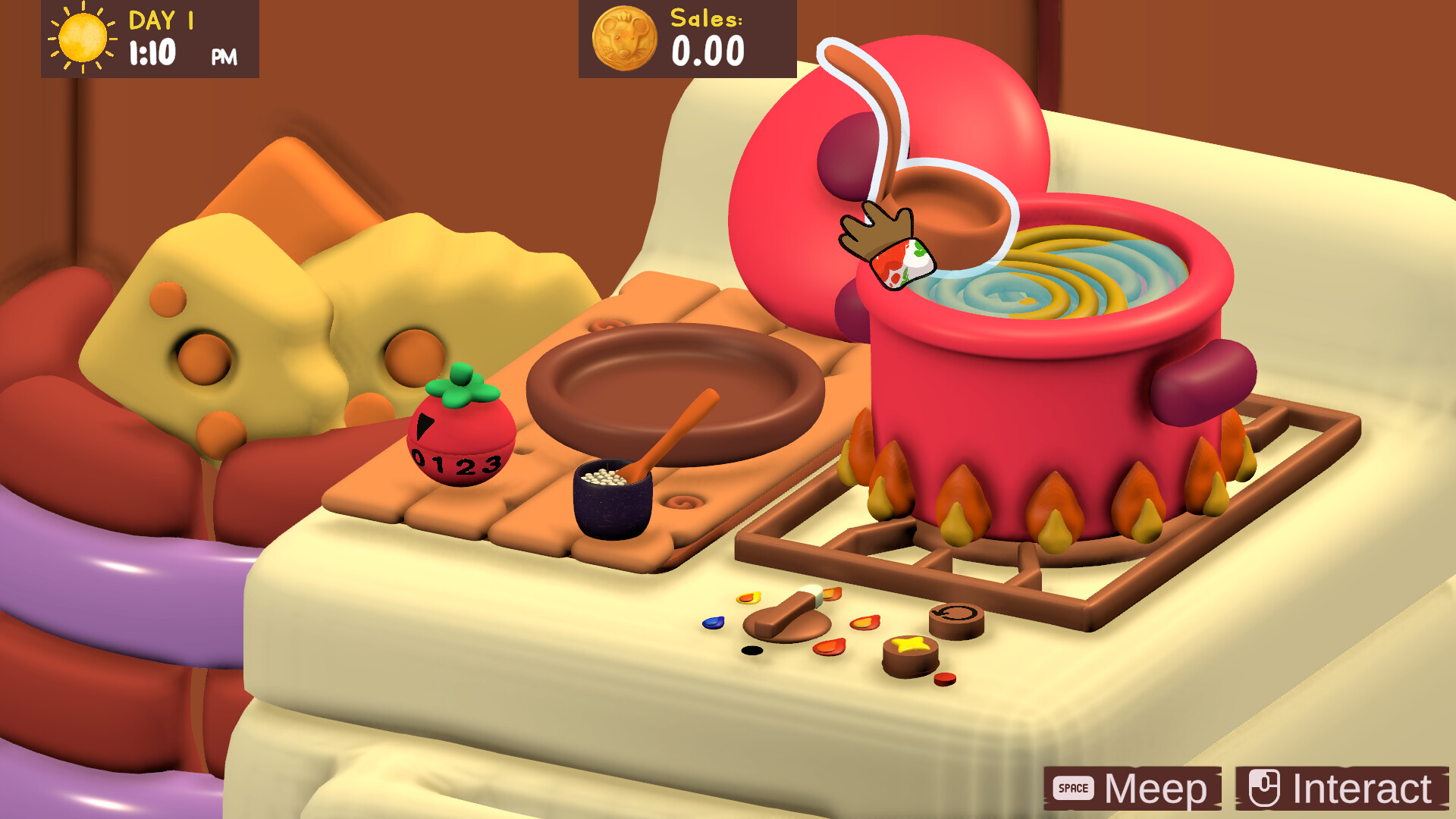
The development timeline, while still ongoing, has focused heavily on refining the "feel" of the kitchen. Early prototypes established the core mechanics of dough preparation, while recent phases of development have centered on expanding the game’s scope. The developers have teased that the game will eventually take players on a global culinary tour. As Rigatoni travels, the menu expands, introducing players to international pasta styles and diverse preparation methods, ensuring that the gameplay loop remains fresh as the narrative progresses.
Supporting Data: Why the "Cozy" Market is Hungry for Pawsta
To understand the potential impact of Pawsta, one must look at the current market trends within the indie gaming sector. Data from platforms like Steam consistently indicate that "cozy," "relaxing," and "simulation" tags are among the most searched and wishlisted categories.
- Stress-Free Design: Unlike industry staples such as Overcooked, which rely on high-pressure, chaotic multiplayer mechanics, Pawsta rejects the "timer anxiety" trope. In Pawsta, there are no failing grades for being slow. Whether you are scrubbing a dish or carefully plating a fettuccine, the game environment is designed to accommodate the player’s pace. This creates a psychological "flow state" that is increasingly sought after by gamers looking to decompress after a long day.
- Visual Fidelity through Texture: The choice of a claymation art style is a strategic differentiator. In an era where many indie developers mimic pixel art or low-poly aesthetics, the organic, slightly imperfect look of clay adds a layer of warmth and nostalgia. It evokes the feeling of watching classic children’s animation, creating an immediate emotional connection with the player.
- Player Agency: Data regarding retention in cooking games suggests that players prefer games where they have creative control. By allowing players to determine the volume of ingredients and the aesthetics of the dish, Pawsta provides a sense of ownership that fixed-recipe games often lack.
Official Perspectives and User Experience
In early playtests, users have noted that the game’s charm is its greatest asset. However, as with any game in development, there are hurdles to overcome.
One primary piece of feedback from initial observers concerns the game’s onboarding process. During the first few sessions, players have reported that the visual cues—the highlights meant to guide the player toward the next interaction—can occasionally feel ambiguous. While the game is designed to be intuitive, the balance between "hand-holding" and "player discovery" is a fine line. Developers are reportedly refining these UI elements to ensure that players understand the next logical step without breaking the immersive, cozy atmosphere of the kitchen.
Despite these minor learning curves, the consensus remains overwhelmingly positive. The emotional hook—the narrative of Rigatoni helping their grandmother—provides a grounded, relatable motivation that elevates the game from a mere set of tasks to a meaningful story.
Implications: The Future of Niche Cooking Simulators
The success of Pawsta could signal a shift in how developers approach simulation games. By focusing on the craft of cooking rather than the speed of service, Pawsta challenges the traditional norms of the genre.
- The "Slow-Gaming" Movement: Pawsta is a prime example of the "slow-gaming" movement, where the objective is not to win, but to exist within the game world. If this title performs well, we may see an influx of similar projects that emphasize sensory satisfaction—the sound of dough being rolled, the look of simmering sauce—over competitive leaderboards.
- Narrative-Driven Simulation: By integrating the story of Rigatoni’s family and their culinary heritage, the developers have proven that even a simple cooking game can benefit from a strong narrative spine. This suggests that future simulation titles will need to offer more than just mechanics to capture the modern audience; they need a soul.
- Technological Accessibility: Because the game relies on stylized claymation rather than high-end graphical fidelity, it remains accessible to a wide range of hardware, including laptops and handheld consoles like the Steam Deck. This accessibility is crucial for the "cozy" market, where portability is often a key factor for players.
Conclusion: A Must-Watch for Cozy Enthusiasts
Pawsta is shaping up to be a standout title in the independent gaming scene. While it is still currently in development, its unique blend of tactile, claymation aesthetics and a stress-free, narrative-driven gameplay loop offers a refreshing alternative to the often frantic pace of modern cooking sims.
Whether you are a seasoned gamer looking for your next relaxing obsession or someone who simply appreciates the artistry of hand-crafted digital worlds, Pawsta warrants a spot on your radar. By removing the pressure of time and focusing on the pure joy of creation, the developers have crafted an experience that feels as warm and comforting as a homemade meal.
For those eager to follow Rigatoni’s journey, the best way to support the development is to add Pawsta to your Steam Wishlist. Doing so not only keeps you updated on development milestones but also provides the developers with the crucial data needed to bring this charming world to life. As the game continues to grow, it is clear that Pawsta is not just about making pasta—it is about finding the joy in the process, one clay-modeled ingredient at a time.











No comments yet. Be the first to join the conversation!