Iffa Jayyana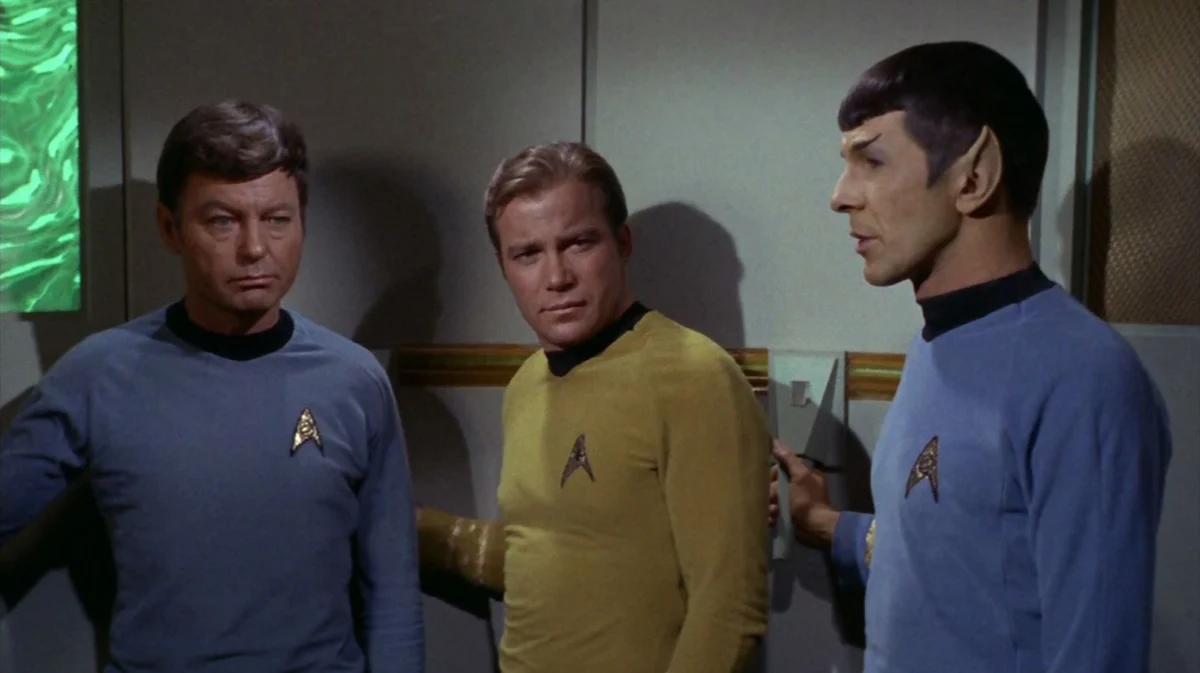
For decades, the Star Trek franchise has captured the imaginations of millions, presenting a vision of a future where humanity has moved beyond petty squabbles to explore the cosmos. Yet, beneath the grand philosophical debates and the high-stakes diplomacy of the USS Enterprise, there lies a fundamental organizational question that has puzzled fans since the series first premiered in 1966: Who, exactly, is in charge when the Captain is away?
The sight of Captain James T. Kirk, Commander Spock, and Dr. Leonard McCoy beaming down to a hostile planet—leaving the most advanced ship in the fleet under the supervision of a rotating cast of junior officers—has become a hallmark of Star Trek: The Original Series (TOS). While fans often joke about the logistical absurdity of leaving the ship’s most experienced personnel in the crosshairs of "salt vampires" or "rock monsters," the underlying question of succession is a matter of profound structural importance for any space-faring navy.
The Core Problem: Leadership in a Dangerous Universe
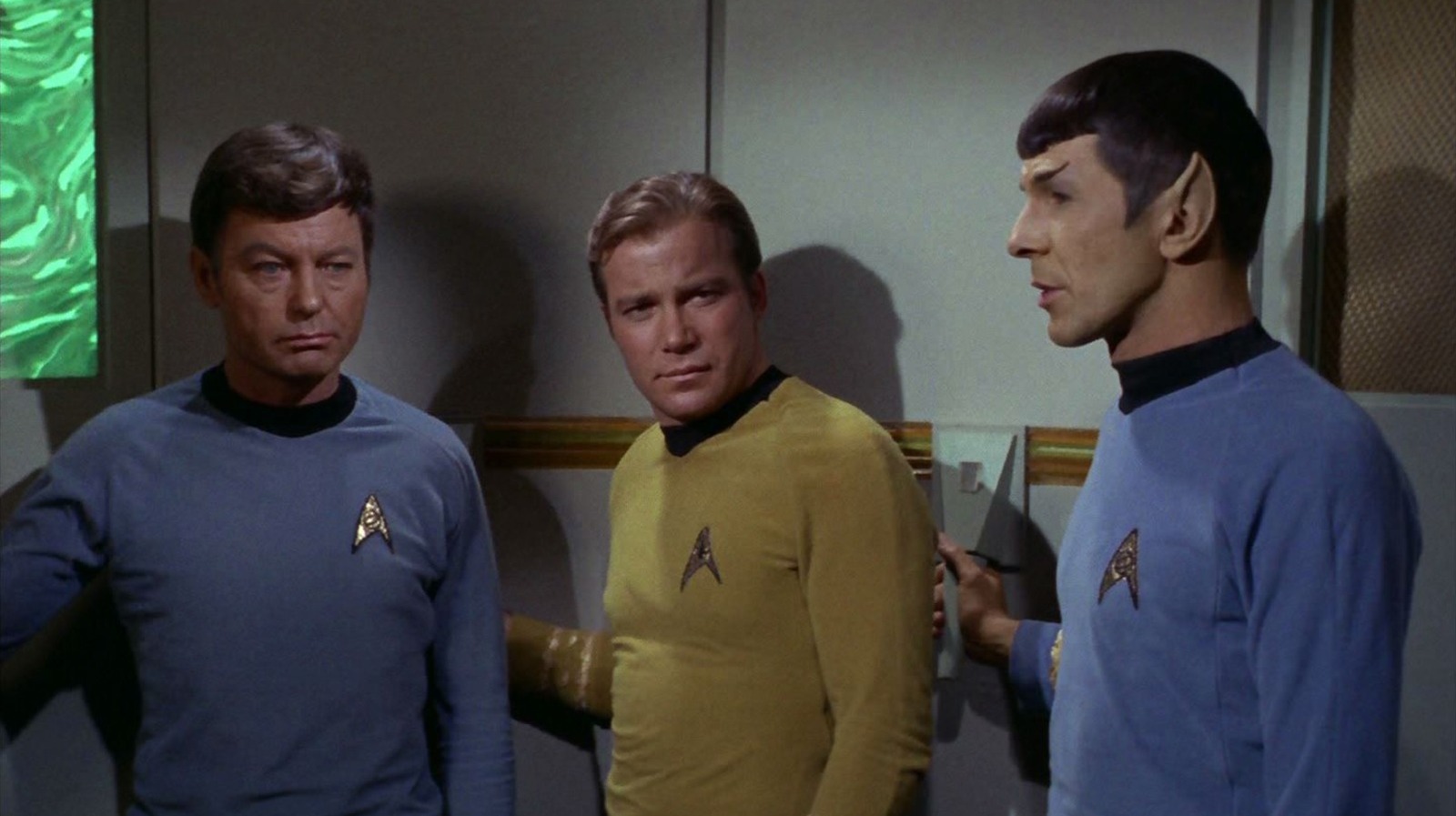
In any military organization, the chain of command is the bedrock of operational stability. On the USS Enterprise, this structure is ostensibly clear: Captain Kirk is the commanding officer, Commander Spock serves as the Executive Officer (First Officer), and Chief Engineer Montgomery "Scotty" Scott acts as the Second Officer. However, the reality of life aboard a Federation starship often complicates this hierarchy.
The primary point of contention arises when the senior-most officers are simultaneously absent from the bridge. While the show frequently places Scotty in command during these instances, his role as the Chief Engineer keeps him tethered to the lower decks, away from the tactical displays and the helm. This creates a functional gap: when the ship is in immediate, high-stress combat, does the command fall to the person with the highest rank, the person on the bridge, or the person designated by the Captain before his departure?
Chronology of Command: From the Bridge to the Captain’s Chair
To understand the hierarchy, one must analyze the chronological progression of the series and the specific instances where the chain of command was tested.
The Early Days: The Spock/Scotty Dynamic
In the initial episodes of TOS, the structure was strictly defined by the chain of command as it existed on paper. If Kirk were indisposed, Spock took the center seat. If Spock were also away, the responsibility fell to Scotty. However, this created a recurring narrative tension. Because Scotty was frequently tasked with engineering duties during crises—such as engine failures or hull breaches—he was often unavailable to command the bridge effectively.
The Rise of the Bridge Crew
As the series progressed, the focus shifted toward the bridge staff. Lieutenants Hikaru Sulu and Nyota Uhura became the functional leaders during the Captain’s absence. While Sulu often occupied the helm, his golden tunic signified his placement on the command track, distinguishing him from the operations-focused personnel. This led to a subtle, yet persistent, rivalry in fan discourse: who is the true fourth-in-command?
The Animated Series Revelation
The 1970s Star Trek: The Animated Series provided a critical, albeit often overlooked, piece of canon. In the episode "The Lorelei Signal," a crisis leaves all male crew members incapacitated, forcing Lieutenant Uhura to assume command of the ship. This event is significant because it provides a rare, explicit confirmation that Uhura held a high position in the line of succession—a fact later corroborated by Nichelle Nichols herself, who noted that Uhura was often considered the fourth officer in the official hierarchy.
Supporting Data: Rank vs. Functional Necessity
The debate over the chain of command often hinges on the distinction between rank and role. In the United States Navy and other modern maritime forces, command is determined by rank and seniority. In the hypothetical universe of Starfleet, the rules are seemingly more fluid.
The Role of Rank
Rank is the most objective metric. If the Captain is incapacitated, the officer with the highest rank present on the bridge takes command. This is an immutable rule of military engagement. However, the Enterprise often operates with a "seniority by department" system. For example, while Sulu and Uhura held the same rank of Lieutenant, Sulu’s placement in the Command division meant he was more frequently tasked with directing the ship’s movement and tactical operations.
The "Captain’s Prerogative"
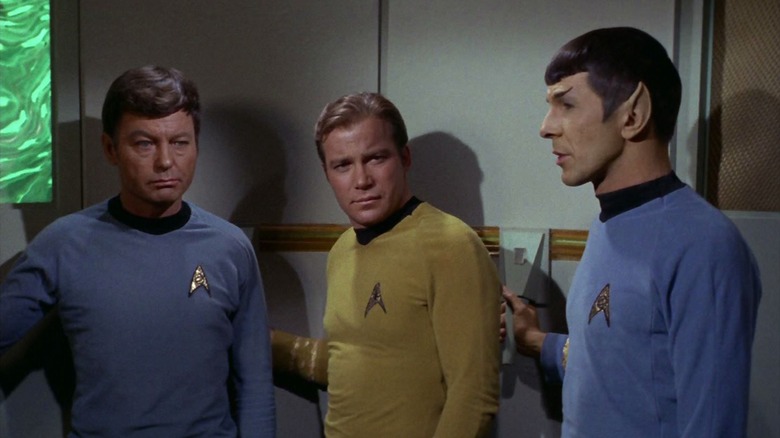
Perhaps the most powerful factor in the Enterprise’s chain of command is the Captain’s explicit order. Throughout the series, Kirk frequently assigns specific officers to "hold the ship" while he is on an away mission. This overrides standard seniority. If Kirk designates Ensign Ramirez as the acting commander, the rest of the crew—including officers with higher ranks—must defer to that ensign. This demonstrates that Starfleet prioritizes trust and specific operational aptitude over rigid, bureaucratic seniority.
Official Perspectives and Behind-the-Scenes Lore
The lack of a singular, written-in-stone document regarding the Enterprise’s chain of command has invited decades of speculation. From a production standpoint, the chain of command was often a narrative device used to highlight the capabilities of the supporting cast.
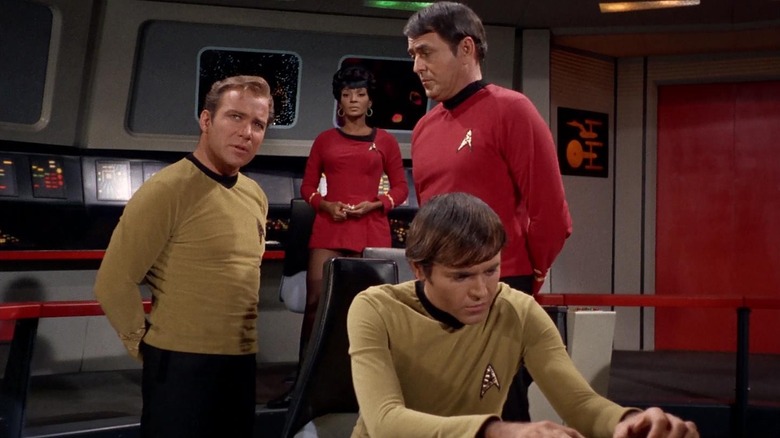
By giving characters like Uhura, Sulu, and Chekov moments in the center seat, the writers were able to flesh out the ship’s hierarchy without needing to constantly rely on Kirk. Interviews with the original cast suggest that while they didn’t have a rigid internal manual, they understood the hierarchy as a "living" system. It was designed to ensure that the ship would remain operational even if its most vital components—the human ones—were removed.
Implications for Future Starfleet Operations
The lessons learned from the Original Series’ command structure have clear implications for the future of the franchise and real-world leadership theory.
Decentralization of Command
The Enterprise model suggests that the best way to ensure the survival of a vessel is to ensure that every member of the bridge crew is trained in command-level decision-making. By rotating the responsibility, Kirk ensured that the crew was resilient. This decentralization prevents a "single point of failure," a critical concept in modern systems engineering and organizational management.
The Human Factor
Ultimately, the chain of command on the Enterprise is a balance between the rigid requirements of a military hierarchy and the necessary flexibility of an exploratory vessel. A ship on a five-year mission into the unknown cannot always rely on a pre-ordained list of successors. It must rely on the competence and readiness of those who remain on the bridge.
The fluidity of the command structure reflects the nature of the Star Trek universe itself: one that values initiative, adaptability, and the courage to take the helm when the situation demands it. Whether it is Scotty, Sulu, or Uhura in the chair, the chain of command serves as a reminder that leadership is not just a rank on a sleeve, but a responsibility to the ship and the crew.
Conclusion: A Legacy of Leadership
While fans may continue to debate the intricacies of the Enterprise’s succession plan, the core truth remains: the chain of command in Star Trek is less about paperwork and more about the ethos of the organization. Starfleet is not merely a military entity; it is an institution that fosters talent and prepares its officers to lead under the most extreme conditions imaginable.
As we look back on the legacy of the USS Enterprise, we see a ship that was not just commanded by a man, but by a collective of highly capable, dedicated professionals. The "chain of command" is, in essence, a testament to the fact that when the Captain is away, the ship remains in good hands—regardless of who is wearing the golden, blue, or red tunic.

 Nana Muazin
 Pevita Pearce