

Japanese convenience stores—or konbini—have long been celebrated as the gold standard of retail efficiency. While they are renowned for their fresh onigiri and seasonal bento boxes, a quiet revolution has been taking place in the frozen aisles. Since the onset of the COVID-19 pandemic, consumer habits have shifted significantly; with more time spent at home, the demand for restaurant-quality sweets that can be stored in a freezer and enjoyed on demand has skyrocketed.
Leading this charge is 7-Eleven Japan, which has recently captivated the internet with its "Pancake with Cream & Chocolate Chunks." This dessert is not merely a frozen snack; it is a meticulously engineered culinary experience that challenges the perception of convenience store fare.
The Rise of the Konbini Frozen Dessert Market
For decades, the standard for konbini desserts was the refrigerated display case—items meant to be consumed within hours of purchase. However, the pandemic-driven "stay-at-home" economy forced a pivot. Consumers began seeking items that offered longevity without compromising on quality.
The frozen sweets sector emerged as the solution. By utilizing advanced flash-freezing technologies, convenience store chains like 7-Eleven have been able to offer items that maintain the integrity of delicate creams, fluffy batters, and decadent toppings. The "Pancake with Cream & Chocolate Chunks" represents the pinnacle of this trend, blending the nostalgia of a traditional pancake breakfast with the sophisticated presentation of a high-end café dessert.
Chronology of a Culinary Discovery
Finding this specific dessert is, in itself, an adventure. Unlike standard chocolate bars or ice cream pints, this item is frequently restocked in limited quantities, leading to a "treasure hunt" atmosphere among enthusiasts.
The Hunt and the Unboxing
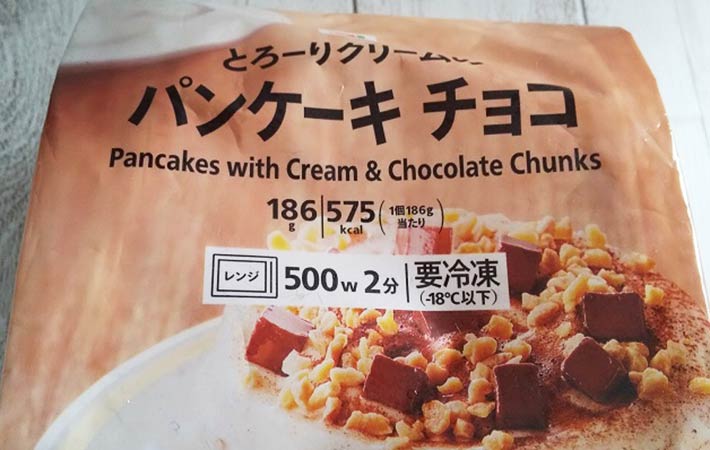
Upon locating the elusive package in the frozen section, the first striking detail is the promise on the label. The imagery depicts a decadent, multi-layered cake-like pancake topped with generous swirls of cream and chocolate. Skepticism is a natural reaction—most packaged goods struggle to match their marketing photography.
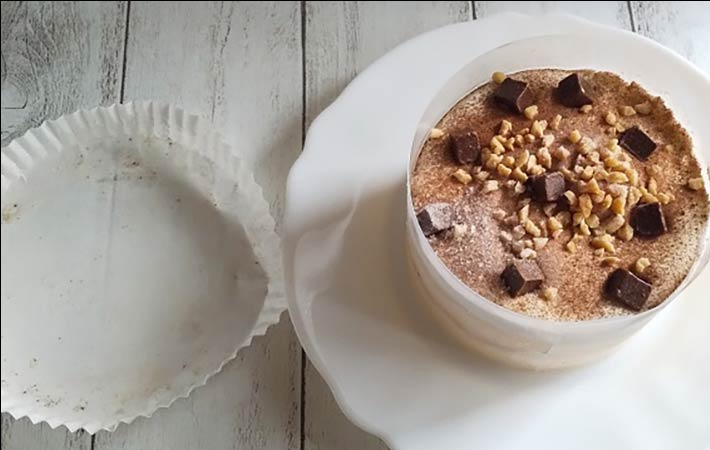
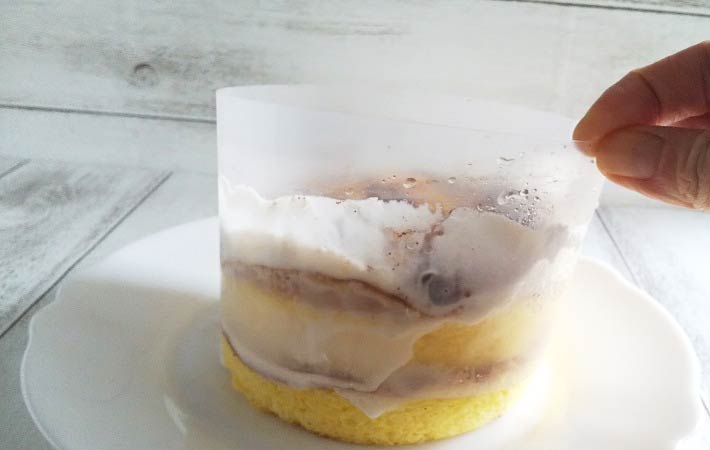
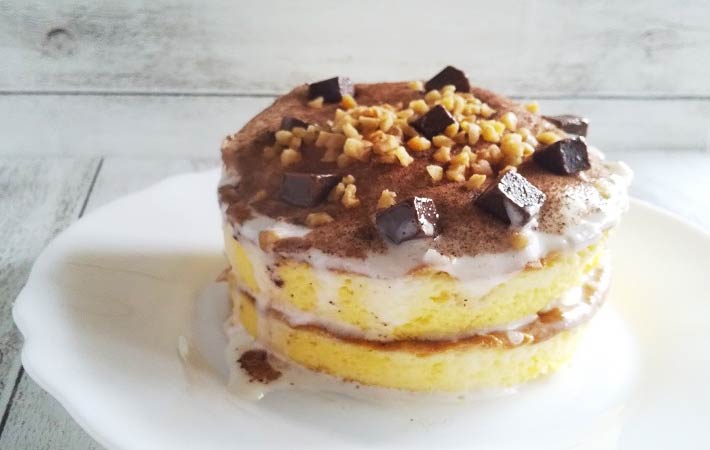
However, once the packaging is removed, the product reveals its true form. The frozen puck of dessert, encased in a protective side film, arrives looking surprisingly like the promotional image. The toppings—a sophisticated blend of milk cream, chocolate chunks, almond bits, and a dusting of cocoa powder—are arranged with a precision rarely seen in frozen retail items.
The Preparation Ritual
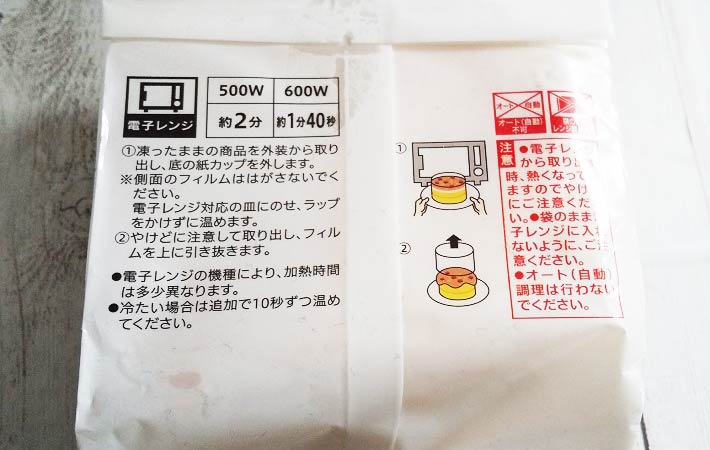
The preparation process is a brief ceremony that heightens anticipation. After removing the paper cup base, the dessert is placed in the microwave. Following the manufacturer’s instructions (typically two minutes at 500W), the microwave acts as a catalyst for the textures.
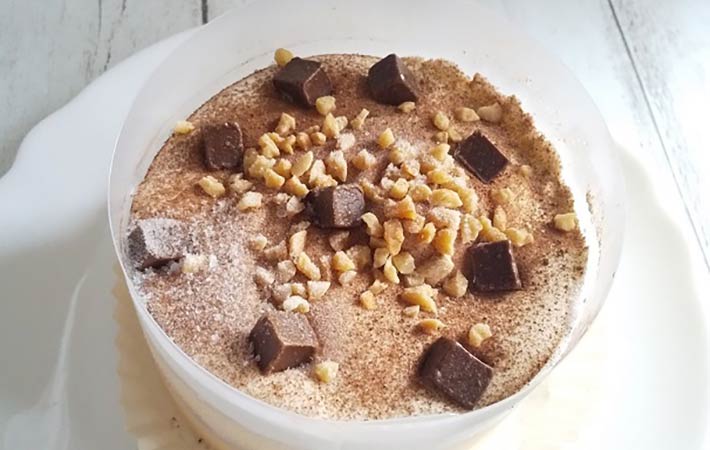
As the timer counts down, the frost melts, and the kitchen fills with the warm, sweet fragrance of cocoa and vanilla. Crucially, the process is not just about heating; it is about the transformation of ingredients. The chocolate chunks soften into a ganache-like consistency, while the pancake base regains its light, airy structure.
Supporting Data and Sensory Analysis
A detailed breakdown of the product reveals why it has garnered such "rave reviews" from food critics and social media influencers alike.
Technical Composition
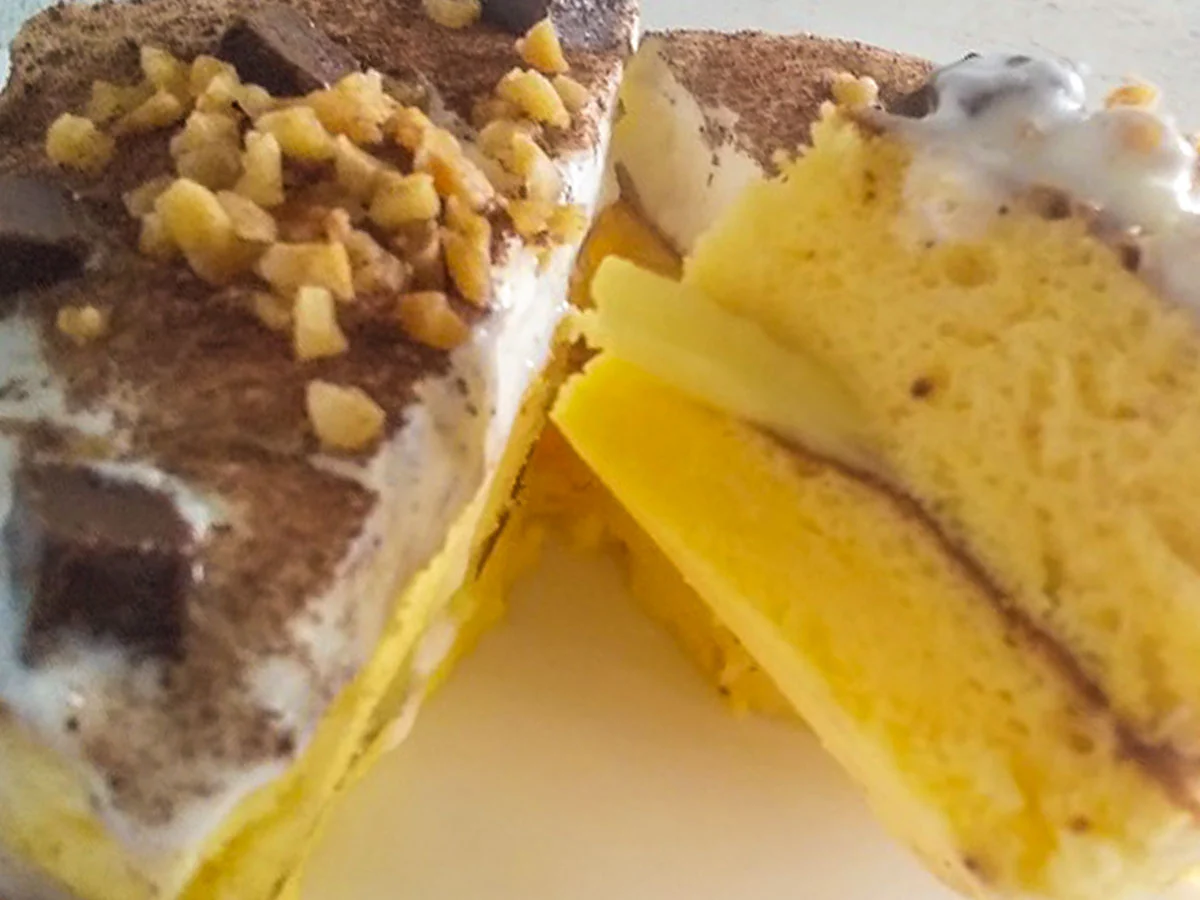
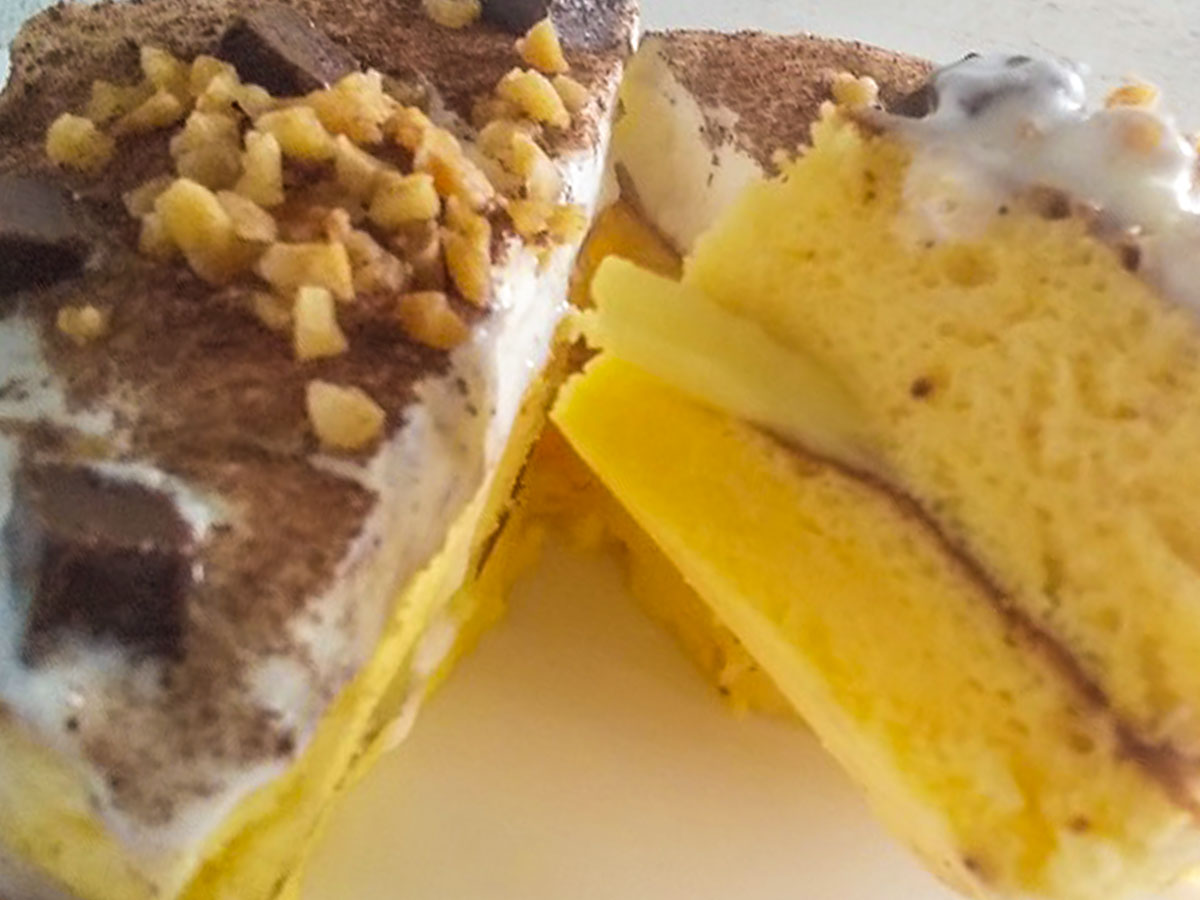
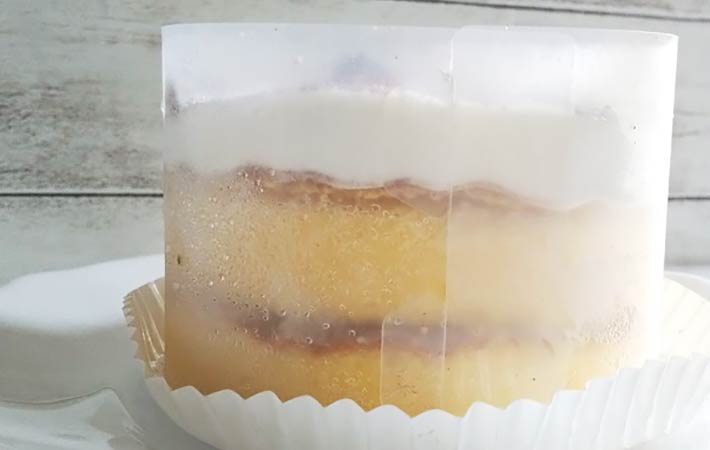
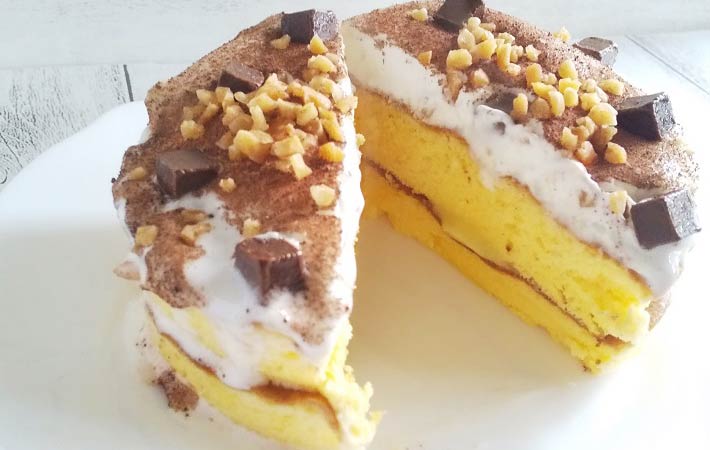
When sliced, the architecture of the dessert becomes apparent. The pancake is not a singular slab; it is a sandwich of two fluffy pancakes separated by a hidden layer of rich custard cream. This inclusion of custard acts as a textural bridge, preventing the overall experience from becoming monotonous.
- The Pancake: Exceptionally fluffy, with a slight "gooey" finish reminiscent of premium Castella sponge cake.
- The Cream: A dual-layer system. The top whipped cream remains cool even as the pancake warms, while the interior custard provides a dense, silky contrast.
- The Toppings: The combination of almond bits and chocolate chunks provides a necessary crunch against the soft base.
Nutritional and Economic Context
The indulgence comes at a cost, both in calories and currency. With approximately 575 kcal, this is a substantial dessert, designed to be a centerpiece of a meal rather than a light snack. Priced at 494 yen (including tax), it occupies a premium tier in the convenience store market, firmly positioning itself as a "luxury experience" rather than a budget-friendly treat.
The Engineering Behind the Heat: Maintaining Integrity
One of the most remarkable aspects of this dessert is its thermal stability. In standard microwave cooking, delicate whipped creams often liquefy or separate. 7-Eleven’s engineering team has clearly accounted for this.
The heat distribution is managed so that the core of the pancake warms through while the delicate whipped cream toppings retain their structural integrity and a cooler, refreshing temperature. This "hot-and-cold" contrast is a signature element of high-end desserts, and achieving it in a home microwave is a testament to the R&D invested in the product’s formulation.
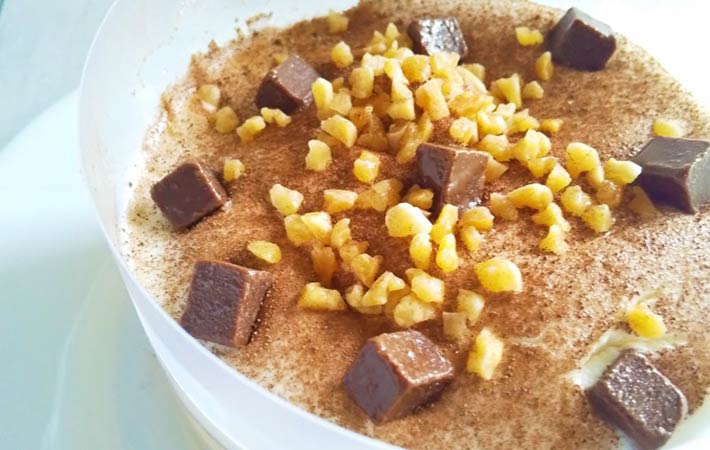
Furthermore, as the consumer consumes the dish, the pancake base begins to soak up the melting whipped cream. This turns the final bites into a "juicy," decadent experience, ensuring that the last mouthful is just as satisfying as the first.
Implications for the Future of Retail
The success of the "Pancake with Cream & Chocolate Chunks" carries significant implications for the future of the global convenience sector.
Changing Consumer Expectations
The success of this product signals that consumers are no longer willing to settle for "good enough" when it comes to quick-service food. The bar has been raised; shoppers now expect restaurant-grade quality even in items that have spent weeks in a freezer. This forces competitors to move away from mass-produced, shelf-stable snacks and toward high-value, artisanal-style frozen offerings.
The "Café at Home" Movement
Retailers are effectively competing with coffee shops and dessert boutiques. By offering a product that requires a brief, active preparation step, 7-Eleven has gamified the dessert experience. The consumer is not just eating a pancake; they are "finishing" a culinary creation. This engagement fosters a stronger brand connection and justifies the higher price point.
Supply Chain and Scarcity
The difficulty in locating these items—which has led to a flurry of social media posts and "restock alerts"—is a double-edged sword. While it creates a sense of scarcity that drives demand, it also highlights the challenge of mass-producing such complex, fragile items. The "rare find" status of the pancake has turned it into a cultural commodity, further fueling its viral status.
Conclusion: A New Standard for Frozen Sweets
The 7-Eleven "Pancake with Cream & Chocolate Chunks" is more than just a sweet treat; it is a case study in how convenience can be married with quality. By focusing on multi-layered textures, surprising ingredients like custard, and a carefully managed heating process, 7-Eleven has successfully brought the café experience into the home freezer.
For those traveling in Japan, finding this dessert is a small, sugary victory. It serves as a reminder that the most exciting culinary innovations are often found in the most unassuming of places—the frozen aisle of your local konbini. Whether you are a fan of fluffy pancakes or simply an enthusiast of well-engineered desserts, this 575-calorie masterpiece is a testament to the ingenuity of Japanese retail.
If you stumble upon one, do not hesitate—the intersection of convenience and luxury is waiting, and it rarely stays in stock for long.












No comments yet. Be the first to join the conversation!