
 Iffa Jayyana
For three decades, the Pokémon franchise has stood as a titan of global pop culture, anchoring its identity in a roster of creatures that have remained remarkably consistent since their debut in the mid-1990s. While regional variants, Mega Evolutions, and subtle artistic tweaks have modernized the aesthetic, the core designs of the original Gen 1 Pokémon remain largely untouched. Yet, as the franchise celebrates its landmark 30th anniversary in 2026, there is a palpable shift in how The Pokémon Company is presenting its most recognizable mascot. From "Chonkachu" retrospectives to sophisticated wedding attire, Pikachu is experiencing a sartorial renaissance that reflects the franchise’s enduring influence.
The Evolution of an Icon: From Kanto to the Modern Era
When Pokémon Red and Green first launched in Japan in 1996, the pixelated sprites were simple, utilitarian, and endearing. Pikachu, in particular, was depicted as a somewhat rounder, more robust creature—a look affectionately dubbed "Fat Pikachu" by the fanbase. Over the years, as the anime series took flight and the game’s art style shifted toward a more dynamic, streamlined aesthetic, Pikachu underwent a physical slimming down. This transition wasn’t just a design choice; it mirrored the evolution of the brand itself, moving from a niche handheld RPG to a sleek, global multimedia phenomenon.
However, the 30th anniversary has brought these historical designs back into the spotlight. In early 2026, the official release of "Fat Pikachu" plush merchandise served as a nostalgic bridge between the franchise’s humble beginnings and its current status as an entertainment juggernaut. This move signaled a willingness by The Pokémon Company to embrace its own history, acknowledging that while the modern, athletic Pikachu is the face of the brand, the "retro" aesthetic holds a powerful, sentimental value for longtime fans.

The Wedding Collection: A New Milestone in Merchandise
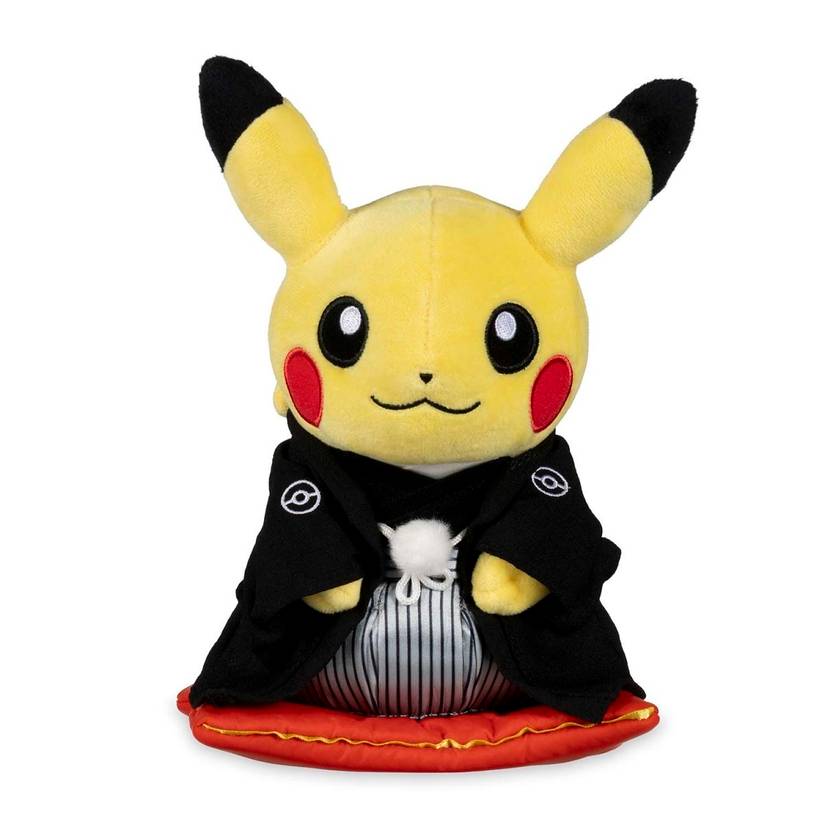
The latest addition to the franchise’s ever-expanding catalog of mascot-centric merchandise is the "Wedding Kimono Pikachu (Male) Plush." Released via the official Pokémon Center website, this 9-inch collectible retails for $29.99 and showcases a high level of detail, featuring a formal black montsuki kimono adorned with two Poké Balls on the front.
This product release is more than just a novelty; it represents a strategic shift in how the brand positions its mascot within the lifestyle sector. By aligning Pikachu with significant life events—such as weddings, graduations, and seasonal vacations—The Pokémon Company is effectively weaving its characters into the personal milestones of its audience. The existence of a corresponding "Wedding Dress (Female) Pikachu" plush highlights the brand’s commitment to completeness and inclusivity, ensuring that the pairing is as iconic as the creatures themselves.
Chronology of the Mascot’s Wardrobe
To understand the scale of this design shift, one must look at the historical trajectory of Pikachu’s "costume" history:

- 1996–2000 (The Formative Years): Pikachu is defined by its standard design. The focus is on the core RPG experience and the establishment of the character as the franchise lead.
- 2000–2010 (The Expansion Era): With the introduction of Pokémon Contests and special events, the first iterations of "dressed" Pikachu appear in limited-edition merchandise and early spin-off media.
- 2010–2020 (The Gimmick Era): The introduction of Cosplay Pikachu in Omega Ruby and Alpha Sapphire normalized the idea of a customizable mascot. This allowed players to change Pikachu’s appearance based on "cool," "beautiful," or "clever" attributes.
- 2020–Present (The Lifestyle Era): Marking the lead-up to the 30th anniversary, the focus has shifted to high-quality, thematic, and commemorative designs. The upcoming Pokémon Winds and Waves games have further teased a departure from the static mascot design, promising vacation-themed aesthetics that feel organic to the game’s setting.
Supporting Data: Why 2026 is a Turning Point
The increased frequency of unique, themed Pikachu releases in 2026 is no accident. The 30th anniversary serves as a massive marketing catalyst. According to retail data trends within the gaming sector, collectibles that tie into real-world lifestyle themes—such as weddings, anniversaries, and holiday-specific decor—outperform standard merchandise by a significant margin.
Furthermore, the integration of these designs into upcoming titles like Pokémon Winds and Waves and the highly anticipated Pokémon Legends: Z-A suggests that the visual experimentation seen in merchandise will eventually bleed into the core gaming experience. This "aesthetic fluidity" allows The Pokémon Company to keep the mascot fresh without alienating the core fanbase that demands the classic, familiar look.
Official Responses and Strategic Implications
While The Pokémon Company rarely comments on the specific artistic philosophy behind every individual plush, their overarching strategy is clear: democratization of the brand. By offering items that range from nostalgic throwbacks to modern lifestyle accessories, they are ensuring that the 30-year-old fan has just as much reason to shop at the Pokémon Center as a six-year-old newcomer.
Industry analysts note that this approach is essential for long-term brand health. A franchise that refuses to innovate its core visual identity risks stagnation, while one that changes too much risks losing its identity. By confining these "new looks" to specific, high-quality merchandise and thematic game events, Pokémon maintains the "safety" of the brand while providing the "novelty" required to sustain consumer interest over three decades.
Implications for the Future of the Franchise
What does this mean for the future of Pokémon? As the series moves into its fourth decade, we can expect a continued blurring of the lines between merchandise, animation, and in-game content. The "Wedding Kimono Pikachu" is likely a precursor to a more personalized era of the franchise, where players have more control over the aesthetics of their partners, reflecting the diversity and individual expression of the global player base.
Moreover, the success of these niche, high-quality releases proves that the Pokémon audience is maturing alongside the brand. A 30-year-old fan who grew up playing Red and Blue is now at an age where they are potentially getting married, decorating a home, or looking for high-end collectibles. By providing products that cater to these life stages, The Pokémon Company is not just selling toys—they are selling a lifelong companionship.
Conclusion
As we look toward the future, the "Wedding Kimono Pikachu" serves as a perfect microcosm of the modern Pokémon strategy: respectful of the past, relevant to the present, and prepared for the future. Whether it is appearing on a wedding reception table or sitting on a collector’s shelf, the new Pikachu designs remind us that even after 30 years, the world’s most famous Electric-type mouse still has plenty of surprises in store. The franchise has masterfully navigated the transition from a childhood pastime to a lifestyle staple, and if the 30th anniversary is any indication, the best is yet to come.
As fans look forward to Pokémon Winds and Waves and the continued expansion of the Legends series, one thing is certain: Pikachu will be there, looking as classic—or as festive—as the moment requires.


 Pevita Pearce
 Asep Darmawan




