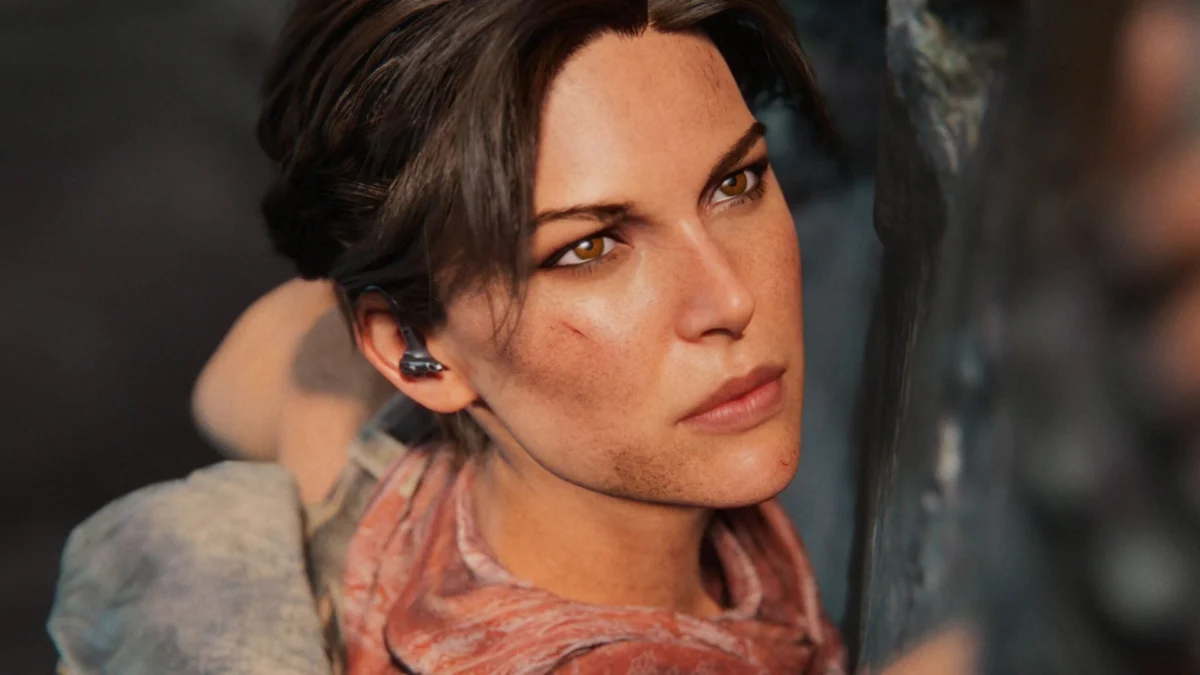
Seattle, WA – [Current Date] – The highly anticipated action-adventure title, Tomb Raider: Catalyst, finds itself at the center of a swirling debate regarding its release schedule, following a recent public comment by a senior Amazon Games executive. Jeffrey Gattis, the division leader for Amazon Games, seemingly suggested a delay for the Crystal Dynamics-developed game, pushing its projected launch from 2027 to 2028. However, Amazon Games has swiftly moved to counter this assertion, stating unequivocally that there are "no updates to share regarding the game’s release timing" and reiterating that development is "progressing well."
This conflicting information has ignited discussions across the gaming community, raising questions about internal communication within Amazon Games, the stability of development timelines for major AAA titles, and the broader implications for the beloved Tomb Raider franchise. Fans, who have eagerly awaited the next evolution of Lara Croft’s adventures, are now left to decipher the true status of a game that promises to redefine the iconic heroine for a new generation.
Contradictory Statements Spark Debate
The initial spark came from an unscripted moment during "The Games Business podcast," where Jeffrey Gattis, a prominent figure within Amazon Games, was discussing upcoming releases. In what appeared to be an offhand remark, Gattis stated, "…[Tomb Raider: Legacy of] Atlantis comes February 12 of next year and then we’ll follow on in 2028 with the next one." The "next one" in this context was widely understood to refer to Tomb Raider: Catalyst, which had previously been announced with a 2027 target release window.
The implications of Gattis’s statement were immediate and significant. A year-long delay for a tentpole title like Tomb Raider: Catalyst would represent a considerable shift in strategic planning and potentially impact marketing cycles, revenue projections, and fan expectations. Given the high profile of the Tomb Raider intellectual property and Amazon Games’ substantial investment in its publishing, such a delay would not be taken lightly.
The Core of the Contention
In response to Gattis’s comments, a representative for Amazon Games provided a concise but firm clarification to Gematsu, a leading gaming news outlet. "We don’t have anything new to share about Catalyst’s timing," the representative stated. "The game is progressing well and we look forward to sharing more details as we get closer." This official stance serves as a direct pushback against Gattis’s suggestion, effectively attempting to recalibrate public perception and maintain the established narrative that the game’s 2027 release target remains unchanged, or at least, not officially altered.
The ambiguity inherent in such a situation is palpable. On one hand, an executive speaking publicly may have access to internal timelines not yet formally announced. On the other, a carefully worded official statement from the publisher’s PR team is designed to control messaging and prevent premature disclosures or misinterpretations. This leaves the gaming world in a state of speculative limbo, awaiting a definitive declaration regarding Tomb Raider: Catalyst‘s launch.
A Shifting Timeline: The Chronology of Tomb Raider‘s Next Chapters
Understanding the current situation requires a look back at the journey of these new Tomb Raider titles, which have already seen their share of adjustments and anticipations. The franchise, under the stewardship of Crystal Dynamics and published by Amazon Games, is embarking on an ambitious new era, promising groundbreaking experiences for PlayStation 5, Xbox Series, and PC platforms.
Initial Unveilings and Ambitious Targets
The excitement for the next installments of the Tomb Raider saga began in earnest in December 2025. During a major industry event, Amazon Games and Crystal Dynamics formally announced two distinct, yet interconnected, projects: Tomb Raider: Catalyst and Tomb Raider: Legacy of Atlantis. Both titles were poised to leverage the power of next-generation hardware and were expected to continue Lara Croft’s legendary explorations, pushing boundaries in narrative, gameplay, and graphical fidelity.
At the time of their announcement, Tomb Raider: Catalyst, developed by the veteran team at Crystal Dynamics, was given a tentative release window of 2027. This placed it as a flagship title for Amazon Games in the coming years, a significant entry in their growing portfolio of published AAA games. Tomb Raider: Legacy of Atlantis, which was unveiled simultaneously, was initially slated for an even earlier release in 2026, setting up a relatively tight cadence for the franchise’s revival.
Legacy of Atlantis Faces Its Own Delay
However, the ambitious timelines soon faced the realities of game development. In June 2026, Tomb Raider: Legacy of Atlantis was officially delayed. Originally targeting a 2026 launch, the game’s release was pushed back to February 10, 2027. This announcement also came with the additional news that Legacy of Atlantis would expand its platform availability to include the then-unannounced (or recently announced) Switch 2, broadening its potential player base.
This initial delay for Legacy of Atlantis served as an early indicator that even well-established franchises and experienced development teams could encounter unforeseen challenges or choose to prioritize polish over expediency. Such adjustments are common in the industry, often welcomed by players who prefer a refined product over a rushed one. The delay also shifted the expected sequence of releases, placing Legacy of Atlantis in early 2027, just months before Catalyst‘s original 2027 target.
Gattis’s Podcast Comments: An Unscripted Revelation
The latest development in this evolving timeline arrived with Jeffrey Gattis’s appearance on "The Games Business podcast." During his discussion, broadcast today, Gattis explicitly stated, "…[Tomb Raider: Legacy of] Atlantis comes February 12 of next year and then we’ll follow on in 2028 with the next one." The mention of "February 12 of next year" for Atlantis aligns closely with its officially delayed date of February 10, 2027, lending credibility to his knowledge of the franchise’s immediate future.
It was his subsequent comment about "2028 with the next one" that sent ripples through the gaming community. Given the established release schedule, "the next one" could only logically refer to Tomb Raider: Catalyst. This casual revelation, delivered in an unscripted interview format, stood in stark contrast to the formal, controlled announcements typically associated with major game release date changes. The informal nature of the disclosure immediately raised questions about whether this was an accidental leak, a candid insight into internal planning, or a simple misstatement.
Amazon Games’ Swift Rebuttal: Sticking to the Script
Recognizing the potential for widespread confusion and speculation, Amazon Games moved quickly to issue a clarifying statement. Through a representative, the company emphasized that it had "no updates to share about Catalyst’s timing." This response, delivered to Gematsu, aimed to re-establish the official narrative and mitigate any perceived change to the game’s 2027 release window.
The statement also included a positive affirmation of the game’s development status: "The game is progressing well and we look forward to sharing more details as we get closer." This boilerplate language is common in such situations, designed to reassure stakeholders and the public that, despite the conflicting remarks, the project is on track in terms of quality and internal progress, even if the external timeline remains in flux. The speed of Amazon Games’ reaction highlights the sensitivity surrounding release dates and the importance of maintaining consistent public messaging for high-profile titles.
Deeper Dive: Context and Supporting Data Behind the Headlines
The unfolding situation surrounding Tomb Raider: Catalyst‘s potential delay is not an isolated incident but rather a microcosm of broader trends and challenges within the modern video game industry. To fully appreciate the implications, it’s essential to consider the landscape in which Amazon Games and Crystal Dynamics operate, the legacy they are upholding, and the prevailing dynamics of game development.
Amazon Games’ Evolving Role in AAA Publishing
Amazon Games, while a relatively newer entrant into the highly competitive AAA publishing space compared to industry veterans, has been making significant strides and investments. The company’s journey has been marked by a mix of successes and learning experiences. Titles like the critically acclaimed MMORPG New World and their successful publishing partnership for Lost Ark have demonstrated their capability to launch and sustain large-scale online games. However, they have also faced challenges, notably with the early struggles and eventual cancellation of Crucible.
Their strategic shift towards publishing established, beloved IPs like Tomb Raider signifies a clear intent to solidify their position as a major player. Partnering with Crystal Dynamics for the Tomb Raider franchise represents a substantial financial and reputational commitment. This partnership underscores Amazon’s ambition to not just develop internal games but also to leverage its vast resources to bring highly anticipated titles from renowned studios to market. Any disruption to a flagship project like Catalyst would naturally attract scrutiny, given the company’s aspirations in the gaming sector.
Crystal Dynamics: Stewards of a Legendary Franchise
Crystal Dynamics holds a storied place in the history of the Tomb Raider franchise. After Eidos Interactive and Core Design’s foundational work, Crystal Dynamics took the reins in the mid-2000s, revitalizing Lara Croft with titles like Tomb Raider: Legend and the highly successful "Survivor Trilogy" reboot (Tomb Raider, Rise of the Tomb Raider, Shadow of the Tomb Raider). Their expertise in crafting compelling narratives, intricate puzzles, and engaging action sequences is well-established.
The studio itself has undergone significant changes in recent years, including ownership shifts from Square Enix to Embracer Group, and then a strategic agreement that saw Amazon Games take over publishing duties for the next Tomb Raider game. These transitions, while potentially offering new opportunities, can also introduce complexities in development pipelines, communication protocols, and overall project management. The team at Crystal Dynamics is undoubtedly under immense pressure to deliver a game that not only honors the franchise’s legacy but also innovates for the current generation of consoles and PC, all while navigating these corporate shifts. The use of Unreal Engine 5 for Catalyst also points to a significant technological leap, which, while promising visually, often entails its own development challenges and learning curves.
The Tomb Raider Legacy and Fan Expectations
The Tomb Raider franchise is more than just a series of games; it’s a cultural phenomenon. Lara Croft is one of gaming’s most recognizable icons, celebrated for her intelligence, athleticism, and adventurous spirit. Generations of players have followed her exploits, making each new installment a highly anticipated event. The announcement of Catalyst and Legacy of Atlantis sparked immense excitement, with fans eager to see how Lara’s story would continue and evolve.
This deep-seated fan loyalty translates into high expectations for quality, innovation, and narrative depth. Any perceived delay or uncertainty can be met with a mix of understanding (if it means a better game) and frustration (if communication is unclear). For Amazon Games and Crystal Dynamics, managing these expectations is crucial. They must balance the desire to deliver a groundbreaking experience with the practical realities of game development, all while maintaining transparency and trust with their dedicated fanbase.
The Modern Gaming Landscape: Delays as a New Norm
In the contemporary gaming industry, delays have become an increasingly common, almost expected, part of the development cycle for major AAA titles. The complexity of modern games, the demands of next-generation hardware, the intricacies of online functionalities, and the global scale of development teams all contribute to a landscape where original timelines often prove optimistic.
Factors such as the pursuit of "crunch-free" development, a greater emphasis on employee well-being, and the desire to avoid launching unfinished or buggy products (which can severely damage a game’s reputation and sales, as seen with several high-profile launches in recent years) often lead studios to push back release dates. While disappointing in the short term, such delays are frequently seen by players as a necessary evil for ensuring a high-quality, polished experience. The current situation with Tomb Raider: Catalyst can be viewed through this lens, where the tension between an ambitious schedule and the realities of development is playing out publicly.
The Power and Peril of Unofficial Communications
Jeffrey Gattis’s comments on "The Games Business podcast" underscore the delicate balance between official corporate messaging and the more candid, often unscripted, nature of interviews and public appearances. In an age of instant information dissemination, even seemingly casual remarks from high-ranking executives can carry significant weight and become headline news.
While podcasts and interviews offer valuable insights and humanize corporate leaders, they also present a risk of miscommunication or premature disclosure. Corporate communications teams meticulously craft press releases and official statements to control narratives and ensure accuracy. When an executive deviates from this script, intentionally or not, it can create confusion, necessitate damage control, and highlight potential discrepancies between internal planning and external messaging. The incident with Tomb Raider: Catalyst is a prime example of how unofficial channels can inadvertently disrupt carefully managed public relations strategies.
Official Responses and Their Nuances
The contrasting statements from Jeffrey Gattis and the official Amazon Games representative offer a masterclass in corporate communication, highlighting the difference between an executive’s candid thoughts and a publisher’s carefully curated public image.
Dissecting Jeffrey Gattis’s Statement
Jeffrey Gattis’s remark, "…[Tomb Raider: Legacy of] Atlantis comes February 12 of next year and then we’ll follow on in 2028 with the next one," delivered during "The Games Business podcast," is notable for its directness and lack of hedging. The phrasing "we’ll follow on in 2028" sounds definitive, suggesting an internal understanding or projection within Amazon Games that Catalyst is now targeting that year.
Several interpretations are possible:
- Accidental Leak: Gattis might have inadvertently revealed an internal timeline that was not yet ready for public announcement. Executives often operate with more current information than what is officially disclosed to the public, and a casual setting can lead to such slips.
- Forward-Looking Projection: It could be that 2028 is the most likely internal target given current progress and potential challenges, even if 2027 remains the official "optimistic" or "aspirational" goal. Gattis might have been speaking to the practical reality of the project.
- Misstatement/Confusion: While less likely for a division leader, it’s not impossible for an executive to momentarily confuse dates or projects, especially when discussing multiple titles. However, the specificity of "2028" makes this less probable.
Regardless of the intent, Gattis’s comment created an immediate information vacuum that Amazon Games felt compelled to fill.
Amazon Games’ Carefully Crafted Reply
The official response from an Amazon Games representative to Gematsu was a textbook example of corporate damage control and strategic communication. "We don’t have anything new to share about Catalyst’s timing," is a phrase designed to be non-committal. It neither confirms nor denies Gattis’s 2028 projection. It simply states that no new information is being disseminated at this time. This allows the company to maintain its existing 2027 target as the official word without directly contradicting an internal projection that might eventually materialize.
The addition that "The game is progressing well and we look forward to sharing more details as we get closer" serves a dual purpose. Firstly, it reassures stakeholders (investors, partners, fans) that the project is not in crisis and development is on track in terms of quality. Secondly, it subtly pushes back against any notion of imminent problems, framing the discussion as one of information timing rather than development woes. This phrasing is a standard in the industry when companies want to manage expectations without making definitive new announcements.
The Art of Non-Confirmation: What Was (and Wasn’t) Said
The core of Amazon Games’ official response lies in its strategic ambiguity. By stating "no updates to share," they are not explicitly denying that Catalyst might eventually be delayed to 2028. They are merely stating that an official announcement to that effect has not been made. This leaves the door open for a formal delay announcement at a later date, should it become necessary, without having to retract a previous statement.
What wasn’t said is equally important. There was no forceful denial of a 2028 release, no re-confirmation of 2027, and no direct correction of Gattis’s words. This measured approach suggests that while Amazon Games wants to control the narrative and avoid premature news, they may also be acknowledging the fluid nature of game development timelines, especially for projects of this scale. The lack of a definitive statement against a 2028 release implies that such a scenario is not entirely outside the realm of possibility, even if it’s not the current official communication.
Implications and the Road Ahead
The conflicting statements regarding Tomb Raider: Catalyst‘s release date carry significant implications for various stakeholders, from the eager fanbase to the development teams and the broader gaming industry.
For the Aspiring Adventurers: Fan Sentiment and Anticipation
For the millions of Tomb Raider fans worldwide, this situation creates a mixture of anticipation and uncertainty. On one hand, the prospect of a potentially delayed Catalyst could be disappointing, extending the wait for Lara Croft’s next major adventure. Fans thrive on definitive dates and clear roadmaps, and ambiguity can lead to frustration. The initial excitement for a 2027 release, following Legacy of Atlantis in early 2027, painted a clear picture of Lara’s imminent return. A shift to 2028 disrupts this carefully constructed timeline in the minds of players.
On the other hand, seasoned gamers are often wary of rushed releases. Many would likely prefer a delayed, polished game over a buggy or incomplete one that meets an arbitrary deadline. If a 2028 release means a more refined, comprehensive, and groundbreaking Tomb Raider: Catalyst, then many fans may grudgingly accept the extended wait, viewing it as an investment in quality. The key will be Amazon Games’ ability to communicate transparently and effectively if a delay is indeed formalized, emphasizing the benefits of the additional development time.
For the Developers: Managing Expectations and Development Cycles
For Crystal Dynamics, the team actively developing Tomb Raider: Catalyst, these public discussions add another layer of pressure. Internally, they are working towards specific milestones and targets. While Gattis’s comment might reflect internal discussions, the official "no updates" stance means they must continue to operate under the assumption of the publicly stated 2027 goal until otherwise directed.
Such situations can impact team morale, especially if developers are pushing hard for an earlier date only to see external communications hint at a longer cycle. It also affects resource allocation, planning for future projects, and the overall rhythm of the studio. The emphasis on the game "progressing well" from Amazon Games is likely intended to reassure the development team as much as the public, signaling continued confidence in their work despite external noise. Ultimately, Crystal Dynamics’ primary focus will remain on crafting the best possible Tomb Raider experience, regardless of the ultimate release year.
For the Publisher: Navigating Public Perception and Strategic Planning
Amazon Games faces a critical task in managing public perception and strategic planning. The conflicting statements highlight potential internal communication challenges or at least a discrepancy between informal executive commentary and formal corporate messaging. Swift and clear communication is paramount to maintaining credibility and avoiding prolonged speculation.
A potential delay to 2028 would necessitate adjustments to Amazon Games’ entire publishing roadmap, marketing budgets, and revenue forecasts. Major AAA releases are carefully positioned to avoid conflicts with other tentpole titles and to maximize market impact. Shifting Catalyst by a year could require significant re-strategizing. Furthermore, Amazon’s broader investment in gaming is under constant scrutiny. Successfully launching and sustaining high-quality games like Tomb Raider: Catalyst is crucial for their long-term vision and market standing. They must now decide whether to proactively address the speculation with a definitive statement or to continue with the "no updates" approach until a formal announcement is deemed necessary.
The Broader Industry Impact
This incident serves as a fresh reminder to the wider gaming industry about the perils of unscripted commentary from executives, especially concerning sensitive information like release dates. It reinforces the need for robust internal communication protocols and a unified public relations strategy. In an industry where information travels at lightning speed, every word from a prominent figure can be amplified and scrutinized.
It also underscores the ongoing trend of development challenges and the increasing complexity of AAA game production. The pursuit of graphical fidelity, expansive worlds, and intricate gameplay loops often requires more time than initially anticipated. This incident, regardless of its final outcome, contributes to the narrative that ambitious games often need more time in the oven, and that flexibility in release schedules is a sign of a commitment to quality, not necessarily a sign of trouble.
What Comes Next? Anticipating the Official Word
The ball is now firmly in Amazon Games’ court. While their current stance is "no updates," the public discourse ignited by Gattis’s comments will likely not subside without a more definitive statement. The gaming community will be closely watching for:
- A Formal Announcement: The most definitive resolution would be an official press release or statement from Amazon Games, either confirming a delay to 2028 or unequivocally reaffirming the 2027 target with strong conviction.
- Further Details on Development: More frequent updates on Tomb Raider: Catalyst‘s progress, perhaps with gameplay reveals, developer diaries, or new screenshots, could help manage expectations and build confidence, regardless of the release year.
- Clarification from Jeffrey Gattis: While unlikely, a follow-up statement or clarification from Gattis himself could provide further context to his original remarks.
Until then, Tomb Raider: Catalyst remains in a state of tantalizing uncertainty, a testament to the dynamic and often unpredictable nature of modern video game development and the ever-present tension between ambition, reality, and public expectation. Fans and industry observers alike will continue to monitor the situation closely, eager for the next chapter in Lara Croft’s legendary journey, whenever it may officially arrive.