Reynand Wu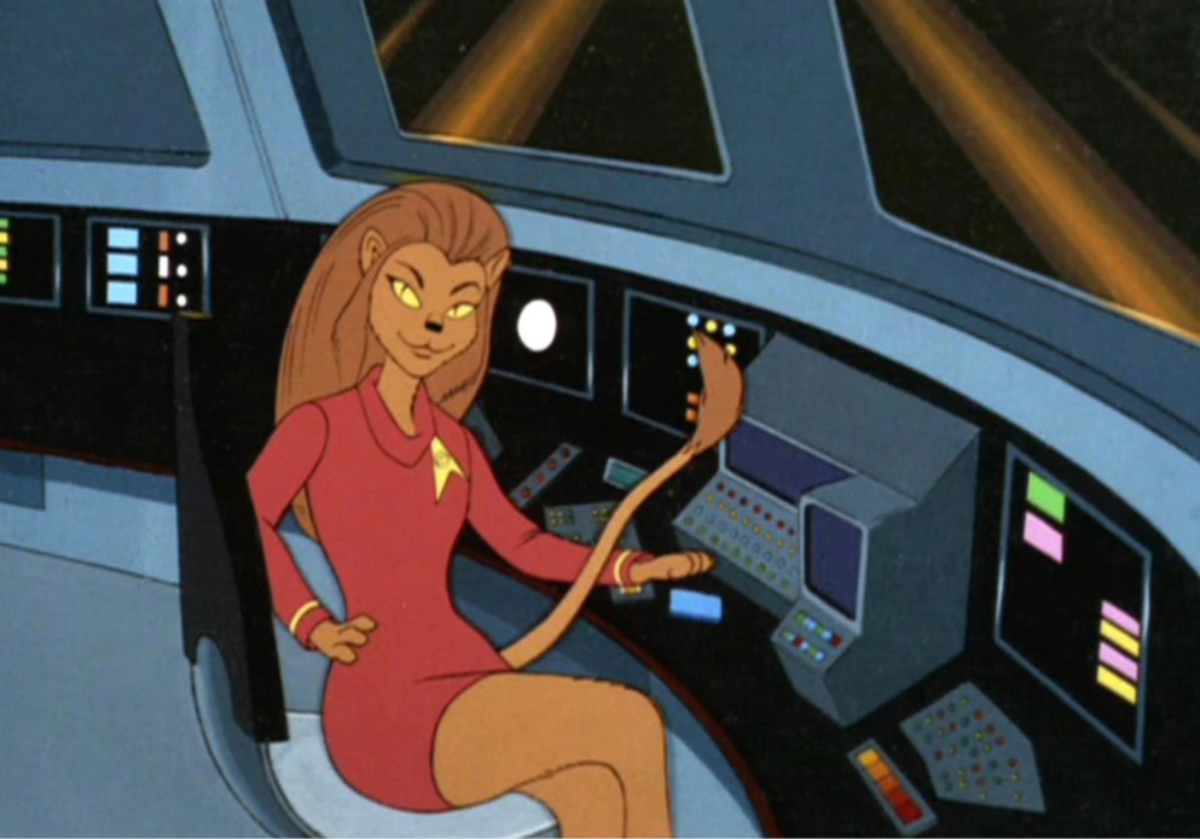
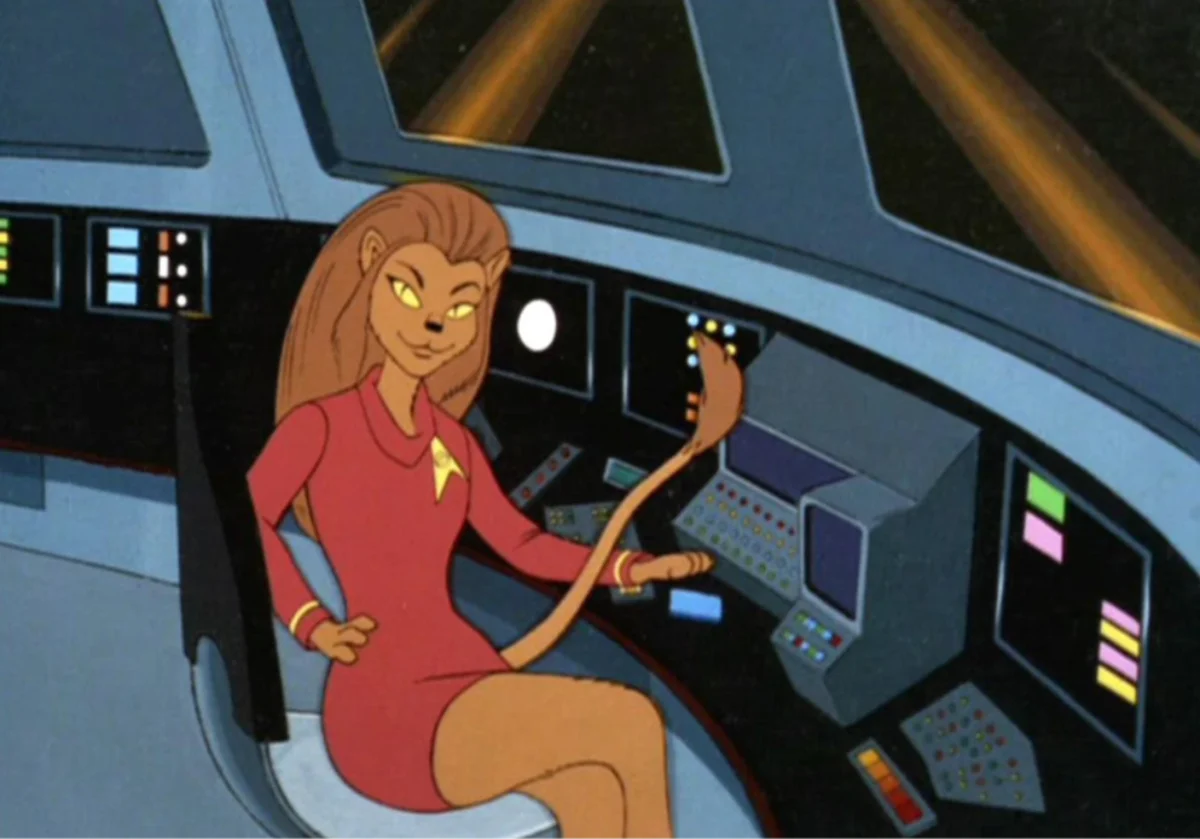
The latest installment of Star Trek: Strange New Worlds has left fans buzzing, not just for its ambitious narrative structure, but for the intricate layers of "Easter eggs" embedded within its frames. As the series continues to explore the "What if?" scenarios inherent in time-travel anomalies, showrunners have demonstrated a penchant for rewarding long-term viewers with subtle, blink-and-you-miss-it references. While the episode—titled "Tomorrow’s Enterprise"—offers a gripping look at shifting timelines, one specific visual detail has captured the collective imagination of the fandom: the brief, silent appearance of a feline humanoid in a Starfleet uniform, widely identified as the character M’Ress.
The Anatomy of an Anomaly: Understanding the Cameo
The moment occurs during a high-stakes sequence involving Uhura and a scheduled spacewalk. Eagle-eyed viewers scanning the bustling activity of the shuttle bay will notice a tall, feline figure navigating the deck. This character, clad in the unmistakable gold-and-black aesthetic of a Starfleet uniform, bears the distinct physical traits of a Caitian—a feline species first introduced to the Star Trek universe via the 1973 The Animated Series (TAS).
For those unfamiliar with the deeper cuts of the franchise, M’Ress was a recurring lieutenant in TAS who served as a communications officer—often acting as a bridge officer when Uhura was indisposed—and frequently filled in for Spock as a science officer. Her appearance in Strange New Worlds is a profound nod to the era of 1970s animation, bridging the gap between the stylized, lower-budget storytelling of the past and the high-fidelity, live-action prestige television of the present.
Chronological Conundrums: Does M’Ress Belong Here?
The inclusion of M’Ress invites a flurry of debate regarding the Star Trek timeline—a framework that is notoriously complex and often fragile.
- The Animated Series Timeline: According to established lore, The Animated Series takes place during the late 2260s, specifically beginning around 2269.
- The Strange New Worlds Timeline: The events depicted in the most recent season of Strange New Worlds are generally situated in the early 2260s, with "Tomorrow’s Enterprise" presumed to occur near 2263.
This creates a six-year discrepancy. To the casual observer, this is a minor background detail; to the "Comic Book Guy" archetype of the Star Trek fandom, it is a significant chronological anomaly. If M’Ress is serving on the Enterprise in 2263, she is essentially appearing years before she was "introduced" in the animation.
However, Strange New Worlds has consistently employed a strategy of "narrative flexibility." Showrunners may be implying that Caitians were serving within the fleet long before their prominent roles in the later years of the five-year mission. Alternatively, this could be a simple, playful disregard for rigid dating, prioritizing the visual joy of the callback over the strictures of canon.
A Secondary Cameo: The Mystery of Aleek-Om
The M’Ress sighting is not the only piece of Animated Series DNA present in the scene. Sharp-eyed viewers have noted another, even more obscure figure: a tall, yellow, bird-like alien that strongly resembles Aleek-Om, a character from the TAS episode "Yesteryear."
Aleek-Om is a member of the Aurelian species. His appearance is arguably even more significant than that of M’Ress because of his character’s specific history. In "Yesteryear," Aleek-Om was a historian deeply engaged in studying the past, and later expanded-universe novels—though their status as "canon" is often debated—place him within the Department of Temporal Investigations. Given that the episode "Tomorrow’s Enterprise" deals directly with temporal displacement and the fragility of history, the presence of an Aurelian who specializes in temporal studies is likely a deliberate, thematic choice by the production design team.
Supporting Data: Why These References Matter
Why go to the trouble of including these specific characters? The answer lies in the show’s commitment to "canon cohesion." By populating the Enterprise with species that were previously relegated to the animated realm, Strange New Worlds is effectively "canonizing" the history of The Animated Series.
Historically, many fans treated TAS as a "lesser" tier of Star Trek. By bringing these characters into the live-action aesthetic, Strange New Worlds is validating the entirety of the franchise’s history. This is not merely fan service; it is an act of historical reclamation. It suggests that the Enterprise crew has always been diverse, and that the "feline" and "avian" crew members were always there, just waiting for the cameras to focus on them.
Official Responses and Creative Intent
While the showrunners have been coy about providing an explicit backstory for these background characters, their presence is clearly a deliberate artistic choice. In recent interviews, members of the creative team have emphasized that Strange New Worlds is intended to be a love letter to the entirety of the franchise.
"We want the Enterprise to feel like a living, breathing ship," one production lead noted during a recent press junket. "That means filling the background with the same level of detail that we put into the main cast. If we have the technology to bring a Caitian or an Aurelian to life, why wouldn’t we?"
The "out" provided by the writers is one of ambiguity. By not explicitly naming these characters on screen, the production team maintains the ability to weave them into future episodes with dedicated arcs, or to leave them as delightful, unexplained fixtures of the ship’s life. It avoids the pitfall of "breaking" the canon, instead opting to expand it through subtle visual storytelling.
Implications for the Future of the Franchise
The successful integration of M’Ress and the Aurelian figure has significant implications for the future of Strange New Worlds.
1. Expanding the Species Palette
The use of high-quality prosthetics and CGI to bring these characters to life sets a new standard for background extras. Fans should expect to see a wider variety of non-humanoid species in future seasons, signaling that the franchise is moving away from the "humans with slight forehead ridges" trope that dominated the 1990s era of Star Trek.
2. A Call for More "Animated" Representation
The success of these cameos will likely put pressure on the production team to bring back other fan-favorite characters from the 1970s. Whether it is the inclusion of specific technologies seen in TAS or the return of species like the Kzinti, the door is now wide open.
3. The "Glass Canon" Strategy
Perhaps most importantly, this episode confirms that the Strange New Worlds team views the Star Trek canon as a "glass canon"—something that is structurally sound but capable of being reshaped or viewed from different angles. By prioritizing the "feeling" of the universe over the "math" of the timeline, the show manages to keep the lore fresh without alienating those who have memorized every stardate.
Conclusion: The Joy of the Hunt
Ultimately, the appearance of M’Ress and the Aurelian observer serves as a reminder of why Star Trek remains a cultural touchstone. It is a franchise that rewards curiosity. For the viewer, these cameos are a reward for paying attention, a secret handshake between the creators and the audience.
Whether M’Ress is simply on a temporary assignment or whether she is a permanent resident of the Enterprise remains to be seen. But for now, fans can rest easy knowing that the spirit of the 1970s animation is alive, well, and walking the halls of the most famous starship in the galaxy. As we look toward future episodes, the question is no longer "what" will happen, but "who" will be standing in the background when it does. The hunt for the next Easter egg has officially begun.

 Nana
Nana