

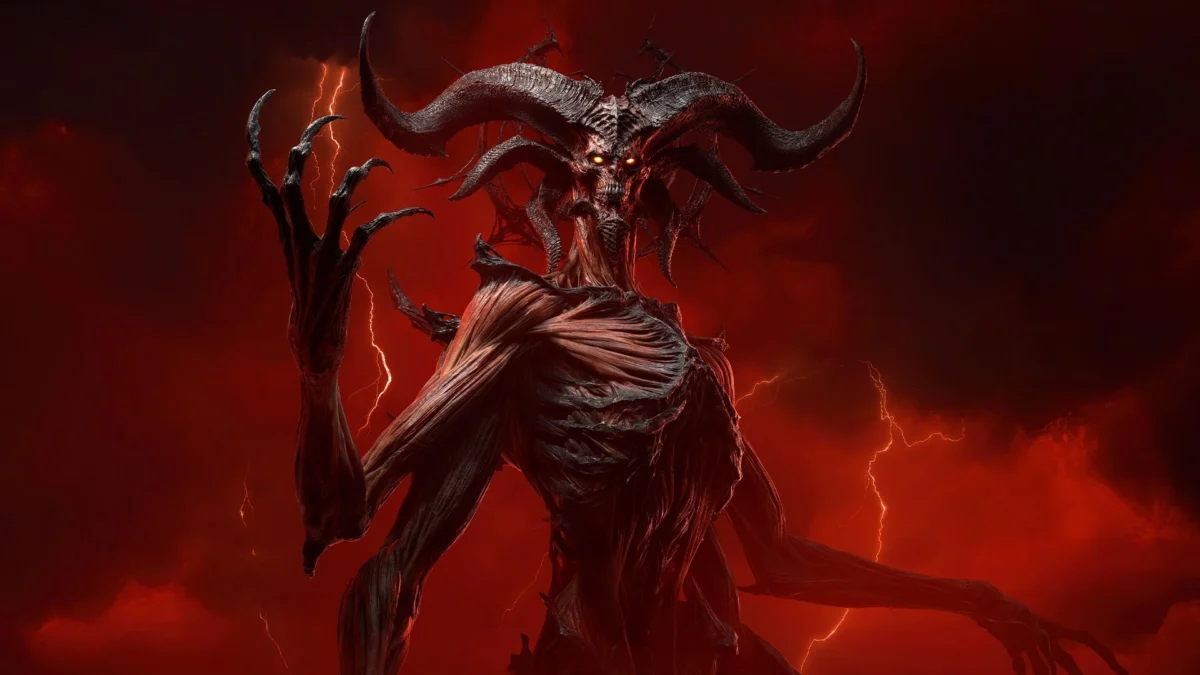
Diablo 4: Lord of Hatred arrives not merely as an expansion, but as a long-awaited resolution to the sprawling, often turbulent narrative arc that began with the launch of the base game. For a title that has weathered the storms of controversial live-service patches, divisive seasonal shifts, and the lukewarm reception of the previous expansion, Vessel of Hatred, Lord of Hatred stands as a triumphant correction. It is a dense, emotionally resonant, and mechanically refined experience that secures its place as one of the finest ARPG offerings in Blizzard Entertainment’s storied history.
The Arc of Hatred: A Narrative Retrospective
The story of Lord of Hatred picks up in the immediate aftermath of the previous expansion. Neyrelle, the pivotal figure in the search for the Prime Evil, finds herself navigating the treacherous, unfamiliar terrains of Sanctuary. The stakes remain high: she is desperately seeking a way to permanently neutralize Mephisto, the Lord of Hatred, who remains imprisoned within the Soulstone that concluded the original Diablo 4 campaign.
Unlike the wandering, often aimless pacing of Vessel of Hatred, Lord of Hatred is tightly scripted and focused. It feels like a genuine apology to the fanbase, cutting out the narrative "fluff" that plagued previous chapters. The return of Lilith is handled with surprising nuance; stripped of her omnipotence, she is presented in a vulnerable state that invites a deeper exploration of her original motivations. This evolution of her character—a direct response to the player feedback regarding the original game’s climax—makes her interactions feel fresh, desperate, and ultimately more human.
The Skovos Isles: A New Frontier
One of the most impressive feats of Lord of Hatred is its world-building. The introduction of the Skovos Isles provides a distinct aesthetic shift from the gothic, decaying environments typical of Sanctuary. Drawing heavy inspiration from Mediterranean architecture and geography, Skovos features red-tiled roofs, weathered stucco, and cobblestone streets that evoke the feeling of an ancient, sun-drenched civilization.
The region is culturally distinct, serving as the birthplace of the Amazons. These matriarchal warrior-maidens, reminiscent of the legendary Themyscira, play a central role in the expansion’s political and military narrative. For players invested in Diablo lore, the significance of Skovos cannot be overstated; as the birthplace of humanity’s progenitors—the direct descendants of Lilith and Inarius—this region feels like the historical bedrock of the series. While geographically more compact than other zones, the density of environmental storytelling and topographical variety ensures that the exploration remains engaging throughout a 30-hour playthrough.
Class Dynamics: The Paladin and the Warlock
Blizzard has taken a bold approach to player agency in Lord of Hatred, balancing long-standing fan requests with innovative new designs.

The Paladin
The Paladin, which shadow-dropped to widespread acclaim last December, has finally filled the "sword-and-board" void that existed since Diablo 4’s inception. By blending classic holy-warrior archetypes with modern mechanics—and even incorporating angelic ability sets—the Paladin feels like the missing piece of the class puzzle. It is robust, reliable, and deeply satisfying to master.
The Warlock
In contrast, the Warlock is a high-skill ceiling, "edgy" hybrid class that combines the necromantic themes of the Necromancer with the elemental chaos of the Sorcerer. The Warlock is not for the faint of heart; it requires meticulous management of summons, tactical sacrifices, and complex skill rotations. It is a class that rewards deep commitment, offering a sense of battlefield control and strategic depth that makes the traditional "hack-and-slash" feel almost pedestrian by comparison.
Mechanical Overhauls and Endgame Progression
Beyond the narrative and the classes, Lord of Hatred introduces foundational shifts to how Diablo 4 is played.

Talent Trees and The Talisman
The level cap has been raised to 70, allowing for a comprehensive rework of the talent trees. Many abilities that were previously locked behind the RNG of "Legendary" gear drops are now accessible to all players, providing a more reliable foundation for build-crafting. This is further complemented by the "Talisman" system, which grants additional passive boosts and utility—such as expanded potion capacity or dodge management—offering players another layer of customization.
The Horadric Cube and Itemization
The return of the Horadric Cube is a welcome nod to series veterans. It serves as a vital tool for players who hit a "gear ceiling" in the endgame. By allowing players to upgrade item rarity and reroll specific affixes, the Cube mitigates the frustration of relying solely on "Mythic Unique" drops, providing a clear path to character improvement through effort rather than sheer luck.
War Plans: Gamifying the Endgame
Perhaps the most significant systemic addition is the "War Plans" feature. This endgame loop allows players to create customized playlists of activities—dungeons, events, and raids—which feed into a progression tree. This removes the monotony of repetitive grinds, as every completed plan rewards the player with unique bonuses and resources. It creates a sense of purpose that Diablo 4 has historically lacked, making every session feel like part of a larger, cohesive goal.

Official Stance and Community Reception
Blizzard Entertainment has framed Lord of Hatred as the "definitive" conclusion to the base game’s lifecycle. In official press briefings, developers noted that the focus of this expansion was "intentionality"—the idea that every system, quest, and environment must serve a distinct purpose in the broader narrative.
The community reaction, while still tempering expectations based on the rocky history of live-service updates, has been largely positive. The decision to integrate the feedback from Vessel of Hatred—specifically the need for more meaningful content and a faster, more impactful story—appears to have paid off. Analysts suggest that by streamlining the endgame and providing clearer progression paths, Blizzard is positioning Diablo 4 for a long, healthy future as a flagship live-service title.
The Implications for the Future of ARPGs
The success of Lord of Hatred carries significant implications for the genre. By proving that a modern ARPG can sustain both a high-fidelity narrative and a complex, rewarding endgame loop, Blizzard has set a new benchmark. The "finality" of the campaign’s conclusion—which is willing to take risks, sacrifice key characters, and offer a climactic boss battle with truly inventive mechanics—suggests a shift in how the studio approaches long-term storytelling.

For the player, the implications are clear: the grind is no longer just a means to an end. Through War Plans, the Horadric Cube, and the refined talent systems, the journey from level 1 to 70 is punctuated by constant, visible growth. The expansion feels like a cohesive, singular vision rather than a collection of disparate systems.
Conclusion: A Tale Worth Witnessing
If you are the type of player who typically skips dialogue to rush toward the endgame, Lord of Hatred may be the exception that changes your habits. The cinematic direction, combined with the emotional weight of the character arcs, creates a spectacle that is rare in the genre. From the heartbreaking losses to the triumphant victories, the story is worth every second of screen time.
Diablo 4: Lord of Hatred is not just an update; it is an essential evolution. It successfully balances the demands of a high-production, modern cinematic experience with the deep, mechanical crunch that Diablo fans have craved for decades. It is, without question, the best work Blizzard has produced in the Diablo universe for years, and a must-play for any fan of the action-RPG genre. Whether you are a newcomer to Sanctuary or a veteran who has spent hundreds of hours in the depths of Hell, Lord of Hatred offers enough depth, excitement, and polish to justify its place in your library.











No comments yet. Be the first to join the conversation!