

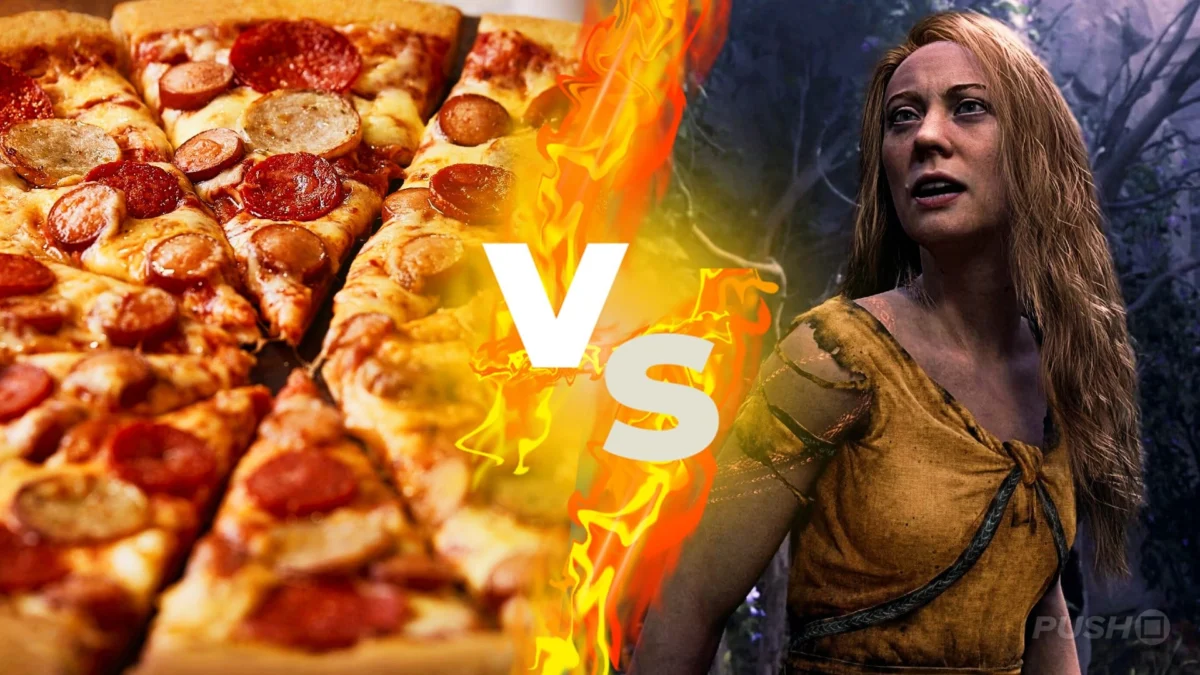
In the ever-evolving landscape of digital marketing and social media engagement, brands often seek creative ways to capture public attention. Sometimes, this involves a playful jab, a clever observation, or a witty remark that resonates with a target audience. Rarely, however, does such a casual interaction escalate into a full-blown, albeit good-natured, social media spat between a fast-food giant and a titan of the gaming industry. This is precisely what unfolded recently between Domino’s Pizza UK and Sony Interactive Entertainment, all thanks to a perceived critique of the highly anticipated new installment in the God of War franchise.
The digital arena erupted when the official UK Twitter account for Domino’s Pizza, in what appeared to be a bid to inject some buzz into their social media presence during a lull in major sporting events like the Premier League season, posted a seemingly innocuous comparison. The target of their playful critique? The latest iteration of the critically acclaimed God of War series, specifically a title that hinted at a departure from the series’ iconic protagonist, Kratos.
The Spark: A Pizza Analogy Ignites a Flame
The genesis of this digital kerfuffle can be traced back to a response by Domino’s UK to footage circulating of the new God of War game, which was rumored to explore narratives potentially without the direct involvement of Kratos. The pizza chain’s social media team, clearly aiming for virality, quipped: "God of War game with no Kratos = Pepperoni Passion with no pepperoni." This analogy, designed to draw a parallel between a beloved staple missing its core element and a pizza lacking its namesake topping, struck a chord. The tweet rapidly gained traction, amassing an impressive 70,000 likes and spreading across the platform like wildfire.
The move, while undeniably effective in generating engagement, evidently caught the attention of those at the helm of the God of War franchise. Santa Monica Studio, the development powerhouse behind the epic saga, did not let the witty remark slide without a response. In a swift and equally sharp retort, they replied: "Okay thanks for the feedback, Domino’s Pizza corporate account." This measured but pointed response, subtly implying that the feedback from a pizza chain regarding game development was not particularly insightful, did not merely match the original post’s popularity; it surpassed it. The Santa Monica Studio’s reply went on to garner over 95,000 likes, effectively "replying" the original tweet and demonstrating the studio’s ability to engage with its audience on social media with a touch of dry wit.
A Chronology of the Digital Exchange
The exchange unfolded in a rapid-fire succession of posts on X (formerly Twitter), showcasing the immediacy and dynamic nature of social media interactions:
-
Domino’s Pizza UK’s Initial Jab: Capitalizing on a moment of perceived narrative shift within the God of War franchise and seeking to boost engagement, the UK arm of the pizza chain posted its now-infamous analogy comparing a Kratos-less God of War to a pepperoni pizza without pepperoni. The tweet was crafted to be relatable and humorous, tapping into the familiar experience of a dish being incomplete without its key ingredient.
Read Also
-
Santa Monica Studio’s Measured Retort: The developers of God of War, known for their typically reserved approach to social media, responded with a response that was both brief and subtly dismissive. The phrasing, "Okay thanks for the feedback, Domino’s Pizza corporate account," was interpreted by many as a polite yet firm way of acknowledging the comment while subtly questioning its relevance.
-
The Viral Aftermath: The exchange quickly gained momentum. The initial tweet from Domino’s went viral, generating significant buzz. However, Santa Monica Studio’s response effectively stole the spotlight, not only matching but exceeding the engagement of the original post. This "ratioing" – where a reply to a tweet garners more likes than the original tweet – is a significant indicator of public sentiment and perceived victory in online discourse.
Supporting Data: The Power of Social Media Engagement
The true measure of this interaction’s impact lies in the engagement metrics. Domino’s initial tweet, designed to capture attention, succeeded in generating a substantial 70,000 likes. This level of engagement is a significant achievement for any brand on social media, indicating a strong resonance with its audience.
However, the response from Santa Monica Studio proved to be even more impactful. Their reply garnered over 95,000 likes, a testament to the strong and passionate community surrounding the God of War franchise. This "reply ratio" effectively shifted the narrative, with many users viewing Santa Monica Studio’s response as a clever and decisive win in the exchange.
Beyond likes, the overall visibility of this exchange was immense. The entire interaction, encompassing both the initial tweet and the subsequent replies and discussions, approached an estimated five million views across the platform. This broad reach underscores the power of such seemingly minor social media skirmishes to capture widespread attention and generate significant brand awareness for both parties involved. The strategic use of humor and a well-timed response proved to be a potent combination for both Domino’s and Sony.
Official Responses and Underlying Motivations
While the direct back-and-forth between Domino’s UK and Santa Monica Studio was brief, the implications and the broader context offer insight into the motivations behind their actions.

Domino’s Pizza UK: The UK arm of the pizza chain, as noted in the original article, was reportedly "searching for engagement now the Premier League season is over." This suggests a proactive marketing strategy aimed at filling a perceived void in their usual engagement drivers. The choice to target a highly popular and discussed video game franchise was a calculated risk, designed to tap into a different demographic and generate organic reach. The success of their witty analogy, even if it led to a slight sparring match, undoubtedly achieved their goal of increased visibility and brand conversation. It’s a classic example of how brands leverage current cultural moments and trends to connect with their audience.
Sony Santa Monica Studio: The response from Santa Monica Studio was particularly noteworthy given the typical social media demeanor of PlayStation’s first-party studios. These teams are often known for maintaining a professional and buttoned-up online presence, rarely engaging in direct online spats. The decision to respond, and to do so with a touch of sarcasm, suggests a few possibilities. Firstly, the developers may have felt a sense of pride and protectiveness over their acclaimed franchise. The "grifting" and social media commentary that often accompanies major game announcements can sometimes be perceived as unfair or misinformed, and the studio may have felt compelled to address it, albeit indirectly.
Secondly, the response could be interpreted as a strategic move to engage with their community in a more human and relatable way. By showing a willingness to engage with a lighthearted jab, they demonstrated a sense of humor and a connection to the broader online conversation. This can foster goodwill and strengthen the bond between the developer and its fanbase.
Implications and Reflections on the Digital Landscape
This seemingly minor social media spat between a fast-food chain and a major game developer carries several broader implications for the current digital marketing and social media landscape:
The Blurring Lines of Brand Interaction: The incident highlights how brands are increasingly willing to engage in more informal, even playful, interactions on social media. This approach, while risky, can yield significant rewards in terms of engagement and brand perception. The ability to be witty, responsive, and even a little bit cheeky can endear a brand to its audience in ways that traditional advertising often cannot.
The Power of Reactive Marketing: Both Domino’s and Santa Monica Studio demonstrated the effectiveness of reactive marketing. Domino’s identified an opportunity and seized it, while Santa Monica Studio responded decisively to a perceived slight. In the fast-paced world of social media, the ability to react quickly and appropriately to trending topics or conversations can be a powerful tool for brand visibility.
The Evolving Nature of Gaming Discourse: The context of this exchange – a new God of War game potentially exploring new narrative directions – also speaks to the evolving nature of gaming discourse online. With every major game announcement, social media becomes a breeding ground for speculation, criticism, and commentary, both informed and otherwise. Brands, like developers, are increasingly becoming participants in this broader cultural conversation.
A Reminder of Social Media’s Double-Edged Sword: While the exchange ultimately proved beneficial for both parties in terms of visibility, it also serves as a reminder of the potential pitfalls of social media. The initial comment by Domino’s, while lighthearted, could have been perceived negatively by some fans. Similarly, Santa Monica Studio’s response, while effective, could have been seen as overly defensive by others. This underscores the fine line brands must walk in their online interactions.
The Long-Term Narrative: In hindsight, the entire episode appears somewhat unnecessary. Sony has since publicly reaffirmed that Kratos will indeed be a central figure in future God of War titles, reassuring fans of the franchise’s core identity. This statement effectively neutralizes the premise of Domino’s initial jab. However, the social media spat itself generated a significant amount of buzz and engagement, proving that even seemingly trivial online interactions can have a substantial impact.
Ultimately, the "God of War vs. Pizza" saga serves as an entertaining anecdote in the ever-evolving narrative of digital brand interaction. It showcases the power of wit, the speed of social media, and the willingness of major corporations to engage in playful, and at times competitive, online exchanges. While the Premier League season may have ended, the buzz generated by this unexpected digital duel between a fast-food favorite and a legendary gaming franchise has certainly provided ample entertainment and a valuable case study in modern social media strategy. It’s a testament to how, in the digital age, even a simple pizza analogy can spark a memorable moment in the global conversation.










No comments yet. Be the first to join the conversation!