Evan Lee Salim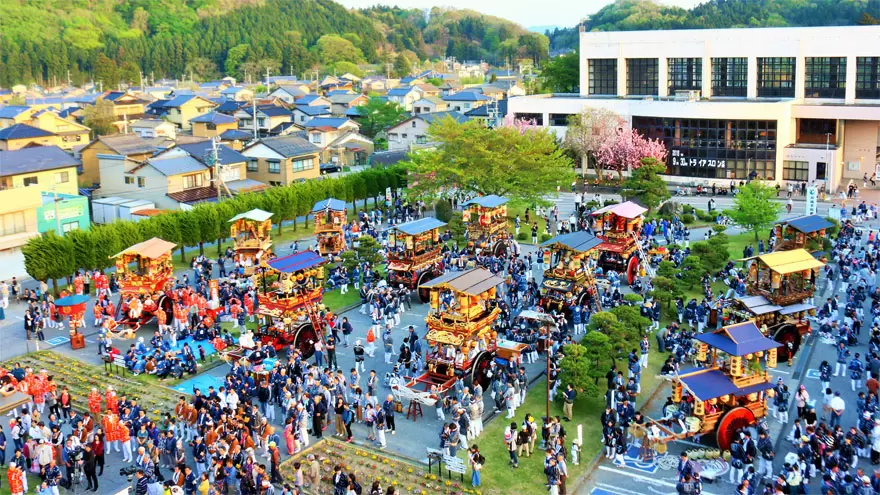
Murakami City, Niigata Prefecture — As the summer sun warms the historic streets of Murakami, a palpable sense of anticipation permeates the air. This July, the city prepares for its most significant celebration in centuries. The Murakami Grand Festival, a tradition dating back to the early Edo period, will return on July 6th and 7th, 2026, marking a monumental milestone: the first occurrence of the festival since its formal inscription onto the UNESCO Intangible Cultural Heritage list.

This prestigious recognition, awarded in December 2025 under the category of "Mountain, Float, and Procession Festivals," has thrust this northern Niigata gem into the global spotlight, inviting travelers to witness a living, breathing piece of Japanese history.
The Genesis of a Cultural Landmark
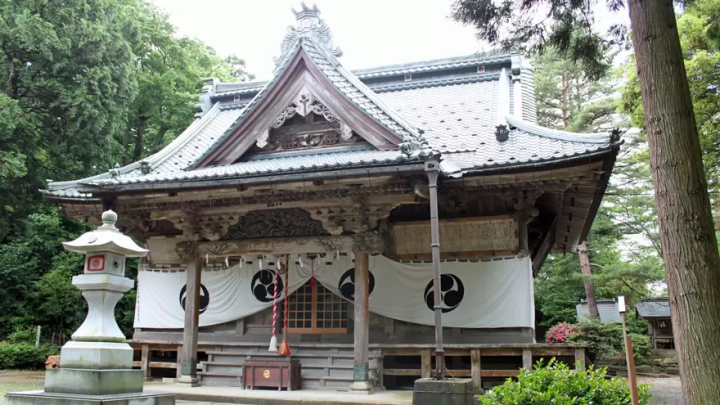
The Murakami Grand Festival is far more than a local parade; it is the spiritual heartbeat of the Nishina-mi Haguro Shrine. Its origins trace back to 1633, a pivotal moment in the city’s urban development. Hori Naoyori, the feudal lord of the Murakami domain, decreed that the shrine’s location—overlooking the castle—was an affront to the sanctity of the ruling seat.
In a grand act of relocation, the shrine was moved to its current site in Haguro-cho. The townspeople, eager to celebrate the divine move, improvised a procession of drums mounted on carts. What began as a spontaneous display of community joy has evolved over nearly 400 years into one of Niigata’s three major "Takamachi" festivals. Today, the event serves as a "traveling ritual," wherein the divine spirits of Natsuhime-no-Mikoto, Uganomitama-no-Mikoto, and Tsukuyomi-no-Mikoto are enshrined in three portable mikoshi (portable shrines) and paraded through the city to bless the populace.
The Anatomy of the Procession
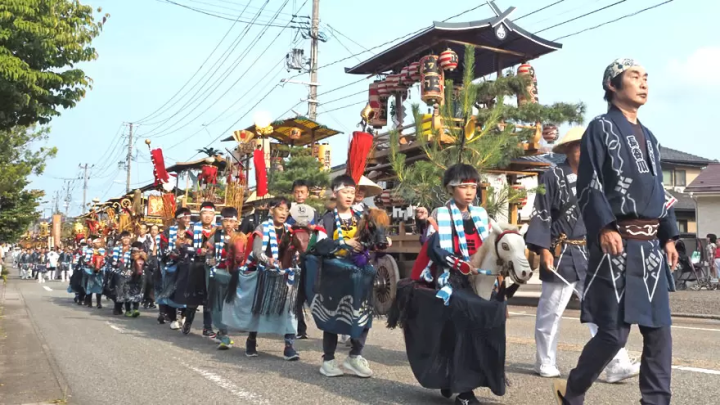
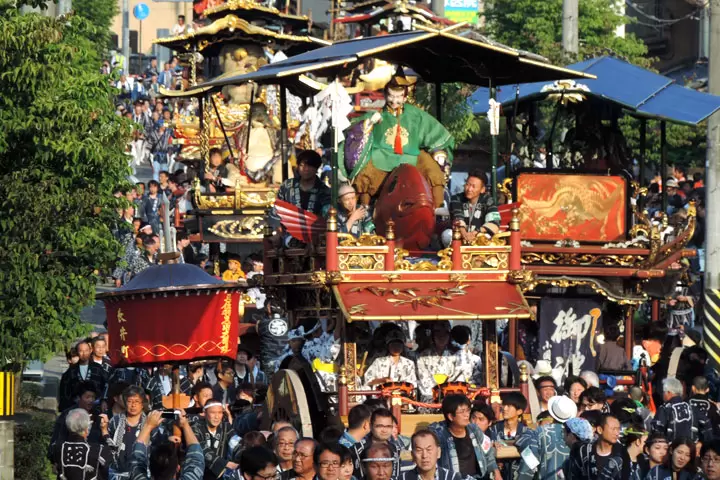
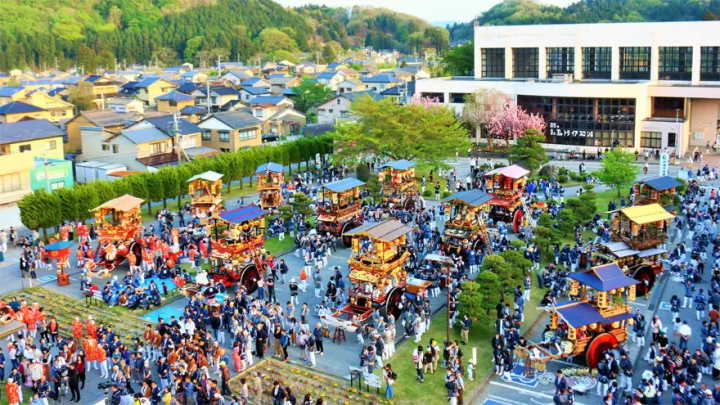
The visual and auditory spectacle of the festival is defined by its nineteen oshagiri—elaborate, ornate floats that represent the nineteen neighborhoods of the city. Each float is a masterpiece of Japanese craftsmanship, featuring intricate gold-leaf carvings, lacquerwork, and symbolic dolls known as norimono.
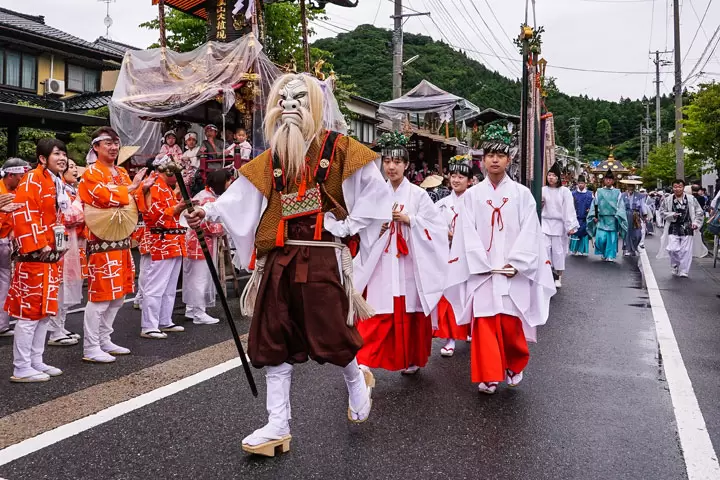
The hierarchy of the procession is strictly observed, reflecting the deep-seated traditions of the region:
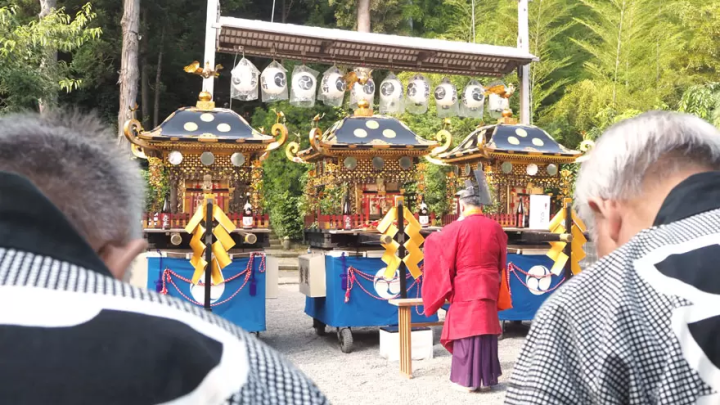
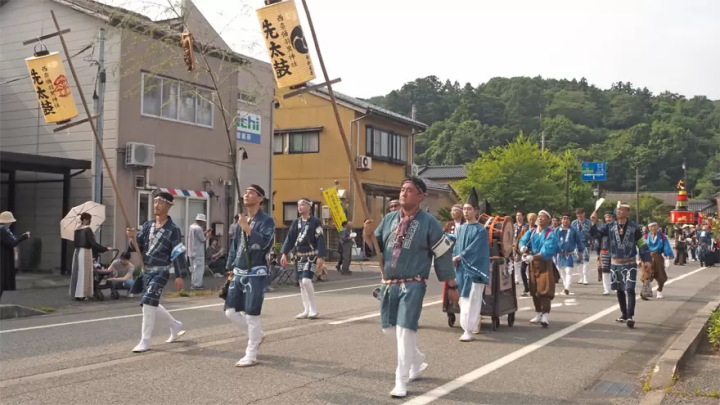
- The Sendatsu: The vanguard, consisting of lead drummers, fourteen horses, and a troupe of children dressed in historic attire, echoing the 1587 legend of Honjo Shigenaga, who returned from Mount Haguro with a divided spirit of the deity.
- The Divine Vanguard: Sarutahiko, the "Great God of Path Opening," leads the way for the mikoshi, accompanied by shrine maidens and youth attendants.
- The Oshagiri (Floats): Nineteen neighborhood floats follow, divided into three styles: Shagiri, Hayashi, and Niwaka. Inside, children perform traditional music on flutes, gongs, and drums, filling the narrow streets with a rhythmic, hypnotic soundscape.
Chronology of the 2026 Festival Events
This year’s festivities have been expanded to acknowledge the UNESCO designation. The following schedule highlights the key moments for attendees:
- July 5th (The Celebration): A special ceremony takes place at the Murakami City Hall parking lot (15:30–16:30), where all nineteen floats will gather for a commemorative parade, marking the official UNESCO celebration.
- July 6th (The Eve): From 14:00 onwards, individual neighborhoods conduct final test runs of their floats, allowing residents and visitors to get an intimate look at the craftsmanship.
- July 7th (The Grand Festival):
- 02:30–03:30: The legendary "Kubota-machi Float Dash," where the float races up the steep Komachi slope—a test of strength and precision.
- 06:00–08:00: The gathering of all nineteen floats in front of the Nishina-mi Haguro Shrine.
- 08:30–11:00: The grand procession through the historic merchant streets of Kamimachi, Omachi, and Komachi.
- 18:30–20:30: The evening climax in Sakana-machi, where lanterns illuminate the floats, casting a dramatic, ethereal glow over the town.
Cultural Implications and Local Pride
The designation as a UNESCO Intangible Cultural Heritage is not merely a label; it is a commitment to preservation. Since 2018, when the "Murakami Festival Float Procession" was named a National Important Intangible Folk Cultural Property, the city has invested heavily in training younger generations in the art of oshagiri maintenance and traditional musical performance.
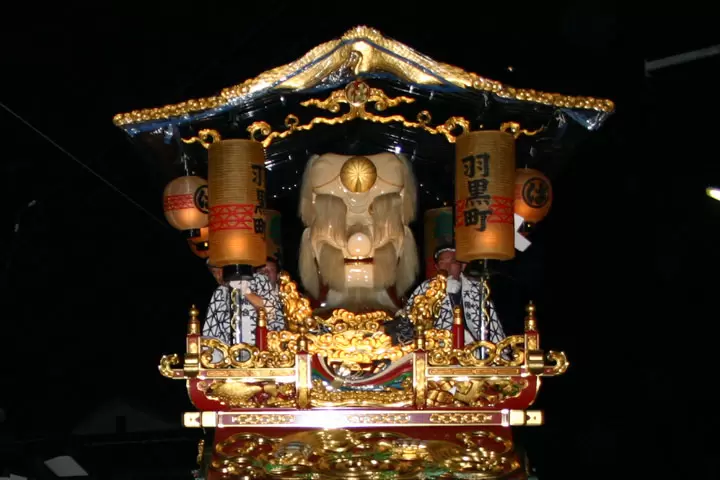
The UNESCO status reinforces the importance of the oshagiri as repositories of local identity. The carvings, often depicting legendary figures or auspicious motifs like the Hotei (god of happiness) or the Great Tengu, serve as a visual history book of the Murakami domain. For the people of Murakami, the festival is a bridge between the Edo-era past and a globalized future, ensuring that the unique spirit of the city remains intact amidst changing times.

Practical Guide for Travelers
Visiting Murakami during the festival requires careful planning, as the city transforms into a vibrant, pedestrian-focused space.

Getting There
- By Air: Flights arrive at Niigata Airport from major hubs like Osaka and Nagoya. The "Senami Onsen Direct Liner" offers a convenient, reservation-based connection to the festival grounds.
- By Train: From Tokyo, take the Joetsu Shinkansen to Niigata Station (approx. 2 hours), then transfer to the Uetsu Main Line. The Limited Express Inaho reaches Murakami Station in about an hour.
- Local Transit: Once at the station, the shrine is a scenic 25-minute walk. Rental bicycles are highly recommended for navigating the narrow, historic streets.
Seasonal Culinary Delights
No visit to the festival is complete without sampling the local fare. Look for stalls selling Poppo-yaki (or Joki-pan), a signature steamed bread made with brown sugar, favored for its chewy texture. Throughout the summer, visitors can also participate in the "Murakami Donburi Battle," featuring local delicacies like Murakami beef and salmon. Additionally, mid-summer marks the season for the region’s famous wild rock oysters, a must-try for any seafood enthusiast.
Essential Tips
Early July in Murakami is characterized by intense sun and humidity, often punctuated by sudden rain showers.

- Pack Accordingly: Bring a parasol, a wide-brimmed hat, and light, breathable clothing.
- Be Prepared: A folding umbrella is essential for the unpredictable weather.
- Temperatures: Mornings and evenings can be surprisingly cool, so a light jacket or scarf is advised for those attending the early-morning float displays or the late-night lantern procession.
A Call to Experience
The Murakami Grand Festival is a testament to the endurance of community spirit. Whether you are captivated by the thunderous beat of the drums, the breathtaking craftsmanship of the lacquer-painted floats, or the taste of authentic brown sugar Poppo-yaki, the festival offers an immersive encounter with the soul of Japan.

As the city prepares to welcome visitors from around the world to celebrate this newly minted UNESCO heritage, the message from the residents of Murakami is clear: the history of this town is not kept in a museum—it is lived, performed, and celebrated in the streets every July. Do not miss the chance to be part of this historic chapter in the life of one of Japan’s most vibrant cultural treasures.


 Neng Nana
 Asro
Asro