
 Nana
Nana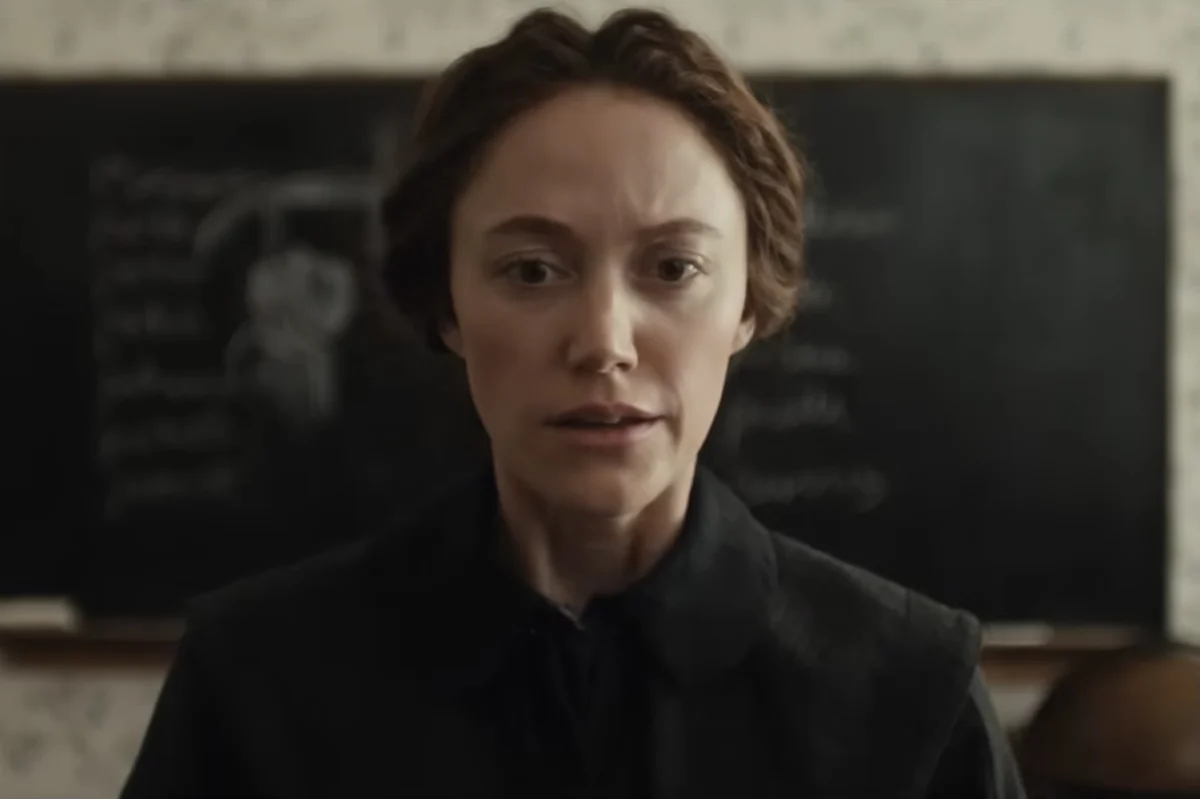
The term "delightful" is rarely, if ever, used to describe a film centered on a murderous governess with a penchant for psychological instability. Yet, as the first trailer for Victorian Psycho begins to circulate, that is the exact word that keeps surfacing among critics and cinephiles alike. The film, which recently stunned audiences at the Cannes Film Festival with a spirited five-minute standing ovation, is positioning itself as one of the most intriguing genre-bending releases of the upcoming fall season.
Blending the rigid, stifling atmosphere of the 19th century with a jarring, modern punk-rock sensibility, Victorian Psycho refuses to fit into the conventional boxes of period horror. It is not merely a tale of blood and gore; it is a stylistic exercise in anachronism, where the high-collared austerity of the Victorian era meets the raw, kinetic energy of a contemporary psychological thriller.
Main Facts: A Convergence of Talent and Terror
Directed by Zachary Wigon, whose previous work on Sanctuary showcased a keen ability to navigate the complexities of power dynamics and psychological tension, Victorian Psycho is an adaptation of the novel by Virginia Feito. The narrative follows a young governess, portrayed with chilling precision by scream queen Maika Monroe, as she takes a position at a remote, isolated estate.
On the surface, the premise feels like a classic Gothic trope—the lonely house, the mysterious employer, the hidden secrets. However, the film subverts expectations by placing the "monster" at the center of the household. Monroe’s character is not a victim; she is a predator, actively suppressing her psychopathic impulses while performing the role of a respectable educator.
The film boasts an elite ensemble cast, including Thomasin McKenzie, Ruth Wilson, and Jason Isaacs. Each actor brings a layer of gravitas to a story that threatens to spiral into madness at any moment. With a screenplay penned by the novelist Feito herself, the film retains the biting, literary wit of its source material while embracing the visceral visual language of cinema.
The Chronology of a Buzzworthy Project
The path to Victorian Psycho’s current status as a "must-watch" title began long before its Cannes debut.
- Development Phase: Following the critical success of Virginia Feito’s novel, the project was fast-tracked, with Bleecker Street securing the distribution rights. The choice of Wigon as director signaled a commitment to a character-driven approach rather than a traditional jump-scare-heavy production.
- Production: Filming took place in carefully selected locations that mimicked the claustrophobic, fog-drenched aesthetics of the mid-1800s. The production team focused heavily on practical effects to ensure that the "blood and severed parts" mentioned in early reviews felt tactile and grounded in reality.
- The Cannes Reveal: The film’s world premiere at the Cannes Film Festival served as the litmus test for its unconventional tone. The five-minute standing ovation confirmed that the gamble of mixing period drama with aggressive, modern audio cues had paid off.
- Upcoming Release: The film is slated for a wide theatrical release this fall, a prime window for horror-thrillers that look to build momentum ahead of the awards season and the Halloween box office surge.
Supporting Data: By the Numbers
While a five-minute standing ovation at Cannes might seem like a subjective metric, in the world of high-stakes festival cinema, it acts as a quantifiable indicator of audience reception.
To put the Victorian Psycho reception into context, one must look at the "applause economy" of Cannes:
- The Record Holder: Pan’s Labyrinth (2006) famously held the audience in its grasp for 22 minutes.
- The "Respectable" Tier: Victorian Psycho’s five-minute reception places it in the company of heavy hitters like Baz Luhrmann’s Moulin Rouge! and the high-octane spectacle of Top Gun: Maverick.
- Genre Performance: Historically, horror films struggle to achieve such longevity in standing ovations at prestige festivals, making this feat particularly significant for the genre.
The trailer’s success is also largely attributed to its sound design. The inclusion of the track "Throw Yourself to the Sword" by the band Die Spitz provides a sonic jolt that effectively signals to the audience that this is not your grandmother’s period piece. By utilizing an anachronistic soundtrack, the marketing team has successfully lowered the barrier to entry for younger audiences while signaling to horror fans that the film intends to break the rules.
Official Responses and Creative Vision
The creative team has been vocal about their intent to move away from the "bleak, doom-and-gloom" tropes that dominate historical horror.
In recent interviews, director Zachary Wigon noted that the goal was to capture the fun of the psychopathic condition—a chilling prospect that he manages to balance through dark humor and stylistic flair. "We wanted the audience to feel complicit," Wigon stated during a post-screening panel. "When you have a protagonist who is ‘killing them all’ with a polite smile on her face, the horror isn’t just in the act; it’s in the lack of remorse."
Maika Monroe, who has become a defining face of modern horror, has described the role as her most "mentally taxing yet liberating" performance to date. Her ability to convey deep-seated violence behind a facade of Victorian propriety is what many reviewers are calling the film’s "secret weapon."
Implications: The Future of Period Horror
The success of Victorian Psycho suggests a broader shift in how audiences consume period pieces. We are moving away from the era of "costume drama as museum piece" and into an era of "genre-blending as innovation."
1. The Death of the "Uptight" Period Film
For years, the Victorian setting was synonymous with repression, lace, and slow-burn pacing. Victorian Psycho proves that modern audiences are hungry for the aesthetic of the past but with the pacing and intensity of the present. This could lead to a wave of "punk-period" films that prioritize mood and subversion over historical accuracy.
2. The Rise of the "Genre-Star"
Maika Monroe’s involvement cements the idea that horror has its own A-list, independent of the broader blockbuster landscape. By casting established, high-caliber actors like Ruth Wilson and Jason Isaacs alongside a "scream queen," the production bridges the gap between prestige drama and cult horror.
3. Musical Marketing
The impact of the Die Spitz track in the trailer is a reminder that soundscape is often the most important element in horror marketing. We can expect to see more studios attempting to "rebrand" period films by pairing them with modern, aggressive soundtracks to entice a demographic that might otherwise skip a film set in the 19th century.
Conclusion: A Fall Must-See
As the leaves begin to turn and the air grows crisp, Victorian Psycho is perfectly positioned to capture the zeitgeist. It is a film that asks us to look at the shadows of the past and find something remarkably, terrifyingly delightful within them.
Whether it is the stellar performances of Monroe and McKenzie, the directorial vision of Wigon, or the sheer audacity of its musical choices, the film has clearly struck a nerve. If the standing ovation at Cannes is any indication, we are not just looking at another slasher film; we are looking at a masterclass in tone, character, and controlled chaos.
When the governess finally tells her young charges to "kill them all," the audience will be left with a choice: to recoil in horror, or to lean in and enjoy the madness. Given the buzz surrounding this project, it is safe to say that most will choose the latter. Prepare for a fall season that is as stylish as it is lethal.

 Nana Wu
 Ali Ikhwan





