

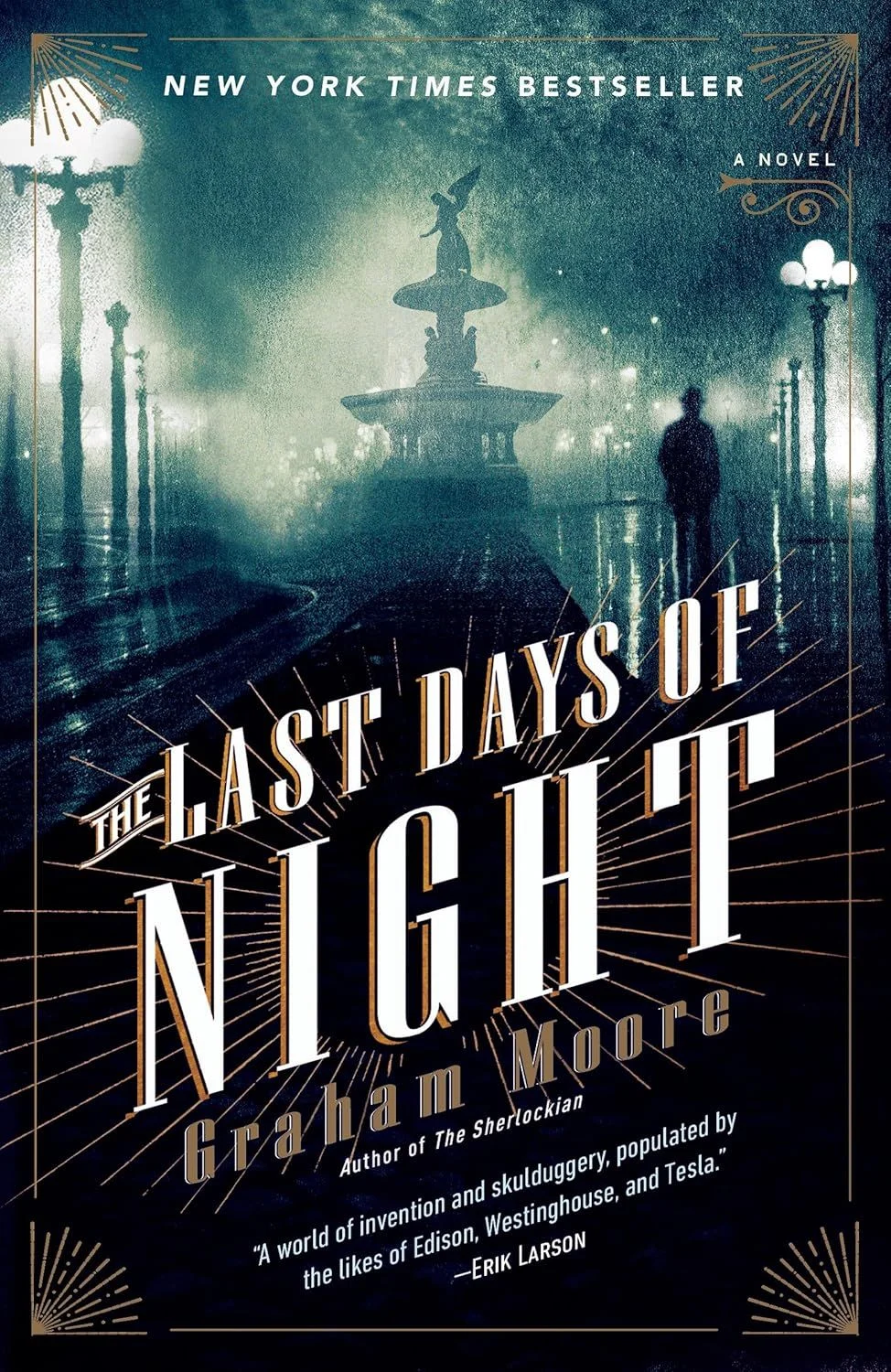
In an era dominated by algorithmic content feeds and fleeting digital interactions, the literary community remains a bastion of deep, sustained engagement. Recognizing this, Book Riot—the internet’s largest independent literary site—has announced a sweepstakes that promises to elevate the home libraries of lucky winners. By offering a high-quality library cart as the grand prize for signing up for their curated newsletter, Book Riot is bridging the gap between digital discovery and physical organization. This initiative is more than a mere promotional tactic; it represents a strategic effort to consolidate a global community of readers who crave more than just headlines.
Main Facts: The Intersection of Curation and Organization
The core of this initiative is simple: Book Riot is incentivizing its newsletter subscription program with the promise of a coveted library cart. For the uninitiated, the "library cart" has become an icon of the modern "Bookstagram" and "BookTok" aesthetic—a utilitarian yet stylish metal shelving unit that allows readers to organize their "To-Be-Read" (TBR) piles with professional flair.
The sweepstakes, which runs until May 31, 2026, requires interested participants to sign up for the Book Riot Newsletter. The newsletter itself is touted as a curated experience, featuring new releases, breaking literary news, and deep dives into the trends currently shaping the publishing industry. By aligning the prize—a tool for physical book storage—with the product—a digital digest of literary knowledge—Book Riot is effectively targeting the "obsessed book nerd" demographic, providing value to both the digital and physical aspects of a reader’s life.
A Chronology of the Modern Book Newsletter
To understand why this sweepstakes matters, one must look at the evolution of literary journalism.
- Pre-2010: Book discovery was largely dictated by physical newspaper reviews and bookstore staff recommendations.
- 2011: The launch of Book Riot marked a shift toward a more conversational, community-led style of literary criticism, moving away from the "ivory tower" approach of traditional literary journals.
- 2015–2020: As social media platforms like Instagram popularized the "shelfie," the physical library cart emerged as a symbol of the passionate reader.
- 2023–2026: In the current climate, newsletters have become the primary method for readers to bypass social media algorithms, leading organizations like Book Riot to prioritize direct-to-reader communication.
The current sweepstakes represents the culmination of this timeline, where digital engagement (the newsletter) is rewarded with a tangible item that validates the user’s identity as a dedicated reader.
Supporting Data: The Rise of the "Bookish" Economy
The market for book-related accessories has exploded in recent years. Industry reports suggest that the "bookish merch" sector—ranging from candles that smell like old paper to custom library carts—has grown by approximately 15% annually since 2020. This data reflects a broader cultural trend: reading is no longer just an intellectual activity; it is a lifestyle.
According to internal audience engagement metrics from various literary platforms, newsletters see an average open rate of 35-40% among "power readers," significantly higher than the industry average for retail marketing. Book Riot’s decision to pair a high-value physical item with a digital subscription is a data-backed strategy designed to capture the attention of a demographic that is increasingly overwhelmed by information but remains fiercely loyal to curated, high-quality content.
Official Responses and Eligibility Requirements
The sweepstakes is governed by a strict set of regulations to ensure fairness and legal compliance. Participation is open to legal residents of the 50 United States, the District of Columbia, and Canada. Notably, the campaign excludes residents of Puerto Rico, other U.S. territories, and Quebec, a common practice in North American sweepstakes due to varying regional contest laws.
The rules, which have been made transparently available via public documentation, specify that the winner will be selected through a randomized process. This commitment to transparency is intended to build trust with a reader base that is notoriously skeptical of "clickbait" marketing. By providing clear eligibility requirements and a deadline of 11:59 p.m. ET on May 31, 2026, Book Riot is positioning itself as a reliable partner in the literary ecosystem rather than a fleeting digital entity.
Implications: The Future of Literary Community Building
What are the long-term implications of such a campaign? For one, it highlights the changing value proposition of independent journalism. As the internet becomes more fragmented, the ability to build a direct, reliable line of communication with a reader is the most valuable currency for a media outlet.
The Shift Toward "Slow Reading" Culture
The library cart serves as a physical manifestation of the "slow reading" movement. In a world where screens demand constant attention, having a cart filled with books—rather than a feed filled with digital notifications—is an act of defiance. By facilitating this, Book Riot is signaling to its readers that they support the physical act of reading, not just the consumption of literary content.
Impact on Publishing and Authors
For authors, the health of platforms like Book Riot is critical. A robust, well-informed, and engaged reader base is the primary engine for book discovery. When a newsletter grows in reach, so does the potential for new authors to find their audience. The sweepstakes, therefore, serves as a catalyst for growth that benefits the entire literary food chain.
The "Obsessed Book Nerd" Identity
Finally, the campaign highlights the power of identity-based marketing. By self-identifying as "the world’s most obsessed book nerds," Book Riot creates an "in-group" dynamic. Participants are not just entering a sweepstakes; they are affirming their status as members of a community that prizes intellectual curiosity and the tactile pleasure of books.
Conclusion: A Strategy of Sustained Value
The sweepstakes is, on the surface, a simple marketing promotion. However, beneath the surface lies a sophisticated strategy designed to reinforce the relationship between a digital platform and its physical, real-world audience. By incentivizing the newsletter, Book Riot is ensuring that its curated insights reach a larger, more engaged audience for years to come.
As we look toward the 2026 cutoff date, the success of this initiative will likely serve as a case study for other media outlets. It demonstrates that in the digital age, the most effective way to engage an audience is to respect their intelligence, offer them value that transcends the screen, and foster a sense of belonging within a community of like-minded individuals. Whether or not one wins the library cart, the true prize for the subscriber is the ongoing connection to a broader world of ideas, curated by those who love books just as much as they do.
For those wishing to participate, the process is streamlined and clear, reflecting a user-first philosophy. As the literary landscape continues to shift, one thing remains certain: the hunger for quality curation and the joy of physical book collection remain as potent as ever. Book Riot has recognized this, and in doing so, has solidified its position as a cornerstone of the modern reading experience.










No comments yet. Be the first to join the conversation!