
 Nana Wu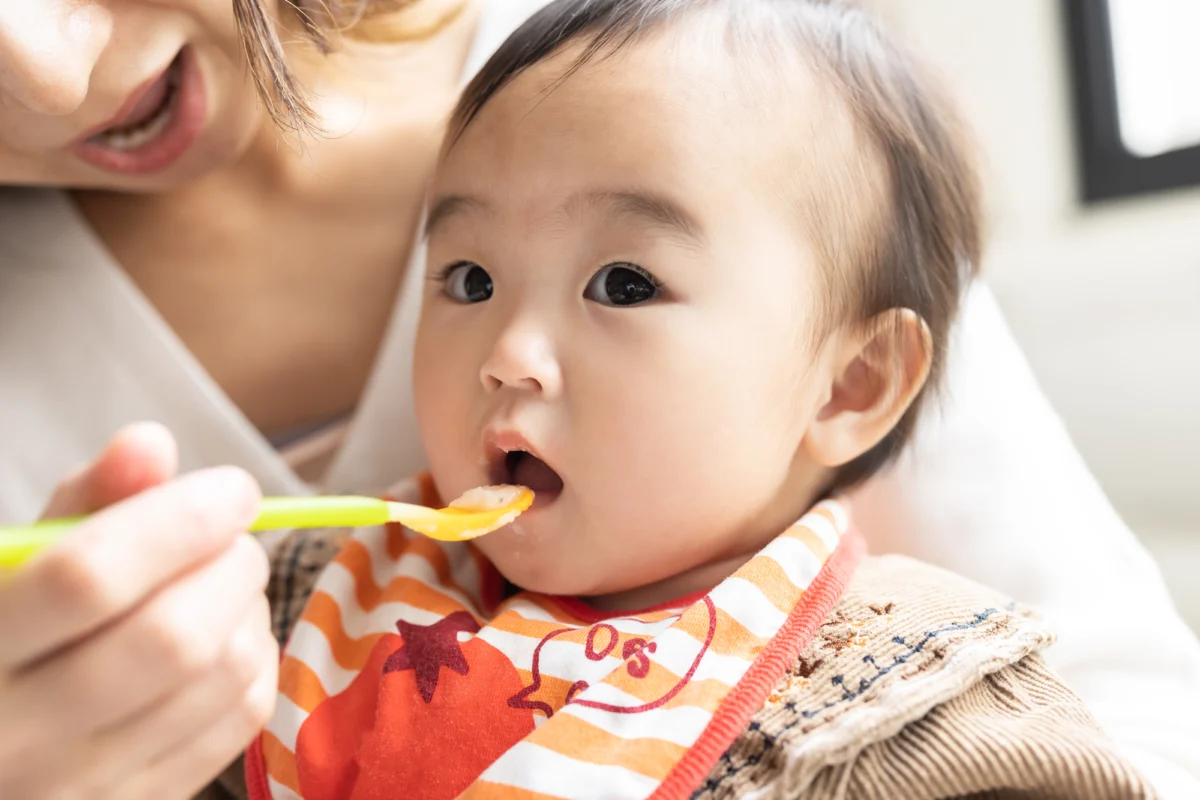
In the landscape of Japanese household staples, few names carry the weight of Pigeon and Kewpie. For generations, these brands have been synonymous with the earliest milestones of childhood, providing everything from the first bottle to the first solid meal. However, a seismic shift is underway. In a move that has sent ripples of anxiety through Japanese society, both companies have announced they are stepping away from core segments of the baby product market.
As Pigeon prepares to phase out its line of strollers and bouncers by the end of 2026, and Kewpie concludes a historic 65-year run of manufacturing baby food, the Japanese public is being forced to confront a sobering reality. While both corporations cite rising operational costs and thin profit margins, the backdrop of this retreat is impossible to ignore: Japan is currently grappling with its tenth consecutive year of record-low birth rates.
The Chronology of a Corporate Withdrawal
The retreat from the baby market is not a sudden collapse but a calculated strategic pivot. The timeline of these decisions reveals a growing industry consensus that the traditional model for baby-centric manufacturing is becoming increasingly difficult to sustain.
Kewpie’s Historic Exit
In June 2025, Kewpie—a brand inextricably linked to the Japanese kitchen—announced the discontinuation of its ikuji-shoku (baby food) line. This decision marks the end of an era that began over six decades ago. By August 31, 2026, the company will cease production entirely. For 65 years, Kewpie has been a reliable, affordable staple for parents, making its departure feel like the loss of a public service rather than just a commercial shift.
Pigeon’s Strategic Pivot
On May 14, 2026, Pigeon, a global giant in childcare essentials, followed suit. The company announced it would stop the production of strollers and bouncers by the end of the year. Unlike a total liquidation, Pigeon is opting for a controlled phase-out. Consumers will still see these products on store shelves in the coming months, but once the existing inventory is depleted, the company will move on, permanently exiting these specific categories to focus on more profitable segments of its business.
Supporting Data: A Demographic Winter
The decision by these corporate titans is set against the backdrop of Japan’s deepening demographic crisis. In 2025, the national statistics revealed that there were only 705,809 births—a 2.1% decline from 2024. This figure represents the tenth year in a row that the number of births has hit a new record low.
While marriage numbers saw a minor, almost statistically insignificant, uptick to 505,656, the broader trend remains grim. The contraction of the market is not a theoretical problem for Japanese manufacturers; it is a direct threat to their bottom line. When the total addressable market shrinks by more than 2% annually, the economies of scale that once made the mass production of strollers and jarred baby food viable begin to erode.
However, analysts note that this is not a universal collapse of the baby product industry. The market is not disappearing; it is undergoing a profound transformation.
Official Responses: Profitability Over Paternalism
Both Kewpie and Pigeon have been meticulous in their public statements, taking pains to avoid linking their withdrawals directly to the national birthrate crisis. Instead, they have framed their departures as purely pragmatic business decisions.
The Case for Operational Efficiency
Kewpie has highlighted the mounting pressure of "non-negotiable" expenses. The production of baby food involves rigorous safety standards, including specialized glass-jar sterilization and complex allergen management. As raw material and energy costs rise, maintaining these high-safety protocols for a product line that makes up a shrinking share of their overall revenue has become, according to the company, "hard to justify."
The Burden of Logistics
Pigeon’s reasoning echoes this sentiment. The company acknowledged that while there is still demand for strollers and bouncers, the logistics of these items are uniquely challenging. They are "bulky, safety-critical products" that require significant investment in shipping, storage, and R&D to meet modern safety regulations. When the volume of customers decreases, the overhead costs associated with these products become disproportionately heavy.
The Changing Market Dynamics: Quality Over Quantity
While established giants are pulling back, other players see a different path forward. The baby food sector, for instance, is actually seeing a period of growth. This may seem counterintuitive given the birthrate, but the reason lies in the changing nature of the Japanese workforce.
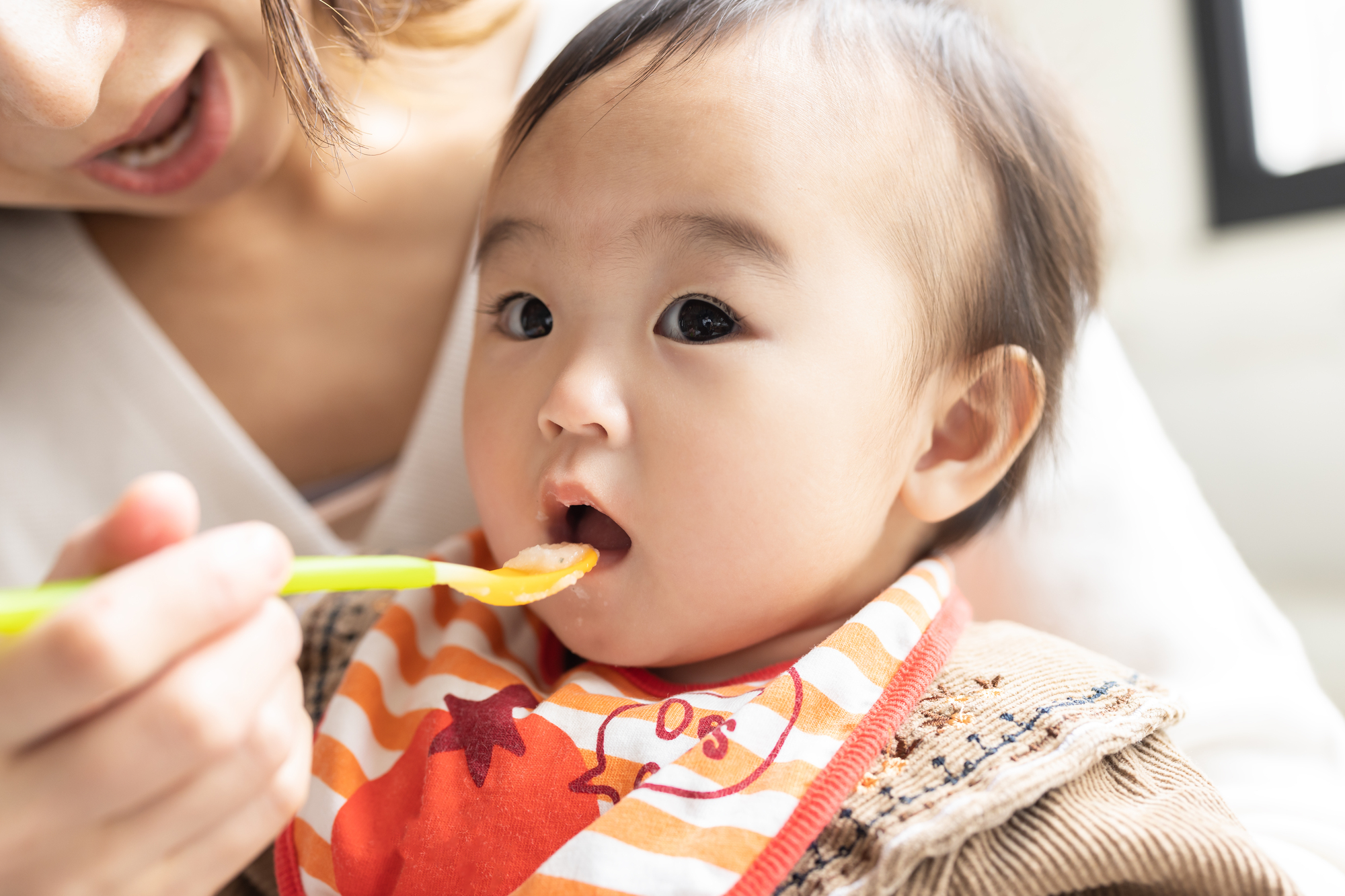
With more than 60% of Japanese mothers returning to the workforce before their child turns one, the "traditional" expectation of homemade, mashed baby food is increasingly incompatible with modern life. Store-bought, convenient baby food is no longer a luxury; it is a necessity.
Companies like Morinaga Milk are identifying a new opportunity in this void. Their strategy is based on the premise that fewer births lead to higher per-capita spending. Smaller families are often willing to invest more in high-quality, premium, or specialty products. By shifting the focus from mass-market volume to high-value goods, Morinaga and others hope to capture the market share left behind by the departing giants.
Societal Implications: The Vicious Cycle of Decline
The withdrawal of brands like Pigeon and Kewpie has sparked intense debate on social media. For many, the exit of these companies is not just about losing a preferred brand; it is a symbolic reminder that the infrastructure of family life in Japan is fraying.
The Cost of Convenience
Kewpie was widely regarded as an affordable, accessible option. Its removal from the market leaves a void that will likely be filled by more expensive, boutique alternatives. For families already struggling with the high cost of living, this transition feels like a "hidden tax" on child-rearing. Many citizens have expressed that these shifts—combined with the general anxiety surrounding the economy—make the prospect of starting a family feel significantly less appealing.
The Gendered Burden
In Japan, the burden of child-rearing remains disproportionately heavy on women. When the convenience of pre-packaged, safe, and affordable products is stripped away, it is the mother who must fill the gap, often at the expense of her own time, career, or mental health. As one online observer noted, when you remove the support systems that allow a family to function smoothly, you effectively increase the friction of parenthood, which in turn fuels the declining desire to have children.
The Future: A New Era for Parenting
Is this the beginning of the end for the Japanese baby industry? Likely not. The human drive to have children is biological, and demand for infant care will always exist. However, the industry is entering a "period of correction."
The withdrawal of legacy brands indicates that the "old way" of doing business—relying on a high-volume, low-margin model—is no longer sustainable in a society with a shrinking population. The future of the industry will likely be defined by:
- Premiumization: Companies will focus on high-end, value-added products that justify higher price points for the smaller cohort of parents.
- Automation and Efficiency: With the labor shortage, manufacturers will need to lean into automation to keep production costs down while maintaining strict safety standards.
- Consolidation: We may see more partnerships or acquisitions, as larger corporations look to share the burden of the high R&D and safety costs required for childcare products.
As Japan watches these giants step back, the message is clear: the country is not just facing a demographic decline; it is facing a structural reorganization of how it cares for its next generation. Whether the market can adapt quickly enough to ensure that parenting remains affordable and supported remains the defining question of the decade.
For now, the parents of Japan are left to navigate a shifting landscape, where the brands that once raised their own parents are no longer guaranteed to be there for their children. It is a transition that is as much about the economy as it is about the very future of the Japanese family.


 Neng Nana
 Asro
Asro





