The Pokémon franchise has spent the better part of three decades mastering the art of the collaboration. From high-fashion runways to luxury gaming furniture and strategic partnerships with global institutions like the Natural History Museum, The Pokémon Company has consistently demonstrated an uncanny ability to integrate its iconic creatures into the fabric of modern lifestyle products. However, the latest venture—a collaboration with instant photography titan Polaroid—has left a segment of the fan base, particularly those within the creative and photography communities, feeling underwhelmed.
While the partnership promises a nostalgic blend of analog charm and pocket-monster whimsy, it raises pressing questions about design intent, missed technological opportunities, and the balance between mass-market appeal and true fan service.
The Core of the Collaboration: A Snapshot of the Lineup
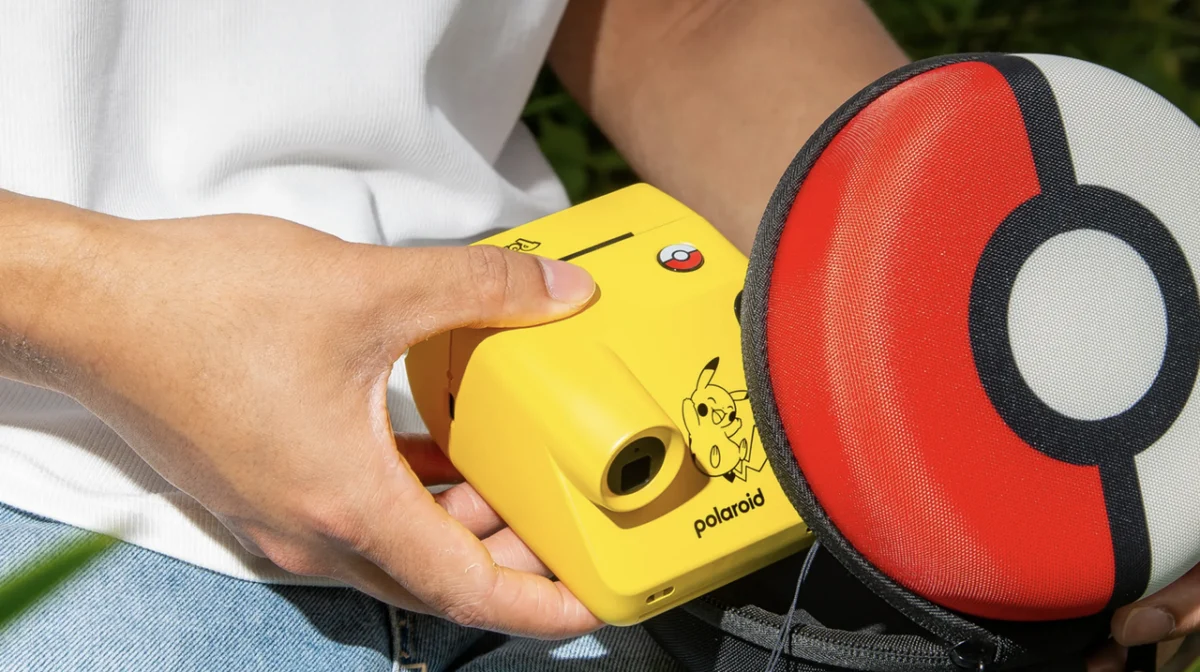
The new collection, which marks a significant milestone in the franchise’s ongoing 30th-anniversary celebrations, introduces three distinct camera models. The lineup includes the Polaroid Go Generation 3 in both Pikachu and Sylveon editions, and the larger, more robust Polaroid Now Generation 3, which features a dedicated Poké Ball design.
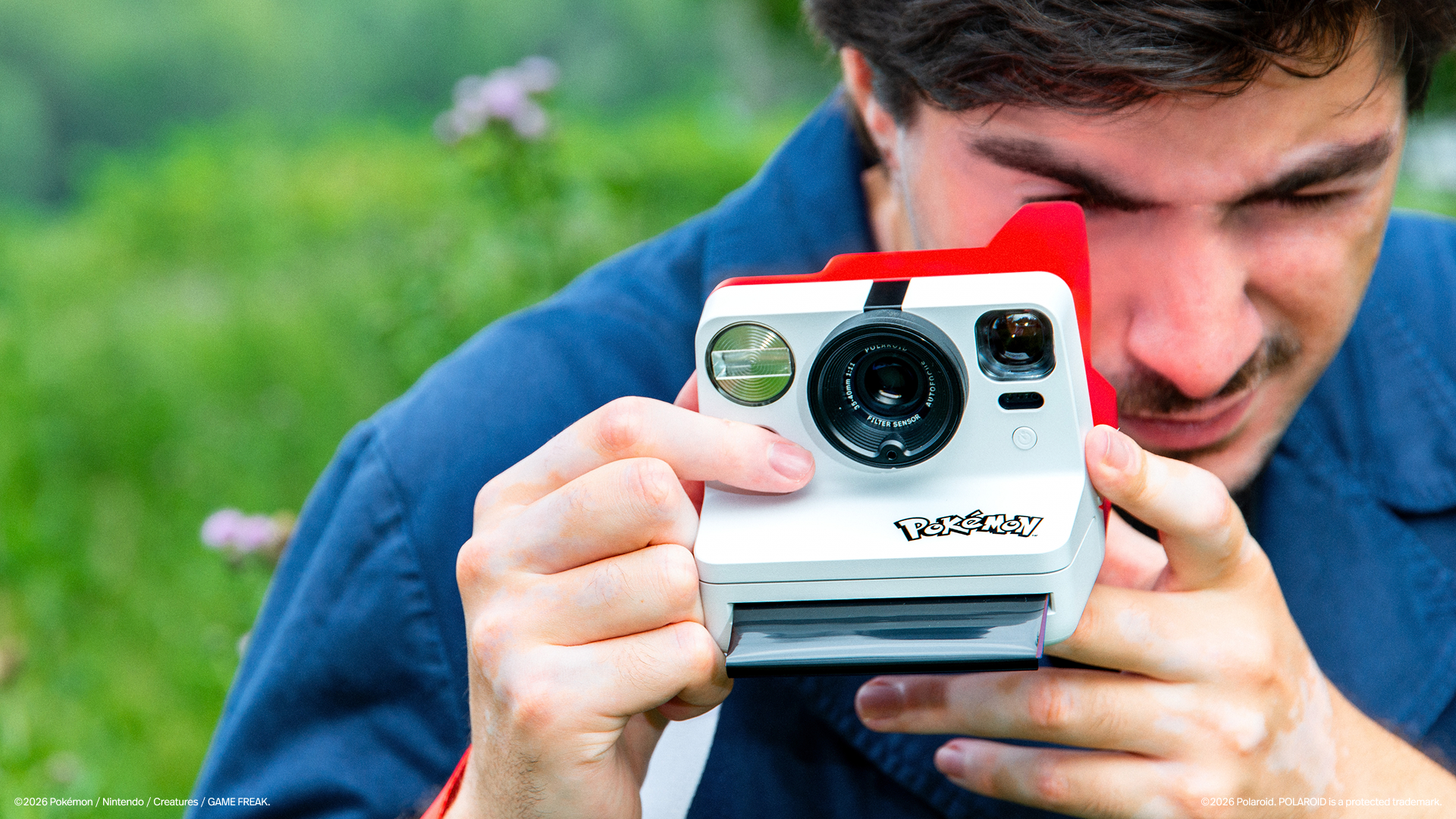
The products are set to launch with a price point of $99.99 (£89.99) for the compact Go models and $139.99 (£129.99) for the Poké Ball-themed Now model. Pre-orders are currently slated to open via the official Pokémon Center and Polaroid’s direct retail channels, with shipments beginning in late September.
Chronology of Missed Opportunities
To understand why this collaboration has sparked debate, one must look at the trajectory of Pokémon’s hardware partnerships. In the past, the brand has hit the mark by leaning into the inherent "DNA" of the products. The Secretlab gaming chair collaboration, for instance, succeeded because the ergonomic, high-performance nature of the chairs aligned perfectly with the long-form gaming habits of the Pokémon fan base. The Natural History Museum collaboration worked because it highlighted the paleontological roots of Pokémon like Aerodactyl and Omanyte.
In contrast, the Polaroid collaboration feels disconnected from the history of the Pokémon brand. The most glaring omission is the absence of any synergy with Pokémon Snap, the iconic photography-based series that has been a fan favorite since the Nintendo 64 era. For a collaboration involving an instant camera, the inability to bridge the gap between digital console gameplay and physical printing—perhaps through a dedicated app or Bluetooth integration—feels like a regression rather than an evolution.
The "Rotom" Factor: A Creative Gap
Beyond functionality, there is the matter of design identity. As noted by various gaming influencers and creators, the choice of the Polaroid Go series feels somewhat arbitrary. A particularly poignant critique centers on the omission of Rotom. In the lore of the franchise, Rotom is a Ghost/Electric-type Pokémon capable of possessing electronic devices, effectively becoming the technology itself. A camera modeled after a Rotom-possessed device would have been a masterclass in thematic design. Instead, fans are presented with standard cameras featuring minor aesthetic flourishes, such as a Pikachu tail strap or a Poké Ball-themed shutter button.
Supporting Data and Technical Critiques
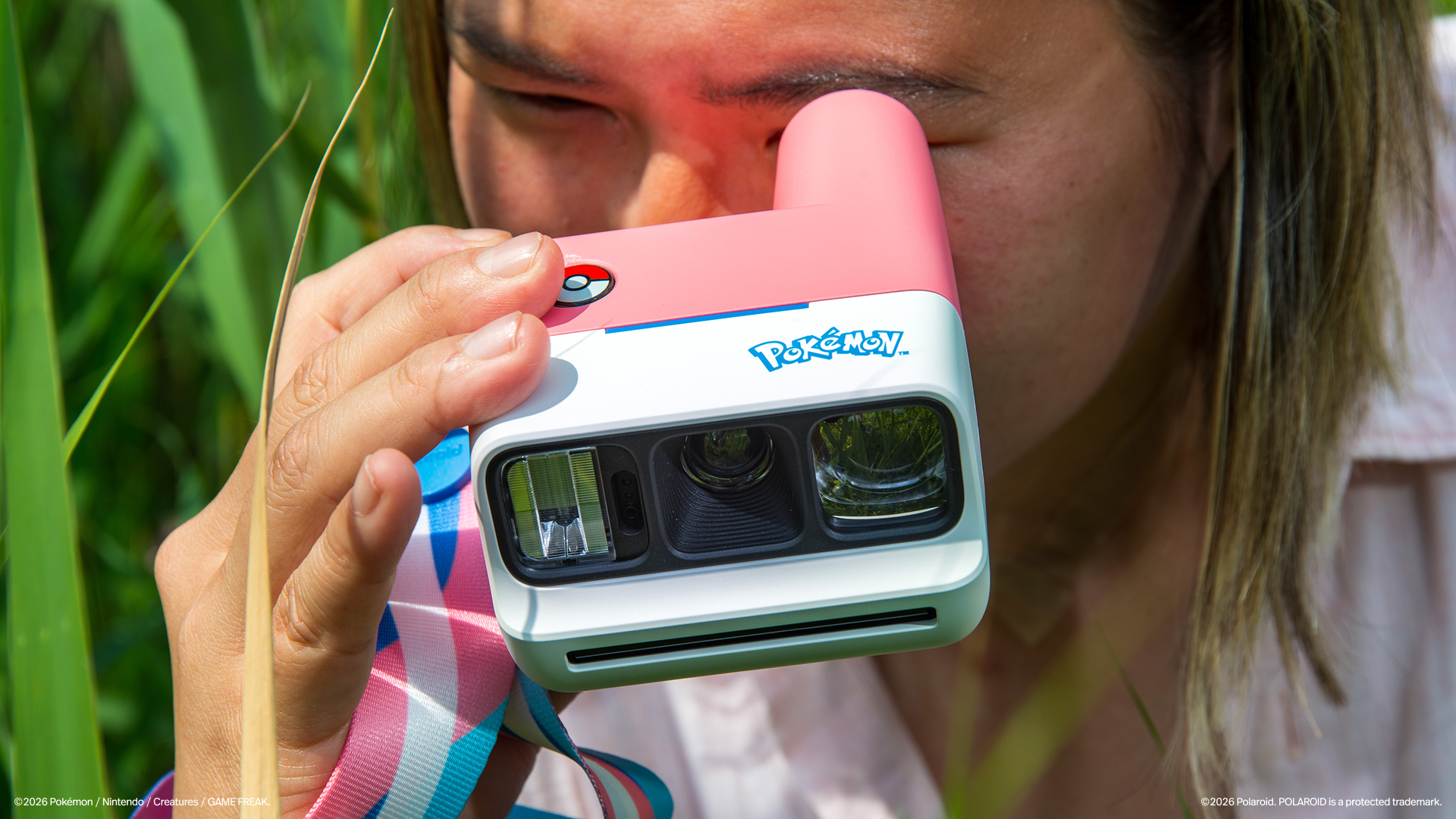
When analyzing the hardware, the choice of the Polaroid Go Gen 3 series appears to be a stylistic misstep for the older, adult collector demographic. The Go series is inherently compact, designed for portability, but it lacks the tactile, "chunky" nostalgia that defines the classic Polaroid experience.
Critics argue that if the goal was to celebrate the history of both brands, a model closer to the Polaroid Supercolor 635—with its iconic boxy silhouette and tactile aesthetic—would have been a more natural fit. By opting for the more modern, "juvenile" aesthetic of the Go line, the collection risks alienating the core group of collectors who view these items as shelf-worthy art pieces rather than utilitarian tools.
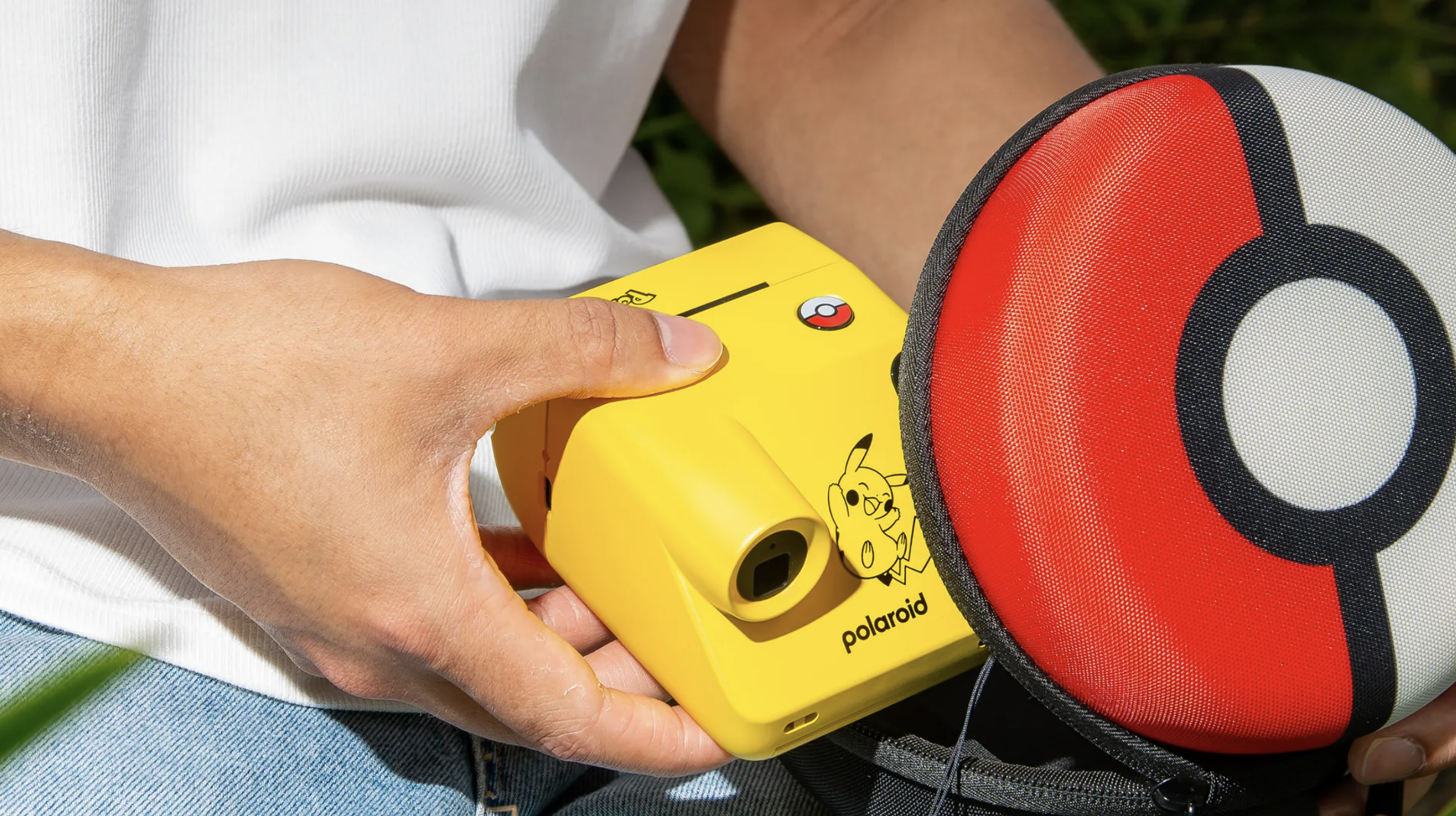
Furthermore, the design of the Sylveon model has been highlighted as particularly "lazy." While the Pikachu edition at least incorporates a tail-themed strap, the Sylveon version feels like a color-swapped standard camera. Given the intricate, ribbon-like design of Sylveon, the potential for custom molding, ear-shaped top casings, or bead-style charms was immense. The current result feels more like a standard product with a sticker-like overlay rather than a cohesive design collaboration.
Official Responses and Market Positioning
The Pokémon Company has remained largely silent regarding specific design criticisms, framing the collection as a "celebration of color, character, and creativity." Marketing materials focus heavily on the "fun" aspect of instant photography and the appeal of the limited-edition film packs, which feature Pokémon-themed silhouettes and custom darkslides.
From a market perspective, this collaboration is clearly aimed at the "Gen Z/Alpha" demographic, who are driving the current resurgence in analog photography. The compact nature of the Polaroid Go is designed for social media-friendly shots and "aesthetic" lifestyle content. While this makes business sense for mass-market retail, it creates a friction point with the brand’s long-term, more hardcore fans who expect a deeper level of integration and thoughtful design.

The Implications: What This Means for Future Collabs
The success of this collaboration will ultimately be measured by its sales figures, but the public discourse suggests a growing divide. As the brand continues to expand into high-end lifestyle markets, the "design fatigue" that fans are currently experiencing is a warning sign.
- The Scalper Problem: With limited-edition releases, the inevitable involvement of secondary market scalpers is a primary concern. The high demand for anything bearing the Pokémon logo often leads to price gouging, which further diminishes the "joy" of the product for the average collector.
- Brand Dilution: If the design of these products continues to prioritize brand logos over deep thematic integration, there is a risk of brand dilution. Fans are looking for products that feel like they belong in the Pokémon world, not just standard electronics with a character slapped on the side.
- Future Design Standards: This collaboration should serve as a case study for future hardware partnerships. It proves that a big brand name is not a substitute for creative synergy. Moving forward, fans are likely to demand more functional integration (like the Pokémon Snap example) and more adventurous physical designs that push the boundaries of what these products can look like.
A Silver Lining: The Accessories
It is worth noting that not all aspects of the collaboration have been met with criticism. The accessory line, specifically the film packs and the Poké Ball-themed darkslides, has been largely praised. These smaller, more affordable elements of the collection demonstrate an attention to detail that is missing from the cameras themselves. The film packaging and the frame designs feel authentic to the spirit of the game, proving that the creative team is capable of hitting the right notes when given the right scope.
Final Thoughts
The Pokémon x Polaroid collaboration is, at its heart, a missed opportunity. While it succeeds as a commercial product for the casual fan, it fails to capture the imagination of the audience that has sustained the franchise for 30 years. By prioritizing a "safe" design choice over a bold, thematic interpretation, both companies have produced a collection that feels like a novelty rather than a collector’s item.
For the next milestone, one can only hope that The Pokémon Company looks back to its own rich history—and to the vocal feedback of its community—to ensure that the next collaboration doesn’t just bear the name, but truly captures the spirit of the world of Pokémon. Until then, fans are left with a collection that, while cute, ultimately lacks the "spark" that makes a collaboration truly legendary.