

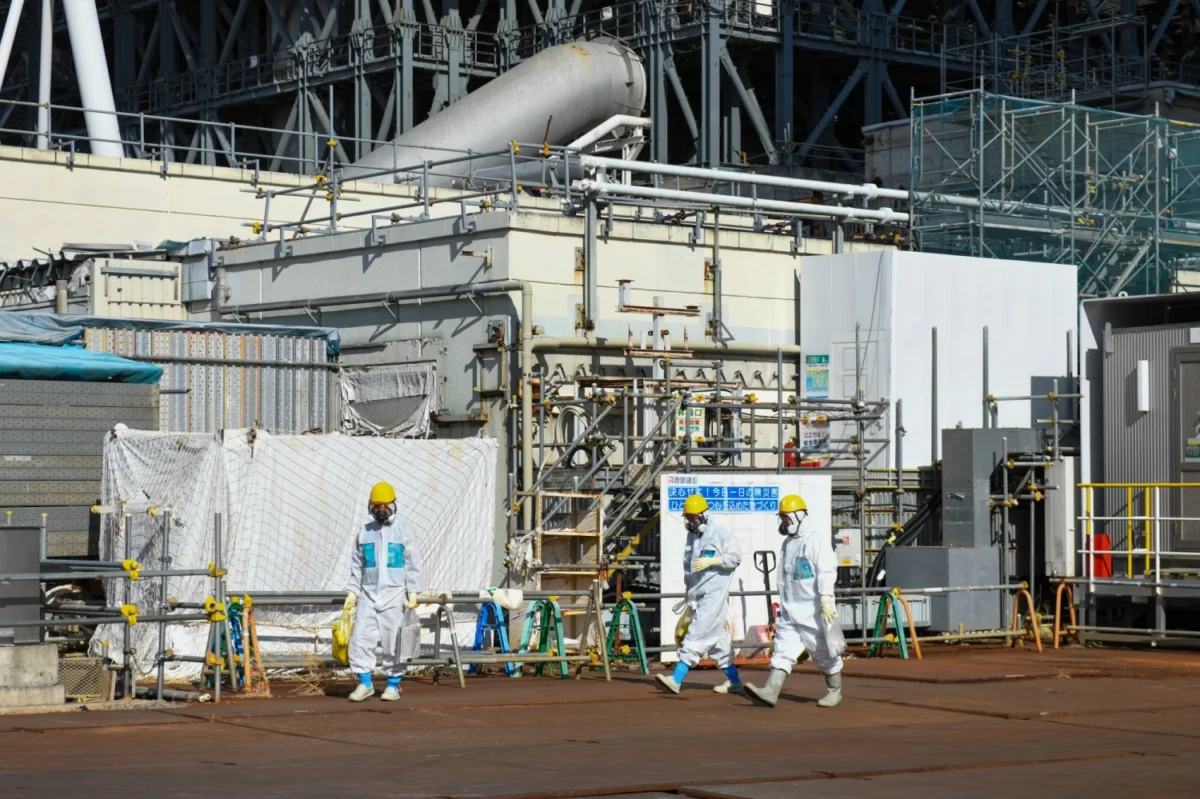
OKUMA, FUKUSHIMA PREFECTURE — In a move marking a pivotal chapter in the decades-long decommissioning process of the Fukushima No. 1 nuclear power plant, Tokyo Electric Power Company Holdings (TEPCO) announced on Tuesday that it has officially begun the extraction of nuclear fuel from the spent fuel pool of the No. 2 reactor.
This operation, widely regarded by nuclear engineers as a high-stakes technical challenge, is a critical prerequisite for the ultimate stabilization and eventual dismantling of the facility, which suffered a catastrophic meltdown following the Great East Japan Earthquake and tsunami in March 2011.
The Strategic Importance of the No. 2 Reactor
The No. 2 reactor stands as one of the most significant hurdles in the plant’s decommissioning roadmap. Unlike the No. 3 and No. 4 reactors, where fuel removal has already been largely completed or significantly progressed, the No. 2 unit presents unique logistical and radiological obstacles.
According to TEPCO, the spent fuel pool currently houses 587 highly radioactive spent fuel assemblies and 28 unused fuel assemblies. The company has adopted a methodical, risk-mitigated approach: it is prioritizing the removal of the 28 unused assemblies. These units, while still requiring stringent safety protocols, present a comparatively lower radiological risk than their spent counterparts, providing engineers with an opportunity to calibrate their equipment and refine remote-handling procedures before tackling the more volatile spent fuel.
TEPCO has set an ambitious but carefully managed timeline, aiming to clear all 615 assemblies from the No. 2 reactor pool by the end of fiscal year 2027, concluding in March 2028.
A Chronology of the Fukushima Decommissioning Effort
The path to this week’s milestone has been defined by years of painstaking preparation, forensic robotics, and engineering ingenuity.
- March 2011: The Great East Japan Earthquake and subsequent tsunami trigger a station blackout at Fukushima No. 1, leading to the meltdowns of reactors 1, 2, and 3.
- 2012–2014: Initial stabilization efforts focus on cooling the reactors and managing the massive volumes of contaminated water. The focus shifts toward long-term decommissioning.
- 2019: TEPCO successfully completes the removal of all fuel assemblies from the No. 3 reactor, a major success that provided the technical blueprint for subsequent operations.
- 2021: Preparations for the No. 2 reactor begin in earnest, involving the construction of a massive crane enclosure and the installation of remote-handling fuel-transfer machinery.
- 2023–2025: Delays due to the discovery of high radiation levels in the upper floors of the reactor building and the need for structural reinforcements push the timeline back, necessitating a redesign of the shielding protocols.
- June 2026: The formal commencement of fuel extraction from the No. 2 pool is confirmed, signaling the transition into the next phase of the multi-decade project.
Technical Challenges and Supporting Data
The decommissioning of a nuclear reactor that has suffered a core meltdown is unprecedented. The work at the No. 2 reactor is heavily reliant on automated systems, as radiation levels in the vicinity of the pool remain too hazardous for prolonged human presence.
The Engineering Complexity
Workers must operate heavy machinery from behind shielded control centers. The fuel assemblies, which have been sitting in cooling pools for over 15 years, are brittle. Extracting them requires a "gently, gently" approach to prevent the snapping of fuel rods, which could lead to the release of radioactive particulates into the containment building.
Radiological Monitoring
The site is under constant surveillance. TEPCO’s internal data indicates that current radiation levels within the work zone are being managed through a combination of heavy shielding, high-efficiency particulate air (HEPA) filtration systems, and real-time sensor monitoring. The project employs hundreds of specialized contractors who rotate in short shifts to ensure that individual cumulative radiation exposure remains well below the legal regulatory limits set by the Japanese Nuclear Regulation Authority (NRA).
Official Responses and Regulatory Oversight
The commencement of this operation has drawn intense scrutiny from both domestic regulators and the international community.

The Stance of the Nuclear Regulation Authority (NRA)
The NRA has maintained a rigorous oversight regime, conducting weekly inspections of the No. 2 reactor’s handling equipment. An NRA spokesperson emphasized that "the safety of the local population and the integrity of the containment structure remain the primary metrics for success." The agency has insisted that TEPCO maintain a "stop-work" capability at every stage of the extraction process should any seismic or radiological anomaly be detected.
TEPCO’s Commitment
TEPCO representatives have expressed a sense of guarded optimism. "This is a monumental step forward," stated a TEPCO engineer overseeing the project. "We are acutely aware of the history of this site and the anxiety it causes the public. Our team is operating with the highest level of vigilance. We are moving slowly to ensure that every movement is stable and secure."
Public and Local Sentiment
For the residents of Fukushima, the ongoing decommissioning is a constant reminder of the disaster. While the progress is welcomed as a necessary step toward the region’s eventual recovery, local fishing cooperatives and residents remain wary of any potential incidents during the removal process, particularly given the ongoing controversy surrounding the discharge of treated water from the plant.
Implications: The Long Road Ahead
The successful removal of fuel from the No. 2 reactor is not the end, but rather a bridge to the most difficult phase of the decommissioning: the retrieval of the melted fuel debris from within the reactor pressure vessels.
Managing the Melted Core
While the spent fuel pools are manageable with existing remote-handling technology, the actual "corium"—the solidified, lava-like mixture of fuel and reactor components—remains a mystery. Robotic probes have confirmed that the debris is highly radioactive and physically fused with the reactor structures. Retrieving this material will require advancements in robotics and AI that are currently being developed in laboratories across Japan and internationally.
Economic and Environmental Impact
The decommissioning of Fukushima No. 1 is projected to cost upwards of 8 trillion yen ($50+ billion USD) and span into the mid-21st century. The environmental implications are global, as the scientific community continues to study the long-term impact of the 2011 disaster on marine ecosystems and atmospheric deposition.
As the world watches the extraction at the No. 2 reactor, the focus remains on whether TEPCO can maintain its pace without compromising safety. The operation serves as a case study for the global nuclear industry, highlighting the extreme difficulty—and the extreme cost—of managing the end-of-life cycle for nuclear power, particularly when forced by a catastrophic event.
Looking Toward the Future
The goal remains the total decommissioning of the site and the eventual release of the land for non-nuclear uses. However, officials caution that expectations must be managed. "We are in a marathon, not a sprint," said a researcher from the International Research Institute for Nuclear Decommissioning (IRID). "Each assembly we remove is a victory, but the core of the problem lies beneath the water line in the reactor vessels themselves. We are making progress, but the road is long."
As of this week, the process is underway. For the workers in the white protective suits at Okuma, the mission is singular: to remove the remnants of the past and secure the site for the future. The international community, meanwhile, will continue to monitor the data, waiting to see if this phase of the operation can be completed with the same level of precision and safety demonstrated during the clearing of the No. 3 reactor.
In an era where nuclear energy is being re-evaluated globally as a potential solution to climate change, the lessons learned at Fukushima—both in terms of catastrophic failure and the immense technical burden of remediation—remain the most critical data points in the history of the industry.












No comments yet. Be the first to join the conversation!