

The British television landscape has been fundamentally reshaped. In a blockbuster announcement that has sent shockwaves through the media industry, ITV has confirmed it has agreed to the sale of its core media and entertainment business to Sky for a staggering £1.6 billion.
This historic transaction marks one of the most significant consolidations in UK broadcasting history. While the deal sees Sky—the UK’s dominant pay-TV giant—absorb the iconic ITVX streaming platform and the ITV free-to-air broadcast channels, it notably excludes ITV Studios, the prolific production powerhouse responsible for global hits such as I’m A Celebrity… Get Me Out of Here and the critically acclaimed drama Mr Bates Vs The Post Office.
As the dust settles on this monumental announcement, millions of viewers are left wondering what this means for their evening viewing habits, the future of free-to-air television, and the potential for a new "super-streamer" emerging from the integration of Sky and ITV.
The Core Facts: What Does the Deal Entail?
At its heart, the agreement is a strategic move by Sky to bolster its position in an increasingly competitive digital marketplace. By acquiring ITV’s broadcasting and streaming assets, Sky gains immediate access to a massive, loyal audience that still views linear television as a primary source of entertainment.
Key takeaways from the deal include:
- Asset Transfer: Sky assumes full ownership of the ITV broadcast network (ITV1, ITV2, ITV3, ITV4, etc.) and the ITVX streaming service.
- Exclusions: ITV Studios remains independent of the sale, meaning the production arm that creates content for both ITV and rival networks will continue to operate as a distinct entity.
- Valuation: The £1.6 billion price tag reflects both the current market volatility and the immense value placed on ITV’s advertising inventory and data-rich streaming user base.
- Public Service Obligations: ITV’s status as a public service broadcaster (PSB) remains unchanged. The network is legally bound by its licence requirements to provide news, regional content, and diverse programming until at least 2034.
Chronology: The Road to the Merger
The path to this acquisition was not sudden. Analysts had long speculated that ITV, despite its successful pivot to digital, remained vulnerable to the economies of scale enjoyed by global streaming giants and integrated telecommunications firms.
- Early 2026: Market rumors began to circulate regarding a potential "strategic review" of ITV’s assets as the network faced increasing pressure from advertising revenue fluctuations and the rising costs of content production.
- Mid-2026: Formal negotiations between ITV’s board and Comcast-owned Sky intensified, focusing on how a merger could streamline operations and provide a more robust response to the dominance of Netflix, Disney+, and Amazon Prime.
- July 2026: The definitive agreement was reached. The announcement sent a clear signal to the market that the era of "national champions" in broadcasting is yielding to the era of consolidated media ecosystems.
Supporting Data: Why Now?
The logic behind the deal is rooted in data. As traditional linear advertising revenues face headwinds, the value of online video advertising has soared. According to market research, audiences are increasingly bifurcating—some clinging to the convenience of live TV, while others demand deep, on-demand libraries.
Peter Ingram, Research Manager at Ampere Analysis, notes that the merger is a defensive and offensive play. "Online video advertising remains a key area of growth," Ingram explains. "As audiences turn to the convenience of expansive catalogues available via streaming, the monetisation of this space is essential. A sale to Sky will likely lead to an acceleration of the development—and possible integration—of streaming propositions like ITVX and NOW TV, with a laser focus on expanding subscription and advertising revenues."
Data suggests that ITV’s strength lies in its "reach"—the ability to command millions of eyeballs simultaneously for major events like the World Cup or reality TV finales. For Sky, this reach is a golden asset that can be used to funnel users into its broader ecosystem.
Official Responses and Expert Analysis
The industry reaction has been one of cautious observation. While ITV executives have framed the deal as a necessary evolution to ensure the long-term sustainability of their brand, independent analysts are looking at the fine print.
Tom Harrington, a TV analyst at Enders Analysis, points out that the "free-to-air" nature of ITV is actually the primary driver for Sky. "ITV remains profitable, and the reach that it commands as the major commercial broadcaster is likely the main reason why it would be attractive to Comcast/Sky," Harrington states.
However, there is a clear distinction between the "now" and the "future." While the current broadcast model is protected by law, the long-term strategy for Sky involves rationalizing the assets. "In time, Sky may have differing opinions to current ITV management about how to monetise free-to-air, which could lead to channel changes and a shift in approach toward ITVX," Harrington warns.
Implications for the Viewer: The "Slow Burn" of Change
For the average viewer, the immediate impact will likely be negligible. You will still find Downton Abbey repeats, live news, and your favorite game shows on the same channels at the same times. However, the long-term implications are far-reaching.
1. Integration of Content
We can expect to see a much more fluid exchange of programming. A show produced by ITV Studios might land on a Sky channel first, or Sky’s premium sports content might be teased on ITV’s terrestrial channels to drive subscriptions to the combined streaming platform. This "cross-pollination" of content is the biggest benefit for the consumer: a wider, more diverse library accessible through a single interface.
2. The Future of Streaming
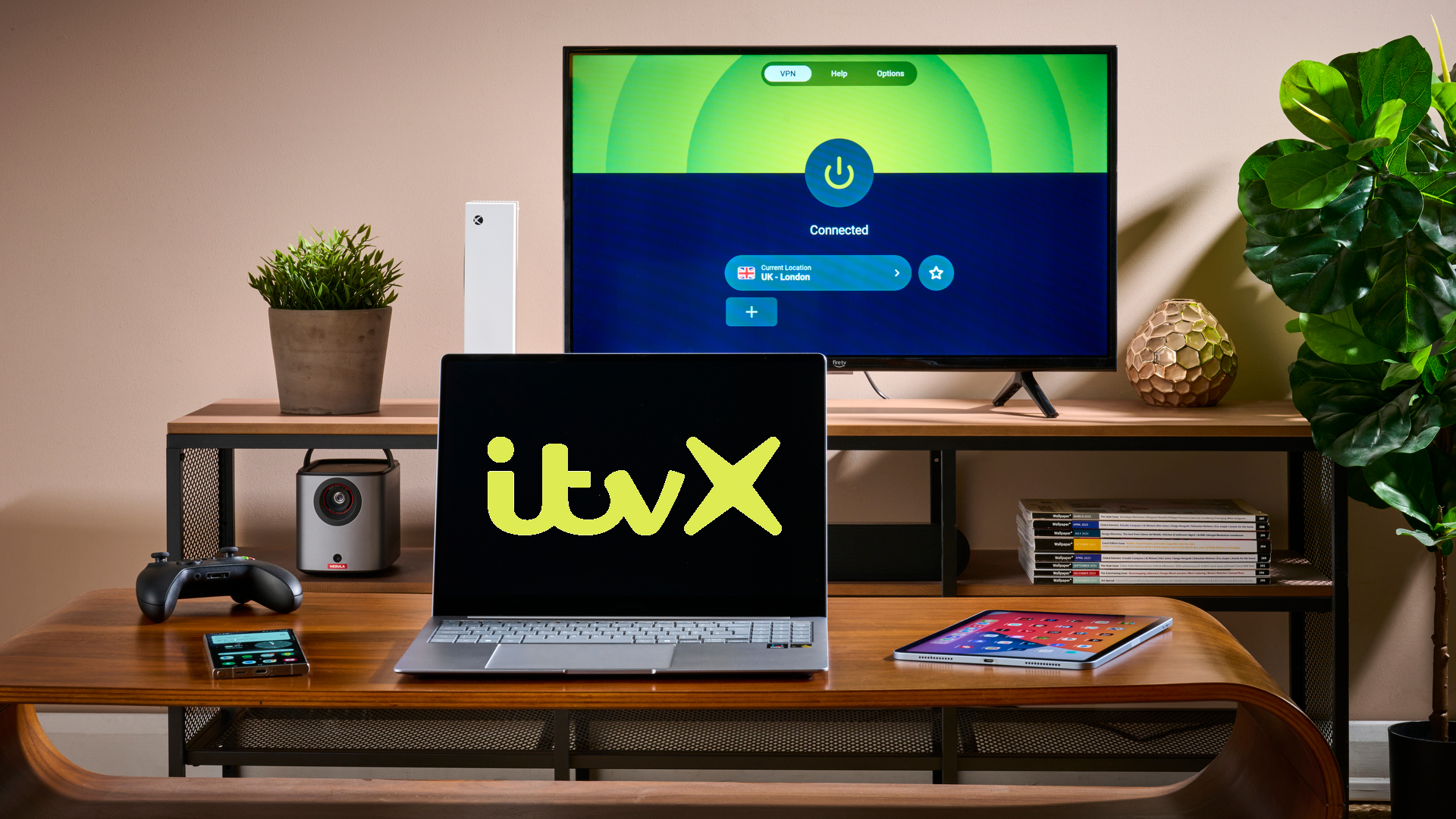
The industry expects a potential merger or deep integration between ITVX and Sky’s NOW TV service. By creating a unified platform, the company could offer a "tier" system that effectively competes with global giants, combining ITV’s massive UK-centric library with Sky’s premium film and sports catalog.
3. The Quality Concern
One of the most persistent concerns is whether a massive, efficiency-driven conglomerate will prioritize quality. Tom Harrington notes, "Generally in a merger of this scale, the result is less content being produced overall, as savings and efficiencies are immediately sought. While this might not be immediately obvious to the viewer, the long-term impact on the volume of new, original productions could be negative."
The Future of Production: The ITV Studios Factor
The decision to keep ITV Studios separate from the broadcast sale is a masterstroke of corporate strategy. It allows the production house to continue selling its content to the highest bidder—including the BBC, Channel 4, and international distributors—without being tethered to a single platform.
However, the symbiotic relationship between the two will be tested. As Harrington points out, "The biggest customer of ITV Studios is ITV itself. If Sky acquires the broadcast arm, there will likely be a long-term agreement guaranteeing the flow of content. But over time, that relationship will inevitably weaken, and ITV Studios will likely become a more global, platform-agnostic entity."
Conclusion: A Transforming Landscape
The £1.6 billion deal between ITV and Sky is more than just a business transaction; it is a signal of where the wind is blowing in the UK media sector. We are moving toward a consolidated landscape where the lines between terrestrial, satellite, and streaming are becoming increasingly blurred.
For the viewer, the short-term future promises more content availability and, perhaps, more consolidated subscription options. For the industry, it marks the end of an era of independent national broadcasting as we have known it, replaced by a high-stakes, data-driven, and hyper-integrated model.
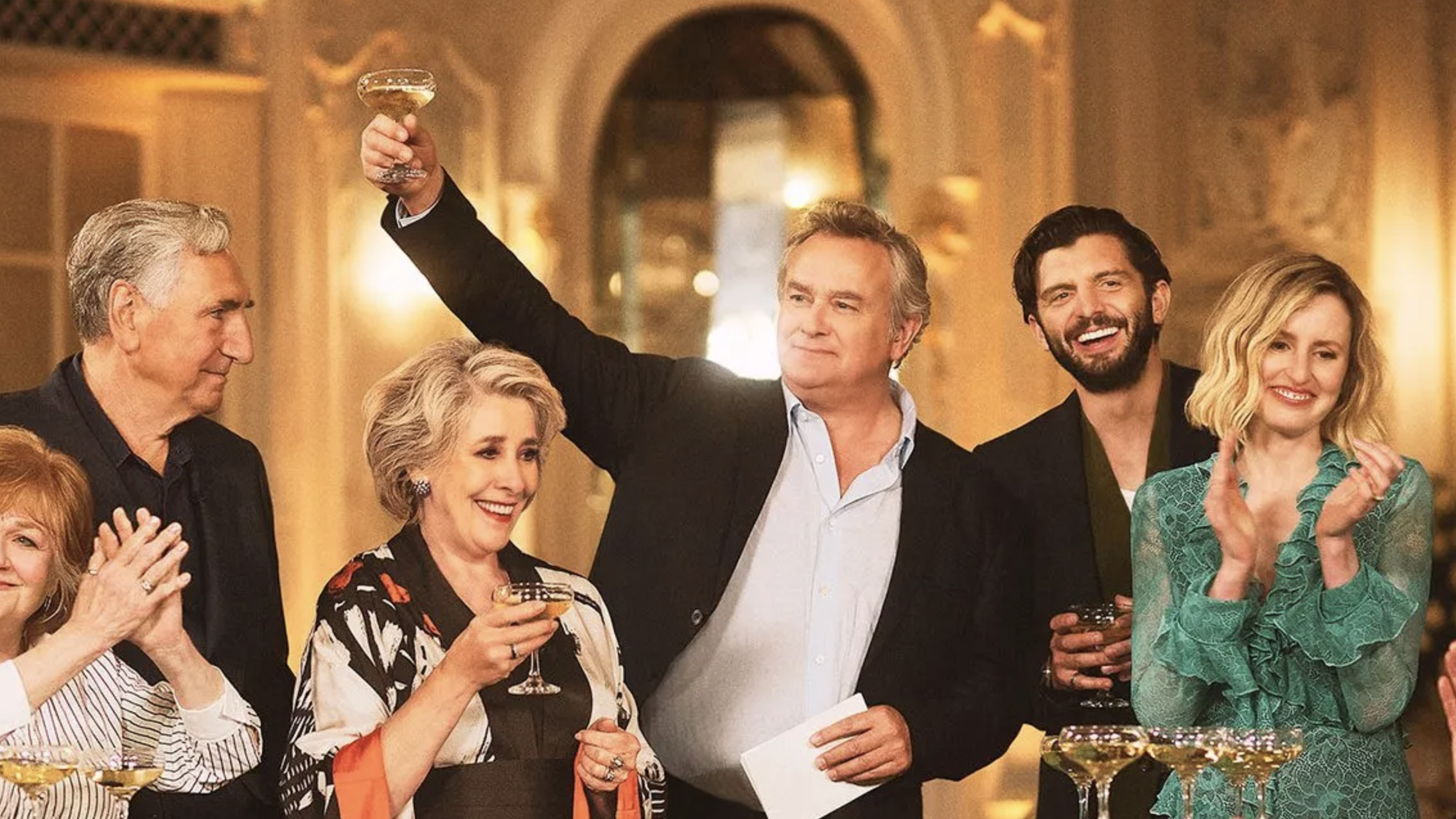
Whether this transition ultimately results in a "Golden Age" of British television—fueled by the increased capital of a media giant—or a decline in creative output due to cost-cutting, remains to be seen. One thing is certain: the way we watch TV in the UK will never be the same again.











