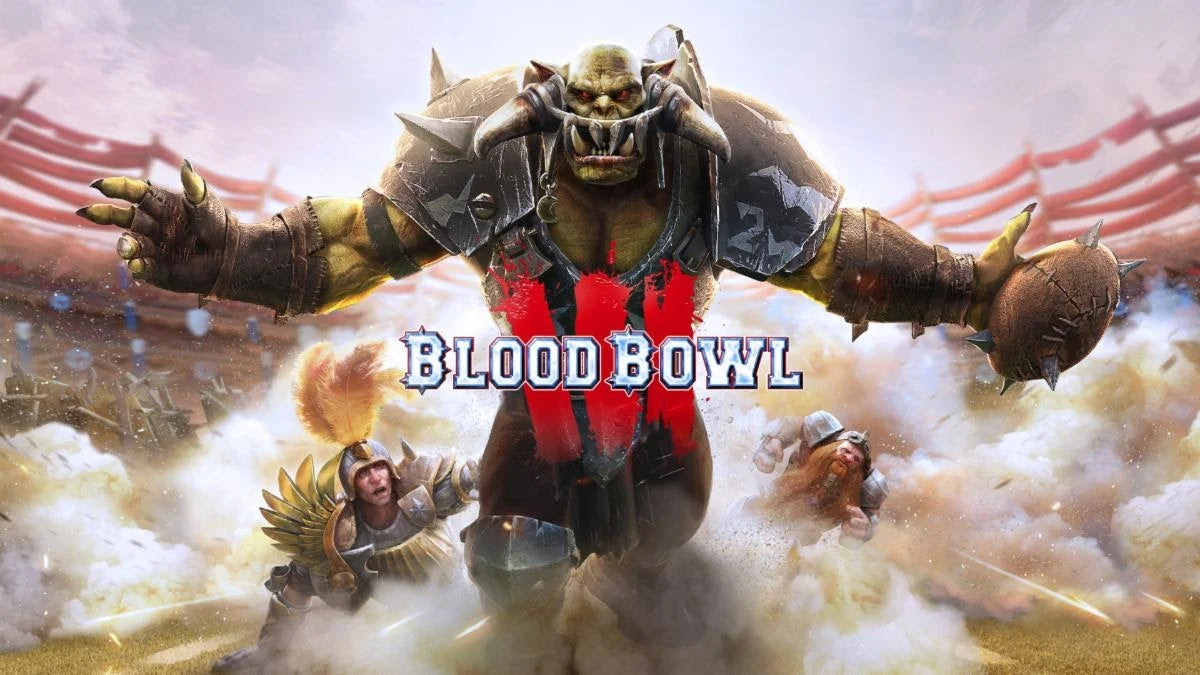
In a landmark move that signals a significant shift in the landscape of digital tabletop-inspired strategy gaming, Slitherine Software has officially announced the acquisition of the license, publishing rights, and extensive back catalogue for the Blood Bowl franchise. The deal, which follows the financial instability of the franchise’s previous parent company, Nacon, marks a pivotal moment for the Blood Bowl series—a unique, high-stakes fusion of American football and the grimdark, chaotic fantasy of the Warhammer universe.
This "major, highly significant investment" is more than a simple transfer of intellectual property; it is a strategic maneuver designed to secure the long-term viability of a beloved cult series. By stepping in during a period of corporate restructuring, Slitherine aims to provide a stable, specialized home for a franchise that has consistently punched above its weight in the niche strategy market.
The Context: A Industry in Flux
The acquisition comes on the heels of a turbulent period for Nacon, the French publishing giant. In March, Nacon-owned developer Cyanide Studio—the creative force behind the Blood Bowl video game series—filed for insolvency. This move was part of a broader, systemic crisis affecting several studios under the Nacon umbrella. Among the fallout, Greedfall developer Spiders reportedly faced closure after failing to secure a viable buyer, highlighting the fragile economic environment currently facing mid-sized European development houses.
Slitherine’s intervention serves as a lifeline for the Blood Bowl property. By separating the franchise from the broader financial complications of the Nacon restructuring, Slitherine has effectively ring-fenced the series, allowing the development team at Cyanide to focus exclusively on their craft without the looming threat of corporate dissolution.
Chronology of the Deal: From Insolvency to Acquisition
The path to this agreement was defined by rapid, decisive action. When Nacon’s restructuring process began, the future of the Blood Bowl license became a subject of intense industry speculation. Recognizing the potential to save a title with a passionate, established fanbase, Slitherine moved quickly.
- March 2024: Cyanide Studio files for insolvency, sparking concerns regarding the future of their active projects, including the upcoming Warhammer Blood Bowl title.
- Spring 2024: Slitherine Software identifies the opportunity, recognizing the synergy between their existing Warhammer portfolio and the Blood Bowl brand.
- Negotiation Phase: Slitherine enters high-level talks, competing against several other interested parties. Their strategy was reportedly built on a shared creative vision and a "highly competitive commercial proposition."
- The Agreement: Slitherine secures the rights, the back catalogue, and a long-term development contract with Cyanide, ensuring that while the studio remains independent, its output is now under the dedicated stewardship of a publisher specializing in the strategy genre.
Supporting Data: Why Blood Bowl Matters
To understand why Slitherine would make such a "significant investment," one must look at the performance of the Blood Bowl series. Despite being a niche sub-genre—blending complex turn-based mechanics with the often-punishing randomness of dice rolls—the franchise has been a massive commercial success for the strategy sector.
According to data from GameDiscoverCo, previous iterations of the Blood Bowl series have collectively sold nearly one million units on the Steam platform alone. This represents a robust, recurring player base that values the depth and tactical complexity of the game. For Slitherine, a company already heavily invested in the Warhammer ecosystem through titles like Warhammer 40,000: Battlesector and Warhammer 40,000: Gladius, the acquisition is a natural, logical expansion. It cements their position as the premier publisher of digital Warhammer strategy games.
Official Responses and Strategic Vision
Marco Minoli, Director of Publishing at Slitherine, has been instrumental in framing this deal not as an act of corporate consolidation, but as a commitment to the game’s community.
"We aren’t taking an ownership stake in Cyanide," Minoli clarified in an interview with GamesIndustry.biz. "But we are securing a long-term development deal with them. Our singular goal is to guarantee the absolute, long-term continuity of development for the game."
Minoli emphasized that the decision was driven by an appreciation for the franchise’s heritage. "As soon as Nacon’s restructuring process began, we saw an opportunity to step up and protect a franchise we love. We proactively approached Cyanide and presented a definitive case for why Slitherine would be the ideal partner."
Patrick Pligersdorffer, CEO of Cyanide, echoed this sentiment, viewing the deal as a necessary stabilization for his team. "We are delighted to partner with Slitherine to ensure the future of the Blood Bowl video games. Slitherine has proven its expertise, publishing high-quality strategy games. We believe it is a perfect match."
The Implications: What This Means for Players
For the average gamer, the most immediate implication is the reassurance of continuity. Development on the upcoming Warhammer Blood Bowl project remains firmly in the hands of the architects who have guided the series for years. By pairing Cyanide’s intimate knowledge of the game mechanics with Slitherine’s specialized marketing and publishing infrastructure, the franchise is likely to receive a level of focus that was previously diluted within the larger Nacon organization.
1. Community-Centric Development
Slitherine has explicitly stated that they intend to prioritize "community feedback" and "ongoing player engagement." This is a hallmark of the company’s publishing philosophy, which often involves deep integration with player forums and beta testing communities. Players can expect more transparent communication regarding balance updates, seasonal content, and long-term roadmap planning.
2. A Dedicated Strategy Ecosystem
By bringing Blood Bowl into the fold, Slitherine is creating a "Warhammer Strategy Hub." Players who enjoy the company’s other titles will now find Blood Bowl integrated into a publishing ecosystem that understands the nuance of strategy gaming. This could lead to better cross-promotion, unified account services, or even shared technological developments between their various strategy titles.
3. Protecting the Back Catalogue
The acquisition of the back catalogue is a subtle but critical component of the deal. Often, when studios face insolvency, older titles can become "abandonware" due to license expirations or lack of maintenance. Slitherine’s ownership ensures that legacy Blood Bowl games will remain available on digital storefronts, receive necessary compatibility patches for modern operating systems, and remain preserved for future generations of players.
The Broader Strategy: A Publisher on the Rise
This acquisition is not an isolated event; it is part of a broader, aggressive expansion strategy for Slitherine. Over the past year, the company has engaged in a series of strategic publishing partnerships and targeted catalogue acquisitions. In an era where many publishers are retreating to "safe" bets or focusing exclusively on live-service games, Slitherine is doubling down on the strategy and tactics niche.
Their ability to navigate the complexities of the Nacon insolvency and emerge with a major franchise like Blood Bowl demonstrates a level of institutional maturity that separates them from many of their peers. It suggests that Slitherine is positioning itself as the "go-to" partner for mid-sized developers who have high-quality, complex games but lack the commercial support necessary to survive in a volatile market.
Conclusion: A Win for the Genre
The transition of Blood Bowl from Nacon to Slitherine is a rare piece of positive news in an industry currently plagued by layoffs and studio closures. By prioritizing the longevity of the game and the expertise of its original developers, Slitherine has provided a blueprint for how legacy franchises can be saved from the brink of corporate failure.
As development continues on the new Warhammer Blood Bowl title, the gaming community will be watching closely. However, given Slitherine’s track record of deep-dive strategy publishing and their stated commitment to the franchise’s heritage, the future of the sport—the violent, chaotic, and beloved sport of Blood Bowl—appears to be in safe, capable hands. The "gridiron" of the Old World has a new coach, and for the fans who have spent years navigating the pitches of the Warhammer universe, this development offers a much-needed sense of security and a bright, tactical future.