

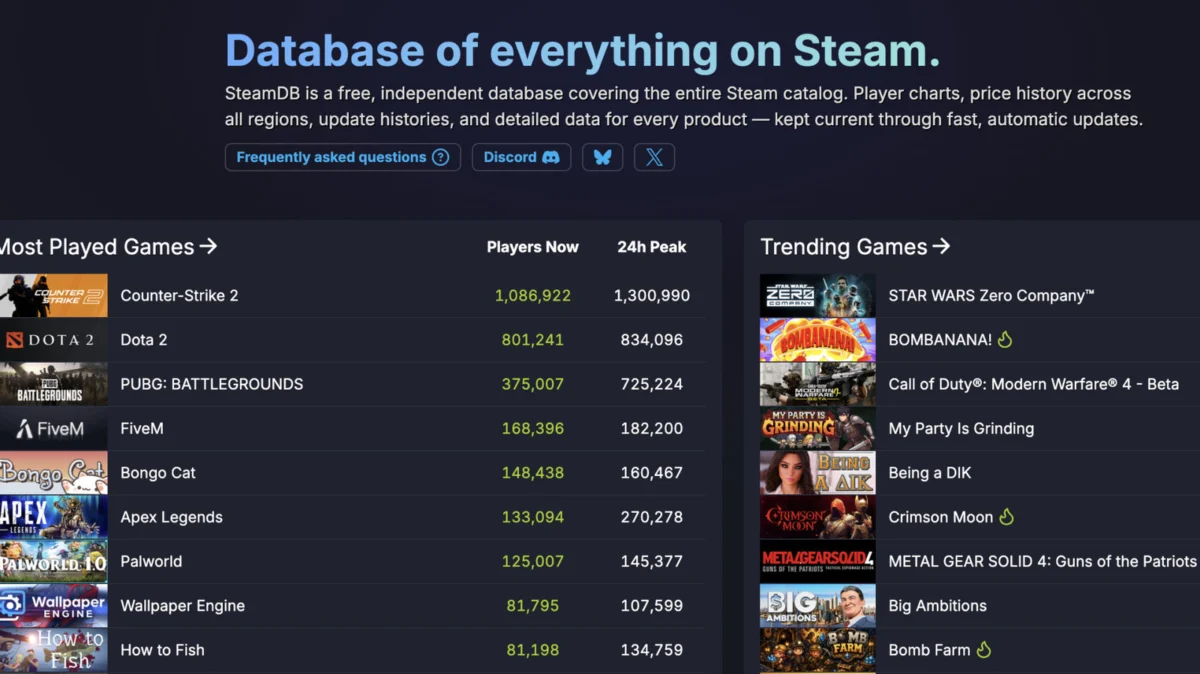
In a move that has sent ripples through the PC gaming community, Nexus Mods, the internet’s largest repository for community-created game modifications, has officially announced the acquisition of SteamDB. This strategic union brings together two of the most vital pillars of the PC gaming ecosystem: the site where gamers customize their experiences and the site where they track the pulse of the Steam marketplace.
For the millions of users who rely on SteamDB for real-time player counts, historical price tracking, and update monitoring, the news comes with both surprise and, in many cases, relief. As both platforms prepare for this transition, the narrative is one of preservation, professionalization, and a shared commitment to the future of the PC gaming landscape.
The Core Facts: What This Means for the Community
At its core, the acquisition is designed to stabilize and scale a tool that had outgrown its original intent as a hobbyist project. Nexus Mods has confirmed that SteamDB will retain its branding and its current functionality. Users will not see an immediate shift in how they interact with the database; the familiar charts, price trackers, and update logs will remain accessible as they always have.
However, the "behind the scenes" operations will undergo a significant overhaul. Nexus Mods plans to dedicate a professional team to manage the site’s infrastructure, focusing on enhanced security and improved scalability. Furthermore, while the community-driven aspect of SteamDB—which has historically relied on user-donated Steam keys to track game files—will remain, Nexus Mods will begin providing direct funding for these keys. This removes a significant burden from the community and ensures the longevity of the data collection process.
A Brief Chronology: From Hobby Project to Industry Staple
To understand the weight of this acquisition, one must look back at the origins of SteamDB.
2013: The Genesis
SteamDB was launched in 2013 by two enthusiasts, known by their handles Marlamin and xPaw. It began as a small-scale, independent project designed to track the sprawling, often opaque database of Valve’s Steam platform. At the time, it was a labor of love, filling a void for power users who wanted to see behind the curtain of game updates and pricing fluctuations.
The Growth Phase
Over the following decade, SteamDB grew in tandem with the PC gaming industry. As Steam became the undisputed home of PC gaming, the database became a "source of truth." Journalists, developers, and publishers began citing SteamDB data in reports, financial analysis, and community discussions. What was once a niche hobby site had transformed into a piece of critical gaming infrastructure.
The Scaling Struggle
As the site’s popularity exploded, the maintenance requirements became overwhelming. Marlamin eventually stepped away, leaving xPaw to manage the platform as a solo operator. The sheer volume of data, the server costs, and the technical complexity of tracking millions of files meant that the project was teetering on the edge of sustainability. xPaw reached a point where he needed a partner capable of providing the resources and development capacity that he could no longer supply alone.
2024: The Nexus Mods Union
After discussions regarding the site’s future, Nexus Mods stepped in. Recognizing the shared values—a devotion to the PC gaming community and a desire to provide transparent data—the two parties finalized the deal, ensuring that SteamDB would survive the burnout of its primary maintainer.
Supporting Data: Why Nexus Mods?
The synergy between Nexus Mods and SteamDB is not merely aesthetic; it is deeply technical. Nexus Mods operates on the premise that games are not static objects but evolving software platforms.
The Modding Paradox
The primary technical challenge for the modding community is the "Update Problem." When a developer pushes an update to a game on Steam, it frequently breaks existing mods. By integrating SteamDB’s deep, historical database into its own ecosystem, Nexus Mods gains a more granular understanding of game versions. This allows the platform to better track which game builds are compatible with which mods, potentially reducing the frustration for users who inadvertently break their game installations after a patch.
Resource Allocation
SteamDB tracks an enormous amount of information:
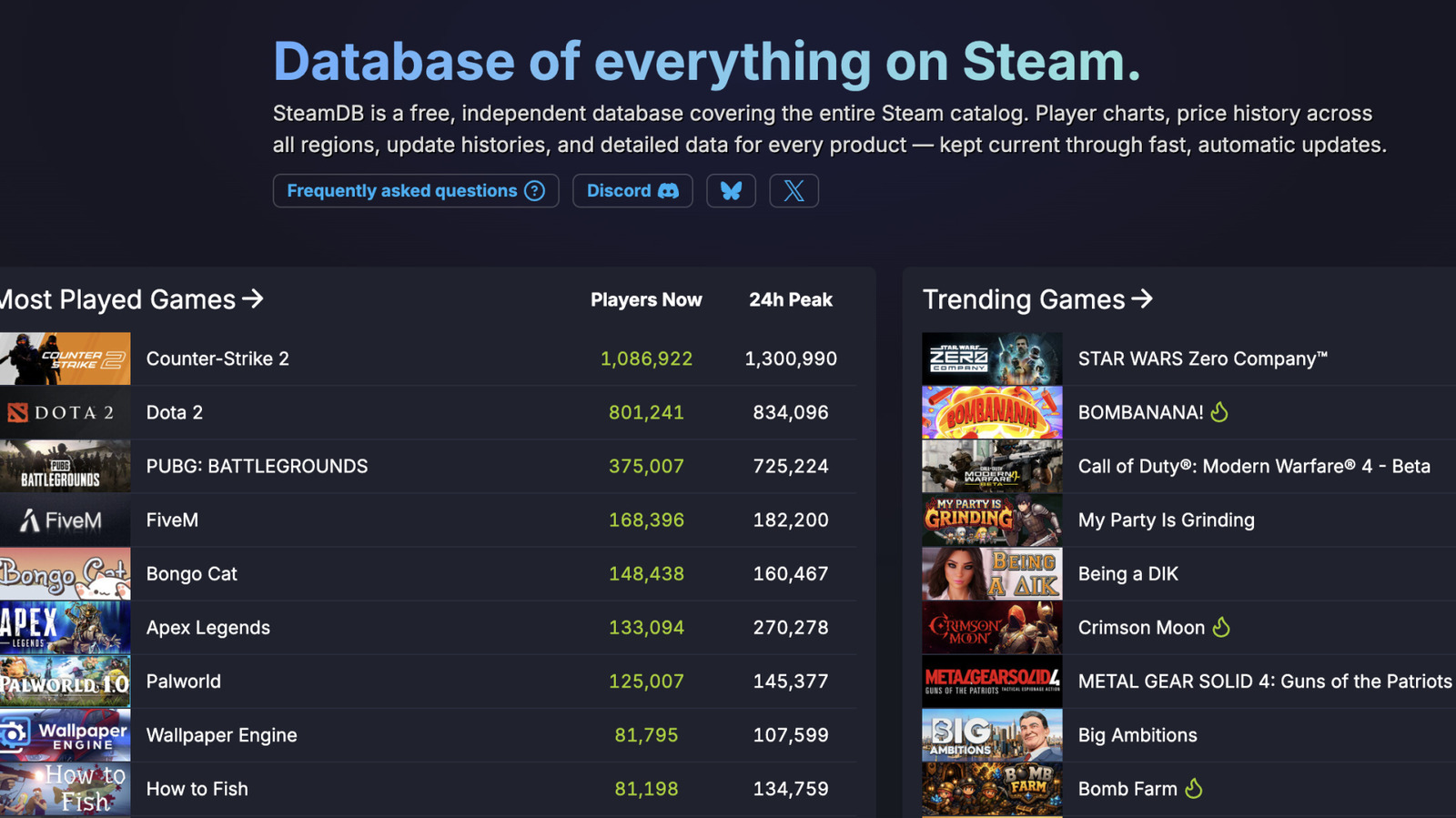
- Real-time Player Charts: A vital metric for the health of a game.
- Price History: An essential tool for consumer advocacy during sales.
- Update Logs: A treasure trove of information for those tracking game development cycles.
- File Tracking: The backbone of ensuring mod compatibility.
By migrating these services to the robust server infrastructure of Nexus Mods, the platform gains the stability required to handle traffic spikes, security threats, and the ever-increasing volume of data generated by the Steam catalog.
Official Responses and the "Human" Element
The transition has been marked by transparency, with both parties issuing statements that prioritize the well-being of the community over corporate maneuvering.
xPaw’s Perspective
In a poignant blog post on the SteamDB website, xPaw reflected on his tenure. He noted that the environment of the internet has shifted significantly in the post-COVID era. Citing the rise of AI-generated content and a general degradation of the "internet we once loved," xPaw expressed that his personal passion for the project had waned.
"This project has occupied my whole adult life," xPaw wrote. His decision to hand over the reins was motivated by a desire to see the project "survive" rather than fade away. He emphasized that the goal was never to sell out, but to ensure that the utility he created remains in the hands of someone who respects its history.
The Nexus Mods Stance
Nexus Mods has maintained a posture of stewardship. Their messaging has been clear: "We aren’t here to change what makes it special." They have framed the acquisition as a necessary evolution. By providing the resources, security, and development capacity, they hope to preserve a platform that they consider one of the most trusted resources in the industry.
Implications: The Future of PC Gaming Infrastructure
The acquisition of SteamDB by a community-focused organization like Nexus Mods represents a rare "win-win" in the tech industry.
Preservation of Independent Data
In an era where tech companies frequently wall off their data behind restrictive APIs, SteamDB has remained a beacon of transparency. By moving under the umbrella of Nexus Mods—a platform that has, for two decades, championed the rights of gamers to modify their property—the data remains accessible. It is unlikely that we will see a "paywalling" of information.
Security and Stability
As a high-traffic site, SteamDB has historically been a target for various digital threats. Nexus Mods brings a dedicated security team and a professional DevOps environment that will likely harden the site against potential vulnerabilities. This is a critical development for a site that hosts so much historical data about the gaming industry.
A New Model for Community Tools
This merger may set a precedent for other essential community-led tools. As individual developers find themselves unable to keep up with the demands of the modern web, partnerships with established, values-aligned organizations could become the new standard for ensuring the long-term viability of community projects.
The Road Ahead
While the transition is in its infancy, the sentiment among the core user base is one of guarded optimism. The challenge for Nexus Mods will be maintaining the "soul" of SteamDB—the, at times, blunt and utilitarian nature of the site—while applying the professional polish of a larger organization. If they can successfully balance these two mandates, they will have secured one of the most important pieces of digital architecture in the gaming world for years to come.
Ultimately, the acquisition serves as a reminder that the "internet we once loved" is still worth saving. Through the union of these two platforms, the history of Steam, the health of our favorite games, and the ability to customize our digital worlds are now safer, more stable, and better prepared for whatever the future of PC gaming holds.











