

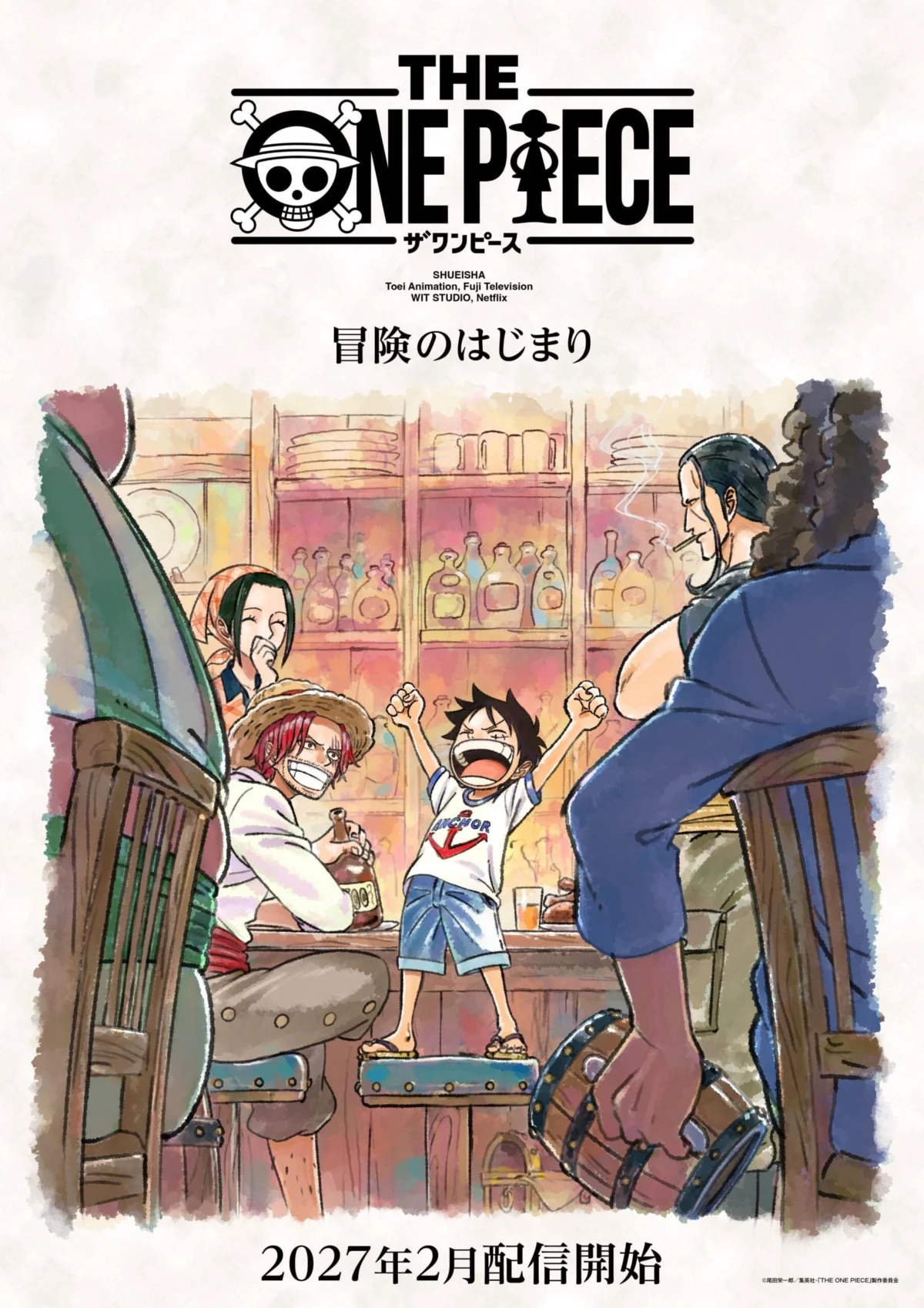
The global phenomenon of One Piece is currently experiencing a renaissance unlike any other intellectual property in modern media. As Eiichiro Oda’s legendary manga enters its climactic final saga and Toei Animation’s long-running series tackles the high-octane "Egghead Island" arc, a third front has opened in the quest for the King of the Pirates. Netflix, in collaboration with the prestigious Wit Studio, has finally broken its silence regarding The One Piece—a ground-up reimagining of the source material designed to introduce the sprawling epic to a new generation.
With recent updates confirming production timelines, staff rosters, and structural details, the project is shaping up to be more than just a remake; it is a strategic attempt to "prestige-format" one of the most successful stories in history.
Main Facts: The February 2027 Launch and Season 1 Structure
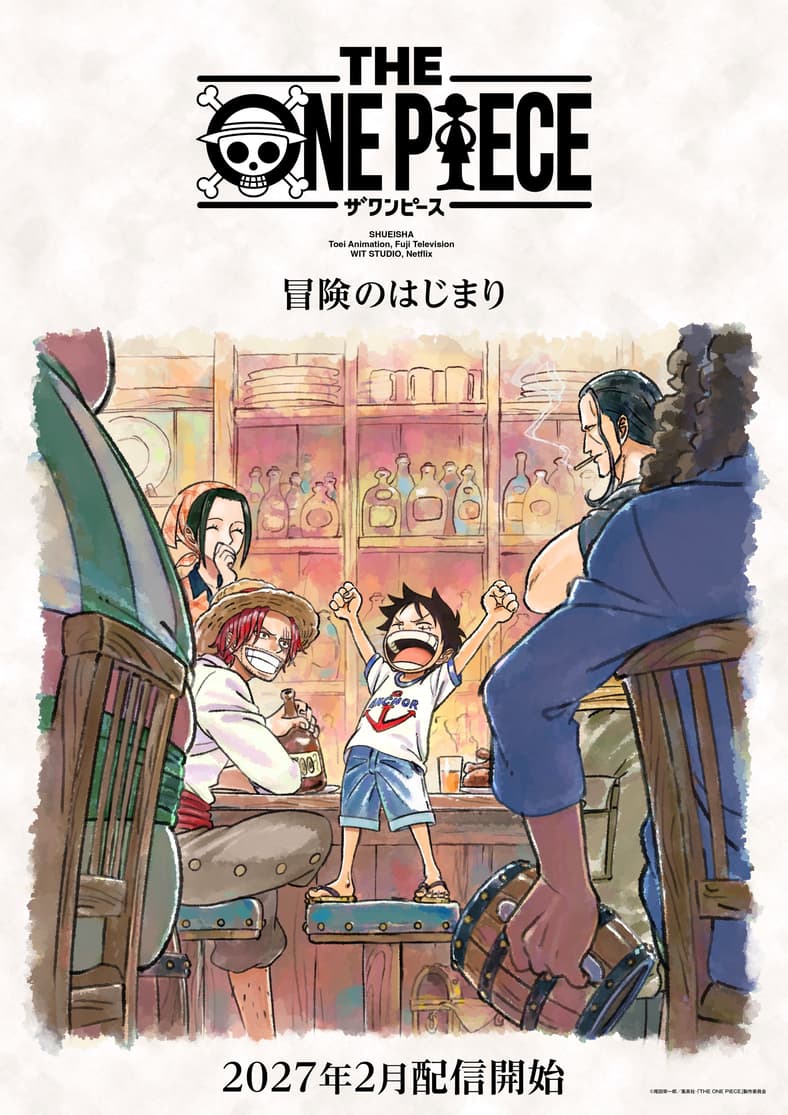
Following a period of relative quiet since its initial reveal, Netflix and Wit Studio have confirmed that The One Piece is scheduled to debut in February 2027. This release date places the premiere nearly three years after the project’s initial announcement, signaling a deliberate and intensive production cycle aimed at high-tier animation quality.
The first season is meticulously focused on the "East Blue Saga," the introductory chapter of Monkey D. Luffy’s journey. According to official data released via Netflix’s "Tudum" platform, the season will consist of seven episodes with a total estimated runtime of approximately 300 minutes.
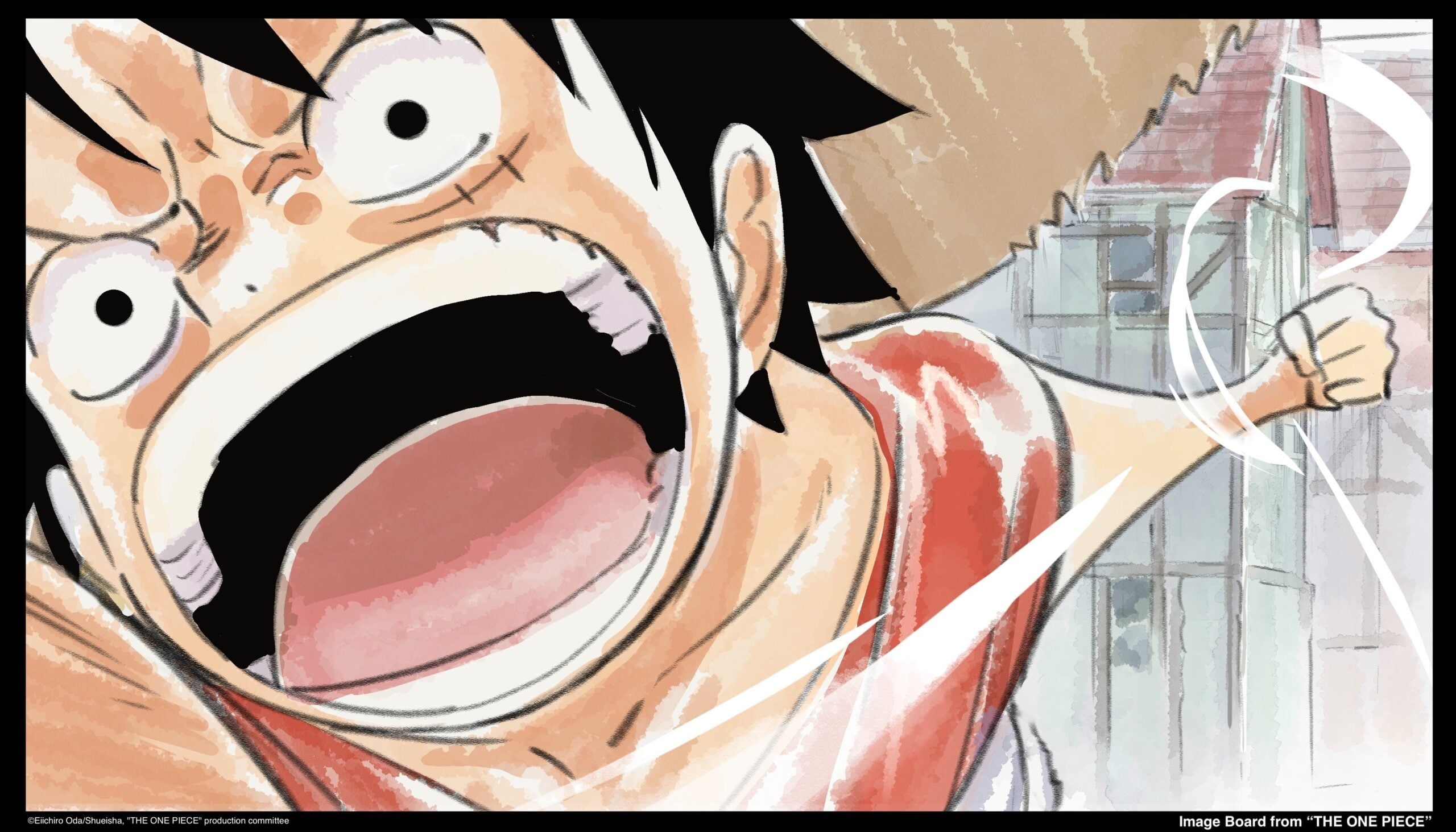
This structural choice is significant. By condensing the first 50 chapters of Oda’s manga into roughly five hours of content, Wit Studio is signaling a departure from the traditional weekly pacing of the original Toei Animation series. This "condensed excellence" approach suggests an average episode length of roughly 43 minutes—closer to the format of a prestige Western drama or a series of theatrical features than a standard 22-minute broadcast anime.
Chronology of Development: From Jump Festa to the Present
The journey of The One Piece began in December 2023 at Jump Festa, the annual celebration of Shueisha’s manga properties. The announcement sent shockwaves through the industry, as it is rare for an ongoing anime (Toei’s version has aired continuously since 1999) to receive a parallel reboot from a different studio.
- December 2023: Initial announcement at Jump Festa 2024. A teaser trailer showcased Wit Studio animators drawing the iconic "Romance Dawn" panels, emphasizing a "back to basics" philosophy.
- 2024 – Early 2025: A period of "radio silence" where fans speculated on the project’s status. During this time, Netflix’s live-action One Piece completed its first season and began production on its second, further crowding the One Piece media landscape.
- May 5, 2025 (Luffy’s Birthday): Netflix and Wit Studio released a comprehensive update, unveiling the core creative team, concept art, and the specific narrative scope of the first season.
- Present Day: The production has entered its peak animation phase, with Wit Studio Co-Founder Tetsuya Nakatake addressing the public to manage expectations regarding the lack of finished video footage.
Supporting Data: The Creative Powerhouse Behind the Scenes
The credibility of any reboot rests on its staff, and Netflix has spared no expense in recruiting a "dream team" of industry veterans. The production is a joint venture between Wit Studio, Shueisha, Fuji Television Network, and Toei Animation (who remains a stakeholder despite the studio change).
The Directorial Vision
Heading the project is Masashi Koizuka, best known for his work as the director of Attack on Titan (Seasons 2 and 3). Koizuka’s experience in handling high-stakes action and emotionally resonant character beats is viewed as a perfect match for the early days of the Straw Hat crew.
Narrative Architecture
The script is being penned by Taku Kishimoto, a writer whose resume includes the high-intensity Sakamoto Days and the critically acclaimed Haikyu!!. Kishimoto’s task is perhaps the most difficult: distilling 50 chapters of world-building into a lean, seven-episode narrative without losing the "heart" that Oda’s fans demand.
Visual Identity
Character designs and chief animation direction are being handled by a dual powerhouse:
- Kyoji Asano: A Wit Studio staple known for the gritty, detailed aesthetics of Attack on Titan and Psycho-Pass.
- Takatoshi Honda: Fresh off the success of The First Slam Dunk, Honda brings a sense of kinetic energy and modern cinematic flair to the designs.
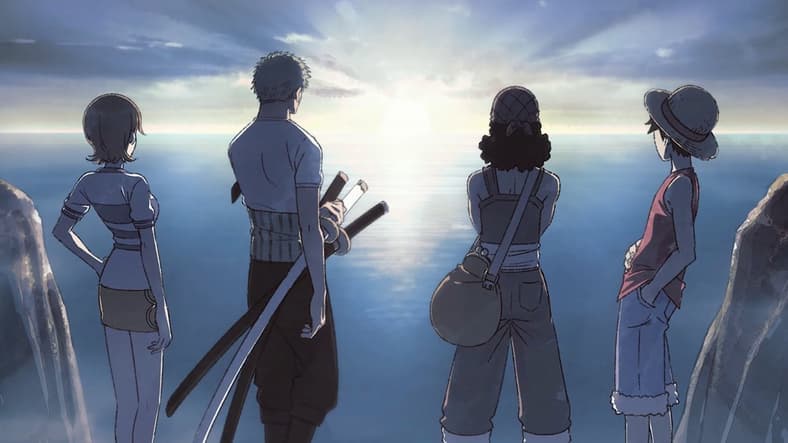
The released concept art reveals a vibrant, watercolor-inspired palette that distinguishes itself from the bold, saturated colors of the Toei series, aiming for a look that feels both nostalgic and technologically superior.
Official Responses: Addressing the "Trailer Anxiety"
Despite the pedigree of the staff, a segment of the fanbase has expressed concern over the lack of a full-motion trailer. With a 2027 release date, the project is still nearly two years away, yet the appetite for footage is high.
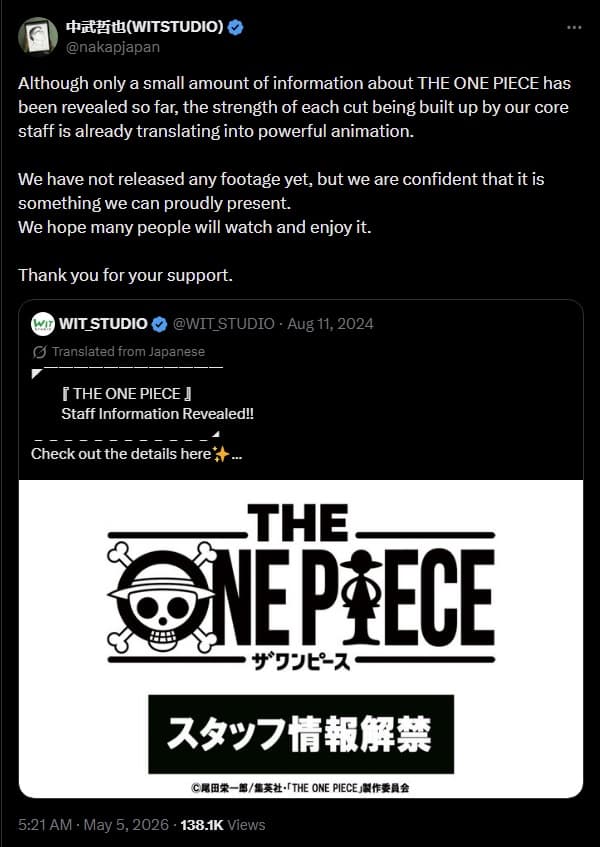
In response, Wit Studio Co-Founder Tetsuya Nakatake issued a statement via social media to reassure the global audience. "Although only a small amount of information about The One Piece has been revealed so far, the effort our core team has poured into polishing every single scene has already transformed into incredibly powerful animation quality," Nakatake stated.
He further emphasized that the studio is prioritizing the "polishing" phase, suggesting that they are unwilling to release a "crunch-heavy" or unfinished trailer simply to sate social media trends. "We’re confident this is a work we can proudly present to everyone. We hope you’ll look forward to it," he added. This transparency is seen by industry analysts as a move to distance the project from "production hell" rumors that often plague long-term anime projects.
Implications: A Triple-Threat Strategy for a Global IP
The existence of The One Piece reboot carries profound implications for the anime industry and the future of the franchise.
1. Solving the "Pacing" Problem
The original Toei anime, while beloved, is often criticized for its pacing. Because it aired weekly for 25 years, it frequently slowed its narrative to avoid overtaking the manga. This resulted in "stretched" scenes and filler content. The Wit Studio reboot, freed from the constraints of a weekly broadcast schedule, can adapt the manga with a "seasonal" rhythm, ensuring every episode is densely packed with story and high-budget animation.
2. The "Netflix Effect" and Accessibility
With over 1,100 episodes, the original One Piece anime is a daunting mountain for new viewers. By providing a streamlined, 7-episode entry point with modern visuals, Netflix is creating a "gateway" for casual viewers who might have been intimidated by the 1999 art style or the sheer volume of content. This mirrors the strategy used with the live-action series, which successfully converted millions of non-anime fans into followers of the brand.
3. A Multi-Format Ecosystem
The "One Piece" brand is now operating on three distinct tiers:
- The Manga: The definitive, ongoing source material.
- The Toei Anime: The historical record and the home of the "current" story.
- The Wit Reboot/Live-Action: The modern, high-fidelity entry points for the global streaming audience.
This "triple-threat" approach ensures that One Piece remains relevant across all demographics—from the hardcore "Otaku" who tracks every chapter to the casual Netflix subscriber looking for a high-quality weekend binge.
4. Setting a Precedent for Reboots
If The One Piece succeeds in 2027, it may signal a new trend in the industry where long-running "legacy" shonen series (such as Naruto or Bleach) receive high-budget, seasonal reboots from different studios while the original series are still fresh in public memory.
Conclusion
As February 2027 approaches, the pressure on Wit Studio will only intensify. To recreate the magic of Luffy’s first steps into the ocean—the meeting with Shanks, the recruitment of Zoro, and the fateful encounter at Baratie—requires more than just technical skill; it requires an understanding of the soul of Oda’s work.
While the wait remains long, the combination of a 300-minute "East Blue" focus and the creative leadership of Masashi Koizuka suggests that The One Piece will not merely be a retelling, but a definitive cinematic tribute to the dawn of the Great Pirate Era. For the Straw Hat Pirates, the horizon has never looked clearer.










No comments yet. Be the first to join the conversation!