Suro Senen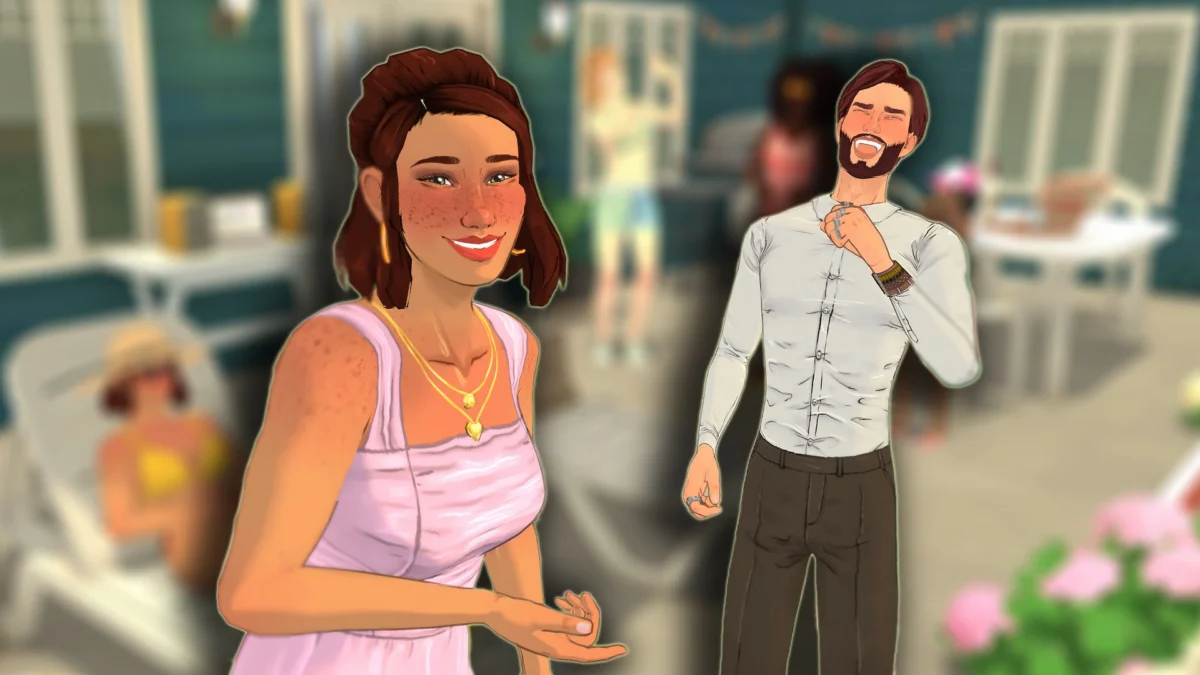
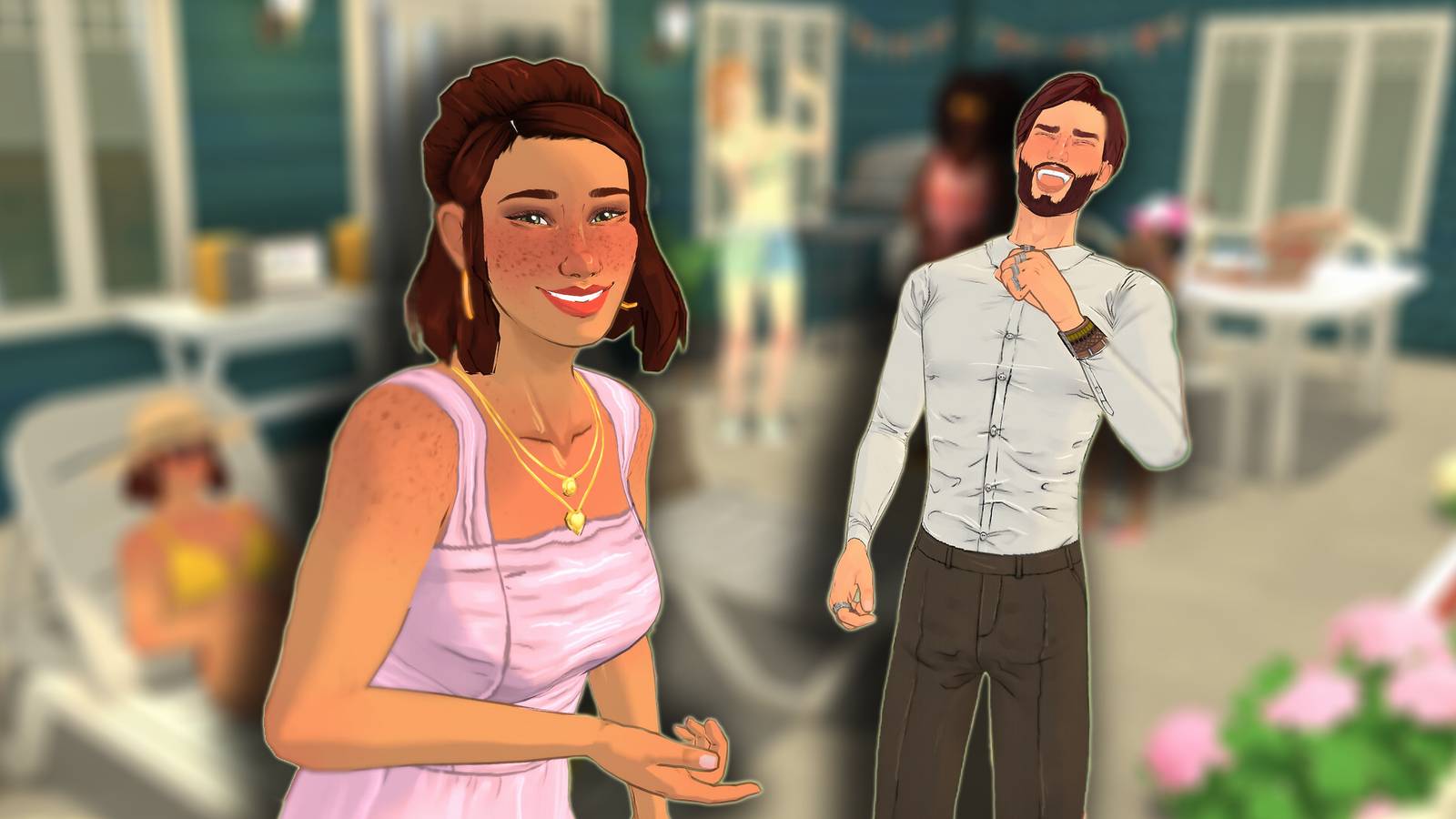
The landscape of life-simulation gaming has long been dominated by a singular, monolithic entity. However, the release of Paralives on May 25, 2026, has proven that there is a massive, underserved appetite for competition. With a lean team of only 15 developers, Paralives Studio has achieved a monumental launch, signaling a paradigm shift in how indie developers can challenge industry titans. Perhaps most importantly, the studio has announced a player-first commitment that is already sending ripples through the gaming community: all future content for Paralives will be released as free updates, effectively rejecting the industry-standard model of paid downloadable content (DLC).
The Rise of an Independent Powerhouse
The journey of Paralives began seven years ago as a passion project, born from a desire to address the frustrations felt by long-term fans of the genre. Founded by Alex Massé, the studio operated with a small but dedicated team, navigating the complex waters of independent game development while maintaining high levels of transparency with their growing audience.
Following its launch into Early Access, the game experienced immediate commercial success. This financial windfall has done more than just secure the studio’s future; it has provided the team with the rare creative autonomy to build the game they truly want to play. By removing the financial pressure to churn out paid expansion packs to stay afloat, Massé and his team have pledged that the Paralives experience will remain cohesive and accessible, ensuring that no player is locked out of gameplay features behind a paywall.
A Chronology of Development: From Concept to Launch
The road to the May 2026 launch was marked by steady, calculated growth. After years of trailers, dev logs, and community feedback sessions, the team moved into the final stages of production with a clear focus on the "core" life-sim experience.
- 2019–2021: The Formative Years: The early development phase focused on establishing the art style and the robust building tools that would eventually become the game’s signature feature. During this time, the team cultivated a massive social media presence, using feedback to iterate on character design and environmental assets.
- 2022–2024: Refining the Systems: The team expanded its focus to include gameplay mechanics, such as AI behavior, career paths, and the social simulation systems that are vital to the genre.
- 2025: The Final Sprint: As the release window approached, the team transitioned to a high-intensity development cycle, focusing on polish and performance.
- May 25, 2026: Early Access Launch: The game officially arrived on Steam, surpassing initial sales expectations and validating the studio’s long-term strategy.
Analyzing the "Free Update" Model
In an era where "Games as a Service" (GaaS) often relies on aggressive monetization, the decision by Paralives Studio to opt for free updates is a bold disruption. During a recent Reddit Q&A, members of the development team—ranging from designers to audio composers—addressed the financial stability provided by the game’s strong launch.
"There will never be paid DLCs, only free updates," the team confirmed. "Even after the Early Access period, we want to provide a complete experience. As life-sim fans ourselves, we wanted to create a game we would want to play—one that doesn’t require purchasing dozens of extra content packs to feel like a ‘full’ game."

This approach addresses a common grievance among simulation fans: the feeling of being "nickel-and-dimed" for basic gameplay additions. By committing to free content, the developers are betting on player retention and long-term community goodwill to sustain the game’s lifespan, rather than immediate, short-term revenue spikes from expansions.
Technical Hurdles and Community Collaboration
Despite the positive reception, the developers are keenly aware that Paralives remains a work in progress. Early Access, by definition, is a time for iteration, and the team is currently prioritizing stability.
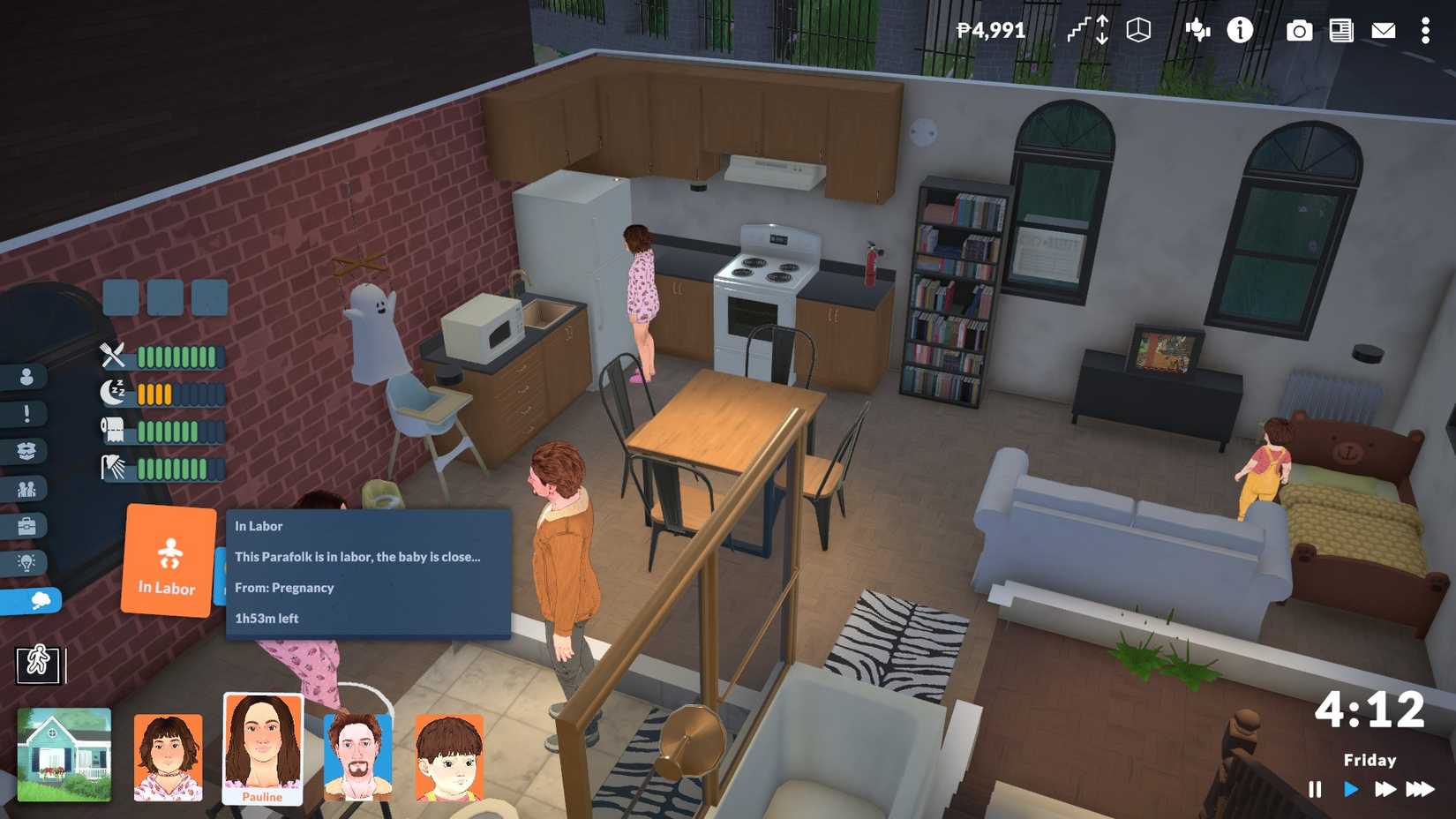
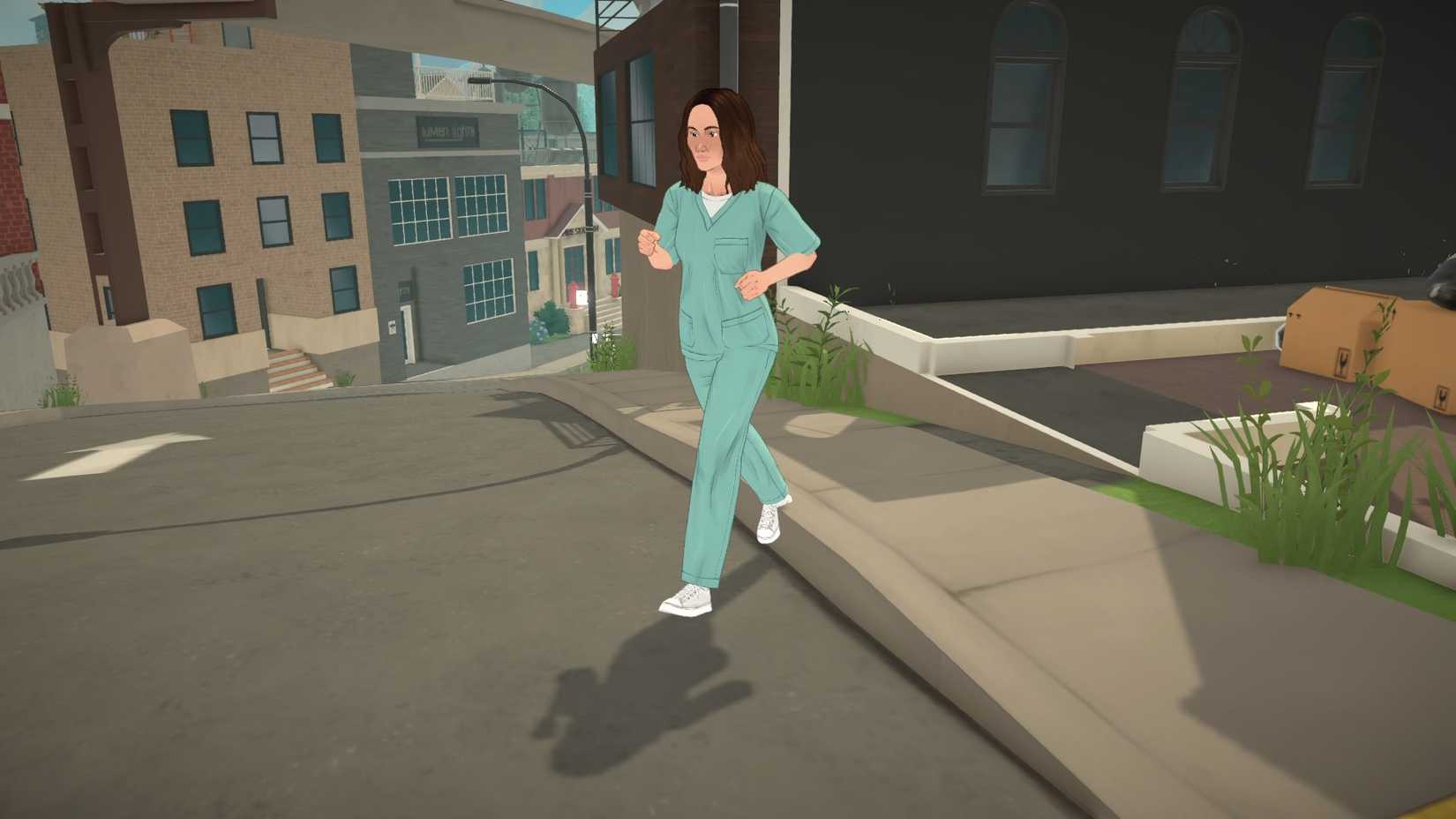
One of the most vocal pieces of feedback from the player base involves NPC (Non-Player Character) autonomy. Early adopters noted that, in the current build, characters often resort to repetitive actions—most notably, spending an excessive amount of time on their phones when not engaged in specific tasks.
Addressing the Autonomy Gap
The developers have been transparent about this issue, explaining that the phone-based interactions were initially implemented as a "safe" default action for characters when no other stimuli were available. In the Q&A, the team promised a significant overhaul:
"Autonomy is a core feature that needs more love and balancing. We are working on adding more diverse autonomous actions. As we add more interactions with items and other characters throughout the Early Access period, the NPCs will become more dynamic and lifelike, moving away from repetitive behaviors."
The Roadmap for Future Content
The development schedule for the coming months is aggressive yet focused. The immediate priority is the eradication of critical bugs and performance bottlenecks. Once the foundation is deemed stable, the team plans to pivot toward content expansion. While a specific, day-by-day roadmap is subject to change, the planned additions include:
- Expanded Career Paths: Increasing the variety and depth of professional lives for "Paras."
- Social Dynamics: Deeper relationship systems and more complex interpersonal interactions.
- Environmental Variety: More decorative assets and architectural tools, building on the already highly praised build mode.
- Quality of Life (QoL): Refining UI and navigation to make the gameplay loop smoother for both casual and power users.
Implications for the Life-Simulation Genre
The success of Paralives is likely to have significant implications for the broader gaming industry. For years, the lack of a viable competitor in the life-sim space allowed the market to stagnate. With Paralives proving that a small, independent studio can deliver a high-quality product, it creates a new "gold standard" for what players expect.
Competition and Consumer Expectation
When a game offers a feature-rich, evolving experience for a single upfront cost, it inevitably puts pressure on larger studios to justify their own complex monetization models. If Paralives can maintain its momentum and deliver consistent, high-quality free updates, it could force a shift in consumer expectations. Players may begin to view paid DLC as an outdated, less consumer-friendly model, particularly for titles that rely on deep, systemic gameplay.
The Power of the Small Studio
Paralives stands as a testament to the power of a focused, 15-person team. By avoiding the bloated bureaucracy of major publishers, the studio has maintained a direct line of communication with its audience. The "tsunami" of suggestions from the community—including creative requests like the addition of specific food items—has become part of the development cycle. This level of intimacy between creators and players fosters a sense of ownership, turning the game into a collaborative project rather than a static product.
Looking Ahead: A Passion Project Realized
As Alex Massé reflected on the launch, he admitted that the seven-year journey was fraught with difficult decisions. "At first, I was too ambitious with the scope," he noted. "We had to cut things, but I’m incredibly proud of what we were able to include for this first release."
The emotional weight of the launch is palpable. For Massé and his team, Paralives is not merely a piece of software; it is a manifestation of years of labor, community feedback, and a shared vision for what a life-simulation game should be.
As the team moves into the next phase of development, the spotlight will remain on their ability to deliver on these promises. The commitment to free updates is a massive undertaking, requiring sustained development effort and long-term financial planning. However, with the initial sales providing a stable runway for the next few years, the team is in a position to prove that a sustainable, player-focused model is not only possible but potentially more rewarding than the traditional, DLC-heavy alternative.

For the gaming industry, the message is clear: the players are ready for a new way to play, and they are willing to support the studios that respect their investment. As Paralives continues to evolve, it will likely serve as the primary case study for how independent studios can thrive by putting the community at the heart of their development philosophy.


 Lina Irawan
 Sagoh
Sagoh