Basiran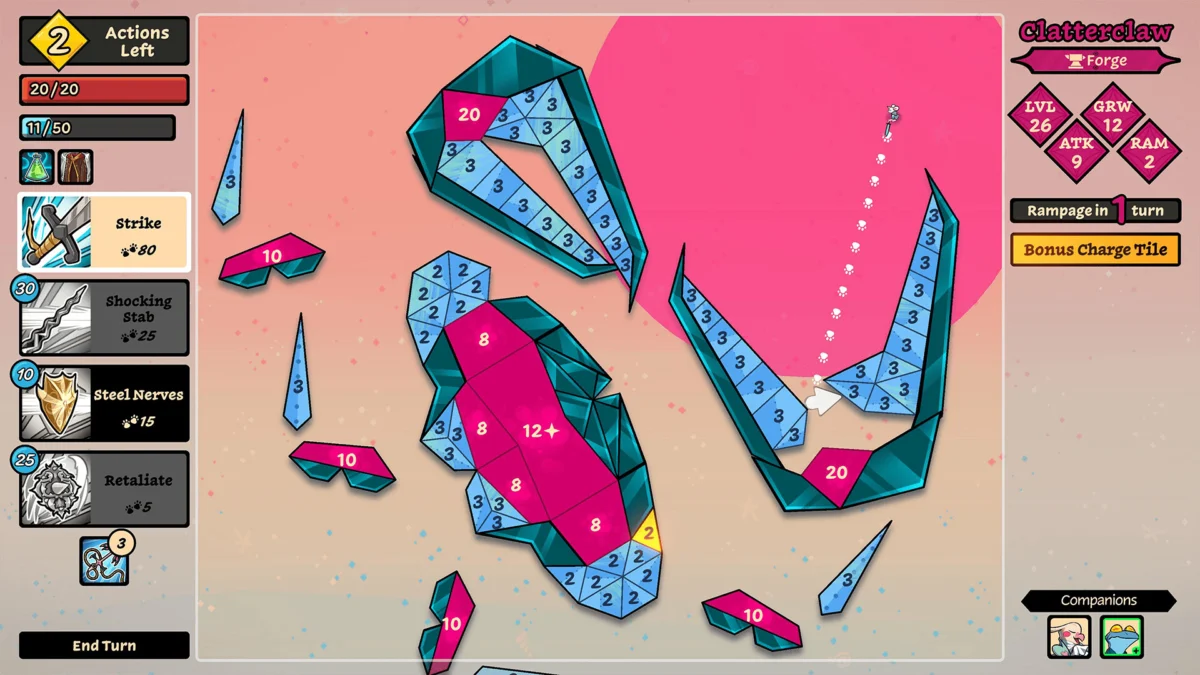
In the vast, often crowded landscape of independent turn-based RPGs, it is rare to encounter a title that fundamentally alters the player’s perception of "combat." Most entries in the genre rely on traditional menus, cooldowns, and static character portraits. Beast Breaker, however, defies these conventions by merging the cerebral pacing of a tactical RPG with the kinetic, high-octane satisfaction of a pinball machine. Developed as a unique experiment in momentum and strategy, the game invites players to step into the boots—or rather, the paws—of a tiny mouse hero tasked with dismantling gargantuan threats one piece at a time.
The Core Concept: Tactical Pinball
At its heart, Beast Breaker is a game about precision, physics, and patience. The narrative follows a humble protagonist living a quiet life in their grandmother’s home, only to be thrust into the role of a village savior when colossal monsters begin terrorizing their homeland.
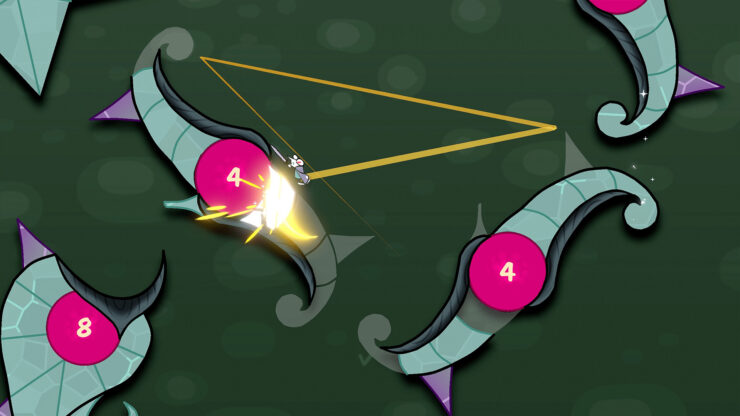
What makes Beast Breaker stand out is its central gameplay loop. Rather than selecting an "attack" command from a list, the player flings their character toward the massive beasts. The combat arena acts as a physics playground where the hero ricochets off various surfaces, striking specific components of the monster to whittle away their defenses. It is a refreshing departure for players who typically shy away from high-stress action games, offering a thoughtful, methodical approach to combat that feels like solving a complex spatial puzzle in real-time.
The Mechanics of Destruction: A Strategic Breakdown
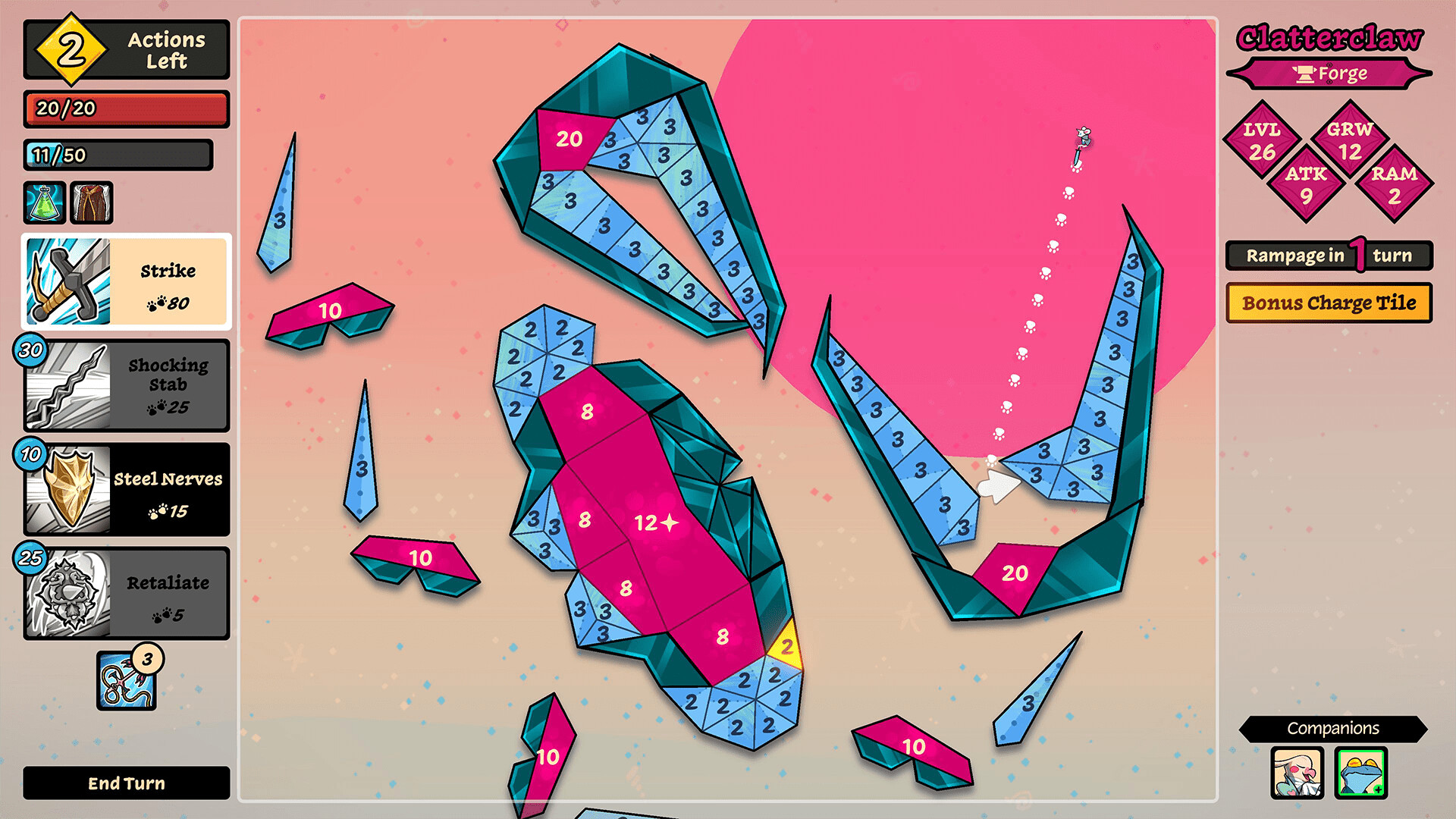
The monsters in Beast Breaker are not singular entities; they are intricate, modular constructions. Combat revolves around identifying weak points, which are highlighted in red and marked with numerical values. To destroy a specific limb or armor plate, the player must strike it the indicated number of times.
However, the game is far from a simple "hit the red target" exercise. The battlefield is littered with obstacles:
- Shields: These pieces offer no damage potential and are merely hurdles meant to deflect your trajectory.
- Black Parts: These indestructible, permanent features of the monster force players to navigate around them, effectively changing the geometry of every encounter.
- The Three-Turn Limit: Players are granted only three maneuvers before the monster retaliates. This introduces a significant layer of resource management. If a player spends their moves haphazardly stripping away shields, they leave themselves vulnerable when the monster’s turn arrives.
The stakes are raised further by the "red zone" mechanic. If a player finishes their turn within a designated danger area on the monster’s body, they invite direct retaliation. This creates a high-tension rhythm: do you go for the greedy, high-damage play that risks leaving you in the crosshairs, or do you play it safe to ensure your survival for the next round?
Chronology of Development and Discovery
The journey of Beast Breaker from a niche concept to a fully realized Steam release is a testament to the power of indie game showcases. The project gained significant traction during its appearances at industry events like Dreamhack. It was here that the title truly found its footing, as players were captivated by the contrast between the game’s humble, charming art style and its surprisingly deep, challenging combat loop.
During these early demonstrations, the developer sought to refine the "feel" of the movement. Achieving that satisfying "ping" of a successful ricochet—the tactile feedback that makes a game feel fair rather than frustrating—was a primary focus. Over the course of its development cycle, the game evolved from a simple physics simulation into a robust RPG, adding an inventory of varied weapons that fundamentally alter the player’s dash mechanics and movement options.
Supporting Data: Why the "Pinball" Genre Resonates
While Beast Breaker is categorized as an RPG, its success highlights a growing trend in the indie sector: the "genre-mash." By taking the tactical requirements of an RPG (turn limits, enemy patterns, gear selection) and applying the physics-based mechanics of a skill-based arcade game, the developers have successfully bypassed the "action fatigue" that plagues many modern players.
Data from the indie scene suggests that players are increasingly looking for "medium-intensity" games. These are titles that require high levels of mental engagement and strategy but do not demand the twitch-reflex speed of competitive shooters or soulslike titles. Beast Breaker hits this demographic perfectly, offering a "slow-burn" intensity where the player has time to calculate their shot, yet feels the adrenaline of the physics simulation once the mouse is launched.
The Role of Equipment in Player Agency
One of the most profound aspects of Beast Breaker is how it handles player progression. The inclusion of unlockable weapons prevents the gameplay from becoming stale. As players progress, they aren’t just getting "stronger" in terms of raw statistics; they are gaining new ways to manipulate the environment.
For instance, certain weapons allow the hero to dash directly through monster parts rather than bouncing off them. This single change in mechanic can completely rewrite how a player approaches a boss fight. Where one player might focus on a high-bounce, indirect strategy, another might use a dash-heavy loadout to aggressively carve through the monster’s center. This modular approach to character building ensures that the game’s "puzzle" elements have multiple solutions, encouraging experimentation and replayability.
Official Perspectives and Philosophy
The design philosophy behind Beast Breaker is one of accessibility without compromise. The developers have emphasized that the goal was to create a game that felt "unique and fun" to master. By focusing on the visual cues of the monsters—the red highlights, the number counts—the developers successfully gamified the process of "breaking" something down.
In industry circles, Beast Breaker has been praised for its clarity. In an era where UI clutter is rampant, this game keeps the focus entirely on the monster and the hero. The decision to keep the story humble—a mouse helping their village—grounds the high-concept, physics-heavy gameplay in a narrative that is relatable and easy to follow, preventing the player from feeling overwhelmed by lore while they are trying to focus on their next ricochet.
Implications for the Indie RPG Genre
The success of Beast Breaker has wider implications for the future of independent game design. It demonstrates that the "turn-based" label is not a cage, but a foundation. By injecting physics into a turn-based framework, the developers have paved a path for other designers to explore non-traditional combat systems.
Furthermore, the game highlights the importance of "game feel" in turn-based titles. Often, turn-based games are criticized for feeling static or "dry." By introducing movement, momentum, and impact-based audio-visual feedback, Beast Breaker bridges the gap between the brainy, menu-driven RPG and the visceral, satisfying arcade game.
Conclusion: A Must-Play for Tactical Thinkers
Beast Breaker is an exceptional example of how creative limitations can lead to innovation. It is a game that respects the player’s intelligence, rewarding them for planning their shots, managing their limited moves, and choosing the right equipment for the task at hand.
For those who enjoy the tactical satisfaction of an RPG but long for something more kinetic and visually rewarding than a spreadsheet of damage numbers, Beast Breaker offers a compelling, delightful, and highly replayable experience. It is a testament to the ingenuity of the indie scene and a shining example of how a simple premise—a mouse, a monster, and a physics engine—can be elevated into a masterpiece of design.
Whether you are a fan of tactical strategy or someone who just enjoys the catharsis of breaking things, Beast Breaker is available now on Steam, ready to challenge your aim and your strategic foresight. It is a rare gem that manages to be both cozy in its presentation and fiercely competitive in its execution, proving that sometimes, the best way to save a village is to be the ball.


 Asro
Asro
 Nana Wu