In the landscape of modern comic books, few creative pairings carry the weight of expectation quite like the team behind Terminal. With Robert Kirkman—the architect of the Invincible and The Walking Dead universes—joining forces with co-writer Joe Casey and legendary illustrator Andy Kubert, the book arrives with the pedigree of a blockbuster event. Published under the Skybound banner, Terminal #1 is not merely another entry into the crowded superhero genre; it is a calculated, visceral, and intentionally mysterious expansion of what a “team book” can look like in the modern era.
Main Facts: A Genre-Bending Debut
Terminal #1, released in July 2026, serves as the inaugural chapter of a sprawling, high-stakes narrative that eschews traditional origin story tropes. Rather than overwhelming the reader with pages of dense exposition, the creative team opts for a “show, don’t tell” philosophy. The story follows a young woman’s desperate search for her missing sister, a quest that quickly plunges her into a shadow world of cosmic-tier abilities, clandestine military operations, and a binary conflict of good versus evil that feels suspiciously fragile.
The series is defined by its refusal to hold the reader’s hand. By prioritizing mystery, Kirkman and Casey have created a narrative structure that demands engagement. The issue functions less like a standard superhero comic and more like a high-octane thriller, where the “superpowers” are merely one facet of a much deeper, more disturbing reality.
A Chronology of Discovery
The structure of the first issue is a masterclass in tension-building. The narrative opens with an intimate, character-driven focus—the sister’s search—before rapidly expanding into a global (and perhaps galactic) scale.
- The Hook: The story begins with a personal, grounded mystery: a young woman hunting for her sibling.
- The Revelation: Through brief, kinetic fight sequences and tactical cutaways, the reader learns that the sister has been exposed to—or perhaps "unlocked"—a set of cosmic powers.
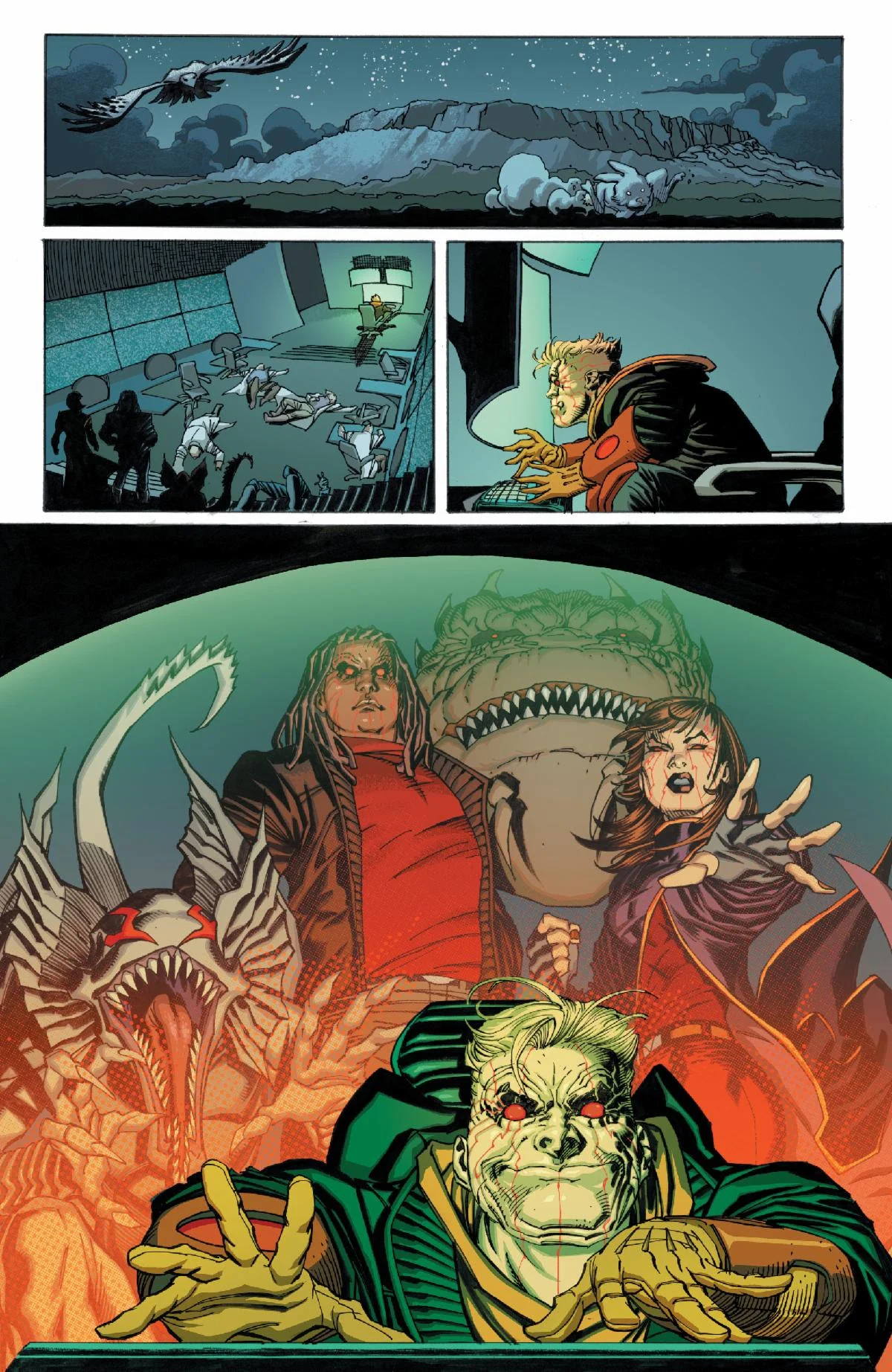
- The Escalation: The pacing shifts as the narrative cuts to black-ops military raids, suggesting a world where these abilities are treated as assets to be weaponized or contained.
- The Shift: In true Kirkman fashion, the issue concludes by pulling the rug out from under the reader, revealing that the established hierarchy of the world is far more precarious than it initially appeared.
This pacing mimics the feeling of entering a world like that of The Matrix, where the protagonist (and by extension, the reader) discovers that the “real world” is merely a veil for something far more complex and dangerous.
Supporting Data: The Creative Engine
The strength of Terminal lies in its visual and thematic architecture. The artistic team, led by Andy Kubert and colorist Dave McCaig, provides a grounding element that prevents the cosmic stakes from feeling weightless.
The Art of Brutality
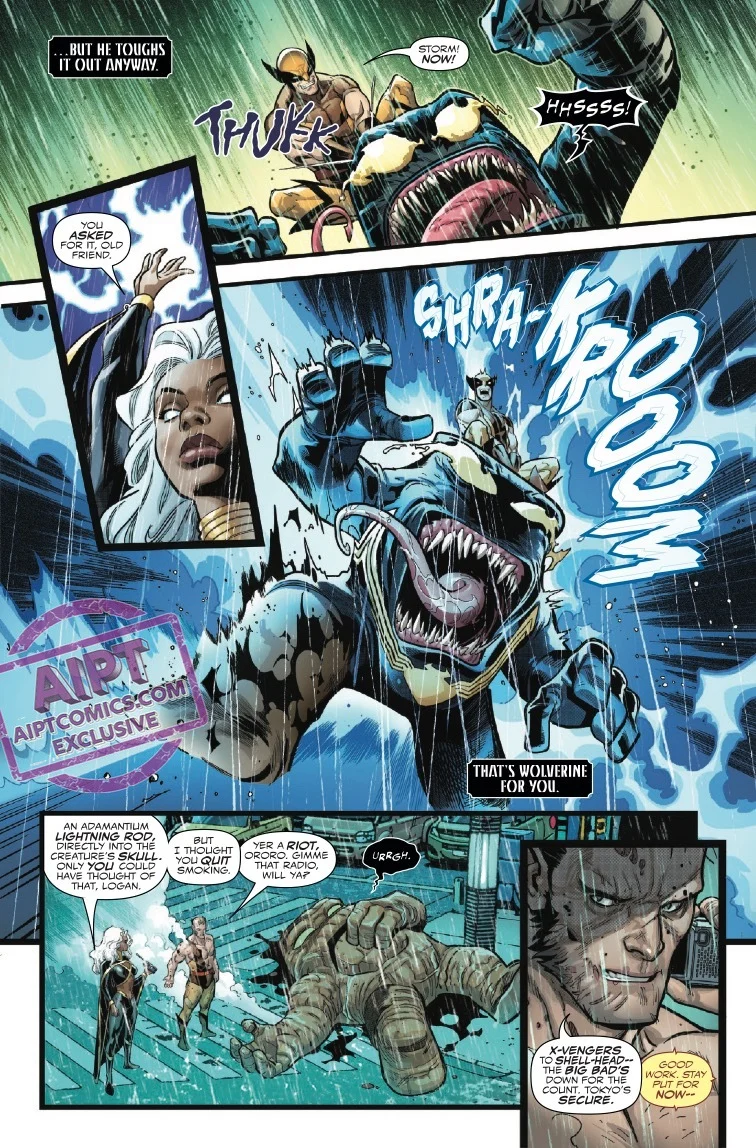
Andy Kubert’s work on Terminal is arguably some of the most dynamic of his career. He employs a cinematic visual language that emphasizes impact and consequence. One particular sequence—a villainous confrontation resulting in a decapitation—serves as a tonal benchmark for the series. Kubert manages to balance the grandeur of superhero spectacle with the grit of horror. When characters utilize super strength or energy projection, the physics feel heavy and the aftermath is often gruesome, with McCaig’s color palette favoring realistic tones over the high-saturation neon often found in modern cape comics.
Genetic vs. Cosmic Mythology
From a thematic standpoint, Terminal is an explicit nod to the X-Men legacy, yet it subverts the “mutant” trope. While the series introduces a genetic component to the manifestation of powers, there is a strong suggestion that these abilities may actually be rooted in a cosmic, extraterrestrial origin. This ambiguity serves the story well; it keeps the reader guessing whether the “genetic” explanation is merely a cover story for a more alien truth. The presence of a secret compound, where those who have “unlocked” their powers reside, is a direct thematic parallel to the Xavier Institute, yet it is presented with the cynical, corporate, and violent edge unique to the Skybound aesthetic.
Official Responses and Creative Vision
Robert Kirkman and Joe Casey have remained tight-lipped regarding the long-term roadmap for the series, a decision that aligns with the book’s “mystery-first” marketing strategy. However, the collaborative energy is evident. By blending the character-centric focus of Kirkman’s previous work with the high-concept, subversive tendencies of Casey, Terminal feels like a reaction to the stagnation of the legacy superhero market.

In early promotional statements, the team emphasized that Terminal was designed to be a “truly violent” exploration of what it means to be a hero when the institutions behind those heroes are fundamentally compromised. They are asking the audience to trust the process, even when the series intentionally withholds the identity of a central, relatable protagonist for the first act.
Implications for the Industry
The release of Terminal has significant implications for the comic book industry in 2026.
The Shift Toward “Mystery-Box” Storytelling
The success of Terminal hinges on the industry’s current appetite for "mystery-box" storytelling. By refusing to provide immediate answers, the creators are betting that the modern reader is sophisticated enough to endure a lack of closure in the short term for the sake of a greater payoff later. If this model proves successful, we may see a decline in the “decompressed” storytelling of the 2010s in favor of this dense, multi-layered mystery approach.
The "Skybound" Brand
Skybound continues to cement its reputation as the premier publisher for creator-owned superhero fiction. By positioning Terminal as a “must-read,” the publisher is effectively creating a new intellectual property that feels like a viable, darker alternative to the Big Two (Marvel and DC). The implication is clear: readers are increasingly loyal to creative teams rather than legacy characters.
Critical Assessment and Future Outlook
As a debut, Terminal #1 is a resounding success, though it is not without its hurdles.
Strengths:
- World-Building: The book builds a compelling, interconnected universe that feels lived-in and dangerous from the first page.
- Visual Consistency: The marriage of Kubert’s pencils and McCaig’s colors creates a visual identity that is both grounded and epic.
- Narrative Courage: It takes significant confidence to launch a series without a clear, singular protagonist.
Challenges:
- Character Accessibility: The lack of a central anchor point may frustrate readers who prefer a more traditional character-focused journey.
- Opaque Mythology: The intentional withholding of information is a double-edged sword. If the payoff does not arrive in the subsequent issues, the mystery may begin to feel like a stalling tactic.
Ultimately, Terminal is a series that demands patience. It is a blockbuster in the truest sense of the word, functioning as a high-stakes, high-quality production that refuses to compromise on its vision. For fans of the X-Men who have grown weary of the status quo, or for those who simply crave a superhero story with actual teeth, Terminal is a vital addition to the shelf. The pieces are on the board, the board is set on fire, and the reader is invited to watch how the fire spreads. It is, quite simply, one of the most intriguing comic book debuts in recent memory.