

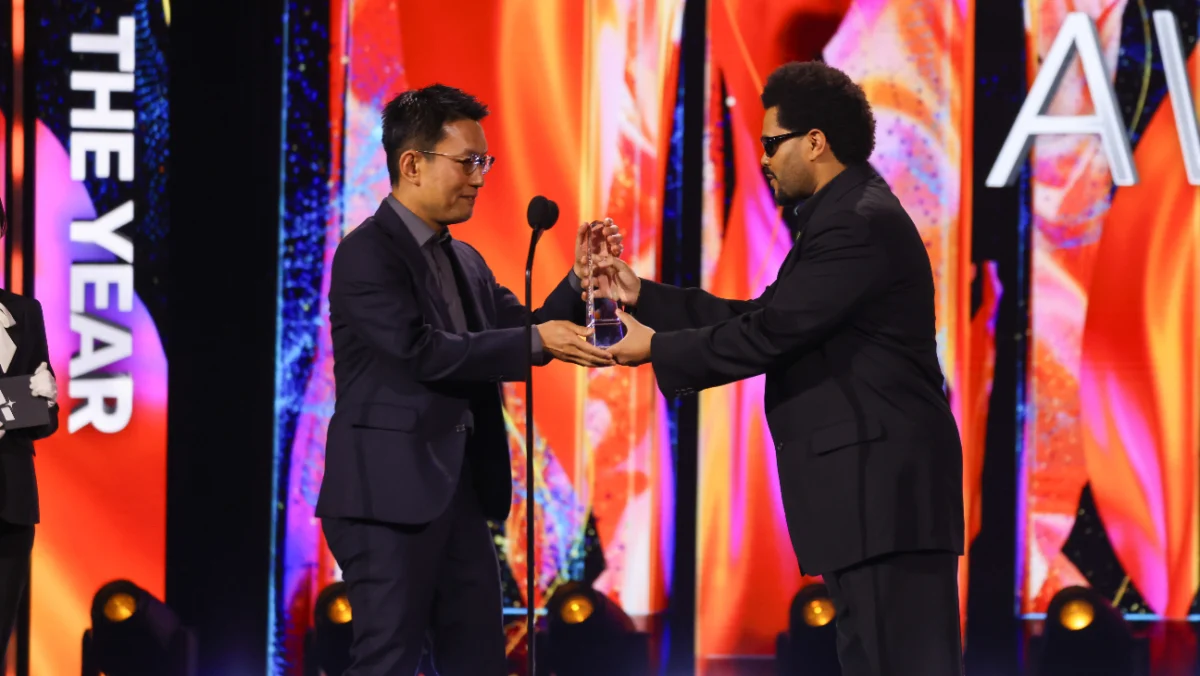
The world’s eyes turned to Tokyo this past Saturday night as the 10th annual Crunchyroll Anime Awards unfolded, serving as a powerful testament to the medium’s transition from a niche subculture to a dominant global entertainment force. Held in the heart of Japan, the event was more than a ceremony; it was a grand celebration of storytelling, artistry, and the staggering community engagement that has come to define the modern anime landscape.
The headline of the evening was the crowning of My Hero Academia (Final Season) as the Anime of the Year, while the record-shattering Demon Slayer: Kimetsu no Yaiba – Infinity Castle cemented its status as a titan of the medium by taking home the Film of the Year award. With a massive international audience tuning in, the event showcased the convergence of traditional Japanese animation expertise and an ever-expanding worldwide fan base.
A Global Milestone in Audience Engagement
The 2026 edition of the Crunchyroll Anime Awards set a new benchmark for fan involvement. Organizers announced that an astonishing 73 million votes were cast by fans from every corner of the globe. This figure represents a staggering leap from the 51 million votes recorded in 2025, highlighting an exponential growth curve that industry analysts say is indicative of anime’s sustained cultural infiltration into mainstream markets.
This surge in voter participation is not merely a number; it is a signal of the decentralized yet hyper-connected nature of the current anime fandom. From bustling metropolitan centers in North America to emerging viewer demographics in South Asia and Latin America, the "Anime of the Year" race has become a global democratic process that rivals the engagement levels of major film and music industry award shows.
Chronology of a Star-Studded Night
The evening began with the traditional "orange carpet" arrivals, which served as a reminder of anime’s cross-pollination with other creative industries. Hollywood stars, international musical icons, and renowned Japanese actors shared the stage, underscoring the medium’s broad appeal.
Among the notable guests were the legendary RZA of the Wu-Tang Clan, Black Panther actor Winston Duke, and Grammy-nominated rapper Young Miko. The musical world was further represented by K-pop powerhouses BamBam and TEN, while the Indian film industry sent star Rashmika Mandanna to represent the growing footprint of anime in the Subcontinent.
The ceremony was hosted by a trio of charismatic presenters—Lauren Moore, Tim Lyu, and prominent YouTube creator Gigguk—whose combined energy kept the flow of the evening dynamic and accessible. The peak moment of the night arrived when international superstar The Weeknd, a vocal and longtime proponent of the genre, took the stage to present the coveted Anime of the Year award to the team behind My Hero Academia.

Throughout the night, the ceremony balanced emotional tributes to the late creators and voice actors who have shaped the industry with high-octane previews of upcoming seasons and film projects. The atmosphere in Tokyo was electric, reflecting the culmination of a decade of growth since the inaugural Crunchyroll Awards.
The Dominance of Franchise Titans
While My Hero Academia walked away with the top prize—winning four awards in total, including Best Ending Sequence and Best Supporting Character for Katsuki Bakugo—the sheer technical prowess of Demon Slayer: Kimetsu no Yaiba – Infinity Castle was impossible to ignore.
The film, which has already shattered box office records with a staggering $781 million global haul, dominated the technical and performance categories. In addition to winning Film of the Year, the production secured the Best Score award, honoring the evocative work of composers Yuki Kajiura and Go Shiina. Furthermore, Demon Slayer demonstrated its linguistic reach by sweeping five of the individual Voice Artist Performance categories across different global regions, from English to German and Brazilian Portuguese.
However, the evening was not reserved solely for established sequels. The Toho Animation/OLM production The Apothecary Diaries (Season 2) emerged as a critical darling. Securing four awards, the series was recognized for Best Drama, Best Director, and the prestigious Best Main Character accolade for the series’ sharp-witted protagonist, Maomao.
Supporting Data and Creative Excellence
The 2026 Awards also shone a light on the next generation of animation masterpieces. Gachiakuta, Bones Film’s adaptation of the manga by Kei Urana, secured three major awards, including Best New Series, Best Background Art, and Best Character Design. Industry observers pointed to the success of Gachiakuta as evidence that the audience is increasingly hungry for original, high-concept dystopian storytelling.
The returning champion from the 2025 awards, A-1 Pictures’ Solo Leveling, continued to prove its staying power. The series secured two key awards for its second season, winning Best Action and Best Animation, categories that emphasize the rigorous technical standard required to keep fans engaged in a hyper-competitive market.
Complete 2026 Winner Highlights:
- Anime of the Year: My Hero Academia (Final Season)
- Film of the Year: Demon Slayer: Kimetsu no Yaiba – Infinity Castle
- Best New Series: Gachiakuta
- Best Continuing Series: One Piece
- Best Original Anime: Lazarus
- Best Action: Solo Leveling (Season 2)
- Best Comedy: DAN DA DAN (Season 2)
- Best Drama: The Apothecary Diaries (Season 2)
Official Responses and Industry Sentiment
Representatives from the winning studios expressed a mix of humility and ambition during the press junkets following the ceremony. Producers from Bones Film noted that the final season of My Hero Academia was a "labor of love," emphasizing that the global vote total of 73 million is the "ultimate feedback loop" that justifies the long hours and high-stakes production schedules typical of modern anime.

Crunchyroll officials, speaking on the record, attributed the growth of the awards to a "holistic approach to localization." By providing dedicated awards for voice performances in languages ranging from Arabic to Hindi and Italian, the organization has effectively localized the global anime experience. This strategy has allowed the platform to foster deep emotional connections between audiences in non-traditional markets and the Japanese source material.
Implications for the Future of Global Entertainment
The 2026 Crunchyroll Anime Awards have profound implications for the future of the entertainment industry. First, the success of the ceremony confirms that anime is no longer a peripheral genre; it is a primary driver of cultural conversation. The participation of global celebrities like The Weeknd and RZA indicates that anime is now a foundational pillar of pop culture, influencing fashion, music, and mainstream cinema.
Second, the technical categories—such as Best Background Art and Best Score—reveal a maturing audience. Fans are no longer just tuning in for the "hype" of battle sequences; they are evaluating the aesthetic, musical, and narrative nuances of the works with a level of critical sophistication previously reserved for high-end prestige television.
Third, the economic impact of the winners is undeniable. With Demon Slayer acting as a $781 million engine, studios are increasingly likely to invest in high-budget feature-length productions, potentially shifting the industry balance further toward the big screen.
Finally, the success of titles like Gachiakuta and The Apothecary Diaries suggests a diversified future. While franchises like One Piece and My Hero Academia maintain their dominance, there is a clear, growing appetite for diverse sub-genres—including romance, slice-of-life, and hard-boiled drama—ensuring that the anime industry remains resilient and adaptable in the years to come.
As the lights dimmed in Tokyo and the 10th anniversary celebration concluded, one thing remained clear: the world of anime has transcended its regional roots to become a truly global language. With 73 million voices having had their say, the industry now looks toward 2027, where the bar has been set higher than ever before.











No comments yet. Be the first to join the conversation!