

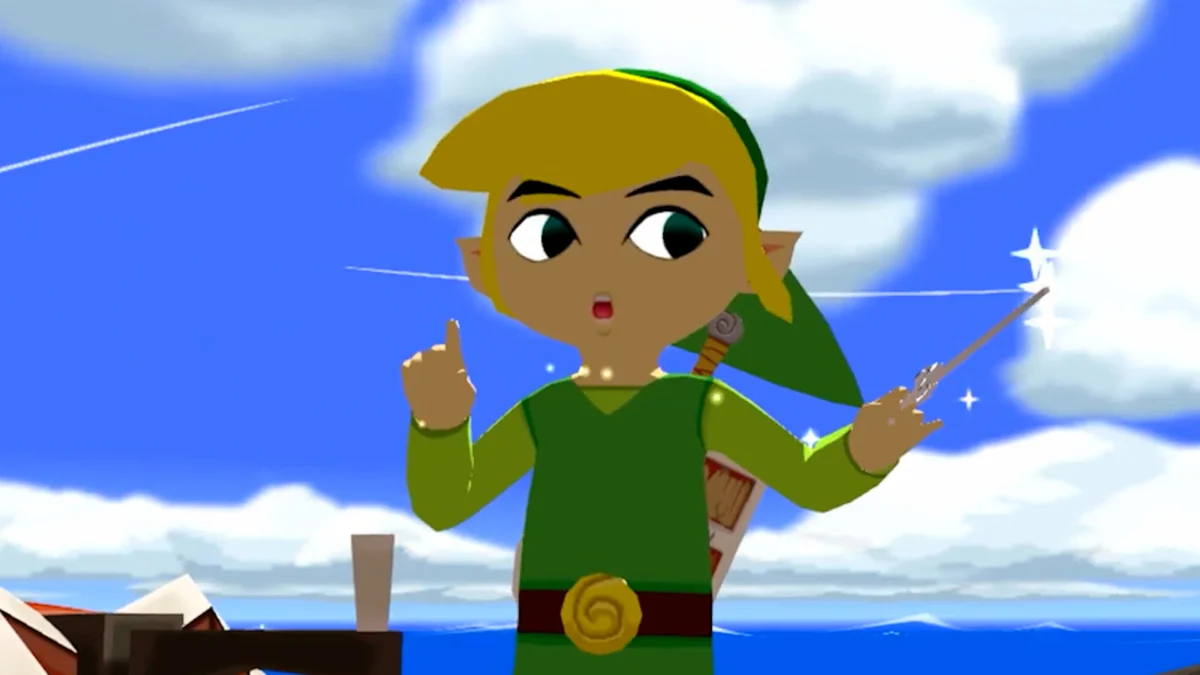
In the pantheon of the The Legend of Zelda franchise, few titles carry as much historical weight or cultural baggage as The Legend of Zelda: The Wind Waker. Released for the Nintendo GameCube in 2002 in Japan and 2003 internationally, the title remains a singular vision of artistic expression—a vibrant, cel-shaded odyssey across a submerged Hyrule. Yet, for all its current status as a beloved masterpiece, its legacy is tethered to a confession of professional regret from series producer Eiji Aonuma.
For years, rumors persisted that the game’s second half felt rushed, culminating in the notorious "Triforce Shard" scavenger hunt—a segment many fans felt was a transparent attempt to pad out the runtime. In a candid 2005 interview with Edge magazine, Aonuma finally broke the silence, accepting personal responsibility for the game’s perceived lack of polish. As the industry looks back on the evolution of one of gaming’s most prestigious franchises, the story of The Wind Waker serves as a poignant reminder of the tension between creative ambition and the rigid realities of development schedules.
The Chronology of a Controversial Classic
To understand why Aonuma felt the need to apologize, one must contextualize the era in which The Wind Waker was born. At the turn of the millennium, Nintendo was reeling from the transition into high-fidelity 3D gaming. Following the critical success of Ocarina of Time and Majora’s Mask, anticipation for a "next-gen" Zelda on the GameCube was at a fever pitch.
The Initial Backlash
When Nintendo first unveiled a tech demo at Spaceworld 2000 featuring a gritty, realistic duel between Link and Ganondorf, the public expectation was set. When The Wind Waker was eventually revealed in its distinct, cartoon-like "Toon" aesthetic, the backlash was immediate and vitriolic. Fans who had expected a dark, mature graphical evolution felt betrayed.
Despite the controversy, the game was released to glowing critical reception, with many praising its fluid animation and open-ended exploration. However, as players progressed, the initial wonder gave way to scrutiny. By the time the player reached the latter half of the game, the pace slowed significantly. Dungeons that many felt were missing—the Great Sea was vast, but some of the islands lacked the density of content found in the early game—were replaced by the laborious quest to locate Triforce shards.
The Twilight Princess Pivot
By 2005, Nintendo was already looking toward the future. The development of Twilight Princess was well underway, and the marketing narrative was clear: Nintendo was returning to the "realistic" style that fans had clamored for in 2000. In this climate, the "unfinished" nature of The Wind Waker became an easy narrative for both the press and the studio to focus on as they transitioned to the next chapter of the franchise.
Unpacking the "Unfinished" Narrative
The critique that The Wind Waker was "incomplete" largely stems from the disparity between the game’s early and late-game design. In the first half, the player visits iconic locations like Dragon Roost Island and the Forest Haven, each featuring intricate, multi-layered dungeons. By contrast, the latter portion of the game relies heavily on the "Triforce Hunt," a process involving the decryption of maps and the salvaging of treasure from the ocean floor.
The Aonuma Confession
In his 2005 interview with Edge, Aonuma’s admission was refreshingly transparent. He noted: "I think that that’s my fault. To tell the truth, originally we were thinking about something bigger, and in order to make it on time we had to make it more compact-sized."
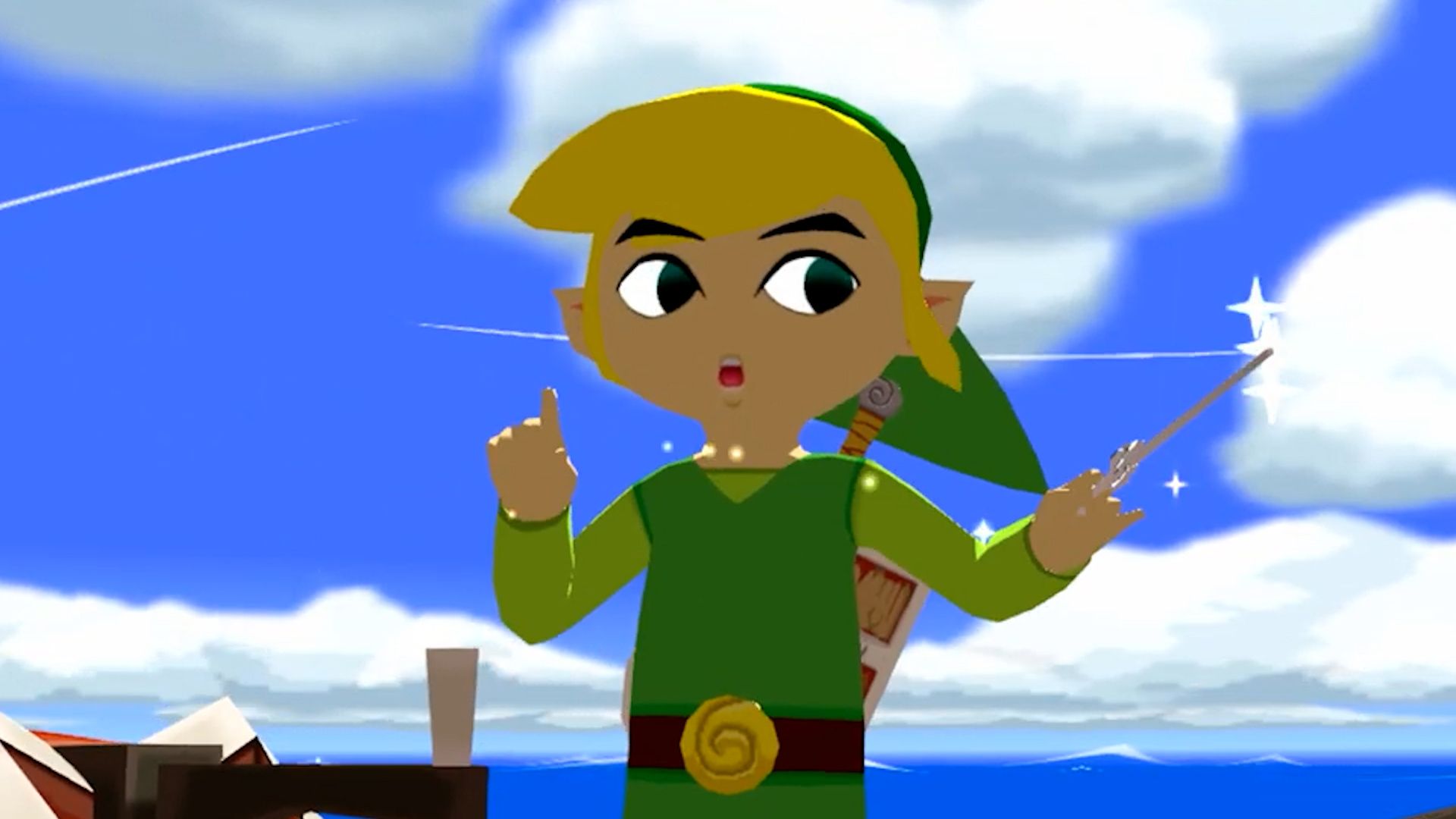
This statement confirms that the development team had aspirations for a much larger scope, likely involving more traditional dungeons. When faced with the immutable deadline of a console product, the team opted to condense the experience rather than delay the game. Aonuma’s reflection on this was one of profound accountability: "If people are feeling that way, that was my fault for lack of effort, and of course when it comes to the new Legend Of Zelda, I really don’t want to have that kind of impression from the players."
Supporting Data: Development Realities and Design Trade-offs
What does it mean for a game to be "unfinished" in a professional development context? Often, it is a matter of resource allocation.
- Asset Management: The cel-shaded art style was a technological marvel, requiring a massive amount of hand-drawn texture work. While it holds up better than almost any other game of that era, the time required to maintain that visual standard likely drained resources that could have gone into level design.
- The Triforce Quest: While derided as "padding," the Triforce quest serves a functional purpose in the game’s narrative—it forces the player to engage with the Great Sea, the game’s primary mechanic. However, from a game design standpoint, it replaces the "Dungeon -> Item -> Boss" loop with a "Map -> Salvage -> Pay Tingle" loop, which provides less mechanical satisfaction.
- Future Re-purposing: Industry speculation suggests that the ideas for the cut dungeons in The Wind Waker did not go to waste. Many fans have pointed to the layout and themes of dungeons in Twilight Princess and even the DS-based Phantom Hourglass as evidence that Nintendo recycled concepts that simply didn’t have the time to reach fruition in 2002.
The Modern Re-evaluation: The Wii U Renaissance
If The Wind Waker was considered "unfinished" in 2005, the 2013 high-definition remaster for the Nintendo Wii U arguably rectified many of these grievances. Nintendo did not just update the visuals; they streamlined the Triforce quest, reducing the number of shards required and making the process significantly less tedious.
This version of the game allowed a new generation of players to experience the title without the baggage of the 2002 console wars. Removed from the "unfinished" label, the game was finally judged for what it was: a masterpiece of atmosphere, music, and charm. The art style, once a point of contention, is now hailed as "timeless," proving that while Aonuma may have felt he failed to deliver the "full" vision at launch, the vision itself was always superior to the industry standard of the time.
Implications for the Zelda Franchise
Aonuma’s willingness to take the blame for the shortcomings of The Wind Waker set a precedent for the modern Nintendo development philosophy. Since the Twilight Princess era, the franchise has undergone a radical transformation. The development of Breath of the Wild and Tears of the Kingdom represented a shift away from the "linear-to-a-fault" structure that characterized the early 2000s, embracing instead the spirit of discovery that The Wind Waker attempted to capture.
The lesson learned from the "unfinished" state of the GameCube classic is that players value quality of experience over the mere quantity of content. By prioritizing the "fun" factor and ensuring that every element of the game feels intentional—a lesson clearly taken to heart during the production of Tears of the Kingdom—Nintendo has managed to avoid the pitfalls of the past.
Conclusion
Eiji Aonuma’s 2005 apology remains one of the most honest moments in gaming journalism. It humanized a titan of the industry and shed light on the brutal realities of the development cycle. However, history has been kind to The Wind Waker. What was once perceived as a "compact" or "rushed" product is now viewed as one of the most creative entries in the Zelda series.
While we will likely never see the original, "bigger" version of The Wind Waker that Aonuma dreamed of, the game we received remains a testament to the fact that even "unfinished" masterpieces can stand the test of time. The ghost of the Great Sea continues to sail, serving as a reminder that even when a creator misses the mark by their own high standards, the result can still be a treasure worth salvaging.











No comments yet. Be the first to join the conversation!