

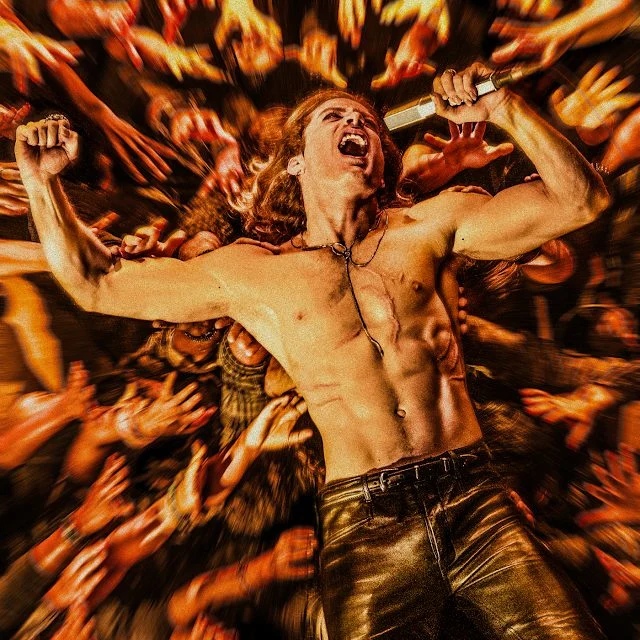
Following the hypnotic, sultry success of “Butterscotch Bitch,” the enigmatic rock icon known as The Vampire Lestat has returned with a haunting new composition that is currently sending shockwaves through the fandom. Titled “Your Biggest Fan,” the track is a masterclass in gothic storytelling, masking a deeply sinister narrative beneath the veneer of a soft, melodic guitar ballad. As anticipation for the upcoming television adaptation of The Vampire Lestat reaches a fever pitch ahead of its June 7 debut on AMC and AMC+, this latest release offers a chilling, intimate glimpse into the mind of literature’s most complex immortal.
The Anatomy of a Dark Ballad: Main Facts
On the surface, “Your Biggest Fan” presents itself as a romantic, albeit slightly melancholic, serenade. However, listeners who venture beyond the initial acoustic warmth quickly discover a narrative defined by voyeurism, obsession, and the unsettling power dynamics inherent to the vampire’s world.
The song functions as a direct address—a love letter, of sorts—from an unseen narrator to a subject identified as the “Wolf Killer.” While the instrumentation is deceptively gentle, the lyrical content is a “dark doozy.” The track explores themes of surveillance, the predatory nature of affection, and the blurred lines between adoration and possession. It is a song that invites the listener in with a whisper before revealing the sharpened fangs hidden in the subtext.
A Chronology of the Release and Fandom Reaction
The release of “Your Biggest Fan” did not happen in a vacuum; it follows a calculated rollout of musical content that has been drip-fed to the public, keeping the "fledglings"—as his dedicated fan base calls themselves—in a state of constant, frenzied analysis.
The Initial Drop
When the track first hit streaming platforms, the immediate reaction was one of romantic confusion. Fans initially gravitated toward the ballad-like quality of the verses, with many suggesting the song might be a tribute to iconic figures within the Anne Rice mythos. However, the mood shifted rapidly as the song progressed. By the time the bridge hit—with its repetitive, mantra-like chanting of “Wolf Killer”—the tone had shifted from a lullaby to a dirge.

The Social Media Deep Dive
Within hours of the release, platforms like X (formerly Twitter) became hubs for intense lyrical scrutiny.
- The Recognition of the “Wolf Killer”: Fans were quick to link the refrain to Lestat’s mortal origins. In the original lore, a young Lestat famously dispatched eight wolves that were terrorizing his childhood home—a feat of impossible strength and bravery that foreshadowed his eventual transformation.
- The “Hag” and the “Second Person”: One keen-eyed listener, @chikchikchirkun, pointed out a fascinating structural choice: this is the second consecutive track where Lestat sings from an outside perspective, effectively analyzing himself. This distancing, some argue, hints at the profound depersonalization Lestat felt after his early traumas, including his encounter with the ancient vampire Magnus.
- The Technical Nuance: The sonic production also came under fire for its meticulous detail. User @griffonage noted that when listening through high-fidelity headphones, the subtle introduction of violins at the 2:28 mark completely changes the emotional weight of the pre-chorus, transforming it from a simple plea into an orchestral wall of sound.
Supporting Data: Lyrical Analysis and Contextual Clues
To understand the weight of this track, one must view it through the lens of Anne Rice’s expansive supernatural universe. The song is not just a collection of notes; it is a lore-heavy artifact.
The “Wolf Killer” Motif
The term “Wolf Killer” serves as the song’s emotional anchor. By addressing his subject as such, the narrator is simultaneously honoring a past trauma and asserting dominance. The lyrics, “Yeah, I’m a dog and you’re my brave little wolf killer,” suggest a perverted hierarchy. The narrator, identifying as a “dog,” lowers himself to the level of the beast to emphasize the “bravery” of the one he is hunting.
The Voyeuristic Narrative
The second verse is perhaps the most chilling aspect of the composition. Lines such as, “That’s me watching as you sleep at night / And that’s me laughing in the darkness as you dream,” strip away any pretense of romance. This is not a song about love; it is a song about the absolute lack of privacy afforded to the subject of an immortal’s interest. The narrator is the “biggest fan” in the most literal, terrifying sense—a spectator who refuses to look away.
Fear of Mortality and the “Fire”
As noted by fan @dionyjinsus, the bridge seems to reference the threat of the pyre. “Drink up and dance around the fire tonight” acts as a metaphor for living on the edge of extinction. By inviting his subject to dance with him in the face of the flames, the narrator is essentially inviting them into the life of a vampire—a life that is beautiful, fleeting, and perpetually threatened by destruction.

Official Responses and Industry Context
The Vampire Lestat has, true to his enigmatic nature, remained silent regarding the specific inspirations for “Your Biggest Fan.” There has been no official press release, no explanatory interview, and no social media clarification. This silence, however, has only served to fuel the promotional machine.
The track is being marketed as a companion piece to the upcoming AMC series. By releasing music that feels like it has been ripped directly from the pages of the source material, the production team is creating a transmedia experience that rewards fans for their deep knowledge of the books. It is a strategy that treats the audience as participants in the lore rather than mere consumers of content.
Implications: What This Means for the Upcoming Season
The release of this song carries heavy implications for what viewers can expect from the television adaptation.
A Departure from Traditional Heroism
If the music is any indicator, the series will not shy away from the darker, more problematic aspects of Lestat’s character. By framing his obsession as a musical ballad, the showrunners are signaling a commitment to the morally gray, often predatory nature of their lead character. This is not a sanitized version of the vampire; it is the version that fans of the original novels have been waiting for.
The Psychological Horror Element
The song’s focus on depersonalization and the voyeuristic nature of immortality suggests that the series will lean heavily into psychological horror. “Your Biggest Fan” is a study in gaslighting and control. If the narrative of the show follows this tone, audiences should prepare for a slow-burn experience that prioritizes atmospheric dread over conventional action.

The Fandom as Narrative Fodder
The fact that the music is resonating so deeply with fans who are actively dissecting the lyrics suggests that the show is built to be "decoded." It is a testament to the enduring power of Anne Rice’s writing that a modern musical release can inspire such a massive, interconnected effort of literary analysis. The series will likely lean into this, creating moments that require a second or third viewing to fully grasp the layers of subtext.
Conclusion
“Your Biggest Fan” is more than just a promotional single for an upcoming television show; it is a sophisticated exploration of the nature of fandom and the terror of being the object of an immortal’s fixation. By weaving together elements of Lestat’s tragic mortal history with a modern, haunting sound, the track serves as a bridge between the classic literature that defined a generation and the high-production-value future of the franchise.
As we count down the days until June 7, one thing is clear: The Vampire Lestat is not just asking for our attention—he is demanding it, and he is willing to haunt our dreams to get it. Whether you are a long-time reader of the novels or a newcomer drawn in by the haunting melody, “Your Biggest Fan” is a reminder that in the world of the undead, true devotion is often indistinguishable from a nightmare.
For those looking to prepare for the premiere, we highly recommend revisiting the original text of The Vampire Lestat. It remains the essential map for navigating the complex, often treacherous, and always seductive landscape that Lestat calls home.










No comments yet. Be the first to join the conversation!