
 Basiran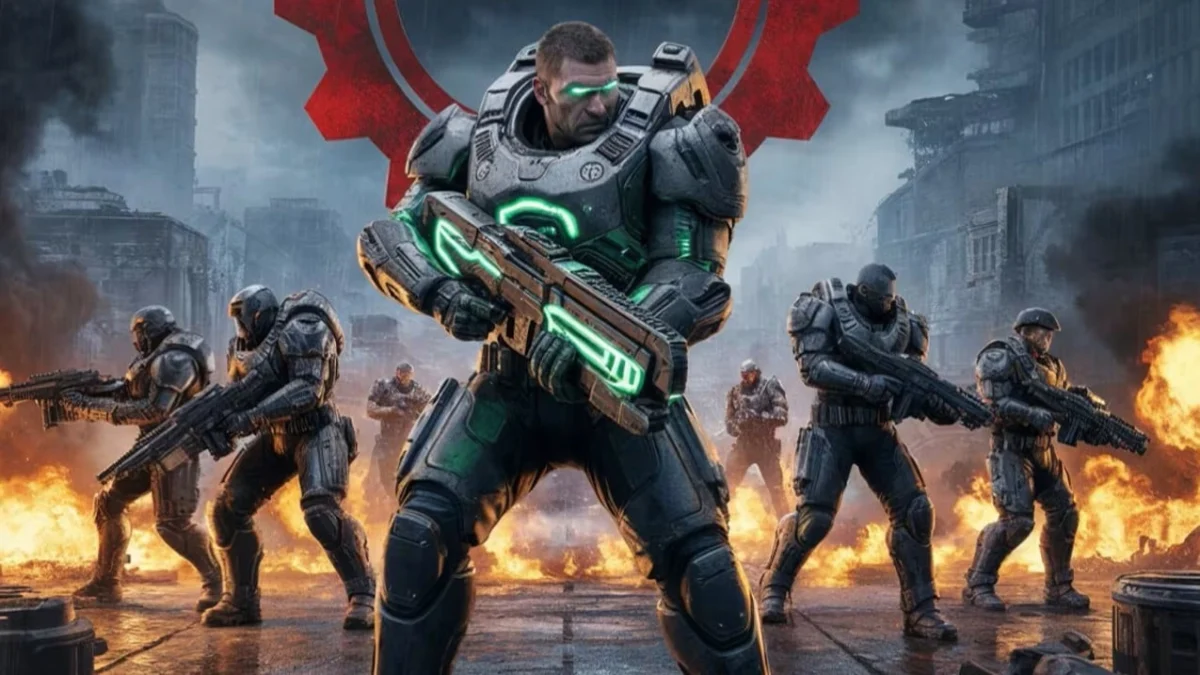
The digital marketplace for Nintendo Switch continues to grapple with a persistent issue: the proliferation of blatant rip-off titles. In a year already marked by a steady stream of derivative games, a new entry on the Nintendo eShop has drawn significant attention for its brazen imitation of beloved, established franchises. "Dead Gears – Space of War," slated for release on May 29th, 2026, stands as a stark example of this ongoing problem, raising questions about content moderation and the integrity of the digital storefront.
The game’s title itself is a transparent nod to two of the most iconic shooter franchises in gaming history: Epic Games’ "Gears of War" and EA’s "Dead Space." A cursory glance at the game’s logo and font design reveals an almost identical aesthetic to "Gears of War," while the thematic elements suggest a fusion with the grim sci-fi horror of "Dead Space." This deliberate mimicry, rather than subtle inspiration, has led to widespread criticism and concern among gamers and industry observers alike.
The Genesis of a Rip-off: Unpacking "Dead Gears – Space of War"
"Dead Gears – Space of War" presents itself as a cover shooter, a genre pioneered and popularized by the "Gears of War" series. However, initial impressions and available media suggest a significant departure from the core mechanics that defined its inspirations. While the game aims to evoke the visceral combat of "Gears of War" and the atmospheric dread of "Dead Space," it appears to fall short on execution, characterized by a perceived lack of personality and visual fidelity.
The game’s protagonist, Darius Vex, is depicted in promotional material as a character reminiscent of Marcus Fenix, the iconic protagonist of "Gears of War." Clad in a bulky spacesuit, Vex is presented as a lone warrior fighting for survival in a hostile environment. Gameplay mechanics described for "Dead Gears – Space of War" include stealthy movement through shadows, high-intensity firefights, the strategic use of energy for shields and deflection, and equipment upgrades. On paper, these elements are not inherently flawed, but their implementation within a game that so clearly borrows its visual identity and thematic premise raises red flags.
The visual presentation of "Dead Gears – Space of War" has been described as notably lacking. Environments are said to mimic the desolate, war-torn streets of "Gears of War" or the claustrophobic, metallic corridors of "Dead Space," yet they are reportedly marred by low-resolution textures and a general fuzziness. This visual deficiency further amplifies the perception of the game as a superficial imitation rather than a genuine attempt at innovation or even a competent homage.
A trailer for the game, made available online, offers a glimpse into its gameplay and aesthetic. While it showcases combat sequences and environmental design, it also reinforces the criticisms regarding its derivative nature and apparent lack of polish. The video, intended to generate excitement, instead seems to underscore the game’s reliance on the established appeal of its inspirations.
A Pattern of Imitation: Publisher’s Track Record
The concerns surrounding "Dead Gears – Space of War" are further compounded by the publishing history of Consann Real Estate. This is not the first instance of the publisher releasing titles that bear striking resemblances to popular games. In 2026 alone, Consann Real Estate has already launched "Fall Buddies," a clear imitation of the battle royale phenomenon "Fall Guys," and is poised to release "Ace Thunder: Aircraft Wingman Simulator," which appears to be a blend of the aerial combat of "Ace Combat" and the simulation elements of "Microsoft Flight Simulator."
This consistent pattern suggests a deliberate strategy by Consann Real Estate to capitalize on the success of established IPs by releasing low-effort clones. Such practices not only dilute the digital marketplace with uninspired content but also potentially mislead consumers who may be drawn to familiar aesthetics without fully understanding the derivative nature of the product.
Chronology of Concerns: The eShop’s Ongoing Battle with Clones
The issue of eShop clones is not a new phenomenon. For years, the Nintendo eShop, like many other digital storefronts, has struggled to effectively filter out games that are blatant rip-offs of existing titles. This has led to a crowded marketplace where genuine innovation can be overshadowed by unoriginal products.
- Early 2020s: The Nintendo eShop began to see an increase in low-quality games, many of which were clearly inspired by or directly copied from popular indie and AAA titles. This era saw a rise in "shovelware" – games released with minimal effort and often poor quality, designed to cash in on trending genres or aesthetics.
- Mid-2020s: Developers and publishers, noticing the relative ease of publishing on digital platforms, continued to exploit loopholes. Games mimicking popular mobile titles, arcade classics, and even well-known console games began to appear with alarming regularity. This period also saw the rise of automated game generation tools, further contributing to the influx of similar-looking titles.
- 2025: Reports and discussions within the gaming community intensified regarding the prevalence of rip-off games. Critics argued that Nintendo’s content moderation policies were insufficient to combat the growing problem, leading to a frustrating experience for consumers actively searching for unique and high-quality titles. Several high-profile instances of blatant clones garnered significant media attention, prompting calls for stricter review processes.
- Early 2026: The situation continues to persist. "Dead Gears – Space of War," slated for a May 2026 release, serves as a recent and prominent example of this ongoing issue. Its blatant imitation of "Gears of War" and "Dead Space" highlights the persistent challenges faced by the eShop in maintaining a curated and quality-driven marketplace.
Supporting Data and Community Reaction
The criticism of "Dead Gears – Space of War" is largely based on visual evidence and the game’s self-proclaimed inspirations. The game’s listing on the Nintendo eShop, along with promotional videos and screenshots, provides the primary source of information for consumers and reviewers. The immediate backlash from the gaming community, evident in online forums and social media discussions, underscores a widespread dissatisfaction with such derivative content.
Many players have expressed frustration over what they perceive as a lack of effort and originality. Comments often highlight the visual similarities, the uninspired gameplay descriptions, and the publisher’s history of releasing similar titles. The sentiment is that these games not only exploit the goodwill built by the original franchises but also take up valuable space on the digital storefront that could be occupied by more innovative and engaging experiences.
Official Responses and Industry Implications
As of the writing of this article, there has been no official statement from Nintendo regarding "Dead Gears – Space of War" or the broader issue of eShop clones. Nintendo’s content review process is proprietary, and details about its exact mechanisms are not publicly disclosed. However, the continued presence of such games suggests that the current system may not be robust enough to effectively prevent the publication of blatant rip-offs.

The proliferation of rip-off games has several implications for the gaming industry:
- Consumer Trust: When consumers repeatedly encounter low-quality, derivative games, their trust in the digital storefront can erode. They may become hesitant to purchase new titles without extensive research, fearing they will be disappointed.
- Discouraging Innovation: Developers who invest significant time and resources into creating original and innovative games may find it harder to gain visibility and market share when competing against a flood of easily produced clones. This can stifle creativity and discourage risk-taking.
- Market Saturation: The eShop, in particular, can become oversaturated with similar-looking titles, making it difficult for legitimate and unique games to stand out. This can lead to a less diverse and less engaging gaming ecosystem.
- Ethical Concerns: The practice of blatant imitation raises ethical questions about intellectual property, fair competition, and the integrity of the creative process. While not all inspiration constitutes infringement, clear and deliberate copying without significant original contribution is widely seen as unethical.
The Path Forward: A Call for Stricter Curation and Transparency
The case of "Dead Gears – Space of War" serves as a stark reminder of the ongoing challenges facing digital marketplaces like the Nintendo eShop. While the platform offers unparalleled accessibility for developers, it also presents vulnerabilities that can be exploited by those seeking to profit from imitation.
Moving forward, there is a clear need for enhanced content moderation policies and a more transparent review process. Developers and publishers with a history of releasing derivative content should face greater scrutiny. Furthermore, clearer guidelines for what constitutes acceptable inspiration versus outright imitation would benefit both developers and consumers.
Ultimately, the goal should be to foster an environment where genuine creativity thrives, and players can confidently explore a digital marketplace filled with diverse, high-quality experiences. Until more robust measures are in place, titles like "Dead Gears – Space of War" will continue to cast a shadow over the eShop, leaving players to navigate a landscape where the line between homage and blatant rip-off is increasingly blurred. The onus is on platform holders and the industry as a whole to ensure that digital storefronts remain a vibrant and trustworthy space for the future of gaming.


 Lina Irawan
 Sagoh
Sagoh





