

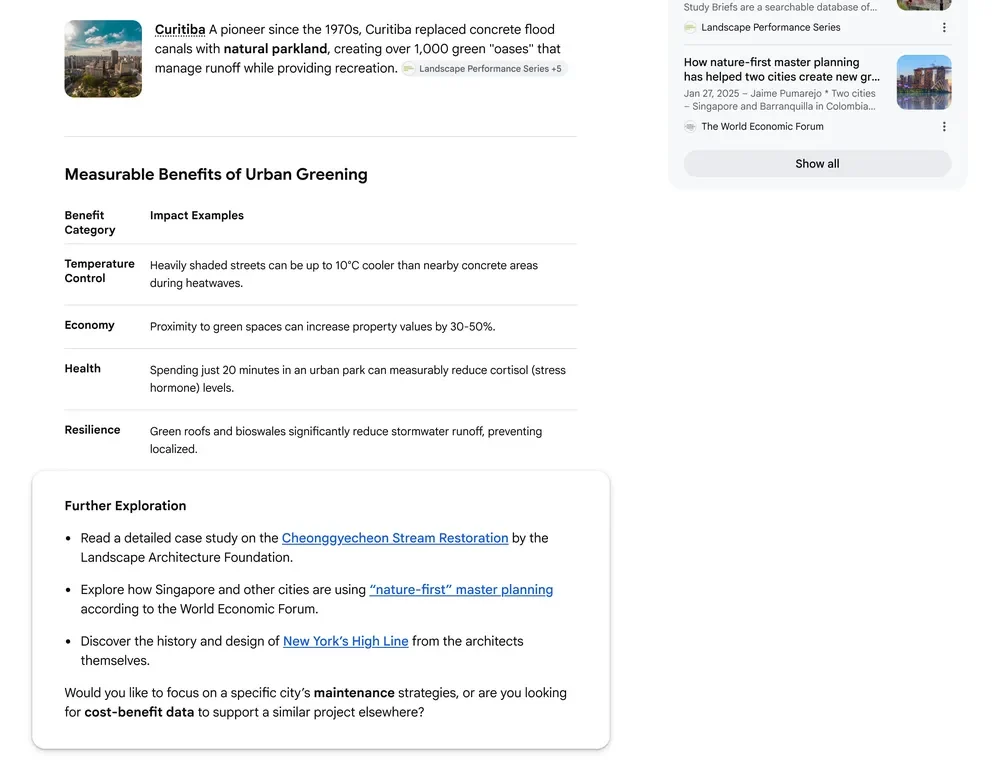
In a significant tactical adjustment to its search ecosystem, Google has announced a suite of new features for its AI Overviews and AI Mode, designed to bridge the growing divide between generative AI answers and the publishers that provide the underlying source material. Among the most notable updates is a new subscription integration API, which allows users to link their site-specific subscriptions directly to their Google accounts. By surfacing these subscribed sources more prominently within AI-generated responses, Google hopes to incentivize click-throughs and reassure publishers who have long feared that AI is cannibalizing their web traffic.
However, beneath the veneer of this technical collaboration lies a deeper, more existential struggle. As Google navigates mounting legal pressures, regulatory scrutiny under the European Union’s Digital Markets Act (DMA), and a persistent decline in traffic for independent publishers, the company is attempting to prove that its AI-driven search experience can coexist with a healthy, profitable web ecosystem.
The Mechanics of the New Integration
The core of Google’s new proposal is a subscription-linking mechanism. By integrating a publisher’s paywall status directly into the Google interface, the search giant aims to reduce the friction that often prevents users from engaging with premium content.
How it Works
The feature functions as a bridge between the user’s Google identity and the publisher’s authentication system. When a user queries a topic, Google’s AI Overviews will identify relevant content from sources the user is already subscribed to. By leveraging a new API, Google can verify this subscription status in real-time, allowing the AI to present the link with a "subscriber-access" indicator.
Early internal testing from Google suggests that users are significantly more likely to engage with links when they are aware that the content is already accessible to them. By removing the "paywall barrier" from the user’s cognitive load, Google hopes to drive higher traffic back to high-quality, long-form journalism—a segment of the web that has been hit hardest by the shift toward "zero-click" AI summaries.
Chronology of a Search Revolution
To understand the current tension, one must look at the rapid evolution of Google’s search philosophy over the past 24 months.
- Mid-2024: Google begins the aggressive rollout of AI Overviews, moving from experimental testing to a permanent, core feature of the search results page. The promise is a "smarter" search that synthesizes complex information instantly.
- Late 2024: Initial data begins to trickle in, indicating a trend toward "zero-click" searches. Publishers report a sharp decline in organic traffic, as users find the AI’s summary sufficient, negating the need to click through to the source.
- Early 2025: High-profile lawsuits from major media conglomerates—including Penske Media—gain traction. Plaintiffs argue that Google is effectively "scraping" their intellectual property to train models that subsequently replace them in the marketplace.
- Mid-2025: European regulators signal that the Digital Markets Act (DMA) will be used to scrutinize how AI features treat third-party websites. Pressure mounts for Google to provide an "opt-out" mechanism for AI crawling.
- May 2026: Google announces the subscription-linking API and hover-preview pop-ups, framing these as a "partnership" model intended to revitalize traffic and offer better transparency to the user.
Supporting Data: The Traffic Crisis
The friction between Google and the publishing industry is not merely anecdotal; it is backed by substantial data. Several independent audits conducted throughout 2025 showed a staggering drop in referral traffic for sites heavily dependent on search engine optimization (SEO).
One landmark study cited by industry analysts found that AI Overviews could reduce clicks to external websites by as much as 45–50% for information-dense queries. In more extreme cases, such as those cited by media groups like Penske, some publishers reported traffic losses nearing 90% for specific long-tail keywords.
These figures represent more than just a dip in vanity metrics—they represent a direct threat to the advertising-supported revenue models that sustain modern journalism. If users no longer visit the website, they are not served ads, and they are not converted into subscribers. This creates a dangerous feedback loop: as websites lose revenue, their ability to produce the high-quality content that Google’s AI requires to function effectively diminishes.
Official Responses and Corporate Strategy
Google’s official stance remains one of optimism and collaboration. In press briefings, Google executives have consistently argued that AI Overviews are not intended to replace the web, but to guide users toward it more efficiently.
"Our goal is to act as a bridge, not a terminal," one representative noted. "By highlighting the content of our partners, we are ensuring that the web remains a vibrant ecosystem where creators are rewarded for their work."
However, industry critics remain skeptical. Many publishers view the "partnership" narrative as a PR attempt to mitigate the growing legal liability. By offering tools like the subscription API, Google may be attempting to preemptively address antitrust concerns by showing that they are providing "fair access" to their AI platform. Whether this constitutes a genuine effort to support publishers or a strategic maneuver to maintain access to training data remains a point of intense debate in Silicon Valley and Brussels.
Implications: A Future for the Open Web?
The implications of this move are twofold: legal and systemic.
The Legal Liability of AI
Google is currently fighting a war on multiple fronts. The legal challenges allege that the current iteration of AI Overviews constitutes copyright infringement on a massive scale. If courts rule that summarizing content without consent violates fair use, Google’s entire business model could be forced to pivot. The new API, while seemingly helpful, might be a way for Google to argue that it is providing value back to the publishers it cites, thereby strengthening its legal standing.
The Regulatory Landscape
The Digital Markets Act (DMA) in the European Union provides the most significant hurdle. The act prohibits "gatekeeper" companies from favoring their own services over competitors. If Google’s AI Overviews are deemed to be "self-preferencing"—by keeping users within the Google environment at the expense of external sites—the company could face massive fines or, in an extreme scenario, be forced to unbundle its AI features from its search engine.
The "Zero-Click" Hubris
Industry analysts have often criticized Google’s recent trajectory as the "culmination of its hubris." By attempting to solve every user query within its own interface, Google has arguably undermined the very network that made it the world’s leading search engine. The introduction of hover-previews—which allow users to glimpse content without fully committing to a click—is a half-measure that may not satisfy critics who demand a fundamental return to a traffic-driven search model.
Conclusion: A Delicate Balance
Google’s latest feature set is a clear acknowledgment that the company has reached a tipping point. The current friction between the search engine and the content creators it relies upon is unsustainable. If Google continues to squeeze the life out of the open web, it may find itself in the ironic position of having built a perfect AI engine that has nothing new to learn.
The subscription-linking API is a step toward reconciliation, but it is unlikely to be the panacea for the broader crisis of online publishing. As the legal battles continue to heat up and regulators sharpen their focus, Google will need to offer more than just incremental UI updates. It will need to demonstrate that it can exist as a platform for discovery, rather than a destination for consumption. The future of the internet, and the survival of the journalism that populates it, depends on finding that equilibrium before the damage to the web’s ecosystem becomes permanent.












No comments yet. Be the first to join the conversation!