

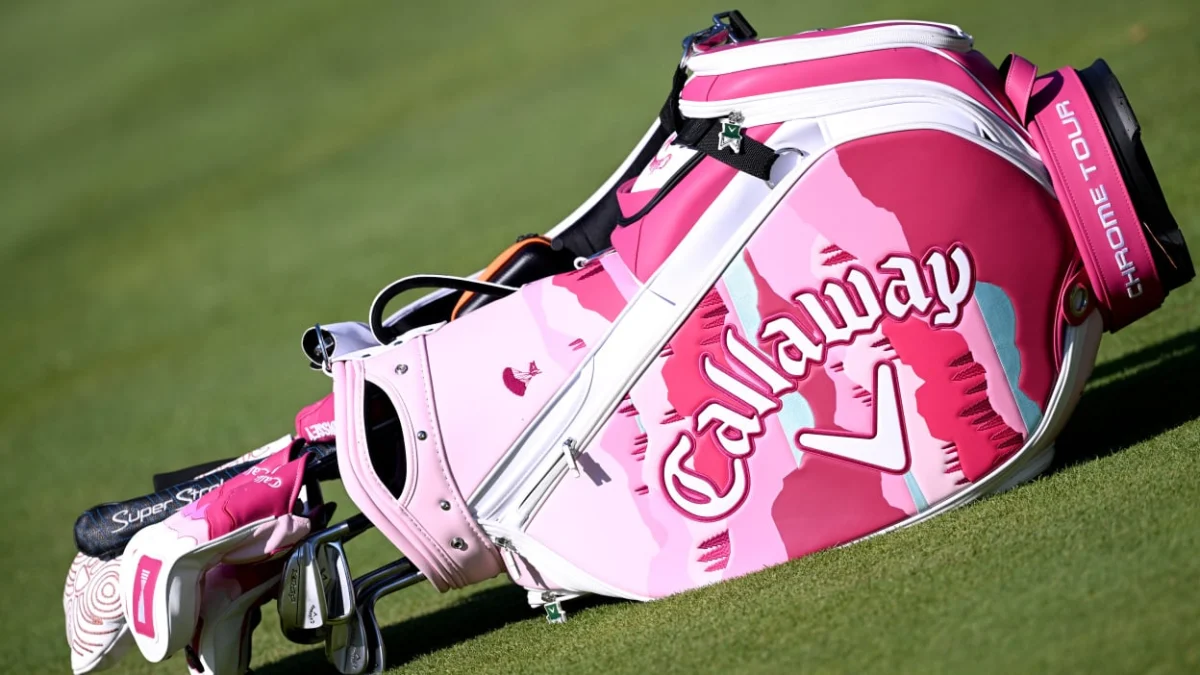
In the modern landscape of digital marketing, brands often gamble on "edgy" content to capture the attention of younger, social-media-savvy demographics. However, a recent collaborative marketing effort between industry titan Callaway Golf and the viral YouTube collective Good Good Golf has backfired in spectacular fashion, triggering a widespread public outcry and a massive corporate retreat.
The controversy centers on a promotional video that depicted a male golfer, Good Good co-founder Garrett Clark, physically shoving a female golfer, Alexis Miestowski, to the ground before standing over her and declaring, "Do not touch my new driver." The clip, intended to be a tongue-in-cheek horror-themed promotion for a new line of equipment, instead became a lightning rod for criticism, exposing the deep-seated cultural tensions within the sport and the systemic failures in corporate brand management.
The Chronology of a PR Disaster
The video, which appeared on various social media platforms in mid-August 2026, was ostensibly designed to play on the "obsession" surrounding the new Callaway Quantum driver. In the sequence, Clark—a high-profile influencer—confronts Miestowski in a display of physical intimidation that, by all accounts, missed its intended satirical mark entirely.
The backlash was immediate. By August 21, the digital roar of disapproval had become impossible for the brands to ignore. As users on X (formerly Twitter) and Reddit dissected the clip, it became clear that the audience did not interpret the scene as a "horror parody," but rather as a display of toxic "golf bro" behavior and physical violence against a woman.
The videos were scrubbed from official accounts on August 21, but the internet is famously unforgiving of such errors. Copies of the ad continued to circulate, fueling a secondary wave of scrutiny regarding how such a commercial could clear the internal vetting processes of a global sports manufacturer. By the week of August 26, the ripple effects had expanded far beyond social media, resulting in the removal of merchandise from major retailers and the postponement of televised golf content.
Supporting Data: A Sport at a Crossroads
The outrage surrounding the Callaway-Good Good collaboration does not exist in a vacuum. It highlights a critical disconnect between the changing demographics of golf and the content generated by its most prominent media figures.
According to data from the National Golf Foundation, women and girls have been the primary drivers of growth in the sport, accounting for 60 percent of the rise in on-course participation since 2019. Despite this demographic shift, the "influencer" side of the industry remains heavily dominated by groups of young men whose content often relies on tropes of "rowdy banter," exclusionary frat-boy antics, and hyper-competitive challenges.

The incident also draws uncomfortable parallels to broader societal issues regarding violence against women. Public health data from the CDC and the Bureau of Justice Statistics paints a harrowing picture: nearly one in four women will experience physical violence from an intimate partner in their lifetime, and a significant portion of female homicide victims are killed by current or former male partners. For many viewers, the image of a man physically assaulting a woman and standing over her—even for a "joke"—was not merely "poor taste"; it was an echo of a lived reality for millions of women.
The Official Response: Accountability and Damage Control
As the controversy gained momentum, both Good Good and Callaway were forced to issue public apologies. The statements, however, were received with varying degrees of skepticism.
Matt Kendrick, CEO of Good Good, acknowledged the failure in a LinkedIn post. "The commercial was intended to parody a scene from a horror movie, but we missed the mark," Kendrick wrote. "Regardless of what we intended, we are responsible for what we put into the world and how it is received. We got this one wrong."
Callaway CEO Chip Brewer took a more direct approach, specifically addressing the failure of corporate oversight. In his statement on X, Brewer admitted, "That approval should never have happened." He confirmed that while the content was produced by their partner, the ultimate responsibility for its release rested with Callaway. Brewer announced that the company is currently conducting both internal and external investigations and is overhauling its marketing approval processes to prevent a recurrence of this nature.
The Rippling Implications for the Industry
The fallout from the "generationally stupid" ad—a phrase coined by an early critic on X—has been swift and tangible. The financial and reputational consequences serve as a case study in why brand safety protocols are paramount in the creator economy.
1. Retailer Retreat
Major retailers, sensitive to the potential for consumer boycotts, acted quickly to distance themselves from the Good Good brand. Dick’s Sporting Goods, Target, and various PGA Tour Superstore locations pulled Good Good merchandise from their shelves and websites. This represents a significant financial hit for a company that has built its brand on direct-to-consumer sales and retail partnerships.
2. Media Postponement
The Golf Channel, a major broadcaster in the industry, postponed the August 25 premiere of Big Break x Good Good until September 1. The delay was explicitly attributed to the need to make "necessary production updates" after a primary sponsor—reportedly Golf Galaxy—demanded its branding be stripped from the series.

3. A Competitive Opening
Competitors were quick to capitalize on the vacuum left by the scandal. PXG, another major club manufacturer, released a promotional video featuring professional female golfers, pointedly captioning the post: "Our drivers play nice with everyone." This marketing pivot highlights how the incident allowed competitors to frame their own brands as more inclusive and professional by contrast.
4. Cultural Reckoning
Perhaps the most lasting impact will be the internal pressure on golf institutions to diversify their creative voices. Critics, including prominent figures like "The Jazzy Golfer" (Jasmine Sanders), have pointed out the hypocrisy of brands that market themselves as "inclusive" while simultaneously funding content that perpetuates the very stereotypes that alienate female golfers. As Sanders noted, "You can’t say that matters and then make violence towards a woman the punchline."
Conclusion: The Cost of Ignoring the Room
The Callaway and Good Good controversy serves as a stark reminder that in the age of viral media, creative intent is secondary to public perception. The companies involved sought to capture a younger, "edgier" audience, but in doing so, they failed to recognize that their audience—and the broader public—has little tolerance for content that mimics real-world violence, regardless of the artistic justification.
As the industry moves forward, the "Quantum driver" incident will likely be cited as a watershed moment in sports marketing. It forces brands to ask not just "will this go viral?" but "does this align with the values of the community we serve?" For Callaway and Good Good, the path to redemption will involve more than just a deleted video; it will require a fundamental shift in how they view, produce, and approve the content that represents their brands to the world.
If you or someone you know is experiencing domestic violence, help is available. Call the National Domestic Violence Hotline at 1-800-799-SAFE (7233), text “START” to 88788, or visit TheHotline.org to chat with an advocate. Support is free, confidential, and available 24/7.











