Nana
Nana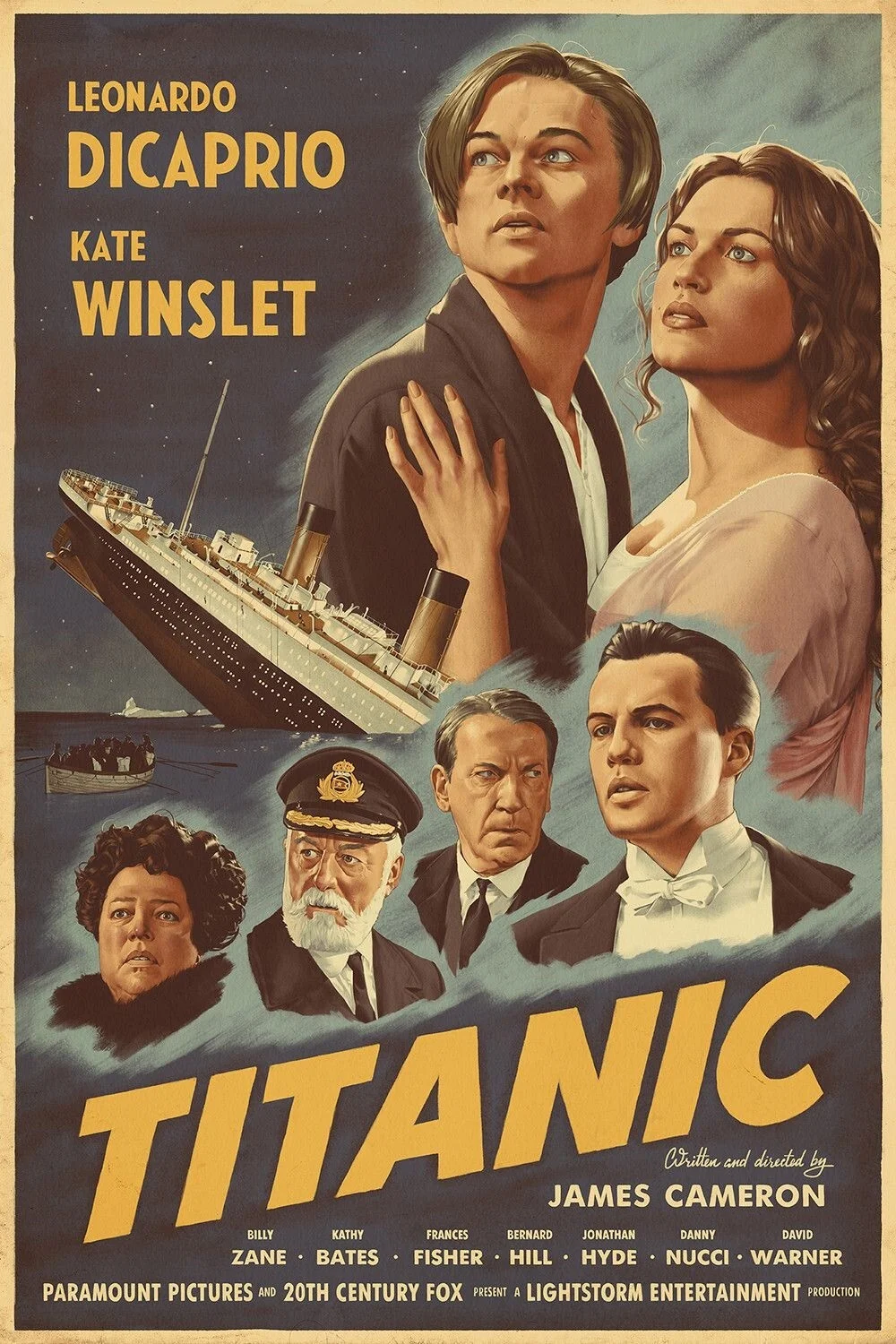
By Leandro Beroldo | June 23, 2026
Movie posters serve as the front line of cinema marketing. Beyond merely announcing a release date or listing a cast, they act as sophisticated cultural translators. When a film travels across borders, the original marketing campaign—often designed for a domestic North American or Western European audience—may fail to resonate with viewers in Tokyo, Cairo, or Buenos Aires. To bridge this gap, studios employ a "glocalization" strategy, redesigning posters to align with local aesthetics, genre preferences, and cultural sensibilities. The result is a fascinating array of variations where the same film can be marketed as a gritty thriller in one country and a whimsical comedy in another.

The Cultural Anatomy of a Movie Poster
The primary objective of a movie poster is to communicate the "soul" of a film in a single glance. However, "soul" is a subjective concept. In the United States, movie marketing often prioritizes the "star power" of actors or the "high-concept" hook of a plot. Conversely, in markets like Japan or Poland, poster design has historically leaned toward artistic, hand-painted, or abstract representations that emphasize theme and mood over literal character portraits.
This divergence is not accidental. It is the result of deep-dive market research into local audience behavior. If a studio believes a film’s complex narrative might be too abstract for a general audience, they may commission a new poster that highlights action, romance, or familiar genre tropes to ensure the film feels accessible.

A Chronological Evolution of Global Marketing
The practice of varying international posters dates back to the mid-20th century, long before the age of globalized digital marketing.
- 1970s: The Dawn of Global Branding: Films like Jaws (1975) and Star Wars: A New Hope (1977) set the stage. While the American Jaws poster is a masterclass in minimalist terror, international versions frequently pushed the "creature feature" angle, using more graphic illustrations of the shark to appeal to audiences accustomed to monster cinema.
- 1980s – 1990s: Genre Recontextualization: As films like The Shining (1980) and The Silence of the Lambs (1991) became global phenomena, the need to market them effectively became paramount. The Shining’s shift from minimalist psychological dread to "haunted house" horror imagery highlights the industry’s desire to fit films into neat, bankable boxes for international distributors.
- 2000s – Present: The Digital Era: With the rise of the internet, the differences in posters became visible to fans globally. The Matrix (1999) began a trend of "tech-noir" marketing, where different regions chose to highlight either the philosophical, code-heavy aspects of the film or the visceral "gun-fu" action sequences, depending on whether the local market preferred intellectual sci-fi or explosive blockbusters.
Case Studies: When One Movie Becomes Many
The variations between international posters often reveal a radical shift in tone. Here is how some of cinema’s most iconic films have been reimagined:

1. Black Swan (2010)
A film defined by its descent into madness, Black Swan presented a challenge for marketers: how to sell a psychological horror film disguised as a ballet drama. In some regions, the posters featured ethereal, beautiful imagery of a ballerina in a tutu, selling the film as a prestige drama. In others, fragmented, darker visuals were used, leaning into the body-horror aspects of the narrative to attract a younger, genre-savvy audience.
2. The Dark Knight (2008)
Christopher Nolan’s superhero masterpiece is arguably one of the most marketed films of the 21st century. While domestic posters focused on the stark, gritty duality of Batman and the Joker, international designs often emphasized the chaos of the Joker’s anarchy to drum up excitement in markets where Batman was not yet the cultural monolith he is in the U.S.

3. Titanic (1997)
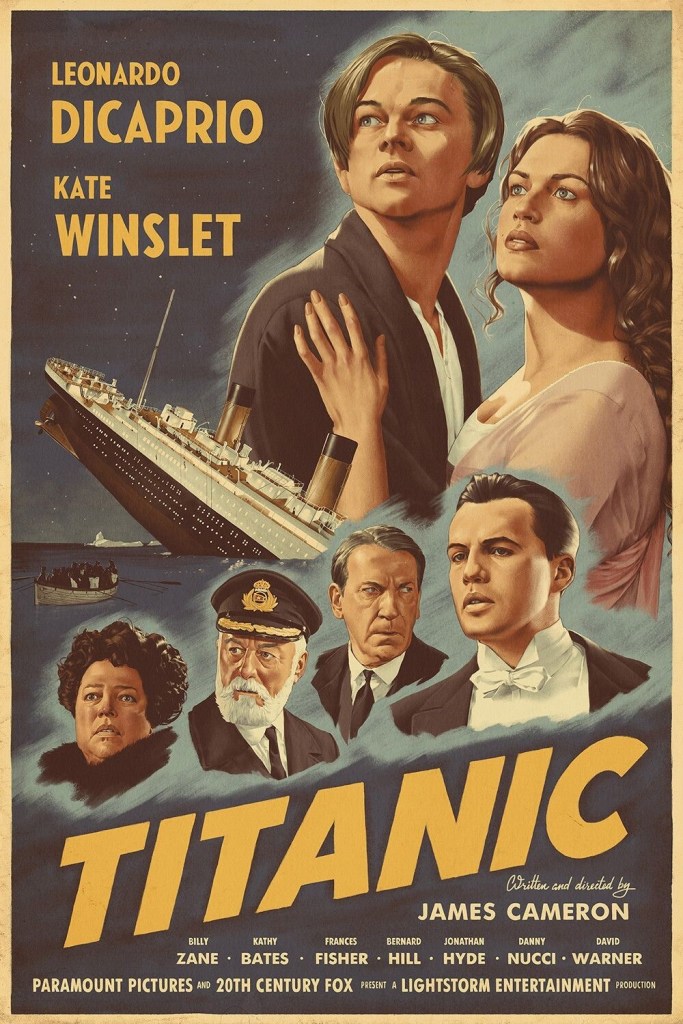
James Cameron’s epic was a massive gamble. To ensure its success, the marketing had to appeal to two distinct demographics: those seeking a sweeping romantic drama and those interested in the historical disaster. Consequently, posters in some regions focused heavily on the chemistry between Leonardo DiCaprio and Kate Winslet, while others—particularly in markets that favored disaster films—focused on the sheer scale of the sinking ship.
4. Frozen (2013)
Disney’s strategy for Frozen offers a masterclass in demographic tailoring. In markets where the audience skewed toward family-oriented fairy tales, the posters highlighted the magical, romantic elements. In markets where comedy was the primary driver for animated hits, the posters prioritized Olaf and the more slapstick, character-driven moments of the film.

Supporting Data: Why Design Matters
Industry studies suggest that a poster’s design can influence opening weekend attendance by as much as 15–20% in international markets. For a film with a global budget of $200 million, that percentage represents millions of dollars in potential revenue.
According to data from film marketing firms, audiences in Asian markets often prefer "busy" posters that pack multiple characters, locations, and action beats into a single frame, suggesting high "value for money." Conversely, North American and European audiences have increasingly trended toward the "floating head" or "minimalist silhouette" style, which focuses on star power or a singular, iconic symbol (like the shark in Jaws or the mask in The Silence of the Lambs).
Official Responses: The Studio Perspective
Executives from major studios, including Warner Bros. and Universal, have often noted that the "original" poster is merely a suggestion. "We provide a toolkit of assets to our international distributors," says one former marketing executive who requested anonymity. "They know their audience better than we do. If a poster from Burbank doesn’t work in Berlin, we encourage them to localize it. The goal is to sell the experience of the film, not just the film itself."
This autonomy allows local branches to pivot if a movie’s initial reception is lukewarm. If a film is being perceived as "too serious," a new, more colorful poster might be issued to change the public narrative surrounding the release.

Implications: The Death of the "Universal" Image?
As the world becomes more interconnected, the distinct lines between international marketing campaigns are beginning to blur. The rise of social media means that a poster designed for a niche market in Southeast Asia can go viral in the United States, forcing studios to reconsider their approach.
However, the core implication remains: cinema is not a universal language, but a series of regional dialects. The "different" poster is not a failure of branding, but a testament to the fact that stories are interpreted through the lens of local experience. Whether it is Pulp Fiction’s shift from cool minimalism to chaotic crime drama or Inception’s move between abstract dreamscapes and literal action, these posters prove that the "identity" of a film is fluid.

In the future, we may see AI-driven marketing that generates dynamic, personalized posters for individual viewers based on their viewing history. But for now, the art of the regional movie poster remains a vital, human-centric effort to make the global feel local. It serves as a reminder that before we even enter the theater, the stories we tell ourselves about a film have already begun.


 Nana Muazin
 Pevita Pearce